 TEL: +86 18903393212
 Email: tina@yintoglassware.com

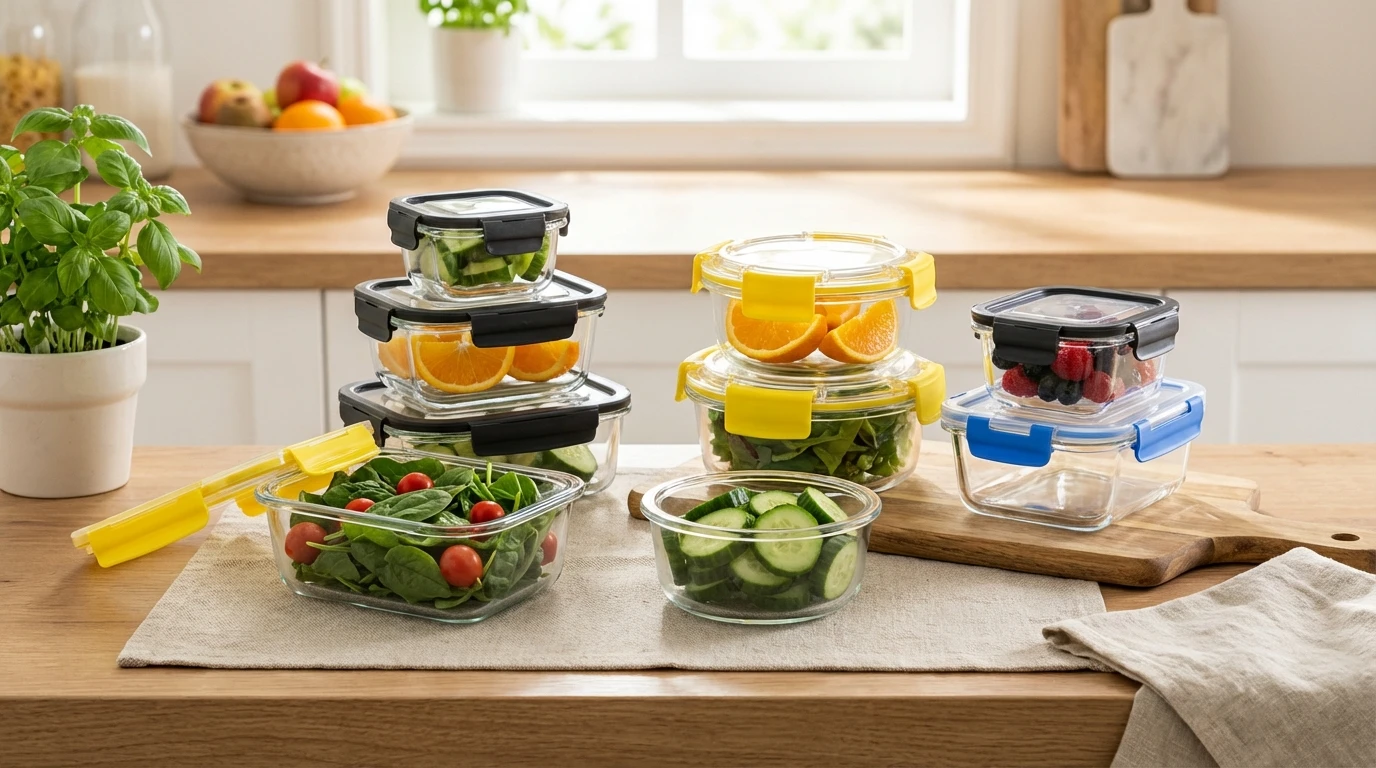
Eco-Friendly Bamboo Lid Water Bottles: A Sustainable Hydration Solution
The Rising Global Importance of the Bamboo Lid Water Bottle
In a world increasingly focused on sustainability and eco-conscious living, the bamboo lid water bottle has quietly become a staple for both individual consumers and businesses alike. But why the particular focus on this seemingly simple object? Globally, plastic pollution continues to plague oceans and landscapes, while single-use plastics and non-recyclable bottle components remain a massive environmental challenge. The bamboo lid water bottle offers a fascinating blend of functionality, style, and ecological responsibility, answering a critical question: How can everyday items be greener without sacrificing practicality?
Understanding the key benefits of such products helps industries adapt and citizens contribute to global ecological efforts. Plus, with bamboo’s rapid growth cycle and natural biodegradability, substituted bottle lids represent a tiny but meaningful step toward reducing carbon footprints.
Mini takeaway: Bamboo lid water bottles symbolize a growing shift to natural materials in daily hydration, touching environmental, economic, and social concerns worldwide.
Global Context: Why Bamboo Lid Water Bottles Matter Today
Let’s zoom out a bit. According to the United Nations Environment Programme (UNEP), the world produces over 300 million tons of plastic annually—with a huge portion being single-use items like water bottles and their caps. Traditional plastic lids pose recycling challenges since they typically combine polymers, making recovery cost-ineffective. This leads to massive landfill overflow and marine debris.
Meanwhile, bamboo cultivation is booming. Bamboo grows up to 91 cm (35 inches) per day and sequesters carbon efficiently. This rapid renewability aligns with ISO standards for sustainable materials (ISO 14001). It’s no wonder manufacturers are turning towards bamboo for bottle lids—an innovation that promises to reduce plastic reliance without disrupting established production chains.
In practical terms, a bamboo lid water bottle helps reduce microplastic shedding, lessens landfill pressure, and promotes sustainable consumer goods. It confronts a solid chunk of the packaging waste problem while appealing to environmentally savvy demographics, from urban millennials to corporate gifting programs.
Mini takeaway: Bamboo lids help tackle plastic waste globally, supported by data from UN and ISO sustainability frameworks.
What Exactly Is a Bamboo Lid Water Bottle?
Simply put, it’s a water bottle featuring a lid crafted mainly from bamboo instead of plastic or metal. Bamboo lids typically sit atop stainless steel, glass, or BPA-free plastic bottles, combining natural aesthetics with durability. Bamboo’s dense woody fibers yield a lightweight, sturdy, often antimicrobial cap alternative, prized in zero-waste lifestyles.
This product reflects growing trends in eco-responsible manufacturing and consumer habits. It bridges usability with environmental mindfulness. And it’s not just about looks—the functional design also aims to prevent leakage while offering a secure grip and a sense of texture customers often find soothing.
Mini takeaway: Bamboo lid water bottles blend nature and technology to meet modern demands for style, safety, and sustainability.
Key Features of Bamboo Lid Water Bottles
1. Durability and Resistance
Bamboo is famously resilient—resisting cracking or warping under daily wear and tear. When properly treated with food-safe sealants, it can withstand moisture exposure without splitting, maintaining lids’ long service life.
2. Eco-Friendly Material
Unlike petroleum-based plastic, bamboo is biodegradable and commercially compostable. Its cultivation also requires minimal pesticides or fertilizers, reducing the overall environmental footprint.
3. Lightweight Design
The natural wood texture offers a lightweight alternative to metal lids, making it easy for on-the-go users who want something elegant but practical – think hikers or office workers.
4. Aesthetic Appeal
Bamboo’s grain and warm hues offer a natural beauty that synthetic alternatives struggle to replicate, satisfying consumers looking for organic, minimalistic style without sacrificing performance.
5. Safety and Hygiene
Bamboo contains natural antimicrobial properties, which can limit bacteria buildup compared to plastic surfaces. Besides, many manufacturers apply food-grade sealants to further enhance hygiene.
Mini takeaway: Combining durability, eco-friendly credentials, hygiene, and design, the bamboo lid stands out as a smart alternative to plastic or metal caps.
Global Applications and Real-World Examples
The bamboo lid water bottle is making waves not just in trendy cafes but also in serious global sectors:
- Disaster Relief: NGOs distribute durable, reusable bottles with bamboo lids in emergency zones, helping reduce single-use plastic waste during crises.
- Corporate Sustainability: Many enterprises adopt bamboo-lid bottles for employee wellness programs or corporate gifts, signaling values aligned with environmental stewardship.
- Outdoor and Adventure: Companies catering to backpackers, hikers, and weekend campers prize bamboo lids for their robustness and style.
- Zero-Waste Stores: Retailers offering refill stations favor bottles with bamboo lids as part of a holistic waste reduction effort.
In Asia and Europe, the spread of bamboo lid water bottles coincides with rising environmental awareness and stricter regulations on single-use plastics, enhancing adoption rates. Meanwhile, organizations like the World Bank advocate innovations in consumer goods packaging to reduce ocean waste, inadvertently boosting such natural material solutions.
Mini takeaway: From relief efforts to lifestyle brands, bamboo lid bottles fit diverse roles worldwide, championing sustainable, stylish hydration.
Practical Advantages and Long-Term Impact
What makes bamboo lid water bottles truly appealing, beyond sentiment? Here are some tangible benefits:
- Cost Efficiency: Bamboo is generally cheaper than metals and more durable than many bioplastics, striking a practical price-quality balance.
- Environmental Impact: From growth to disposal, bamboo’s lifecycle emits fewer greenhouse gases and wastes fewer resources.
- User Satisfaction: Customers enjoy the tactile feel and natural aroma, which enhances drinking rituals in subtle, positive ways.
- Cultural Connection: Bamboo resonates deeply with traditions in many societies, fostering pride and deeper appreciation for one’s belongings.
- Trust and Brand Loyalty: Companies using bamboo lids often perceive better brand alignment with sustainability-driven clients.
Mini takeaway: Bamboo lids combine affordability, reduced environmental harm, and user delight—ingredients for long-term value and growth.
Emerging Trends and Innovations
The future looks promising. Materials scientists are developing hybrid bamboo composites that enhance strength and water resistance even further without extra plastic. Meanwhile, digital tech integration—like embedded NFC chips under bamboo lids—is on some companies’ radars to enable product authenticity and recycling traceability.
Policy-wise, governments worldwide are tightening regulations on plastic components in water bottles, which could shift market demand heavily toward bamboo and other natural materials. And in the sustainability realm, more circular-economy initiatives encourage return and reuse of bottles paired with bamboo lids.
Green energy-powered manufacturing lines and biodegradable sealants are also becoming standard, making the entire production cycle smarter and cleaner.
Mini takeaway: Innovations in materials, tech, and policy suggest bamboo lid water bottles will only grow smarter, greener, and more user-friendly.
Challenges and How the Industry is Tackling Them
It’s not all smooth sailing. Bamboo lids can sometimes be prone to mold if not sealed or dried properly. Producing large volumes consistently demands supply chain rigor. And some users worry about the durability of bamboo compared to high-grade metals.
Manufacturers typically address these by:
- Applying advanced food-safe sealants and finishes to extend durability.
- Implementing stringent quality controls and moisture testing.
- Blending bamboo with sustainable resins to enhance strength while maintaining biodegradability.
Thanks to such solutions, customer concerns are slowly fading, replaced by growing enthusiasm and acceptance.
Mini takeaway: Industry challenges around bamboo lids are manageable and actively being solved via technology and quality standards.
Specifications at a Glance
| Feature | Detail |
|---|---|
| Material | Natural Bamboo (FSC Certified) |
| Sealant | Food-safe PU coating |
| Compatibility | Standard 28mm threading (fits stainless steel & glass bottles) |
| Weight | Approx. 25g |
| Lifecycle | Up to 2 years under regular use |
| Biodegradability | Yes, commercially compostable within 6 months |
Vendor Comparison: Finding the Right Bamboo Lid Supplier
| Vendor | Location | MOQ | Lead Time | Certifications | Customization |
|---|---|---|---|---|---|
| GreenCaps Co. | Vietnam | 500 pcs | 3 weeks | FSC, ISO 9001 | Laser engraving, color finish |
| EcoBottle Ltd. | China | 1000 pcs | 4 weeks | FSC, FDA | Custom shapes, logos |
| NaturalCaps | Indonesia | 300 pcs | 2.5 weeks | FSC, BSCI | Engraving and paint options |
FAQ: What You Want to Know About Bamboo Lid Water Bottles
Q: How durable is a bamboo lid compared to plastic or metal lids?
A: Bamboo lids, when treated properly, last approximately 1.5 to 2 years under normal use. While they aren’t as unbreakable as steel, their lightweight nature and resistance to cracks or warping make them suitably durable for daily use.
Q: Are bamboo lids safe for hot beverages?
A: Generally, bamboo lids are best suited for cold or room temperature liquids. Hot beverages may cause the bamboo to expand or degrade faster unless specifically designed with heat-resistant sealants.
Q: Can bamboo lids be recycled or composted?
A: Yes, bamboo is compostable under commercial composting conditions within six months. However, lids with synthetic coatings might require removal before composting to meet local waste management rules.
Q: Do bamboo lids fit all water bottles?
A: Most bamboo lids come in standard 28mm or 38mm threading sizes compatible with stainless steel or borosilicate glass bottles, but sizes vary—always check product specs before purchasing.
Q: How do I clean a bamboo lid properly?
A: Wipe with a damp cloth and mild soap; avoid soaking the lid in water to prevent swelling. Regular airing helps prevent mold buildup.
Final Thoughts: Why Bamboo Lid Water Bottles Deserve Your Attention
Choosing a bamboo lid water bottle isn’t just a style choice—it’s an eco-conscious step with real-world implications. From cutting plastic waste to supporting sustainable agriculture and even boosting personal satisfaction with natural textures, these bottles embody the future of responsible consumption.
Whether you’re a brand looking to expand your green product line or a consumer hunting for a chic, responsible everyday companion, the bamboo lid water bottle offers a small but meaningful way to make a difference. Curious to see our curated selection? Visit our website at bamboo lid water bottle to explore options tailored for you.
After all, hydration is universal; why not make it elegantly sustainable, too?
References
-
Ultimate Guide to Choosing Big Glass Storage Containers for Every NeedNewsApr.16,2026
-
Small Glass Lunch Containers Guide for Healthy Meal PrepNewsApr.09,2026
-
Comprehensive Guide to Choosing the Best Storage Containers for Dishes and GlassesNewsApr.07,2026
-
Selecting The Optimal 300ml Food Containers For Your Business NeedsNewsApr.04,2026
-
Discover the Benefits of Durable 3 Cup Glass Food Storage ContainersNewsMar.31,2026
-
Comprehensive Guide to Choosing Superior Glass Divided Food ContainersNewsMar.28,2026
![[Extra Large with Handle] Oven Safe Glass Food Storage Container with Airtight Locking Lid & Handle, Oven Safe Dishwasher Safe](https://images.exportstart.com/images/a1251/extra-larger-glass-container-with-snap-locking-lid-164.webp "[Extra Large with Handle] Oven Safe Glass Food Storage Container with Airtight Locking Lid & Handle, Oven Safe Dishwasher Safe")
![[All Microwave Safe] High Borosilicate Glass Food Storage Container , Oven Safe without Lid, Dishwasher Safe](https://images.exportstart.com/images/a1251/squre-glass-container-with-glass-lid-518.webp "[All Microwave Safe] High Borosilicate Glass Food Storage Container , Oven Safe without Lid, Dishwasher Safe")
![[Sliding Vent PP Lid] Borosilicate Glass Food Storage Containers with Food-grade Plastic Lid, Airtight, Leak Resistant](https://images.exportstart.com/images/a1251/glass-food-storage-container-with-airtight-lid-183.webp "[Sliding Vent PP Lid] Borosilicate Glass Food Storage Containers with Food-grade Plastic Lid, Airtight, Leak Resistant")
![[Large Skylight Glass Lid] Glass Food Storage Container, Oven Safe with Lid, BPA Free, 100% Leak resistant](https://images.exportstart.com/images/a1251/glass-lid-food-storage-container-1-1-196.webp "[Large Skylight Glass Lid] Glass Food Storage Container, Oven Safe with Lid, BPA Free, 100% Leak resistant")
![[Colorful Vent PP Lid] Glass Food Storage Container, BPA Free, Leakproof, Dishwasher Safe](https://images.exportstart.com/images/a1251/002-1-639.webp "[Colorful Vent PP Lid] Glass Food Storage Container, BPA Free, Leakproof, Dishwasher Safe")
![[Color Vent PP Lid] Borosilicate Glass Food Storage Container, Leakproof, Dishwasher Safe](https://images.exportstart.com/images/a1251/1-941.webp "[Color Vent PP Lid] Borosilicate Glass Food Storage Container, Leakproof, Dishwasher Safe")
![[Vacuum AS] Food Storage Container with Pump](https://images.exportstart.com/images/a1251/7-1-397.webp "[Vacuum AS] Food Storage Container with Pump")