 TEL: +86 18903393212
 Email: tina@yintoglassware.com

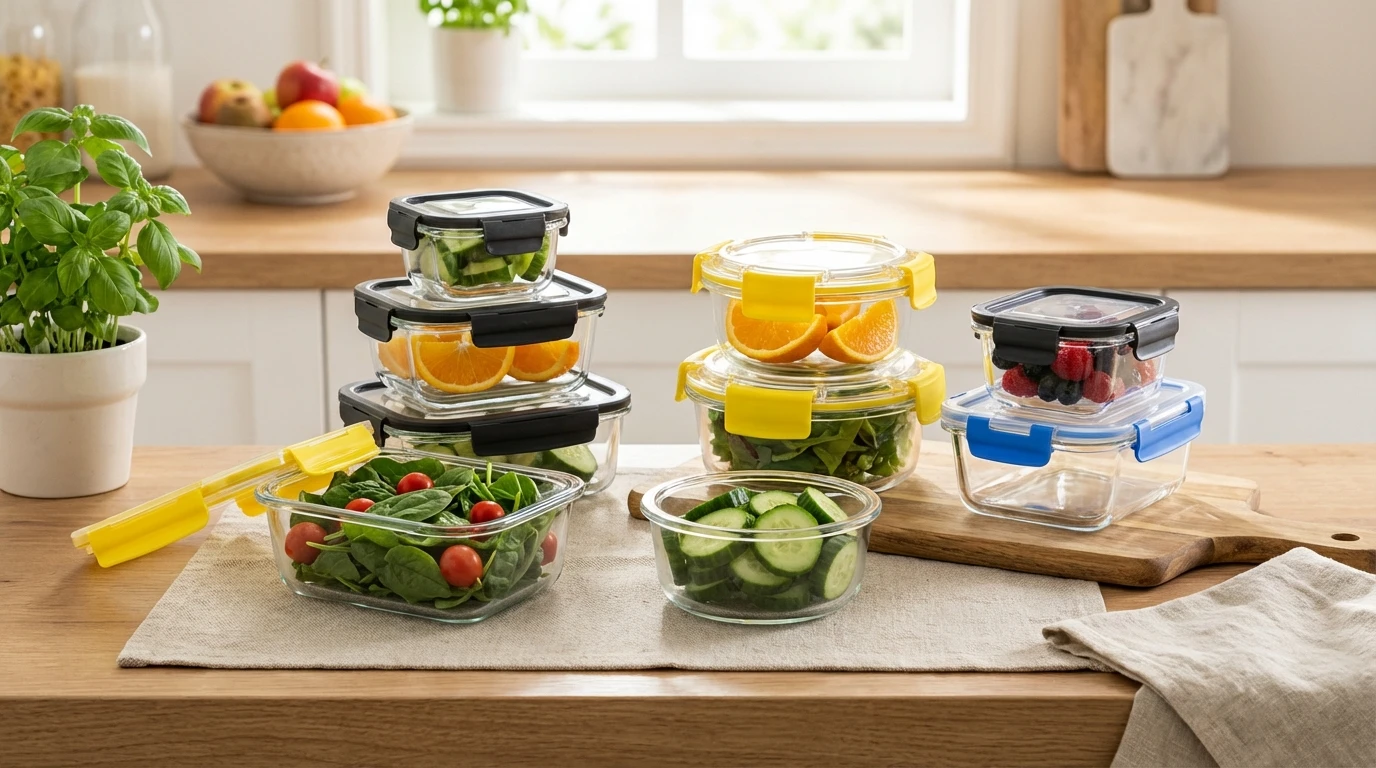
Durable Glass Food Container Set for Industrial & Home Use | Yinto Glassware
Why Choosing the Right glass food container set Matters in Industry and Home
Having worked in the industrial equipment sector for over a decade, I’ve come across products that seem deceptively simple but carry a lot of engineering thought behind them. Glass food container sets, while common in kitchens everywhere, are no exception. Frankly, there’s more to them than just pretty storage; they have to withstand thermal stress, be easy to clean, and ideally last a lifetime. Oddly enough, it was during routine factory inspections that I really started appreciating their design nuances.
In real terms, these containers bridge industrial-grade quality and consumer convenience — a hybrid product reflecting modern manufacturing finesse. Many engineers I know emphasize tempered glass as a key component because it balances durability with safety. You remember those stories about glass shards? Tempering reduces risks and, oddly, makes the container feel reassuringly sturdy in hand.
Beyond materials, the design of lids needs a shout-out. Silicone seals with airtight snap locks are game changers for meal preppers and industrial clients alike. That airtight feature means your carry-on food stays fresh longer, and for factories, it reduces contamination risk. I noticed one of our clients swearing by these sets for their staff cafeteria, citing fewer messes and less food waste — which, in industrial terms, translates to productivity and cost savings.
Product Specifications at a Glance
| Feature | Details |
|---|---|
| Material | Tempered borosilicate glass (FDA approved) |
| Lid Type | Silicone seal with latch locks (BPA free) |
| Temperature Resistance | -20°C to 400°C (suitable for freezer, microwave, oven) |
| Capacity Options | 200ml, 400ml, 700ml, 1L, 1.5L |
| Shape | Square and rectangular variants for stackability |
| Certifications | FDA, LFGB, SGS |
Customization? That’s another aspect where industrial thinking shines through. We often get asked to tweak lid colors, emboss logos, or adjust container volumes. Not just cosmetic – these tweaks make it easier for enterprises to maintain uniform branding and handle bulk inventory better. Even small markers or QR codes can help streamline workflows in complex food production lines.
How Does This Set Compare to Other Vendors?
| Vendor | Glass Quality | Lid Seal | Temperature Range | Customization |
|---|---|---|---|---|
| Yinto Glassware | Tempered Borosilicate (High Grade) | Silicone Snap Lids (BPA-Free) | -20°C to 400°C | Yes – colors, logos, sizes |
| Vendor A | Standard Glass | Plastic Snap Lid | 0°C to 200°C | Limited |
| Vendor B | Tempered Glass (Mid Grade) | Silicone Lid (No Latch) | -10°C to 350°C | No |
From my time consulting quality control departments, I can tell you the industry buzz is that Yinto's glass sets are simply reliable. I suppose that goes to show how much industrial-grade testing and certifications (think FDA and SGS) matter beyond marketing fluff.
One anecdote that sticks with me: a regional catering firm invested in these glass sets after a few disappointing runs with cheaper containers. Their operations manager told me they saw a clear reduction in breakage and spoilage, cutting waste by almost 30%. That’s not just a number – it’s improved morale and better margins in an unforgiving market.
So, if you’re in the market for a glass food container set, whether for a busy commercial kitchen, food production, or your home pantry, it feels right to invest in one that marries clever design with proven durability.
To round off, always consider the container’s lifecycle: from raw material sourcing to end-user experience. Industrial insights tell you a little extra upfront saves headaches (and costs) down the line.
Here's a quick takeaway — good glass containers keep food safe, fresh, and you sane.
References
- FDA Guidelines on Food Contact Materials – fda.gov
- SGS Product Testing Reports – sgs.com
- "Borosilicate Glass: Properties and Uses" – Industrial Ceramics Journal, 2021
-
Ultimate Guide to Choosing Big Glass Storage Containers for Every NeedNewsApr.16,2026
-
Small Glass Lunch Containers Guide for Healthy Meal PrepNewsApr.09,2026
-
Comprehensive Guide to Choosing the Best Storage Containers for Dishes and GlassesNewsApr.07,2026
-
Selecting The Optimal 300ml Food Containers For Your Business NeedsNewsApr.04,2026
-
Discover the Benefits of Durable 3 Cup Glass Food Storage ContainersNewsMar.31,2026
-
Comprehensive Guide to Choosing Superior Glass Divided Food ContainersNewsMar.28,2026
![[Extra Large with Handle] Oven Safe Glass Food Storage Container with Airtight Locking Lid & Handle, Oven Safe Dishwasher Safe](https://images.exportstart.com/images/a1251/extra-larger-glass-container-with-snap-locking-lid-164.webp "[Extra Large with Handle] Oven Safe Glass Food Storage Container with Airtight Locking Lid & Handle, Oven Safe Dishwasher Safe")
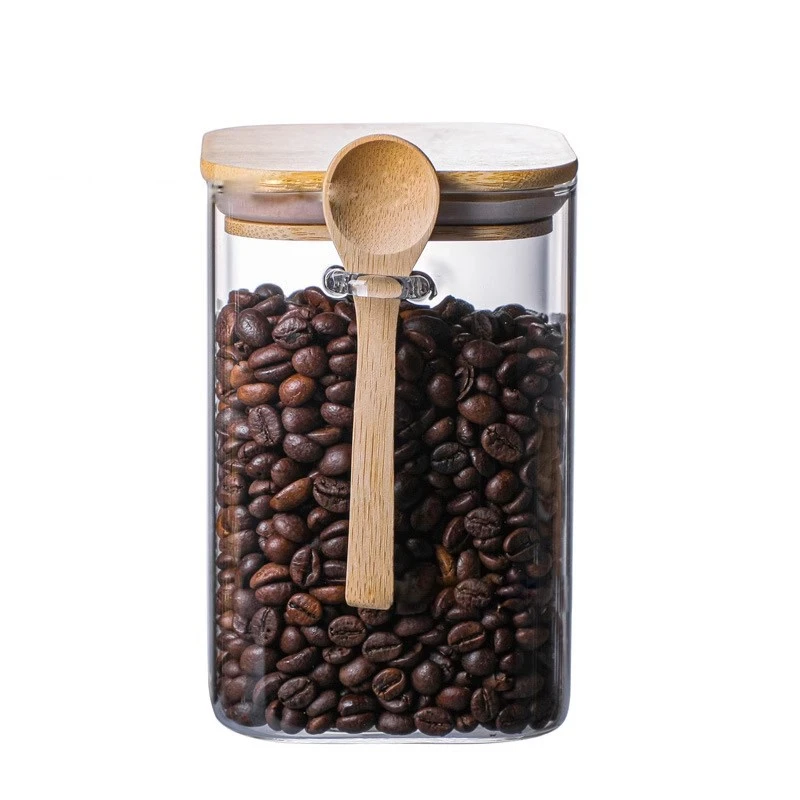
![[All Microwave Safe] High Borosilicate Glass Food Storage Container , Oven Safe without Lid, Dishwasher Safe](https://images.exportstart.com/images/a1251/squre-glass-container-with-glass-lid-518.webp "[All Microwave Safe] High Borosilicate Glass Food Storage Container , Oven Safe without Lid, Dishwasher Safe")
![[Sliding Vent PP Lid] Borosilicate Glass Food Storage Containers with Food-grade Plastic Lid, Airtight, Leak Resistant](https://images.exportstart.com/images/a1251/glass-food-storage-container-with-airtight-lid-183.webp "[Sliding Vent PP Lid] Borosilicate Glass Food Storage Containers with Food-grade Plastic Lid, Airtight, Leak Resistant")
![[Large Skylight Glass Lid] Glass Food Storage Container, Oven Safe with Lid, BPA Free, 100% Leak resistant](https://images.exportstart.com/images/a1251/glass-lid-food-storage-container-1-1-196.webp "[Large Skylight Glass Lid] Glass Food Storage Container, Oven Safe with Lid, BPA Free, 100% Leak resistant")
![[Colorful Vent PP Lid] Glass Food Storage Container, BPA Free, Leakproof, Dishwasher Safe](https://images.exportstart.com/images/a1251/002-1-639.webp "[Colorful Vent PP Lid] Glass Food Storage Container, BPA Free, Leakproof, Dishwasher Safe")
![[Color Vent PP Lid] Borosilicate Glass Food Storage Container, Leakproof, Dishwasher Safe](https://images.exportstart.com/images/a1251/1-941.webp "[Color Vent PP Lid] Borosilicate Glass Food Storage Container, Leakproof, Dishwasher Safe")
![[Vacuum AS] Food Storage Container with Pump](https://images.exportstart.com/images/a1251/7-1-397.webp "[Vacuum AS] Food Storage Container with Pump")