 TEL: +86 18903393212
 Email: tina@yintoglassware.com

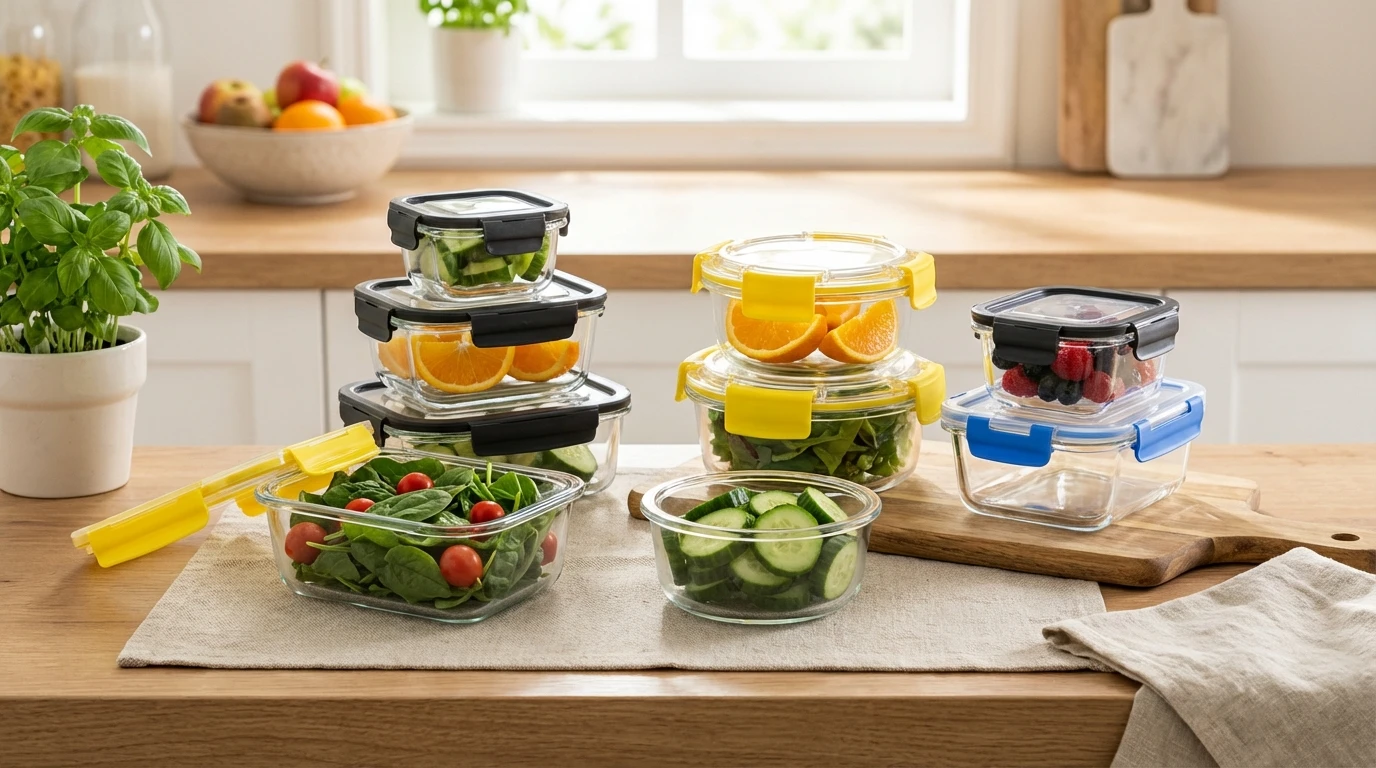
Glass Container with Plastic Lid: Leakproof, BPA-Free?
Field Notes on a Workhorse: The Kitchen-Grade Glass Container That Actually Delivers
If you cook at home or run a café, you already know the quiet power of a dependable glass container111 with plastic lid. I’ve tested lots; a few impress, many don’t. This one—Yinto’s “Glass Container With Plasitic Lid For Food”—lands in the rare useful-forever category. To be honest, it’s the temperature performance and the gasket engineering that won me over.
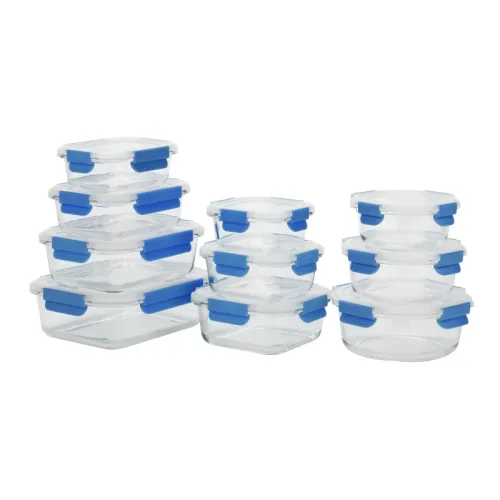
Industry snapshot
Meal-prep and “glass over plastic” trends aren’t slowing. Buyers want oven-to-fridge versatility, leakproof commuting, and fewer micro-scratches (read: smells) than PP tubs. The shift to high borosilicate—rather than soda-lime—has quietly become the premium baseline, especially for brands that care about thermal shock performance and transparency.
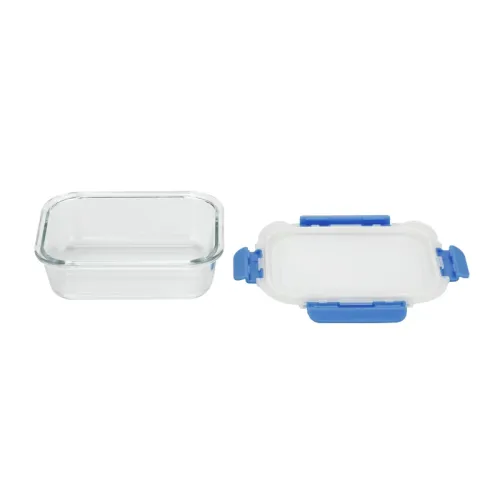
What matters technically (and why)
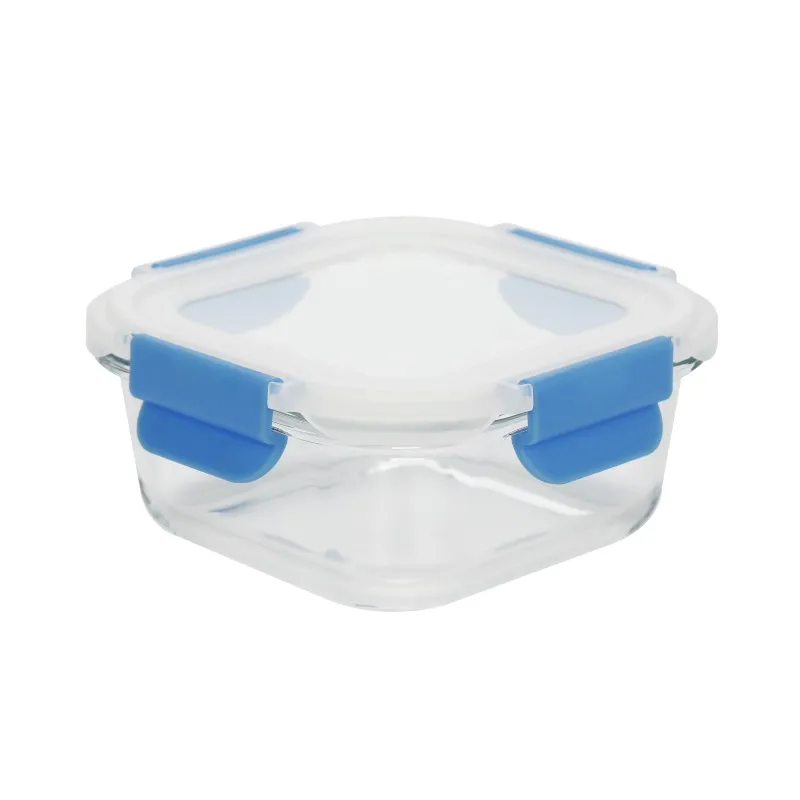
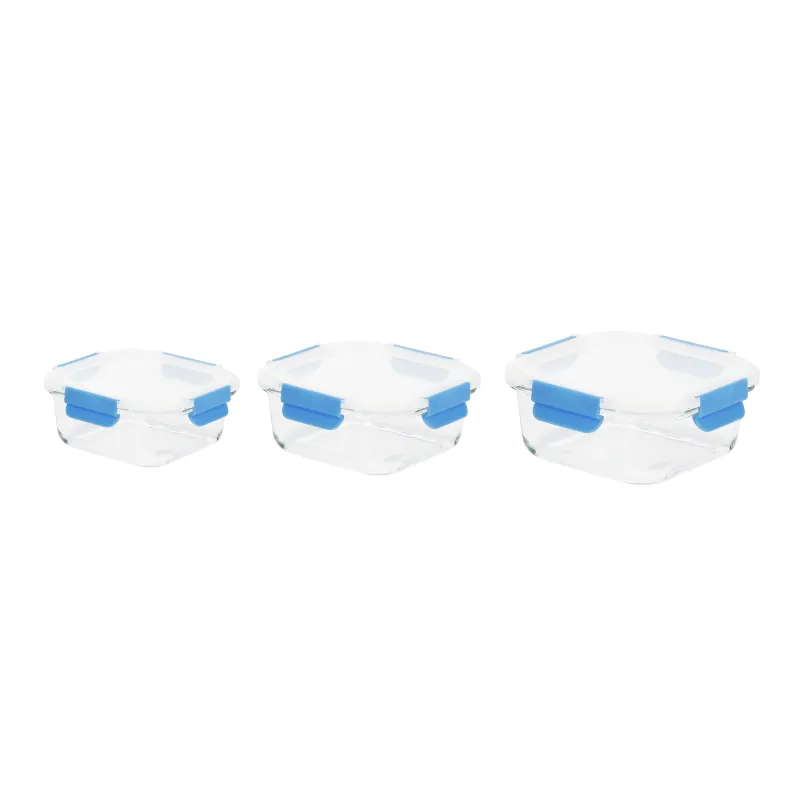
The glass here is heat-resistant high borosilicate rated ≈ −20°C to 560°C, with a 120°C thermal shock tolerance. The lid is PP with four removable snap locks plus a silicone gasket. In real-world use, you get airtight, leakproof carry and fast cleanup. Oven and microwave? Use the glass; the lid is microwaveable but keep it below ~110°C and avoid conventional ovens. It’s FDA, LFGB, EU 1935/2004, and DGCCRF compliant—which matters if you’re selling across regions.
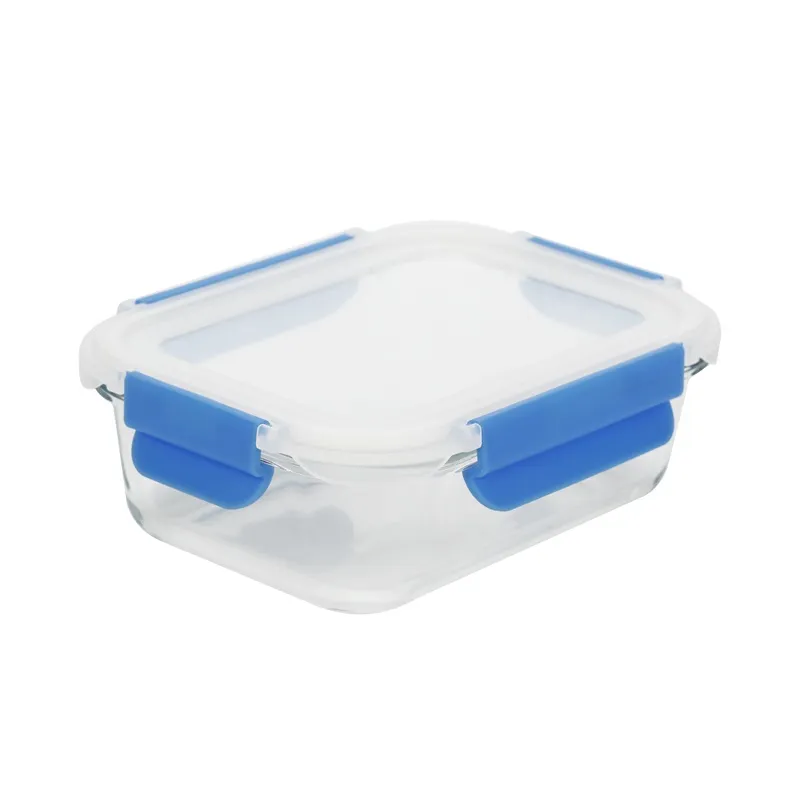
Product specs (abbrev.)
| Glass type | High borosilicate, annealed; low expansion |
| Temp range | ≈ −20°C to 560°C (thermal shock ≈120°C) |
| Lid | PP with 4 snap locks; removable silicone gasket |
| Compatibility | Microwave, Oven (glass only), Freezer, Dishwasher |
| Materials safety | Food-grade; BPA-free; lead-free |
| Certifications | FDA, LFGB, EU 1935/2004, DGCCRF |
From sand to seal: process and testing
Materials: high-boro glass batch; PP resin (21 CFR 177.1520 compliant); platinum-cured silicone (LFGB/FCM compliant).
Methods: precision melt and anneal; injection-molded lids; compression-molded gasket; assembled and torque-checked.
Testing: Thermal shock to EN 1183/ASTM C148; migration per EU 10/2011 and LFGB; leak test (30 min inverted at 45°C); latch life ≈10,000 cycles; dishwasher cycles ≈1,000 (real-world may vary).
Service life: glass 5–10 years typical; lid/gasket 2–4 years with daily use.
Where it shines
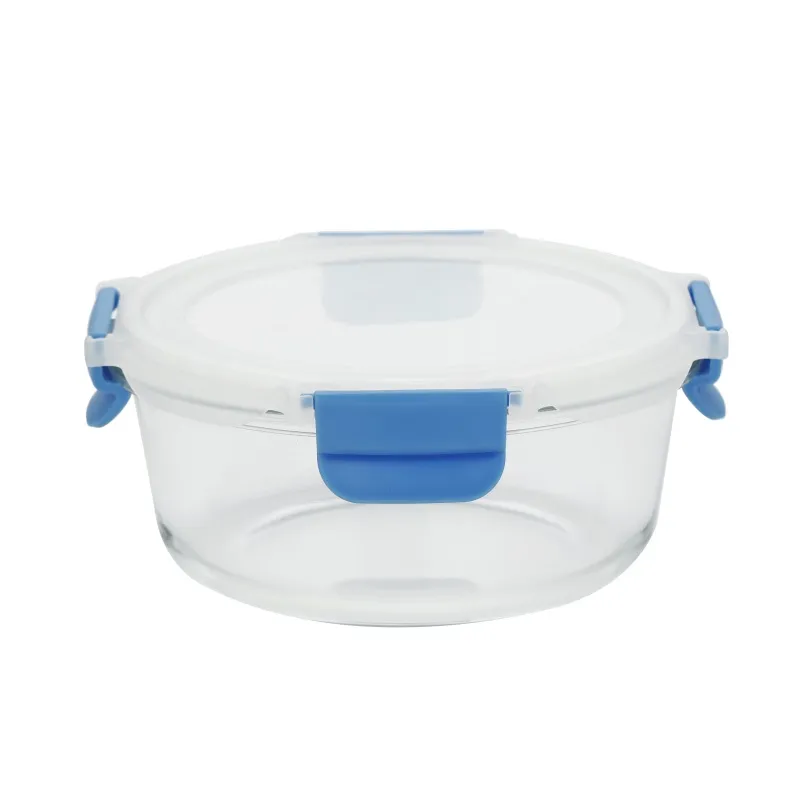
Meal-prep operations, deli counters, cloud kitchens, and, sure, your Tuesday leftovers. Many customers say the latch tension feels “just right”—secure but not annoying. I guess that’s the kind of detail you only notice after a spill that doesn’t happen.
Vendor comparison (quick take)
| Criteria | Yinto Glassware (Hebei, China) | Generic OEM | Low-cost Importer |
|---|---|---|---|
| Glass grade | High boro (consistent) | Mixed | Often soda-lime |
| Certs | FDA/LFGB/EU/DGCCRF | Varies | Limited |
| Lead time | ≈ 25–35 days | 30–45 days | Unpredictable |
| Customization | Shapes, prints, lid colors | Limited | Minimal |
| After-sales | Documented QC, fast | OK | Thin |
Customization and branding
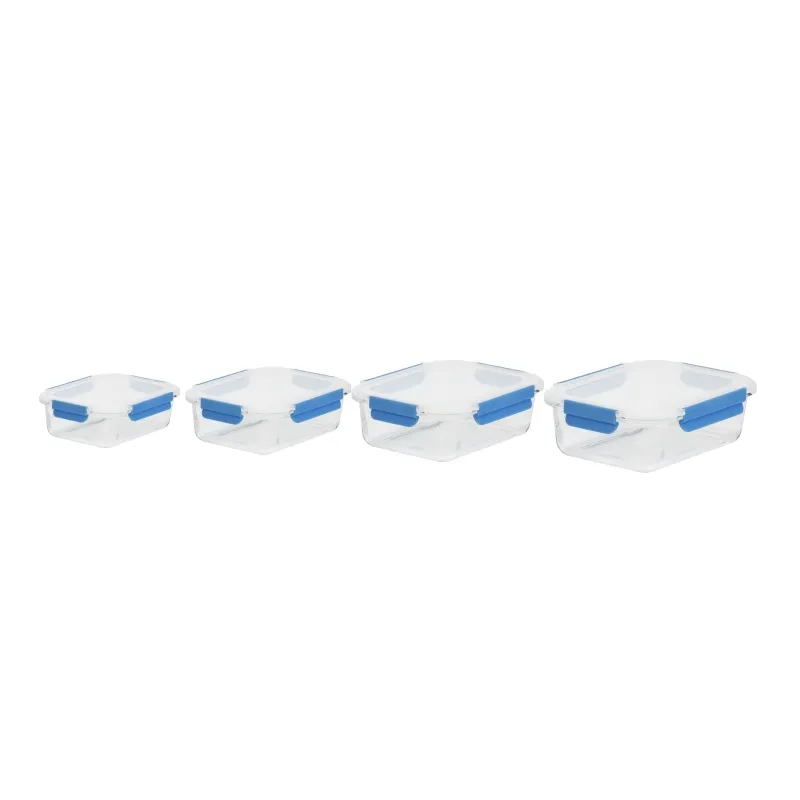
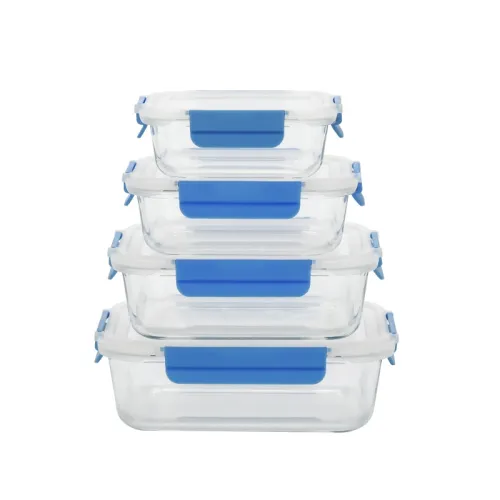
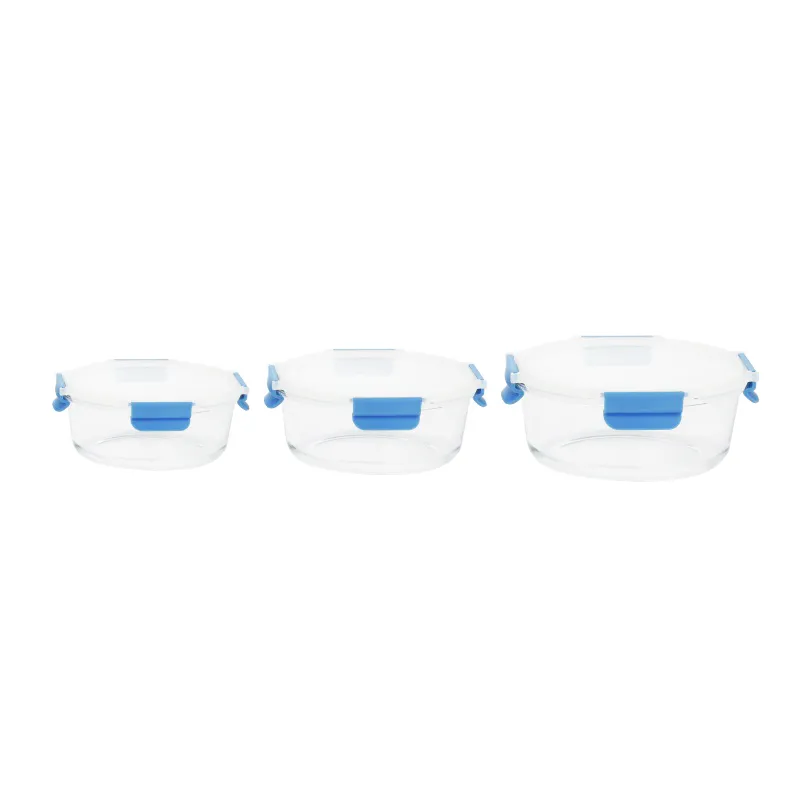
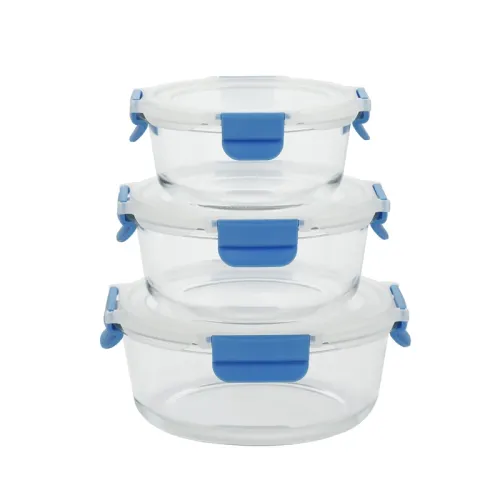
Options include round/rectangular sizes, frosted or clear, laser-etched or printed logos, and lid colors to match your brand. Private label packs with barcode-ready boxes—handy if you sell online. Origin: Room 8019, Hengju Building, No.473 Zhonghua South Street, Shijiazhuang City, Hebei, China.
Two quick case notes
- Meal-kit brand (EU): Cut leakage returns by ≈72% after switching to glass container111 with plastic lid sets with thicker gaskets.
- Café chain (US): Standardized portioning with 3 sizes; dishwash downtime dropped as glass resisted haze and odors better than PP tubs.
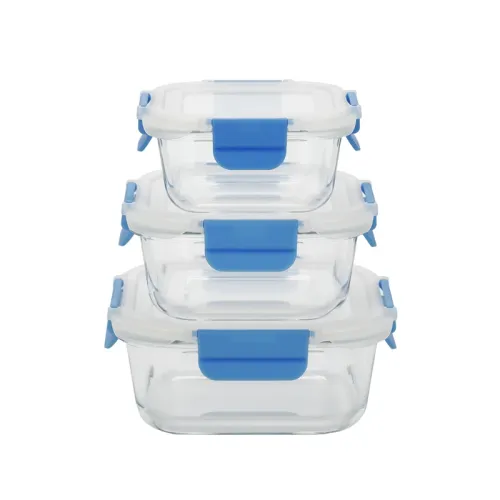
Final thought: a reliable glass container111 with plastic lid should be boring—in the best way. No cracks from freezer-to-oven transitions, no mystery smells, and no leaks in your laptop bag. This one behaves.
Standards and references
- EN 1183: Glass container111s — Resistance to thermal shock
- ASTM C148: Thermal Shock Resistance of Glass Containers
- EU Regulation No. 1935/2004 on materials intended to contact food
- Commission Regulation (EU) No 10/2011 on plastic materials for food contact
- LFGB (Germany) §§30/31 Food and Commodities Act
- FDA 21 CFR 177.1520 (Olefin polymers) and 177.2600 (Rubber articles)
- DGCCRF guidance on food-contact materials (France)
-
Ultimate Guide to Choosing Big Glass Storage Containers for Every NeedNewsApr.16,2026
-
Small Glass Lunch Containers Guide for Healthy Meal PrepNewsApr.09,2026
-
Comprehensive Guide to Choosing the Best Storage Containers for Dishes and GlassesNewsApr.07,2026
-
Selecting The Optimal 300ml Food Containers For Your Business NeedsNewsApr.04,2026
-
Discover the Benefits of Durable 3 Cup Glass Food Storage ContainersNewsMar.31,2026
-
Comprehensive Guide to Choosing Superior Glass Divided Food ContainersNewsMar.28,2026
![[Extra Large with Handle] Oven Safe Glass Food Storage Container with Airtight Locking Lid & Handle, Oven Safe Dishwasher Safe](https://images.exportstart.com/images/a1251/extra-larger-glass-container-with-snap-locking-lid-164.webp "[Extra Large with Handle] Oven Safe Glass Food Storage Container with Airtight Locking Lid & Handle, Oven Safe Dishwasher Safe")
![[All Microwave Safe] High Borosilicate Glass Food Storage Container , Oven Safe without Lid, Dishwasher Safe](https://images.exportstart.com/images/a1251/squre-glass-container-with-glass-lid-518.webp "[All Microwave Safe] High Borosilicate Glass Food Storage Container , Oven Safe without Lid, Dishwasher Safe")
![[Sliding Vent PP Lid] Borosilicate Glass Food Storage Containers with Food-grade Plastic Lid, Airtight, Leak Resistant](https://images.exportstart.com/images/a1251/glass-food-storage-container-with-airtight-lid-183.webp "[Sliding Vent PP Lid] Borosilicate Glass Food Storage Containers with Food-grade Plastic Lid, Airtight, Leak Resistant")
![[Large Skylight Glass Lid] Glass Food Storage Container, Oven Safe with Lid, BPA Free, 100% Leak resistant](https://images.exportstart.com/images/a1251/glass-lid-food-storage-container-1-1-196.webp "[Large Skylight Glass Lid] Glass Food Storage Container, Oven Safe with Lid, BPA Free, 100% Leak resistant")
![[Colorful Vent PP Lid] Glass Food Storage Container, BPA Free, Leakproof, Dishwasher Safe](https://images.exportstart.com/images/a1251/002-1-639.webp "[Colorful Vent PP Lid] Glass Food Storage Container, BPA Free, Leakproof, Dishwasher Safe")
![[Color Vent PP Lid] Borosilicate Glass Food Storage Container, Leakproof, Dishwasher Safe](https://images.exportstart.com/images/a1251/1-941.webp "[Color Vent PP Lid] Borosilicate Glass Food Storage Container, Leakproof, Dishwasher Safe")
![[Vacuum AS] Food Storage Container with Pump](https://images.exportstart.com/images/a1251/7-1-397.webp "[Vacuum AS] Food Storage Container with Pump")