 TEL: +86 18903393212
 Email: tina@yintoglassware.com

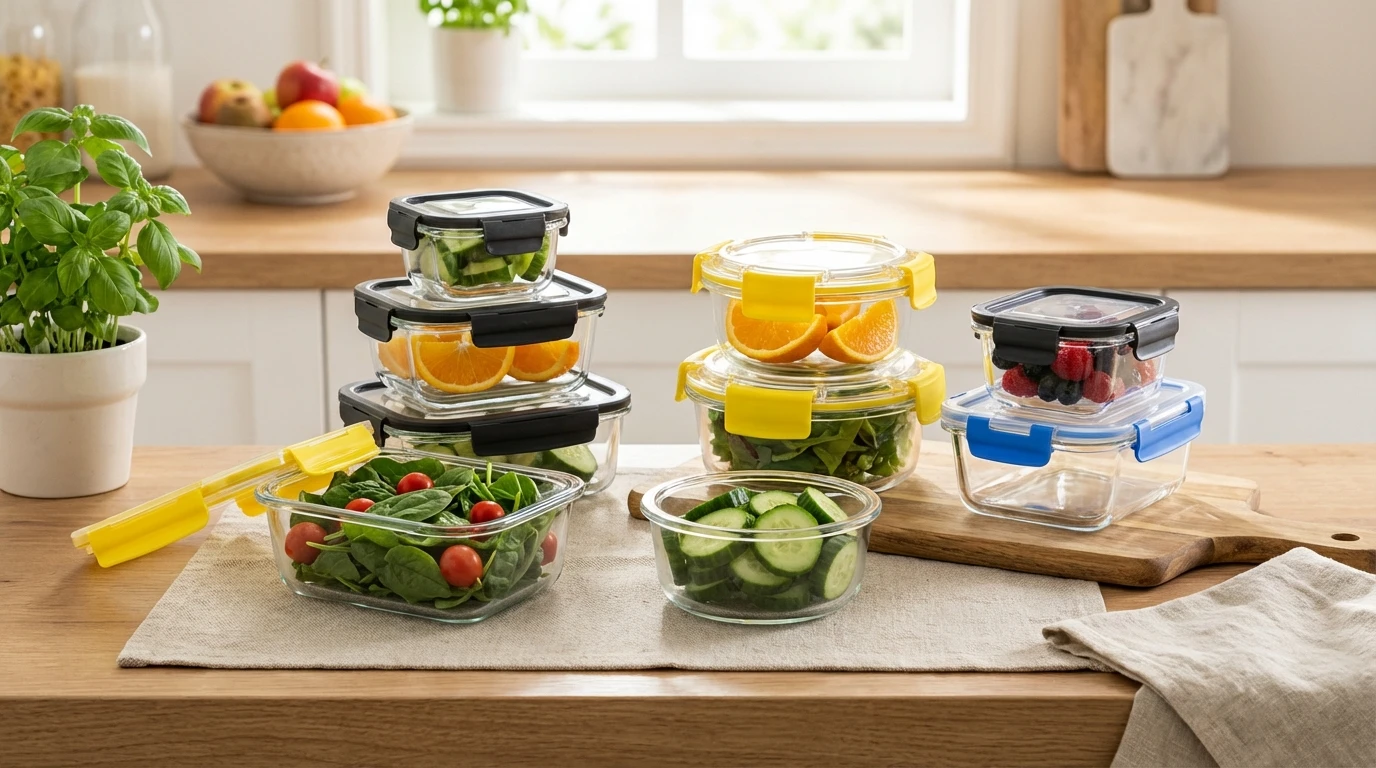
Discover the Benefits of the 250 ml Glass Water Bottle – Sustainable & Practical Hydration
Why the 250 ml Glass Water Bottle Matters Today
Let’s start by thinking globally. A humble 250 ml glass water bottle might seem like just a small container on a shop shelf, but in truth, it’s tied to some surprisingly big issues—from sustainability challenges to changing consumer habits worldwide.
Worldwide, plastic pollution is a growing concern. According to the United Nations Environment Programme, about 300 million tons of plastic waste are produced annually, much of it from single-use bottles. Switching to glass alternatives, especially compact sizes like 250 ml, offers an impactful way to reduce this footprint. On top of that, smaller bottles can be more practical for individual hydration needs while supporting reuse and recycling.
So, understanding what makes the 250 ml glass water bottle such an important piece in the global puzzle means appreciating both environmental and industry trends working hand in hand.
Introduction: Navigating the Global Landscape of Glass Bottles
It’s fascinating how a tiny 250 ml bottle connects to so many global figures. For instance, the World Bank estimates the global bottled water market was valued over $217 billion in 2022, with glass bottles quietly growing in demand as consumers seek premium, eco-friendly solutions.
The 250 ml glass water bottle is a common sight in everything from boutique cafes to airline amenities. But there’s also a deeper challenge it addresses: balancing portability with sustainability. That little size hits a sweet spot—it’s just enough liquid for short-term use, reducing waste from unfinished bottles, while glass provides an easily recyclable or reusable container.
Imagine a population increasingly conscious of environmental footprints but also craving convenience. That tension is where 250 ml glass bottles step in.
What Exactly Is a 250 ml Glass Water Bottle?
In simplest terms, it’s a small-sized (around one cup water volume) reusable or single-use container made primarily of glass designed to hold drinking water. Glass, often made from silica combined with other minerals, offers purity that plastic alternatives struggle to match. No leaching of chemicals, no funky aftertaste, just clean, fresh water.
Beyond just design, these bottles have found relevance in industries like hospitality, healthcare, and humanitarian sectors that value hygiene and sustainability. For humanitarian groups working in remote areas, glass bottles can be sterilized easily, reused multiple times, or collected for recycling—something plastic struggles with.
Core Features to Look For in 250 ml Glass Water Bottles
- Durability: Toughened glass or tempered options also exist to reduce breakage yet keep clarity.
- Leak-Proof Sealing: Whether via screw caps, corks or silicone lids, preventing leaks is critical, especially in travel.
- Lightweight Design: Even though glass is heavier than plastic, advances in bottle wall thickness reduce weight for portability.
- Customizability: From labels to embossing, branding matters. Many businesses use this size bottle to stand out on shelves.
- Thermal Stability: Glass maintains temperature better than plastic but is brittle at temperature shocks, impacting logistic choices.
- Recyclability: With glass recyclable endlessly, this adds to long-term environmental benefits over plastics.
Real-World Uses for the 250 ml Glass Water Bottle
It’s really interesting to see how different sectors put these little bottles to work. For example:
- Hospitality Industry: Boutique hotels and airlines often provide small glass bottles as part of upscale water service—better taste, classy look, and eco-positive impressions.
- Healthcare Facilities: Clinics use sterile glass bottles to ensure safe water delivery where contamination risks must be minimized.
- Disaster Relief: NGOs operating in disaster zones sometimes opt for reusable glass bottles to supply safe drinking water while promoting sustainability in fragile communities.
- Sports & Wellness: The rising trend in wellness centers favors glass bottles for their purity and sleek design.
- Everyday Consumer Use: Urban professionals who crave refillable, toxin-free water containers select 250 ml glass bottles for grab-and-go practicality.
Product Specification Table
| Specification | Detail |
|---|---|
| Capacity | 250 ml (approx. 8.5 fl oz) |
| Material | Borosilicate or soda-lime glass |
| Height | Approx. 15 cm (6 inches) |
| Diameter | 5 cm (2 inches) |
| Closure Type | Screw cap / Cork / Flip cap options |
| Weight | ~170 grams |
Advantages & Long-Term Value of the 250 ml Glass Water Bottle
Beyond those physical features, there’s long-term value in choosing glass bottles of this size. Imagine the peace of mind knowing your bottle doesn’t leach chemicals or degrade after multiple washes. Glass also has the emotional appeal of clarity and purity — the water looks as good as it tastes.
For businesses, the 250 ml bottle offers cost efficiency by reducing waste and leveraging repeated reuse or high recyclability. Plus, it aligns perfectly with circular economy goals and consumer expectations around sustainability. I noticed many companies proudly mention "BPA-free" on packaging — but glass goes even further since there’s nothing synthetic involved in the container itself.
Future Trends: Innovation Around Glass Bottles
Looking ahead, I’m intrigued by some emerging trends:
- Smart Caps: Technology embedding freshness sensors or hydration reminders into bottle caps is gaining traction.
- Improved Glass Compositions: Stronger, thinner glass allows lighter bottles with fewer breakages.
- Sustainable Manufacturing: Manufacturers are increasingly committing to renewable energy sources and low-emission processes.
- Design Customization: Digital printing and molding techniques enable bespoke branding that adds value without bulky packaging.
These innovative ideas transform the seemingly simple 250 ml glass water bottle into a modern product, ready for the next decade.
Common Challenges and How They’re Overcome
No product is without flaws, right? The most obvious challenge with glass bottles—is the risk of breakage, especially in rugged environments. Yet, reinforced glass, protective silicone sleeves, and smart packaging innovations are mitigating this quite well.
Weight is another sticking point. Though smaller than typical bottles, glass still weighs more than plastic, affecting shipping costs. Clever logistical strategies, such as local manufacturing and refill stations, are a growing solution.
Plus, to ensure environmental perks aren’t nullified by production footprints, many vendors optimize energy efficiency and source recycled glass.
FAQ: Your Questions on 250 ml Glass Water Bottles Answered
- Q: Is a 250 ml glass water bottle practical for everyday use compared to larger sizes?
- A: Absolutely! Its compact size makes it perfect for short trips, desk use, or controlled hydration. Many find it easier to carry without bulk, encouraging better refilling habits and reducing waste from unfinished bottles.
- Q: How safe are glass water bottles compared to plastics?
- Glass bottles are chemical-free, non-porous, and don’t leach any substances into your water, unlike some plastics. They’re also easier to sterilize, making them especially suitable for healthcare or hygiene-conscious users.
- Q: Can the 250 ml glass water bottle be customized for branding?
- Yes! A variety of printing, labeling, and embossing methods allow businesses to give bottles a unique look while maintaining eco-friendly credentials—ideal for boutique or premium brands.
- Q: What are the best conditions for storing or transporting glass bottles?
- Proper packaging with padding or sleeves, avoiding temperature shocks, and minimizing drops are key. Many vendors supply protective accessories and encourage local distribution networks to reduce risks.
- Q: Where can I source quality 250 ml glass water bottles?
- Manufacturers like YinTo Glassware provide a range of high-quality bottles with certifications ensuring safety and sustainability. You can check their latest collection here.
Vendor Comparison Table
| Vendor | Material Quality | Customization Options | Sustainability Certifications | Price per Unit (USD) |
|---|---|---|---|---|
| YinTo Glassware | Borosilicate Glass | Full digital printing, embossing | ISO 14001, SGS Certified | $1.20 |
| ClearPure Supplies | Soda-Lime Glass | Screen printing only | None | $0.95 |
| EcoGlass Co. | Recycled Glass | Limited label application | Cradle to Cradle Certified | $1.10 |
Wrapping It Up
It may seem a little bottle, but when you zoom out, the 250 ml glass water bottle speaks to some essential themes of our time: sustainability, health, and smart use of resources. Whether you’re a business pursuing eco-conscious branding or an individual seeking pure hydration, these glass bottles hit a unique sweet spot. They’re small, elegant, and above all, endlessly recyclable.
If you’re keen to explore the latest designs or bulk supply options, be sure to visit YinTo Glassware — they really seem to understand where demand meets innovation.
Remember, every little change counts in the big fight against plastic waste. Even a 250 ml bottle can lead to big impact — that’s the kind of simple magic I like thinking about.
References:
1. United Nations Environment Programme, Plastic Pollution Facts (2023).
2. World Bank, Global Bottled Water Market Report (2022).
3. ISO Standards on Sustainable Packaging (ISO 18601:2013).
-
Ultimate Guide to Choosing Big Glass Storage Containers for Every NeedNewsApr.16,2026
-
Small Glass Lunch Containers Guide for Healthy Meal PrepNewsApr.09,2026
-
Comprehensive Guide to Choosing the Best Storage Containers for Dishes and GlassesNewsApr.07,2026
-
Selecting The Optimal 300ml Food Containers For Your Business NeedsNewsApr.04,2026
-
Discover the Benefits of Durable 3 Cup Glass Food Storage ContainersNewsMar.31,2026
-
Comprehensive Guide to Choosing Superior Glass Divided Food ContainersNewsMar.28,2026
![[Extra Large with Handle] Oven Safe Glass Food Storage Container with Airtight Locking Lid & Handle, Oven Safe Dishwasher Safe](https://images.exportstart.com/images/a1251/extra-larger-glass-container-with-snap-locking-lid-164.webp "[Extra Large with Handle] Oven Safe Glass Food Storage Container with Airtight Locking Lid & Handle, Oven Safe Dishwasher Safe")
![[All Microwave Safe] High Borosilicate Glass Food Storage Container , Oven Safe without Lid, Dishwasher Safe](https://images.exportstart.com/images/a1251/squre-glass-container-with-glass-lid-518.webp "[All Microwave Safe] High Borosilicate Glass Food Storage Container , Oven Safe without Lid, Dishwasher Safe")
![[Sliding Vent PP Lid] Borosilicate Glass Food Storage Containers with Food-grade Plastic Lid, Airtight, Leak Resistant](https://images.exportstart.com/images/a1251/glass-food-storage-container-with-airtight-lid-183.webp "[Sliding Vent PP Lid] Borosilicate Glass Food Storage Containers with Food-grade Plastic Lid, Airtight, Leak Resistant")
![[Large Skylight Glass Lid] Glass Food Storage Container, Oven Safe with Lid, BPA Free, 100% Leak resistant](https://images.exportstart.com/images/a1251/glass-lid-food-storage-container-1-1-196.webp "[Large Skylight Glass Lid] Glass Food Storage Container, Oven Safe with Lid, BPA Free, 100% Leak resistant")
![[Colorful Vent PP Lid] Glass Food Storage Container, BPA Free, Leakproof, Dishwasher Safe](https://images.exportstart.com/images/a1251/002-1-639.webp "[Colorful Vent PP Lid] Glass Food Storage Container, BPA Free, Leakproof, Dishwasher Safe")
![[Color Vent PP Lid] Borosilicate Glass Food Storage Container, Leakproof, Dishwasher Safe](https://images.exportstart.com/images/a1251/1-941.webp "[Color Vent PP Lid] Borosilicate Glass Food Storage Container, Leakproof, Dishwasher Safe")
![[Vacuum AS] Food Storage Container with Pump](https://images.exportstart.com/images/a1251/7-1-397.webp "[Vacuum AS] Food Storage Container with Pump")