 TEL: +86 18903393212
 Email: tina@yintoglassware.com

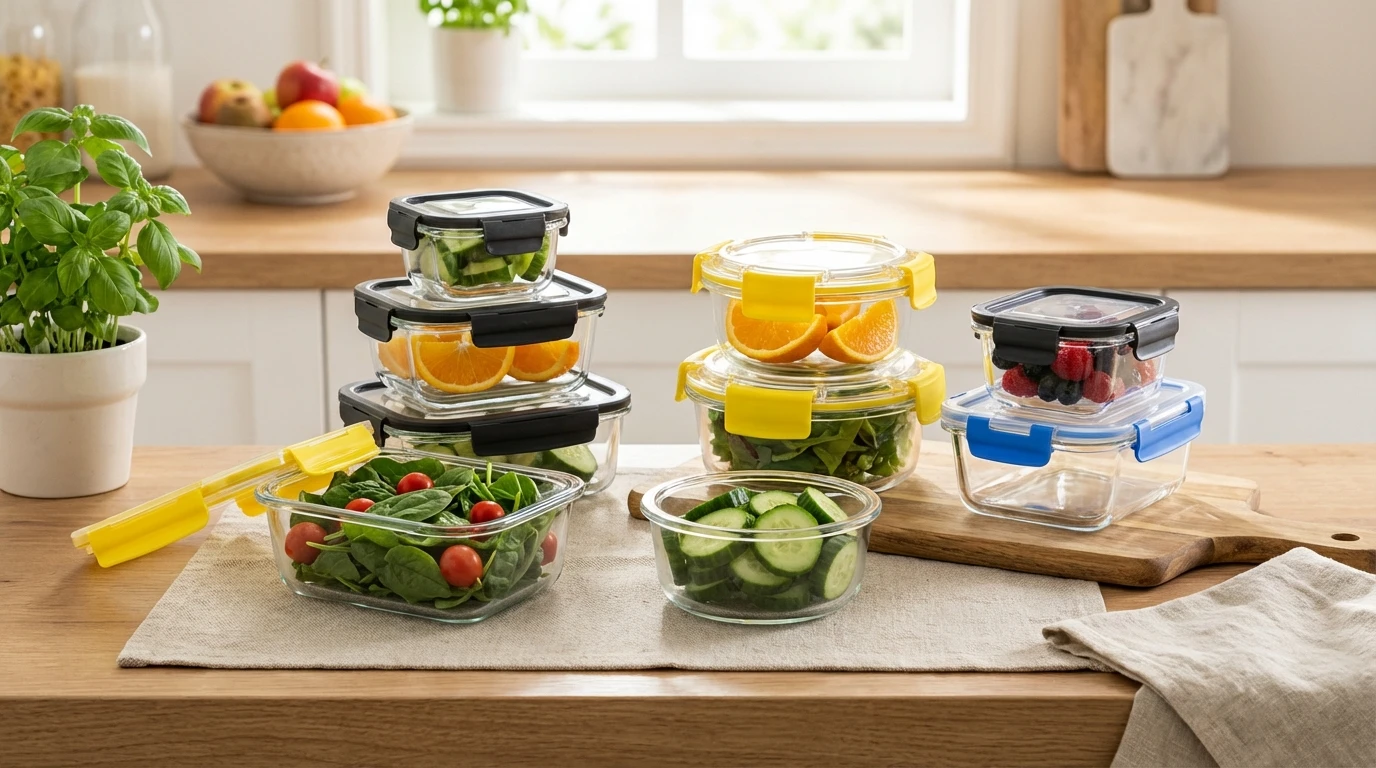
Discover Sustainable Style With Bamboo Glass Bottles | Eco-Friendly & Durable
The Rise of the Bamboo Glass Bottle: A Sustainable Solution for Modern Times
You've probably heard about bamboo as a wonderfully fast-growing, eco-friendly material. But when it gets combined with the classic elegance of glass, the result is something truly innovative — the bamboo glass bottle. It’s more than just a niche product; it’s a symbol of today's growing global focus on sustainability, reducing plastic waste, and blending nature with function. Understanding why these bottles matter on a global scale can give us clues about the future of everyday items that cause less harm and bring more style.
Global Context: Why Bamboo Glass Bottles Matter Now
The world is literally drowning in single-use plastics. According to the United Nations Environment Programme, over 300 million tons of plastic are produced globally each year, with at least 8 million tons ending up in our oceans annually (1). Glass is a durable alternative but often expensive and fragile. Bamboo, on the other hand, grows remarkably fast — some species can mature within 3-5 years, unlike hardwood trees that might take decades. When combined, bamboo glass bottles potentially address two big concerns:
- Reducing plastic dependency: Offering a reusable, biodegradable option.
- Harnessing renewable resources: Bamboo's renewability complements glass’s recyclability.
This combo is catching attention from industries aiming for circular economy models—think food and beverage companies, eco-conscious retailers, and even humanitarian organizations wanting sustainable packaging for critical relief supplies.
What Is a Bamboo Glass Bottle, Exactly?
Simply put, a bamboo glass bottle is a reusable container made primarily of glass but encased or wrapped with bamboo elements, like a bamboo sleeve, cap, or decorative exterior. This design merges bamboo’s natural protective qualities and grip with the purity and inertness of glass. It’s a product that mixes modern manufacturing with traditional materials.
Industrially, it serves well for health-focused beverage packaging because bamboo is naturally antimicrobial, while glass ensures flavors stay clean without chemical leaching — a perfect fit for cold brew coffee, infused waters, or even essential oils. On a humanitarian front, bamboo glass bottle designs have been referenced for safe water transportation in remote or disaster-stricken areas (2).
Key Factors That Define Bamboo Glass Bottles
Durability & Protection
The bamboo shell acts like a shock absorber. While glass can shatter easily, bamboo adds a protective layer that lessens the risk of breakage in daily handling, plus it’s naturally resistant to moisture and mildew.
Sustainability
Bamboo is one of the fastest renewable resources on Earth. It requires minimal pesticides, captures more CO₂ than many plants, and regrows quickly after harvest, making the bottle eco-conscious from cradle to shelf.
Aesthetic Appeal
There’s a warm, organic look that bamboo brings to glass, tapping into the trend of natural living and mindfulness. Many companies brand these bottles as both functional and artful, an item you’d feel good about displaying.
Cost Efficiency
Bamboo sleeves and caps add a moderate cost compared to pure glass bottles, but long-term reusability and the branding premium often outweigh initial investments. Plus, bamboo supplies are abundantly grown in Asia and parts of Africa, keeping prices reasonable.
Customization Potential
The bamboo sections are great canvases for engraving or laser etching company logos, personalized messages, or eco-tags — making the bottles popular corporate gifts and promotional items.
Health & Safety
As a natural material, bamboo doesn’t leach toxins, unlike some plastics. Meanwhile, glass maintains purity, making this combo ideal for sensitive products like baby food or herbal infusions.
Real-world Applications & Use Cases
You might think bamboo glass bottles sound niche, but they’ve been spotted across various industries:
- Health-conscious beverage companies: Brands focusing on organic juices and herbal teas tout the natural appeal alongside sustainability.
- Corporate gifting and promotions: Their customizable bamboo caps and sleeves make these bottles memorable gifts.
- Eco-tourism and outdoor gear: Lightweight, durable, and easy to clean, bamboo glass bottles are a favorite for hikers and campers.
- Humanitarian aid: NGOs working in remote zones use them to provide safe drinking water with less environmental harm, addressing post-disaster waste issues (3).
- Retail & upscale lifestyle: Boutique stores often stock these bottles as part of zero-waste lifestyle campaigns.
Advantages & Long-Term Value of Bamboo Glass Bottles
It’s easier to appreciate the long game when a product ticks multiple boxes:
- Environmental stewardship: They shrink plastic footprints and help users feel connected to the planet.
- Social impact: Supporting sustainable industries often means better rural economies where bamboo is harvested.
- Consumer trust: No funky smells, no hidden chemicals — pure glass and natural bamboo speak to health-conscious folks.
- Economic sense: Though initial costs can be higher, the lifespan of these bottles reduces frequent repurchases.
On an emotional level, these bottles inspire a little pride in owning something crafted partly from living plants, which somehow feels like carrying nature’s resilience in your hand.
What’s Next? Future Trends and Innovations
Looking ahead, bamboo glass bottles are little front-runners in the green innovation race. Here’s what’s unfolding:
- Bio-based coatings: Researchers are working on edible, biodegradable varnishes to better protect bamboo parts without plastics.
- Smart integration: Some designers explore embedding NFC chips into bamboo caps for traceability, authenticity, or connecting users to sustainability stories.
- Scaling bamboo sourcing: Sustainable certification processes (like FSC for bamboo) are becoming mainstream to ensure ethical supply chains.
- Collaborations with startups: Innovations in upcycling bamboo waste from other industries into bottle components.
As consumers get pickier about product lifecycle and provenance, bamboo glass bottles will likely evolve from thoughtful alternatives into everyday essentials.
Common Challenges and How They’re Tackled
Of course, nothing’s perfect. Bamboo glass bottles face some hurdles:
- Fragility of glass: While bamboo adds some protection, glass still isn't indestructible — careful design and thicker glass help mitigate this.
- Bamboo durability outdoors: Exposure to intense sunlight or moisture can degrade bamboo if untreated.
- Manufacturing Costs: Production combining glass and bamboo requires specialized assembly, raising prices.
- Cleaning bamboo parts: They can absorb moisture or odors without proper finishing.
Many manufacturers now use natural oils or food-safe lacquers on bamboo portions and design detachable sleeves for easy cleaning. On silos and warehouses, automation and quality checks help cut costs.
Product Specification Table
| Specification | Details |
|---|---|
| Capacity | 350ml / 500ml / 750ml |
| Material (Bottle) | Borosilicate Glass (heat resistant) |
| Material (Sleeve/Cap) | Sustainably harvested bamboo, food grade lacquered |
| Durability | Drop resistant up to 1m with sleeve on |
| Cleaning | Hand wash recommended for bamboo, dishwasher-safe glass |
| Customization | Laser engraving on bamboo cap and sleeve |
Vendor Comparison: Bamboo Glass Bottle Suppliers
| Vendor | Price Range (per unit) | Customization Options | Minimum Order | Lead Time |
|---|---|---|---|---|
| GreenEarth Bottles | $8 - $12 | Engraving, color printing on bamboo | 500 units | 4 weeks |
| BambooSip Co. | $10 - $14 | Custom caps and sleeves, gift packaging | 1000 units | 5 weeks |
| EcoSip Global | $7 - $9 | Basic engraving only | 200 units | 3 weeks |
FAQ: Your Bamboo Glass Bottle Questions Answered
How durable are bamboo glass bottles compared to pure glass bottles?
While glass is inherently fragile, the bamboo sleeve protects the bottle from minor drops and bumps, improving durability significantly for everyday use. However, it’s still advisable to handle with care, especially around hard surfaces.
Can I customize the bamboo parts of the bottle for branding?
Absolutely. Most manufacturers offer laser engraving or printing on bamboo caps and sleeves, making them popular for corporate gifts or personalized promotional items.
Are bamboo glass bottles eco-friendly compared to plastic?
Yes, bamboo glass bottles combine renewable bamboo—a rapidly sustainable plant—with recyclable glass, greatly reducing plastic usage and landfill waste over their life cycle.
How should I clean and maintain the bamboo components?
It’s best to hand wash the bamboo parts with mild soap and water and avoid soaking them for long periods. This helps maintain bamboo’s natural oils and prevents cracking or mildew.
Where can I buy or learn more about quality bamboo glass bottles?
A good starting point is specialized eco product suppliers or visiting trusted online sources like bamboo glass bottle manufacturers who provide detailed product information and ordering options.
Conclusion: The Long-Term Promise of Bamboo Glass Bottles
At the end of the day, the bamboo glass bottle is much more than just an attractive container. It’s a little vessel carrying a big idea — sustainability, health, and design merging in everyday life. As we grow more mindful of the environmental crisis and our plastic habits, these bottles offer a tangible, feel-good alternative. Whether for industrial buyers, ethical brands, or individuals wanting a better bottle, bamboo glass bottles are carving a niche that will likely expand sharply over the coming years.
Curious to explore more or find the perfect bamboo glass bottle? Visit our website for a range of options that marry nature with quality.
(1) UN Environment Programme Plastic Pollution Report, 2023
(2) WHO Water Safety Guidelines, 2022
(3) Relief International Case Studies on Sustainable Packaging, 2021
-
Ultimate Guide to Choosing Big Glass Storage Containers for Every NeedNewsApr.16,2026
-
Small Glass Lunch Containers Guide for Healthy Meal PrepNewsApr.09,2026
-
Comprehensive Guide to Choosing the Best Storage Containers for Dishes and GlassesNewsApr.07,2026
-
Selecting The Optimal 300ml Food Containers For Your Business NeedsNewsApr.04,2026
-
Discover the Benefits of Durable 3 Cup Glass Food Storage ContainersNewsMar.31,2026
-
Comprehensive Guide to Choosing Superior Glass Divided Food ContainersNewsMar.28,2026
![[Extra Large with Handle] Oven Safe Glass Food Storage Container with Airtight Locking Lid & Handle, Oven Safe Dishwasher Safe](https://images.exportstart.com/images/a1251/extra-larger-glass-container-with-snap-locking-lid-164.webp "[Extra Large with Handle] Oven Safe Glass Food Storage Container with Airtight Locking Lid & Handle, Oven Safe Dishwasher Safe")
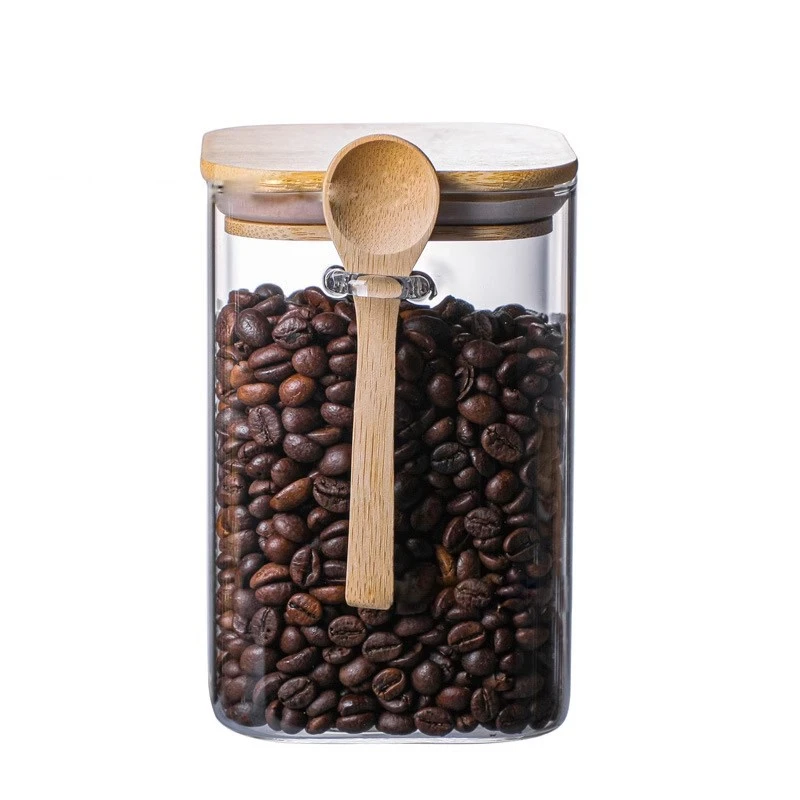
![[All Microwave Safe] High Borosilicate Glass Food Storage Container , Oven Safe without Lid, Dishwasher Safe](https://images.exportstart.com/images/a1251/squre-glass-container-with-glass-lid-518.webp "[All Microwave Safe] High Borosilicate Glass Food Storage Container , Oven Safe without Lid, Dishwasher Safe")
![[Sliding Vent PP Lid] Borosilicate Glass Food Storage Containers with Food-grade Plastic Lid, Airtight, Leak Resistant](https://images.exportstart.com/images/a1251/glass-food-storage-container-with-airtight-lid-183.webp "[Sliding Vent PP Lid] Borosilicate Glass Food Storage Containers with Food-grade Plastic Lid, Airtight, Leak Resistant")
![[Large Skylight Glass Lid] Glass Food Storage Container, Oven Safe with Lid, BPA Free, 100% Leak resistant](https://images.exportstart.com/images/a1251/glass-lid-food-storage-container-1-1-196.webp "[Large Skylight Glass Lid] Glass Food Storage Container, Oven Safe with Lid, BPA Free, 100% Leak resistant")
![[Colorful Vent PP Lid] Glass Food Storage Container, BPA Free, Leakproof, Dishwasher Safe](https://images.exportstart.com/images/a1251/002-1-639.webp "[Colorful Vent PP Lid] Glass Food Storage Container, BPA Free, Leakproof, Dishwasher Safe")
![[Color Vent PP Lid] Borosilicate Glass Food Storage Container, Leakproof, Dishwasher Safe](https://images.exportstart.com/images/a1251/1-941.webp "[Color Vent PP Lid] Borosilicate Glass Food Storage Container, Leakproof, Dishwasher Safe")
![[Vacuum AS] Food Storage Container with Pump](https://images.exportstart.com/images/a1251/7-1-397.webp "[Vacuum AS] Food Storage Container with Pump")