 TEL: +86 18903393212
 Email: tina@yintoglassware.com

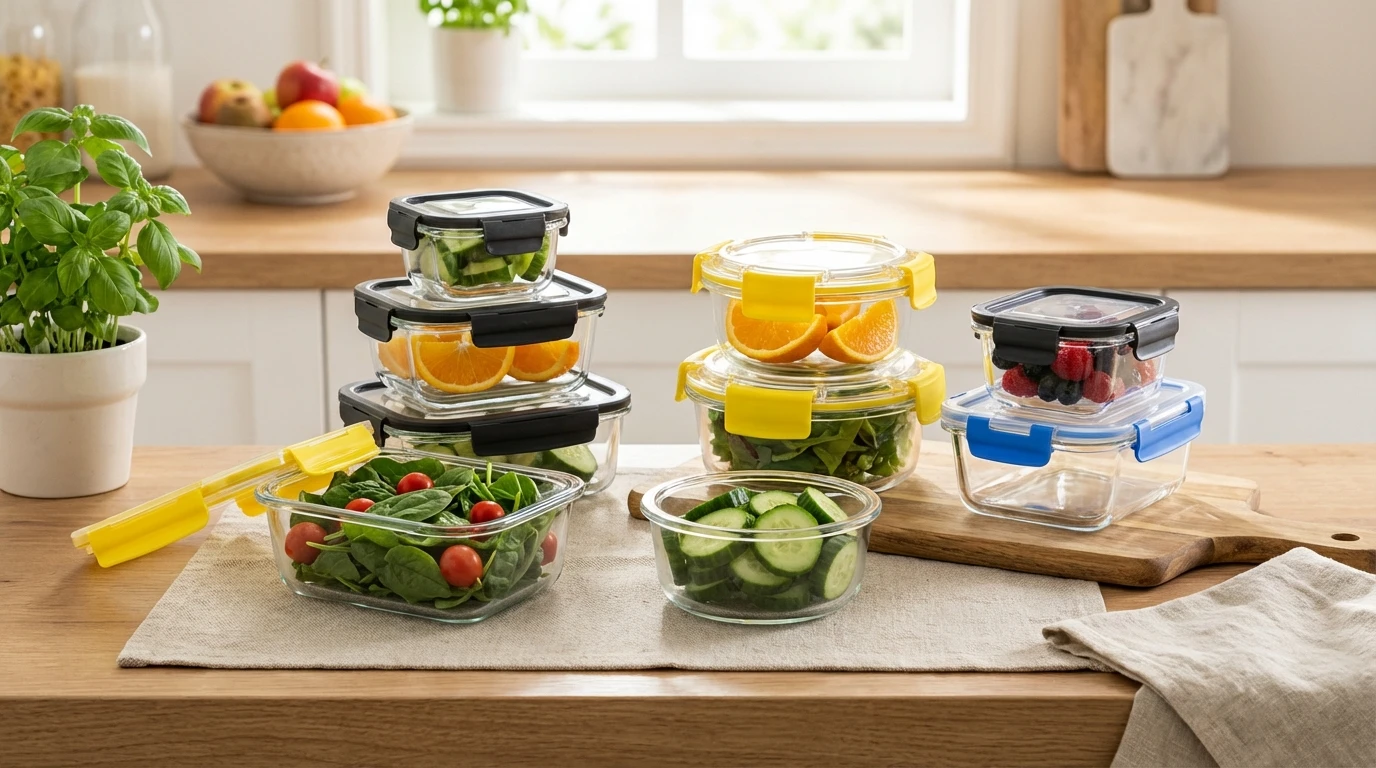
Borosilicate Bottle: Durable, Chemical-Resistant Glass for Industry & Healthcare
The Essential Role of Borosilicate Bottles in Modern Industry
When you hear “borosilicate bottle,” you might think of laboratory glassware — and rightly so. But these sturdy, heat-resistant containers play a surprisingly vital part across industries and global initiatives. Their ability to handle extreme conditions without breaking, all while being safe for sensitive contents, makes them a quietly indispensable tool worldwide. Understanding these bottles helps us appreciate how something as simple as a glass container shapes innovative manufacturing, healthcare, and even humanitarian operations.
Introduction: Why Borosilicate Bottles Matter Globally
Globally, the need for robust and reliable storage solutions that maintain purity and withstand harsh environments is growing. According to the International Organization for Standardization (ISO), quality and durability are top priorities for containers used in chemical, pharmaceutical, and food industries. The demand for borosilicate bottles has risen roughly 5% annually worldwide, driven by expanding biotech sectors and sustainability efforts.
Moreover, the UN Environment Programme highlights the push toward sustainable packaging and reduced plastic waste, making borosilicate glass a go-to for many eco-conscious companies. On the flip side, fragile bottles can easily disrupt supply chains or cause contamination, so durability is a real concern. That’s where borosilicate bottles come into play: tough, reliable, and safer for delicate contents.
What Exactly Is a Borosilicate Bottle?
Simply put, a borosilicate bottle is a type of glass bottle made primarily from silica and boron trioxide, which gives it superior thermal resistance and chemical stability compared to typical soda-lime glass bottles. What’s cool is that this makes them ideal for handling hot liquids, sudden temperature changes, and corrosive substances without cracking or leaching.
In practical terms, borosilicate bottles are often found in scientific labs, pharmaceutical packaging, and industrial settings. But their importance stretches further: NGOs use them in disaster zones because they’re reusable, sterilizable, and can keep lifesaving liquids pure. Businesses worldwide are catching on to their diverse value.
Key Qualities That Make Borosilicate Bottles Stand Out
1. Durability and Thermal Resistance
One of the signature features is the ability to withstand temperatures up to 500°C without deforming. That’s crucial in environments like chemical manufacturing or even autoclaving medical supplies. In fact, borosilicate glass has a thermal expansion coefficient nearly three times lower than regular glass, effectively reducing the risk of thermal shock.
2. Chemical Resistance
Unlike plastics that can leach harmful components, borosilicate bottles resist most acids, alkalis, and solvents. This quality ensures the integrity of pharmaceuticals, food, and lab reagents, and helps avoid cross-contamination.
3. Scalability in Production
Manufacturers can produce borosilicate bottles in a range of sizes — from tiny vials for lab tests to larger containers for industrial liquids. Automation in production lines further enables consistent quality at scale.
4. Sustainability and Reusability
Given their durability, these bottles are designed for multiple cycles of reuse, reducing waste. Their recyclability also aligns with circular economy principles advised by organizations like UNEP.
5. Cost Efficiency in the Long Run
While an upfront investment is higher than plastic alternatives, the extended lifespan often leads to lower replacement and disposal costs, making borosilicate bottles more cost-competitive over time.
Mini takeaway: Durability, chemical resistance, size flexibility, sustainability, and economic value together make borosilicate bottles a powerhouse choice for demanding uses.
Global Applications & Real-World Use Cases
Let’s get concrete. In the pharmaceutical industry — literally the backbone of healthcare — sterile borosilicate bottles safely package vaccines and injectable medicines worldwide, including in low-resource settings.
Similarly, in chemical labs scattered across continents, these bottles serve as vessels for accurate, contamination-free storage. And oddly enough, disaster relief organizations use them for purified water distribution, especially in regions prone to natural calamities where sturdy, sterilizable containers are a must.
On a more industrial note, food-grade borosilicate bottles are increasingly popular in organic and specialty food markets throughout Europe and North America, where purity and taste preservation are critical.
Product Specification Table
| Specification | Details |
|---|---|
| Material Composition | ~80% Silica, 13% Boron Oxide, 7% others |
| Thermal Expansion Coefficient | 3.3 × 10⁻⁶ /°C |
| Max Operating Temperature | 500°C (932°F) |
| Chemical Resistance | Resistant to acids, alkalis, solvents |
| Typical Sizes | 5 ml to 2 liters |
| Recyclability | 100%, reusable & recyclable |
Comparing Leading Borosilicate Bottle Vendors
| Vendor | Product Range | Pricing (USD per unit) | Customization Options | Lead Time |
|---|---|---|---|---|
| Yinto Glassware Co. | 5 ml – 1 L borosilicate bottles | $0.80 – $2.50 | Color, shape, logo printing | 2–3 weeks |
| Schott AG | 10 ml – 2 L glass bottles | $1.00 – $3.00 | Standard only | 4–5 weeks |
| Kimble Chase | 5 ml – 500 ml wide selection | $0.90 – $2.70 | Partial, bulk shapes | 3–4 weeks |
Advantages & Long-Term Benefits of Borosilicate Bottles
When companies switch to borosilicate bottles, they’re not just buying glass — they’re investing in reliability. Beyond cost savings from fewer breakages and returns, there's the social impact: safer storage means better protection for consumers and patients alike. For example, in drug distribution, fewer compromised medicines might save lives.
On the emotional side, industries and consumers trust the clarity, quality, and feel of borosilicate. There’s something reassuring about glass that plastic often lacks — the heft, the coolness, the clarity — it all adds an intangible quality that builds brand loyalty.
Future Trends & Innovations
Borosilicate glass continues evolving. Recent R&D focuses on lightweight formulas to reduce carbon footprints during shipping. Nanocoatings that improve shatter resistance are trickling into production, not to mention integrations with digital tracking for smart packaging.
Automation improvements in molding and quality control also mean faster, cheaper customization — ideal for niche biotech firms or eco-friendly startups who want borosilicate bottles with minimal environmental impact.
Challenges & Emerging Solutions
No product is perfect. Borosilicate bottles still face challenges: production costs are higher than plastic alternatives, and despite their toughness, they can shatter with enough force. Shipping requires care, especially internationally.
Innovations in reinforced packaging, improved cushioning materials, and enhanced manufacturing precision are starting to reduce these risks. Plus, growing awareness about sustainability drives more investment into affordable, durable glass tech.
FAQ: Your Questions About Borosilicate Bottles Answered
Q1: Can borosilicate bottles safely hold hot liquids without cracking?
A: Absolutely. They tolerate rapid temperature changes up to 500°C, making them ideal for hot water, chemicals, or sterilization processes without risk of breakage due to thermal shock.
Q2: How do borosilicate bottles compare environmentally to plastic bottles?
A: While borosilicate glass has a higher production energy cost, its long life, reusability, and full recyclability make it more sustainable long term compared to single-use plastics that contribute to landfill and oceans.
Q3: Are there customization options for branding or shape with borosilicate bottles?
A: Yes, many suppliers including Yinto Glassware offer custom colors, logo printing, and unique shapes tailored to brand identity or functional needs.
Q4: What industries benefit most from borosilicate bottles?
A: Pharmaceuticals, chemical labs, specialty food & beverage, disaster relief agencies, and even cosmetics companies rely on them for purity, durability, and safety.
Q5: How stable are borosilicate bottles during long-distance shipping?
A: With proper packaging and cushioning, these bottles endure international transit well. The right vendor will ensure packaging solutions to minimize breakage risk.
Conclusion: Why Investing in Borosilicate Bottles Makes Sense
To sum it up, borosilicate bottles merge strength, safety, and sustainability. Their ability to endure temperature swings, resist chemicals, and support reuse makes them a practical and environmentally friendly solution across multiple sectors. For businesses or organizations looking to upgrade their packaging or storage, it’s worth checking out what’s available at Yinto Glassware — the experts in borosilicate bottle manufacturing and customization.
Whether you’re in pharma, food, or humanitarian aid, these bottles will quietly become one of your most trusted assets.
References
-
Ultimate Guide to Choosing Big Glass Storage Containers for Every NeedNewsApr.16,2026
-
Small Glass Lunch Containers Guide for Healthy Meal PrepNewsApr.09,2026
-
Comprehensive Guide to Choosing the Best Storage Containers for Dishes and GlassesNewsApr.07,2026
-
Selecting The Optimal 300ml Food Containers For Your Business NeedsNewsApr.04,2026
-
Discover the Benefits of Durable 3 Cup Glass Food Storage ContainersNewsMar.31,2026
-
Comprehensive Guide to Choosing Superior Glass Divided Food ContainersNewsMar.28,2026
![[Extra Large with Handle] Oven Safe Glass Food Storage Container with Airtight Locking Lid & Handle, Oven Safe Dishwasher Safe](https://images.exportstart.com/images/a1251/extra-larger-glass-container-with-snap-locking-lid-164.webp "[Extra Large with Handle] Oven Safe Glass Food Storage Container with Airtight Locking Lid & Handle, Oven Safe Dishwasher Safe")
![[All Microwave Safe] High Borosilicate Glass Food Storage Container , Oven Safe without Lid, Dishwasher Safe](https://images.exportstart.com/images/a1251/squre-glass-container-with-glass-lid-518.webp "[All Microwave Safe] High Borosilicate Glass Food Storage Container , Oven Safe without Lid, Dishwasher Safe")
![[Sliding Vent PP Lid] Borosilicate Glass Food Storage Containers with Food-grade Plastic Lid, Airtight, Leak Resistant](https://images.exportstart.com/images/a1251/glass-food-storage-container-with-airtight-lid-183.webp "[Sliding Vent PP Lid] Borosilicate Glass Food Storage Containers with Food-grade Plastic Lid, Airtight, Leak Resistant")
![[Large Skylight Glass Lid] Glass Food Storage Container, Oven Safe with Lid, BPA Free, 100% Leak resistant](https://images.exportstart.com/images/a1251/glass-lid-food-storage-container-1-1-196.webp "[Large Skylight Glass Lid] Glass Food Storage Container, Oven Safe with Lid, BPA Free, 100% Leak resistant")
![[Colorful Vent PP Lid] Glass Food Storage Container, BPA Free, Leakproof, Dishwasher Safe](https://images.exportstart.com/images/a1251/002-1-639.webp "[Colorful Vent PP Lid] Glass Food Storage Container, BPA Free, Leakproof, Dishwasher Safe")
![[Color Vent PP Lid] Borosilicate Glass Food Storage Container, Leakproof, Dishwasher Safe](https://images.exportstart.com/images/a1251/1-941.webp "[Color Vent PP Lid] Borosilicate Glass Food Storage Container, Leakproof, Dishwasher Safe")
![[Vacuum AS] Food Storage Container with Pump](https://images.exportstart.com/images/a1251/7-1-397.webp "[Vacuum AS] Food Storage Container with Pump")