 TEL: +86 18903393212
 Email: tina@yintoglassware.com

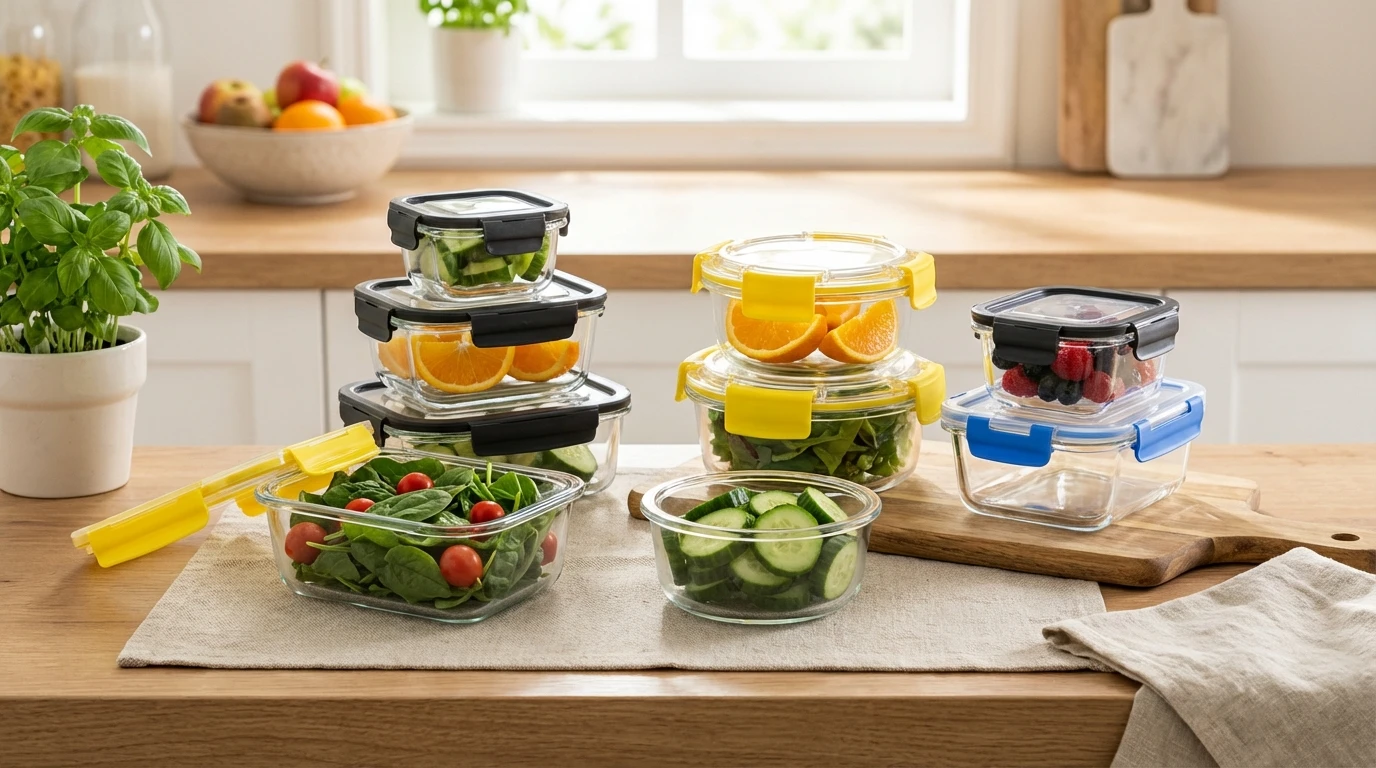
Why Choosing the Right Double Wall Coffee Cup Supplier Matters Globally
Understanding the Role of a Double Wall Coffee Cup Supplier in Today’s Market
Double wall coffee cups have quietly become a staple in coffee culture worldwide. But beyond their stylish look lies a fascinating blend of modern engineering and practical benefits that touch everything from sustainability efforts to user experience. Why does the double wall coffee cup supplier matter, globally and commercially? Simply put, they connect innovative design with growing demand for eco-friendly, durable, and temperature-conscious beverage solutions.
As coffee consumption rises internationally, with the International Coffee Organization reporting over 167 million 60kg bags consumed globally in 2023, the demand for quality cups that protect drinkers’ hands and maintain temperature has grown simultaneously. It’s not just about style; it’s about function, comfort, and increasingly, environmental responsibility.
Introduction: The Global Context of Double Wall Coffee Cup Suppliers
Globally, the shift toward sustainable consumer products is undeniable. According to ISO standards on environmental management, customer preferences are rapidly evolving toward reusable and insulated products that reduce waste. Coffee shops, event organizers, and retailers are looking to double wall cups because they combine insulation and a reusable profile, helping cut down single-use plastic or paper cup waste.
Yet here lies the challenge: sourcing reliable double wall coffee cups is trickier than first imagined. Variability in manufacturing quality, material sourcing, and supplier transparency means businesses struggle to consistently find a dependable double wall coffee cup supplier. Given the surge in ecommerce and specialty coffee markets, understanding this supply chain is vital – for environmental goals and customer satisfaction alike.
What is a Double Wall Coffee Cup Supplier?
In simple terms, a double wall coffee cup supplier is a company or manufacturer that produces and distributes coffee cups featuring an inner and outer wall separated by an insulating layer, usually of air or vacuum. This design keeps coffee hot (or cold) longer while preventing the cup from feeling too hot or cold to hold.
It’s an intersection of consumer convenience and technical manufacturing: glassware suppliers, specialty plastics producers, or even metal suppliers all fall under this umbrella if they offer insulated coffee cups in double wall format. Their role has grown more significant as coffee culture and sustainability demands rise worldwide, bridging the gap between elegant design and ecological responsibility.
Key Factors in Choosing a Double Wall Coffee Cup Supplier
1. Durability
Strong resistance to thermal shock and breakage is crucial. High-quality borosilicate glass, or BPA-free plastics, provide robustness that withstands daily use and washing.
2. Thermal Insulation Efficiency
The core benefit of double wall cups is their insulation. Suppliers with advanced vacuum techniques or superior air barriers provide longer heat retention without external burn risk.
3. Environmental Sustainability
Eco-conscious businesses prioritize suppliers who use recyclable or biodegradable materials and low-impact production methods.
4. Scalability and Supply Chain Reliability
Especially for large coffee chains or retailers, the supplier’s capacity to meet volume needs punctually cannot be understated.
5. Cost and Customization
Competitive pricing combined with options for custom logo embossing or unique designs impacts brand identity and marketing initiatives.
| Feature | Typical Specs |
|---|---|
| Material | Borosilicate Glass / Stainless Steel / BPA-Free Plastic |
| Capacity | 250 ml – 400 ml (8 – 13.5 oz) |
| Insulation Type | Air Gap / Vacuum Insulation |
| Heat Retention | Up to 2 hours (depending on material) |
| Dishwasher Safe | Generally yes (material dependent) |
Mini takeaway: Selecting a supplier means balancing material quality, environmental goals, and volume needs — not always an easy trade-off, but understanding these core factors helps clarify what matters most.
Where Are Double Wall Coffee Cups Making a Difference?
These cups aren’t just seeing love in cozy cafés of Europe and North America. It’s global. Coffee-loving countries from Brazil to Japan are adopting double wall designs for more than aesthetic reasons.
- Urban cafes: They rely on reliable suppliers for products that improve customer comfort and reduce waste.
- Office canteens: Insulated cups maintain ideal drinking temperatures for longer, adding convenience in busy environments.
- Event management: Supplies for outdoor festivals or conferences need sturdy, reusable cups, often sourced internationally.
- Hospitality industry: Hotels and restaurants furnish cup sets that combine elegance with safety.
For example, a well-known coffee chain in Tokyo recently reported 25% reduction in paper cup usage after switching to high-quality double wall alternatives sourced from a trusted supplier in China.
Advantages & Long-Term Value of Working with Quality Suppliers
It’s easy to focus on cost, but the emotional connection between consumer and brand often hinges on reliability and perceived care — things a double wall coffee cup supplier directly influences. When the cup keeps drinks hot but your hands cool, customers relax. They feel valued. Add to that a lower ecological footprint, and you have a winning combination.
Long-term, suppliers committed to sustainability and quality foster partnerships, encouraging innovations like biodegradable coatings or smart temperature indicators embedded in the cups. Frankly, it’s an exciting time to be part of this market niche.
Emerging Trends Impacting Double Wall Coffee Cup Suppliers
Automation in manufacturing is increasing precision and reducing production costs. At the same time, the rise of bio-based plastics and glass recycling innovations align with UN Sustainable Development Goals (SDG 12: Responsible Consumption and Production). Digital ordering platforms also simplify the customization and volume ordering process—very useful for businesses scaling quickly.
Challenges & How the Industry is Tackling Them
Despite these advances, there remain challenges: supply chain disruptions, varying quality standards, and consumers’ lingering doubts around durability vs. disposability. Suppliers and manufacturers are now investing in stricter quality certifications (look for ISO 9001 or ISO 14001) and transparent sourcing channels.
Customizing designs without driving cost too high is another puzzle that clever engineering and economies of scale are helping solve. It’s not foolproof, but the industry adapts—a bit like good coffee itself, constantly evolving.
FAQ: Frequently Asked Questions About Double Wall Coffee Cup Suppliers
- Q: How can I verify the quality of a double wall coffee cup supplier?
A: Look for certifications like ISO 9001 and ISO 14001, ask for material safety data sheets, and request product samples for inspection before large orders. - Q: Are double wall coffee cups safe for hot beverages?
A: Yes, they’re designed to prevent heat transfer, protecting hands while keeping drinks hot. Using borosilicate glass or BPA-free plastics ensures safety and durability. - Q: Can I order customized double wall coffee cups for my brand?
A: Most quality suppliers offer custom printing or engraving services. However, customization may increase lead times and prices, so plan orders well in advance. - Q: What about environmental impact compared to disposable cups?
A: Reusable double wall cups drastically reduce waste. Though production has an initial footprint, repeated use leads to a net environmental benefit. - Q: How do I ensure timely delivery when ordering bulk cups internationally?
A: Choose suppliers with robust logistics networks and clear communication channels. Confirm lead times and consider using freight forwarders for smooth import.
Vendor Comparison Table
| Supplier | Material Types | Customization | MOQ | Price Range (per unit) |
|---|---|---|---|---|
| Yinto Glassware | Borosilicate Glass, BPA-free Plastic | Logo etching, color options | 1000 pcs | $2.10–$3.50 |
| ClearSip Co. | Stainless Steel, Glass | Limited engraving | 500 pcs | $2.50–$4.00 |
| EcoCup Supplies | PLA plastic biopolymer | Full color printing | 2000 pcs | $1.85–$2.90 |
Conclusion
The long-term value of partnering with a reliable double wall coffee cup supplier reaches beyond mere temperature control. It elevates customer experience, aligns with sustainability trends, and supports brand identity—all crucial factors in today’s competitive marketplace. As technology and environmental policies evolve, so too will the shape, material, and function of these elegant coffee companions.
For businesses ready to upgrade or launch their coffee cup solutions, starting with the right supplier—who balances quality, ecological responsibility, and customization—is key. Explore options and innovate smartly to future-proof your coffee service.
Takeaway: Quality double wall coffee cups aren’t just a product—they’re a statement of care, craftsmanship, and commitment to a better planet.
References:
-
Ultimate Guide to Choosing Big Glass Storage Containers for Every NeedNewsApr.16,2026
-
Small Glass Lunch Containers Guide for Healthy Meal PrepNewsApr.09,2026
-
Comprehensive Guide to Choosing the Best Storage Containers for Dishes and GlassesNewsApr.07,2026
-
Selecting The Optimal 300ml Food Containers For Your Business NeedsNewsApr.04,2026
-
Discover the Benefits of Durable 3 Cup Glass Food Storage ContainersNewsMar.31,2026
-
Comprehensive Guide to Choosing Superior Glass Divided Food ContainersNewsMar.28,2026
![[Extra Large with Handle] Oven Safe Glass Food Storage Container with Airtight Locking Lid & Handle, Oven Safe Dishwasher Safe](https://images.exportstart.com/images/a1251/extra-larger-glass-container-with-snap-locking-lid-164.webp "[Extra Large with Handle] Oven Safe Glass Food Storage Container with Airtight Locking Lid & Handle, Oven Safe Dishwasher Safe")
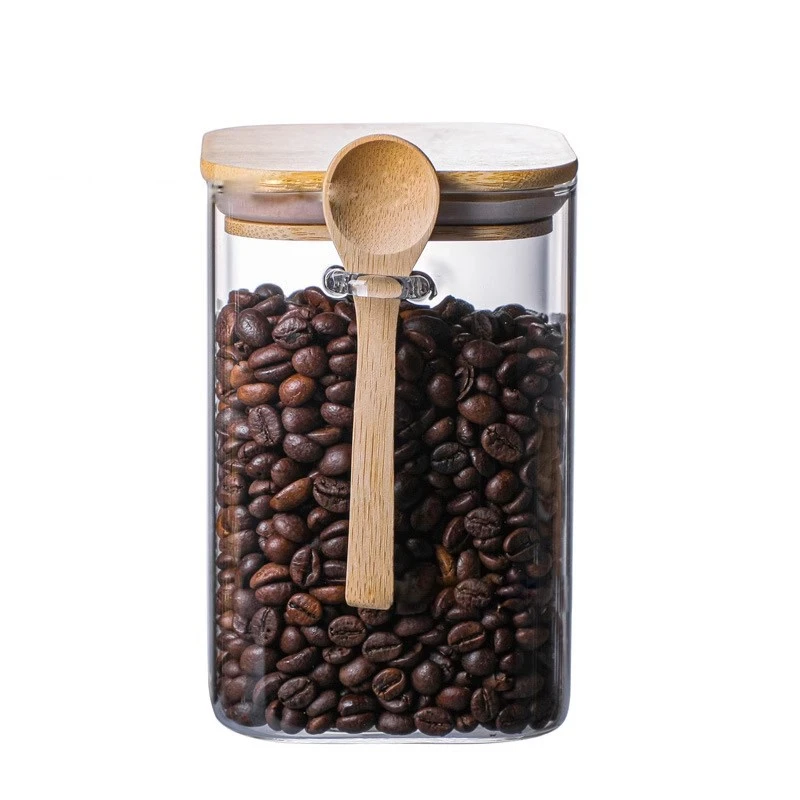
![[All Microwave Safe] High Borosilicate Glass Food Storage Container , Oven Safe without Lid, Dishwasher Safe](https://images.exportstart.com/images/a1251/squre-glass-container-with-glass-lid-518.webp "[All Microwave Safe] High Borosilicate Glass Food Storage Container , Oven Safe without Lid, Dishwasher Safe")
![[Sliding Vent PP Lid] Borosilicate Glass Food Storage Containers with Food-grade Plastic Lid, Airtight, Leak Resistant](https://images.exportstart.com/images/a1251/glass-food-storage-container-with-airtight-lid-183.webp "[Sliding Vent PP Lid] Borosilicate Glass Food Storage Containers with Food-grade Plastic Lid, Airtight, Leak Resistant")
![[Large Skylight Glass Lid] Glass Food Storage Container, Oven Safe with Lid, BPA Free, 100% Leak resistant](https://images.exportstart.com/images/a1251/glass-lid-food-storage-container-1-1-196.webp "[Large Skylight Glass Lid] Glass Food Storage Container, Oven Safe with Lid, BPA Free, 100% Leak resistant")
![[Colorful Vent PP Lid] Glass Food Storage Container, BPA Free, Leakproof, Dishwasher Safe](https://images.exportstart.com/images/a1251/002-1-639.webp "[Colorful Vent PP Lid] Glass Food Storage Container, BPA Free, Leakproof, Dishwasher Safe")
![[Color Vent PP Lid] Borosilicate Glass Food Storage Container, Leakproof, Dishwasher Safe](https://images.exportstart.com/images/a1251/1-941.webp "[Color Vent PP Lid] Borosilicate Glass Food Storage Container, Leakproof, Dishwasher Safe")
![[Vacuum AS] Food Storage Container with Pump](https://images.exportstart.com/images/a1251/7-1-397.webp "[Vacuum AS] Food Storage Container with Pump")