 TEL: +86 18903393212
 Email: tina@yintoglassware.com

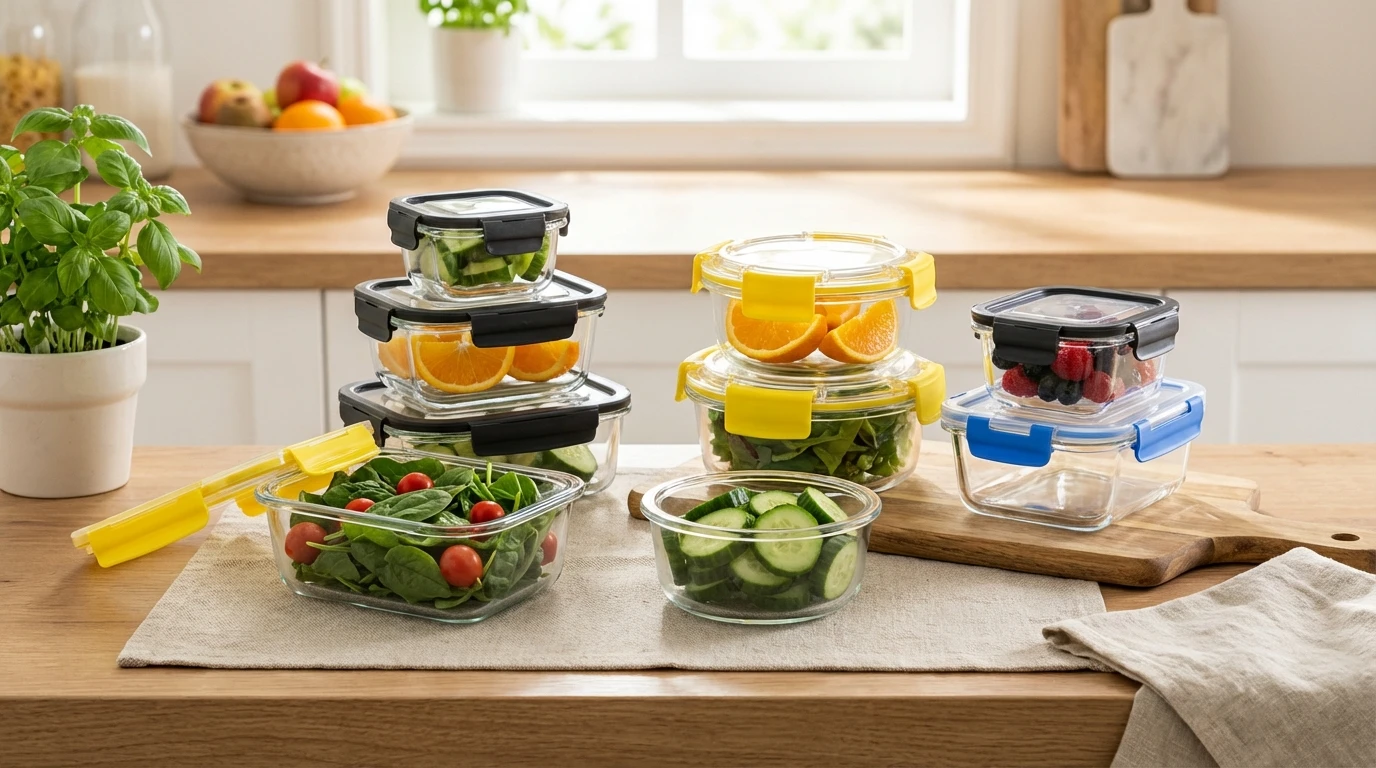
Large Vacuum Container for Fresh Food Storage | Extended Freshness
Industry Trends and Market Dynamics
In modern industrial and commercial landscapes, the demand for advanced storage solutions that ensure product integrity, extend shelf life, and optimize operational efficiency is paramount. This imperative has driven significant innovation in container111 technology, particularly for products requiring an oxygen-free or reduced-pressure environment. The market for large vacuum container111 solutions is experiencing robust growth, propelled by sectors like food processing, pharmaceuticals, chemical manufacturing, and high-tech electronics.
Key trends include a shift towards more sustainable and inert materials, enhanced vacuum retention capabilities, and integrated monitoring systems. Businesses are increasingly investing in sophisticated large vacuum storage container111s to mitigate spoilage, prevent contamination, and preserve the potency of sensitive materials. The global vacuum packaging market alone is projected to reach USD 45.3 billion by 2027, growing at a CAGR of 5.5% from 2020, highlighting the accelerating adoption of vacuum technologies across various applications. This growth underscores the critical role of reliable vacuum storage in maintaining product quality and reducing waste throughout the supply chain.
Technical Specifications and Material Excellence
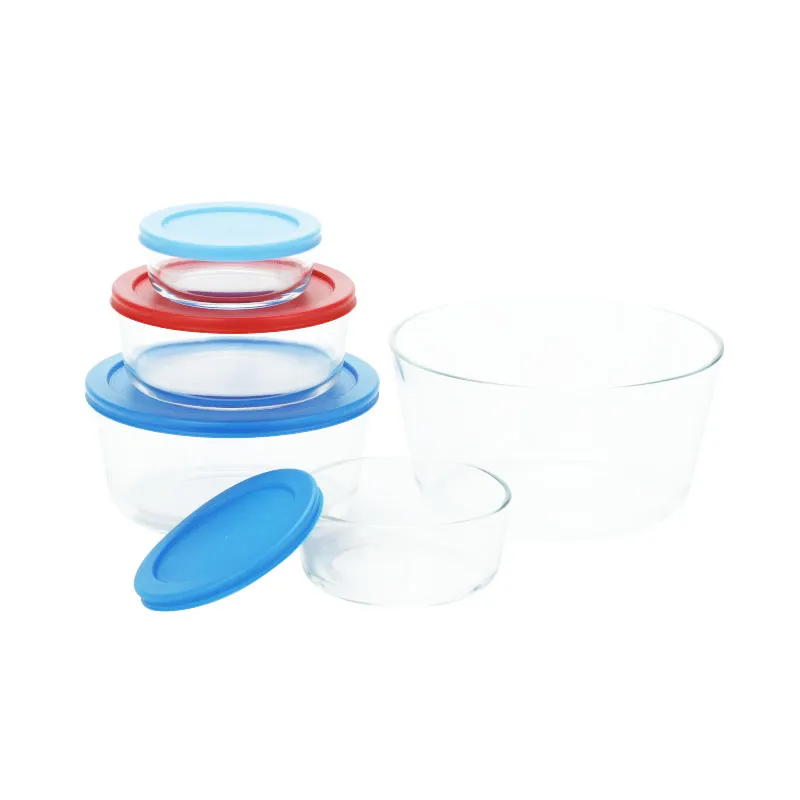
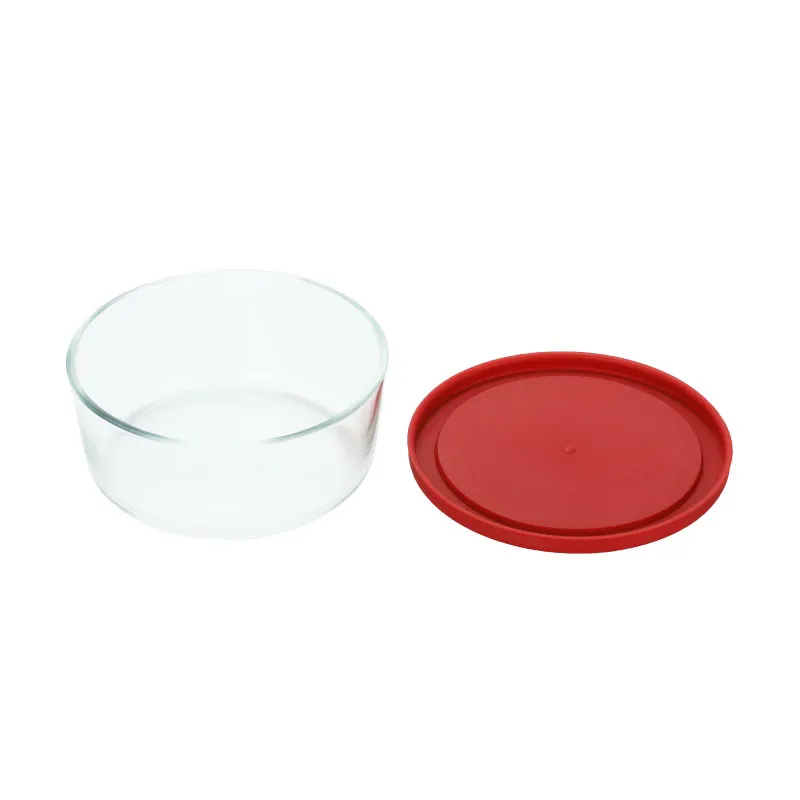
The performance of a large vacuum container111 is intrinsically linked to its design and material composition. YINTO Glassware's offerings, such as the Glass Food Storage Container with Lid, exemplify precision engineering and material science, crafted to meet stringent industrial demands. These container111s are typically constructed from high-grade borosilicate glass, known for its exceptional thermal shock resistance, chemical inertness, and transparency.
The vacuum sealing mechanism often incorporates advanced food-grade silicone gaskets and a robust external vacuum pump for food storage, designed for high-efficiency air extraction and long-term vacuum retention. This combination ensures a reliable, hermetic seal crucial for preserving contents in critical environments.
Key Product Specifications
| Parameter | Specification |
|---|---|
| Material Composition | Container: High Borosilicate Glass (3.3 coefficient); Lid: Food-grade ABS/PP; Seal: Platinum Cured Silicone |
| Capacity Range | Typically 1.0 L to 15.0 L (customizable options available up to 50 L) |
| Vacuum Pressure Achievable | -0.03 MPa to -0.08 MPa (approx. 225 to 600 mmHg below atmospheric) |
| Temperature Resistance | -20°C to +400°C (Glass); -40°C to +120°C (Lid & Seal) |
| Chemical Resistance | Excellent against most acids, alkalis, and organic solvents (borosilicate glass) |
| Certifications | ISO 9001:2015, FDA Compliant for Food Contact, LFGB Certified |
| Typical Service Life | Container: >10 years; Sealing Components: >5 years (with proper maintenance) |
Manufacturing Process Excellence
The production of a high-quality large vacuum container111 involves a sophisticated multi-stage manufacturing process, ensuring durability, vacuum integrity, and user safety. YINTO Glassware adheres to stringent quality control at every step, leveraging advanced technology and skilled craftsmanship.
Process Flow Overview:
-
Raw Material Sourcing & Preparation:
- High-purity silica sand, boron oxide, and other additives for borosilicate glass.
- Food-grade ABS/PP granules for lids, platinum-cured silicone for gaskets.
- All raw materials rigorously tested to meet FDA/LFGB compliance standards.
-
Glass Melting & Forming (Casting/Blowing):
- Raw materials melted at approximately 1600°C in electric furnaces.
- Molten glass shaped into container111s using either advanced machine blowing (for larger volumes) or precision pressing/casting techniques.
- Emphasis on uniform wall thickness and defect-free surfaces.
-
Annealing & Cooling:
- Formed glass container111s pass through an annealing lehr, gradually cooling to relieve internal stresses, enhancing durability and preventing thermal breakage.
-
Lid & Seal Manufacturing (Injection Molding & Die Cutting):
- Lids are produced via high-precision injection molding, ensuring tight tolerances for vacuum sealing.
- Silicone gaskets are die-cut from sheets or injection-molded, ensuring perfect fit and elasticity.
-
Assembly & Vacuum System Integration:
- Lids are assembled with vacuum valves and pump mechanisms.
- Gaskets are securely fitted to lids or container111 rims.
-
Quality Control & Testing (ISO/ANSI Standards):
- Dimensional accuracy, visual inspection for defects, and thermal shock resistance tests.
- Crucially, each container111 undergoes rigorous vacuum retention testing (e.g., ANSI Z259.1 compliant for pressure vessels, adapted for consumer/industrial storage). This involves drawing a vacuum and monitoring pressure decay over time to guarantee a hermetic seal.
- Material safety testing (e.g., extractables, migration tests) for food contact surfaces.
-
Packaging & Dispatch:
- Containers are cleaned, inspected, and securely packaged to prevent damage during transit.
Application Scenarios and Technical Advantages
The versatility and robust performance of large vacuum container111 solutions make them indispensable across a multitude of industries. Their primary advantage lies in creating an environment that significantly slows down oxidation and microbial growth, key factors in product degradation.
Target Industries:
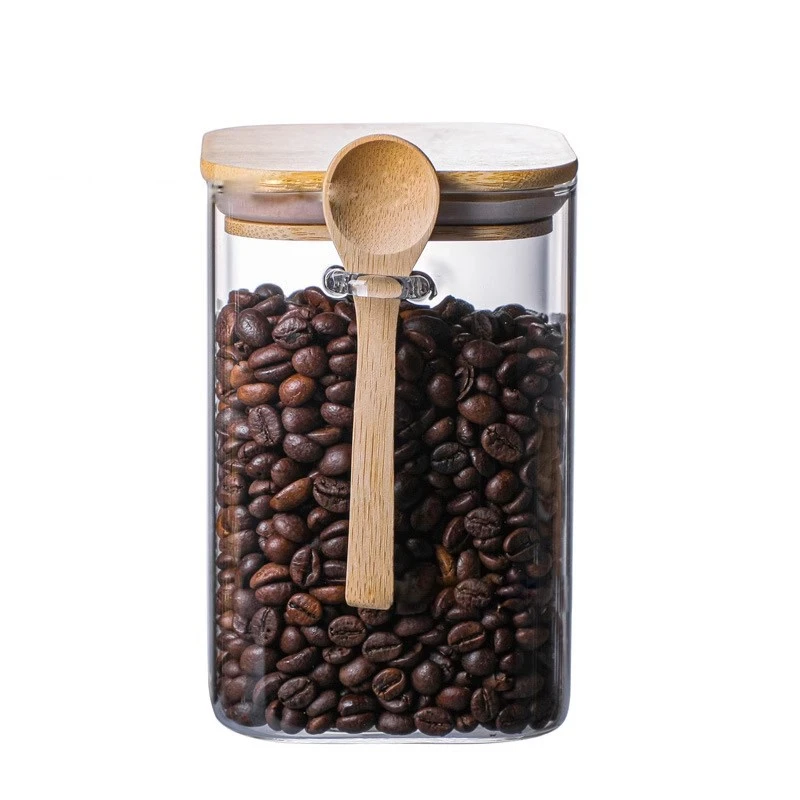
- Food Processing & Hospitality: Ideal for bulk storage of raw ingredients (e.g., specialty grains, dehydrated vegetables, coffee beans) or prepared foods, extending shelf life by up to 5 times. Reduces food waste and preserves nutritional value and flavor.
- Pharmaceutical & Biotechnology: Critical for storing sensitive chemicals, active pharmaceutical ingredients (APIs), biological samples, and reagents that are susceptible to oxidation or moisture. Ensures material integrity and potency for research and production.
- Chemical & Industrial Manufacturing: Secure storage for hygroscopic materials, volatile compounds, or corrosion-sensitive components. The inertness of borosilicate glass provides exceptional corrosion resistance against aggressive chemicals.
- Laboratories & Research: Maintaining the purity and stability of experimental samples, standards, and reagents. Clear glass allows for easy visual inspection without compromising the vacuum seal.
- Electronics & Semiconductor: Protecting moisture-sensitive components (MSDs) from humidity and oxidation during storage, preventing defects in manufacturing processes.
Technical Advantages:
- Extended Shelf Life: By removing oxygen, these container111s significantly slow down oxidative degradation, microbial growth, and enzymatic reactions, thereby extending the freshness and usability of contents.
- Corrosion Resistance & Chemical Inertness: Borosilicate glass is highly resistant to chemical attack, making it ideal for storing corrosive substances or preventing container111 degradation when storing sensitive materials.
- Moisture Protection: The vacuum seal prevents moisture ingress, crucial for hygroscopic materials or components sensitive to humidity.
- Energy Saving: For many food products, vacuum storage can reduce or eliminate the need for refrigeration, leading to substantial energy saving and lower operational costs.
- Enhanced Hygiene & Safety: Non-porous glass prevents absorption of odors or flavors, is easy to clean, and offers a safer, BPA-free storage environment compared to some vacuum seal plastic container111s.
- Visibility: Transparent glass allows for quick identification of contents and monitoring of their condition without breaking the seal.
Vendor Comparison and Customization Options
Choosing the right provider for large vacuum container111 solutions is crucial for long-term operational success. While many vendors offer vacuum storage, YINTO Glassware distinguishes itself through material quality, precision manufacturing, and comprehensive customization capabilities.
Competitive Analysis: YINTO Glassware vs. Generic Providers
| Feature | YINTO Glassware | Generic Providers |
|---|---|---|
| Container Material | Premium Borosilicate Glass (3.3) | Soda-lime glass or lower-grade borosilicate, sometimes plastic |
| Seal Material | Platinum Cured Food-Grade Silicone | Standard silicone or rubber, potentially lower durability |
| Vacuum Retention | Excellent, consistently holds vacuum for weeks/months | Varies, often shorter retention, higher leakage rates |
| Thermal Shock Resistance | Superior (-20°C to +400°C) | Limited, risk of cracking with temperature changes |
| Certifications | ISO 9001, FDA, LFGB | Often fewer or less stringent certifications |
| Customization | Extensive (size, shape, lid features, branding) | Limited to standard off-the-shelf options |
| Warranty & Support | Comprehensive, dedicated B2B support | Often basic or consumer-grade support |
Customized Solutions:
Understanding that off-the-shelf solutions may not always fit unique operational requirements, YINTO Glassware offers extensive customization for its air vacuum container111s. Our engineering team collaborates closely with clients to develop bespoke solutions tailored to specific needs:
- Capacity and Dimensions: From specialized small-batch container111s to industrial-scale storage units, we can produce container111s in virtually any required volume or footprint.
- Lid and Sealing Mechanisms: Custom lid designs, integrating specific valve types, pressure gauges, or automated vacuum pump connections. Different gasket materials for extreme temperature or chemical resistance.
- Material Modifications: While borosilicate is standard, specific applications might require additional coatings or specialized glass compositions.
- Branding and Labeling: Incorporating client logos, specific safety warnings, or tracking codes directly onto the container111 or lid.

Application Case Studies
Real-world applications demonstrate the tangible benefits of integrating YINTO Glassware's advanced large vacuum container111 solutions into various operational frameworks.
Case Study 1: Specialty Coffee Roaster
A high-volume specialty coffee roaster faced challenges with maintaining the freshness and aromatic profile of roasted beans before packaging. Traditional storage methods led to oxidation, causing a noticeable decline in quality over time, impacting customer satisfaction.
Solution: Implemented YINTO's 10-liter large vacuum storage container111s for bulk storage of roasted beans immediately after cooling. The container111s were used with a high-capacity vacuum pump to achieve a consistent vacuum level.
Results: The roaster observed a 300% extension in the shelf life of roasted beans without significant loss of aroma or flavor. This enabled them to optimize their roasting schedule, reduce waste from stale beans, and maintain a superior product quality for their discerning clientele. "Our sensory panel reported a remarkable difference; the vacuum container111s are a game-changer for our quality control," commented the Head Roaster.
Case Study 2: Pharmaceutical Research Laboratory
A pharmaceutical lab frequently worked with highly hygroscopic and oxygen-sensitive chemical compounds. Exposure to ambient air during storage or transfer led to degradation, compromising experimental results and increasing material costs.
Solution: Deployed customized YINTO borosilicate air vacuum container111s with specialized valves, allowing for inert gas backfilling after vacuum, providing an anoxic and moisture-free environment.
Results: The stability of sensitive compounds improved dramatically, reducing material degradation by over 95%. This led to more reliable experimental outcomes, faster project timelines, and a significant reduction in expensive material wastage. The transparent design also facilitated quick identification of contents and monitoring without disturbing the inert atmosphere.
Trustworthiness and Support
Frequently Asked Questions (FAQ)
A: Our container111s are designed to maintain an optimal vacuum for several weeks to months, depending on usage frequency and environmental conditions. Rigorous testing ensures minimal pressure decay, offering superior long-term preservation.
A: Yes, our container111s are suitable for a wide range of substances, including liquids. However, care should be taken not to overfill, and for highly volatile liquids, specific ventilation protocols may be advised.
A: The borosilicate glass component is highly resistant to thermal shock, making it safe for use in freezers (-20°C) and ovens (up to 400°C) without the lid. The lid and sealing components are generally safe for refrigeration and gentle warming but should not be subjected to extreme temperatures.
Lead Time and Fulfillment
YINTO Glassware maintains efficient production lines and robust logistics. Standard orders for our large vacuum container111 products typically have a lead time of 2-4 weeks. For custom solutions or large-volume industrial orders, lead times are determined on a project-specific basis, with dedicated project managers providing clear timelines and frequent updates. We ensure timely delivery through optimized supply chain management.
Warranty Commitments
We stand by the quality and performance of our products. YINTO Glassware offers a 2-year limited warranty on all glass container111s against manufacturing defects, and a 1-year warranty on lids and sealing components. This commitment reflects our confidence in our stringent manufacturing processes and material selection.
Customer Support and After-Sales Service
Our dedicated B2B customer support team is available to assist with technical queries, product selection, order processing, and any after-sales requirements. We provide comprehensive guidance on product usage, maintenance, and troubleshooting to ensure optimal performance and longevity of your vacuum storage solutions. Contact us via phone, email, or through our website for prompt and professional assistance.
Authoritative References
- MarketsandMarkets. "Vacuum Packaging Market by Material, Type, Application, and Region - Global Forecast to 2027." Published [Date of publication or latest update if available]. Retrieved from www.marketsandmarkets.com.
- ISO 9001:2015. "Quality management systems — Requirements." International Organization for Standardization. Retrieved from www.iso.org.
- U.S. Food and Drug Administration (FDA). "Food Contact Substances (FCS)." Retrieved from www.fda.gov.
- ASTM International. "Standard Test Methods for Glass." Retrieved from www.astm.org.
- LFGB (Lebensmittel-, Bedarfsgegenstände- und Futtermittelgesetzbuch). "German Food and Feed Code." Relevant sections on food contact materials. Retrieved from official German legal resources.
-
Ultimate Guide to Choosing Big Glass Storage Containers for Every NeedNewsApr.16,2026
-
Small Glass Lunch Containers Guide for Healthy Meal PrepNewsApr.09,2026
-
Comprehensive Guide to Choosing the Best Storage Containers for Dishes and GlassesNewsApr.07,2026
-
Selecting The Optimal 300ml Food Containers For Your Business NeedsNewsApr.04,2026
-
Discover the Benefits of Durable 3 Cup Glass Food Storage ContainersNewsMar.31,2026
-
Comprehensive Guide to Choosing Superior Glass Divided Food ContainersNewsMar.28,2026
![[Extra Large with Handle] Oven Safe Glass Food Storage Container with Airtight Locking Lid & Handle, Oven Safe Dishwasher Safe](https://images.exportstart.com/images/a1251/extra-larger-glass-container-with-snap-locking-lid-164.webp "[Extra Large with Handle] Oven Safe Glass Food Storage Container with Airtight Locking Lid & Handle, Oven Safe Dishwasher Safe")
![[All Microwave Safe] High Borosilicate Glass Food Storage Container , Oven Safe without Lid, Dishwasher Safe](https://images.exportstart.com/images/a1251/squre-glass-container-with-glass-lid-518.webp "[All Microwave Safe] High Borosilicate Glass Food Storage Container , Oven Safe without Lid, Dishwasher Safe")
![[Sliding Vent PP Lid] Borosilicate Glass Food Storage Containers with Food-grade Plastic Lid, Airtight, Leak Resistant](https://images.exportstart.com/images/a1251/glass-food-storage-container-with-airtight-lid-183.webp "[Sliding Vent PP Lid] Borosilicate Glass Food Storage Containers with Food-grade Plastic Lid, Airtight, Leak Resistant")
![[Large Skylight Glass Lid] Glass Food Storage Container, Oven Safe with Lid, BPA Free, 100% Leak resistant](https://images.exportstart.com/images/a1251/glass-lid-food-storage-container-1-1-196.webp "[Large Skylight Glass Lid] Glass Food Storage Container, Oven Safe with Lid, BPA Free, 100% Leak resistant")
![[Colorful Vent PP Lid] Glass Food Storage Container, BPA Free, Leakproof, Dishwasher Safe](https://images.exportstart.com/images/a1251/002-1-639.webp "[Colorful Vent PP Lid] Glass Food Storage Container, BPA Free, Leakproof, Dishwasher Safe")
![[Color Vent PP Lid] Borosilicate Glass Food Storage Container, Leakproof, Dishwasher Safe](https://images.exportstart.com/images/a1251/1-941.webp "[Color Vent PP Lid] Borosilicate Glass Food Storage Container, Leakproof, Dishwasher Safe")
![[Vacuum AS] Food Storage Container with Pump](https://images.exportstart.com/images/a1251/7-1-397.webp "[Vacuum AS] Food Storage Container with Pump")