 TEL: +86 18903393212
 Email: tina@yintoglassware.com

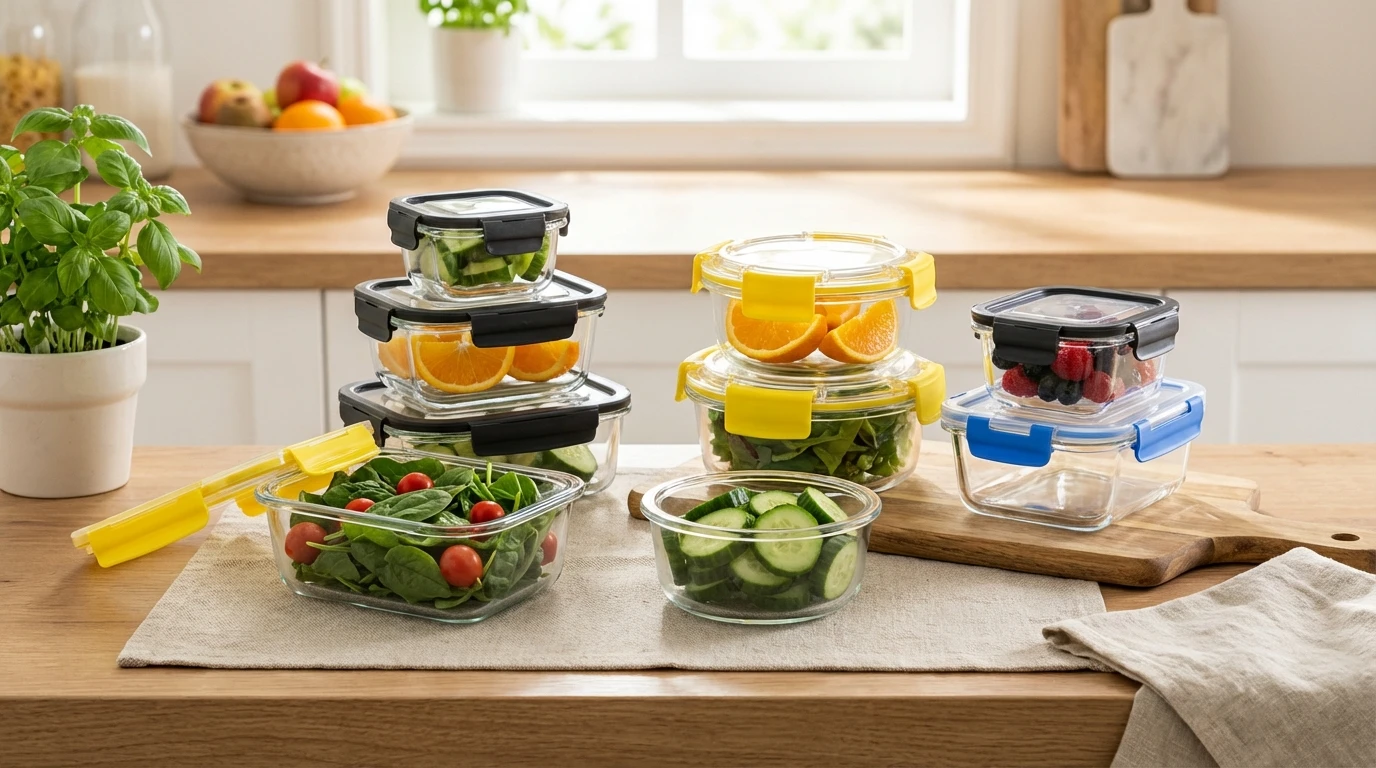
1.5 Litre Water Bottle Glass – Sustainable Hydration Solutions & Industry Insights
Understanding the Importance of the 1.5 Litre Water Bottle Glass in Today’s World
At first blush, a 1.5 litre water bottle glass might sound like a niche topic—something that matters mostly to manufacturers or packaging designers. But if you stop and think, that simple container plays a far bigger role globally than you might imagine. From hydration in remote communities to retail convenience and environmental impact, the humble 1.5 litre glass water bottle is one subtle but crucial piece of the puzzle towards sustainable living and global water distribution. The world’s thirst for clean, safe drinking water is only growing, projected to increase by over 40% by 2030 according to the United Nations (1). How we package and deliver water makes a difference—not just for consumers, but for the planet and industry economics. That's why understanding the design, use, and advantages of the 1.5 litre water bottle glass is vital.
The Global Context of 1.5 Litre Water Bottle Glass
Industry-wide, glass bottles represent roughly 20% of global beverage packaging, valued for purity and recyclability (ISO report, 2022)(2). The 1.5 litre size hits a sweet spot—it’s large enough to serve families or small groups conveniently but still manageable in weight and shape. A UNESCO water study noted that in developing nations, glass packaging helps reduce microplastic contamination compared to plastic bottles.
Yet there are challenges too. While plastic bottles dominate due to cost-effectiveness and convenience, glass bottles like the 1.5 litre water bottle glass are crucial for sustainable cycles because they can be recycled indefinitely. The tension between convenience, cost, and sustainability is at the core of packaging debates globally.
What Exactly Is a 1.5 Litre Water Bottle Glass?
A 1.5 litre water bottle glass is, in simple terms, a reusable or recyclable glass container designed to hold 1.5 litres of water. Crafted from tempered or annealed glass, the bottle offers a clear, inert material that does not react with its contents—keeping water taste pure and free from chemical leaching. It's a packaging alternative that balances size, material integrity, user convenience, and environmental consciousness.
More than just packaging, the 1.5 litre glass water bottle reflects modern industry trends moving toward sustainable and health-conscious consumption. It's also a common sight in humanitarian aid kits, where glass ensures pathogen-free, safe storage. Its clarity helps users see water levels clearly, promoting efficient hydration.
Core Components and Design Aspects
Durability and Safety
Unlike thin plastic bottles, a quality 1.5 litre glass bottle undergoes heat treatment processes that improve durability. Drop and impact resistance matter a lot, especially in busy markets or rugged transport, so manufacturers reinforce neck thickness and base stability.
Scalability and Customization
One neat feature of these bottles is scalability—manufacturers can tweak shapes, neck finishes, and label areas to suit branding or functional needs. Some even produce colored glass (like amber or blue) for UV protection, which helps preserve certain bottled waters or mineral-rich variants.
Cost Efficiency vs. Environmental Impact
While more expensive upfront than plastic counterparts, glass offers long-term cost benefits by being recycled again and again without degradation in quality, per the EPA (Environmental Protection Agency) reports. Plus, the perceived quality boost influences premium brand positioning.
Material Integrity and Taste Preservation
Glass’s inert nature plays a big role in preserving both water purity and user trust. It’s odorless, tasteless, and impervious to most chemicals, which is why many water brands prefer glass bottles for their flagship products.
Product Specification Table
| Feature | Specification |
|---|---|
| Capacity | 1.5 Litres (approx. 50.7 fl.oz) |
| Material | Tempered Glass (Recyclable) |
| Dimensions (approx.) | Height: 28 cm, Diameter: 9 cm |
| Weight (empty) | ~400 grams |
| Closure Type | Screw Cap or Cork Stopper |
| Recyclability | 100%, infinite recycling cycles |
How the 1.5 Litre Water Bottle Glass Is Used Worldwide
From bustling European markets to water aid projects in Africa and Asia, these bottles appear everywhere. In countries where plastic pollution is at crisis levels — think Southeast Asia or parts of South America — glass bottles offer a vital reusable alternative.
For instance, some NGOs provide clean water in glass bottles after natural disasters to avoid contamination concerns posed by plastics under extreme conditions. Meanwhile, boutique spring water companies in Europe and the US emphasize glass bottles for premium aesthetics and environmental credentials.
Urban restaurants favor the 1.5 litre glass bottles for table service, as their heft and clarity add to customer perception of quality. Oddly enough, places like Japan use these bottles not just practically but as collectible items because of the craftsmanship involved.
Vendor Comparison: Leading Suppliers of 1.5 Litre Water Bottle Glass
| Supplier | Material Quality | Custom Design | Price Range (per unit) | Sustainability Certifications |
|---|---|---|---|---|
| Yinto Glassware | Tempered, BPA-free | Full branding & shape options | $1.50 - $2.30 | ISO 9001, ISO14001 |
| Global Glass Co. | Annealed, food-grade | Limited label customization | $1.20 - $1.80 | ISO 9001 |
| EcoGlass Supplies | Recycled glass mix | Eco-conscious but shape-limited | $1.80 - $2.50 | Cradle-to-Cradle, ISO 14001 |
Advantages and Long-Term Value of Glass Bottles
The benefits are both obvious and subtle. Glass bottles are chemical-free and 100% recyclable, which means they’re a safer and greener option than plastic alternatives. This directly contributes to cutting down landfill waste and marine pollution—something the UN has warned about repeatedly (3).
Economically, while some brands hesitate over upfront investment costs, glass bottles can increase brand value and consumer trust. Imagine buying a water bottle that’s crisp, feels premium, and doesn’t off-gas anytime soon. Frankly, for many people, this increases repeat purchase intent and loyalty.
There’s also an emotional side: giving people a better container means improving their water experience, and kind of respecting the ritual of hydration—small dignity wins in a hectic world.
Where This Is Heading: Future Trends & Innovations
Tech development is pushing glass bottle manufacturing toward smarter, greener methods. Automation and AI improve quality control and reduce waste on assembly lines. Some startups are integrating sensor technology into bottles for water quality monitoring or freshness indicators.
Meanwhile, growing green energy use in glass furnaces cuts carbon footprints. And there’s a rush toward hybrid bottles with ergonomic plastic caps designed from recycled material, combining ease with sustainability.
Challenges & Solutions
Of course, glass is fragile—one major hurdle in logistics and user convenience. Manufacturers address this by reinforcing bottle shape and using protective secondary packaging. Breakage rates have dropped thanks to better design and handling.
Cost remains another hurdle in many markets—but as consumer awareness grows, premium and sustainable packaging demand is pushing manufacturers and vendors toward cost-effective innovations.
Frequently Asked Questions About 1.5 Litre Water Bottle Glass
- Q: Is glass really better than plastic for water bottles?
- A: Yes, mainly due to its inertness and infinite recyclability. Glass bottles avoid chemical leaching and microplastic pollution, offering a purer taste and better environmental profile.
- Q: How durable are 1.5 litre glass water bottles for daily use?
- A: Quality bottles are quite durable, especially tempered glass types designed to handle usual knocks and drops. Still, they require care compared to plastic. Protective cases and careful handling add longevity.
- Q: Are there customization options available for these bottles?
- A: Absolutely. Many suppliers offer full design customization, including embossed logos, colored glass, special finishes, and bespoke shapes to match brand identity.
- Q: How recyclable is the 1.5 litre glass bottle?
- A: It’s 100% recyclable and can be remelted and reshaped endlessly without degradation, unlike plastics which lose quality over time.
- Q: Can glass bottles be used in humanitarian relief efforts?
- A: Yes, their safety, purity, and reusability make glass bottles suitable for distributing safe drinking water in relief camps and remote areas.
Final Thoughts
The 1.5 litre water bottle glass might not be the flashiest topic, but it sits quietly at the crossroads of sustainability, design ingenuity, and global hydration needs. By choosing glass, industries and consumers alike get more than just a container—they get a vessel that respects taste, the planet, and the future. To explore quality and customized options, check out 1.5 litre water bottle glass. It’s a small switch with a ripple effect that matters.
Mini takeaway: The 1.5 litre glass water bottle blends sustainability, user convenience, and premium feel, serving both daily hydration needs and bigger environmental goals.
References:
-
Ultimate Guide to Choosing Big Glass Storage Containers for Every NeedNewsApr.16,2026
-
Small Glass Lunch Containers Guide for Healthy Meal PrepNewsApr.09,2026
-
Comprehensive Guide to Choosing the Best Storage Containers for Dishes and GlassesNewsApr.07,2026
-
Selecting The Optimal 300ml Food Containers For Your Business NeedsNewsApr.04,2026
-
Discover the Benefits of Durable 3 Cup Glass Food Storage ContainersNewsMar.31,2026
-
Comprehensive Guide to Choosing Superior Glass Divided Food ContainersNewsMar.28,2026
![[Extra Large with Handle] Oven Safe Glass Food Storage Container with Airtight Locking Lid & Handle, Oven Safe Dishwasher Safe](https://images.exportstart.com/images/a1251/extra-larger-glass-container-with-snap-locking-lid-164.webp "[Extra Large with Handle] Oven Safe Glass Food Storage Container with Airtight Locking Lid & Handle, Oven Safe Dishwasher Safe")
![[All Microwave Safe] High Borosilicate Glass Food Storage Container , Oven Safe without Lid, Dishwasher Safe](https://images.exportstart.com/images/a1251/squre-glass-container-with-glass-lid-518.webp "[All Microwave Safe] High Borosilicate Glass Food Storage Container , Oven Safe without Lid, Dishwasher Safe")
![[Sliding Vent PP Lid] Borosilicate Glass Food Storage Containers with Food-grade Plastic Lid, Airtight, Leak Resistant](https://images.exportstart.com/images/a1251/glass-food-storage-container-with-airtight-lid-183.webp "[Sliding Vent PP Lid] Borosilicate Glass Food Storage Containers with Food-grade Plastic Lid, Airtight, Leak Resistant")
![[Large Skylight Glass Lid] Glass Food Storage Container, Oven Safe with Lid, BPA Free, 100% Leak resistant](https://images.exportstart.com/images/a1251/glass-lid-food-storage-container-1-1-196.webp "[Large Skylight Glass Lid] Glass Food Storage Container, Oven Safe with Lid, BPA Free, 100% Leak resistant")
![[Colorful Vent PP Lid] Glass Food Storage Container, BPA Free, Leakproof, Dishwasher Safe](https://images.exportstart.com/images/a1251/002-1-639.webp "[Colorful Vent PP Lid] Glass Food Storage Container, BPA Free, Leakproof, Dishwasher Safe")
![[Color Vent PP Lid] Borosilicate Glass Food Storage Container, Leakproof, Dishwasher Safe](https://images.exportstart.com/images/a1251/1-941.webp "[Color Vent PP Lid] Borosilicate Glass Food Storage Container, Leakproof, Dishwasher Safe")
![[Vacuum AS] Food Storage Container with Pump](https://images.exportstart.com/images/a1251/7-1-397.webp "[Vacuum AS] Food Storage Container with Pump")