 TEL: +86 18903393212
 Email: tina@yintoglassware.com

Double Wall Cup with Handle: Benefits, Uses & Innovations for Sustainable Drinkware
Understanding the Double Wall Cup with Handle: Innovation Meets Functionality
At first glance, a double wall cup with handle might seem like a simple kitchen staple—but it’s actually a surprisingly relevant product when you zoom out to a global scale. Why does it matter beyond just holding your morning coffee or tea? Well, these cups embody advances in material science and design aimed at improving user comfort, heat retention, sustainability, and durability—features increasingly important given today’s environmental challenges and lifestyle needs. In fact, understanding these cups can offer insights into broader trends in manufacturing, sustainability, and consumer convenience worldwide.
Global Context: Hot Beverage Culture & Environmental Impact
Hot beverages dominate daily routines for billions—from the tea ceremonies of East Asia to the coffee breaks in Western offices. According to the International Coffee Organization, over 2.25 billion cups of coffee are consumed daily worldwide. That’s a lot of cups! Combine this volume with rising awareness around single-use plastics and waste, and the double wall cup with handle becomes an appealing alternative.
Statistics from the World Bank suggest nearly 300 million tons of plastic waste enter the environment yearly, much from disposable containers. This problem fuels innovation in reusable drinkware. The double wall cup with handle tackles two key issues: heat insulation to keep drinks hot or cold longer, and a comfortable handle to prevent burns or spills. Consider how many times you’ve juggled a steaming cup safely—that handle is not just convenience but safety.
What Exactly Is a Double Wall Cup with Handle?
Simply put, it’s a cup designed with two layers of material separated by a small air gap. This “double wall” provides insulation, keeping your drink warm (or cold) without the cup’s outer surface becoming too hot to hold. Add a handle, and you have a user-friendly vessel improving grip and comfort. Common materials range from borosilicate glass to stainless steel and BPA-free plastics, each bringing unique advantages.
This design is more than just kitchen convenience. In remote or humanitarian settings—a field I’ve worked with extensively—these cups offer safer, reusable options for vulnerable populations, reducing waste and health risks from poorly insulated containers.
Core Components of the Double Wall Cup with Handle
- Insulation Efficiency: The air gap or vacuum between the walls minimizes heat transfer, keeping beverages at the desired temperature longer.
- Material Durability: Many cups use borosilicate glass for thermal resistance or stainless steel for ruggedness, both built to resist daily wear.
- Ergonomic Handle Design: The handle not only helps avoid burns but also improves grip, a small but impactful detail.
- Eco-friendly Production: Some manufacturers emphasize recyclable materials and sustainable processes to reduce environmental footprint.
- Capacity and Form Factor: Sizes typically range between 250 to 400 ml, balancing portability and drink volume.
In practical terms, these features combine for a product optimized not only for personal enjoyment but broader initiatives in sustainability and safety.
Mini Takeaway:
The double wall construction plus handle design is a neat synergy of science and user-focused design, serving comfort, safety, and sustainability.
Product Specifications of a Typical Double Wall Cup with Handle
| Spec | Details |
|---|---|
| Material | Borosilicate Glass / Stainless Steel / BPA-Free Plastic |
| Capacity | 300ml (typical), ranges 250-400ml |
| Temperature Resistance | -20°C to 150°C |
| Insulation Type | Double Wall + Air Gap / Vacuum |
| Weight | Approx. 200g (varies by material) |
| Handle | Ergonomic, heat-resistant plastic or glass |
Global Vendors: A Quick Comparison
| Brand | Material | Price Range | Sustainability Features |
|---|---|---|---|
| Yinto Glassware | Borosilicate Glass | $$ | Recyclable, lead-free, long-lasting |
| ThermoSip | Stainless Steel | $$$ | Vacuum insulated, BPA-free coatings |
| EcoCup Co. | Recycled Plastic | $ | Made from 80% recycled materials |
Uses Across Industries and Regions
The double wall cup with handle shines in more than cafes and homes. In healthcare, hospitals use them to provide patients with easy-to-hold drinkware that helps prevent spills and burns—a small matter with big safety implications. NGOs and humanitarian groups have found these cups useful in emergency shelters and disaster relief zones, offering durable, easy-to-clean, and safe vessels to aid distribution of hot fluids where sterilization is a concern.
Oddly enough, in some remote manufacturing zones, workers appreciate double wall cups because they maintain beverage temperature during long shifts, boosting morale and hydration. In colder climates—Scandinavia, Canada, Russia—this cup type is almost a necessity for outdoor workers and adventurers alike.
Mini Takeaway:
From hospitals to disaster zones, the double wall cup with handle is a versatile tool enhancing safety, comfort, and sustainability across many contexts worldwide.
Advantages and Long-Term Value
- Cost-Effectiveness: Reusable double wall cups reduce the expense and waste from disposable cups over time.
- Environmental Impact: Their longevity and recyclable materials lessen landfill burden.
- User Safety: Insulation and handles prevent burns and spills, protecting vulnerable groups.
- Enhanced Experience: Drinks maintain ideal temperatures, improving taste and satisfaction.
- Trusted Design: The simple yet effective structure lends confidence in reliability.
Emerging Trends and Innovations
Moving forward, we’re seeing a push towards integrating smart features—cups embedded with temperature sensors that alert users when their drink reaches the optimal temperature or is cooling down. Material innovation is booming too, with bioplastics and recycled composites becoming more common.
Companies are also experimenting with digital design and automation in manufacturing, reducing costs and improving customization. Sustainability policies across regions worldwide encourage manufacturers to limit waste, increase recyclability, and reduce carbon footprint in production—all shaping the future of double wall cup with handle development.
Current Challenges and Solutions
One notable challenge is balancing insulation effectiveness with cost and weight. Vacuum insulated stainless steel cups can be pricey and heavier, while plastic alternatives may lack longevity. Quality control during manufacturing is essential to avoid cracks or leaks that defeat the design’s purpose. Some niche solutions include hybrid material cups or modular components for ease of repair and upgrade.
Experts suggest consumers consider use-case scenarios before investing—and vendors focus on transparent sourcing and robust testing protocols. It’s all about smart choice and responsible production.
Frequently Asked Questions About Double Wall Cups with Handle
- Q: What materials are best for durability and insulation?
- A: Borosilicate glass offers excellent thermal resistance and clarity but is more fragile; stainless steel provides ruggedness and vacuum insulation but at a higher cost and weight.
- Q: How do I clean a double wall cup effectively without damaging it?
- A: Handwashing with mild detergent is safest, especially for glass. Avoid abrasive sponges and sudden temperature changes to prevent damage.
- Q: Are these cups environmentally friendly compared to disposable cups?
- A: Absolutely. Their reusability and recyclable materials dramatically lower waste and resource consumption over time.
- Q: Can I use a double wall cup with handle for cold drinks as well?
- A: Yes! The insulation works bi-directionally, keeping cold drinks chilled and outside free from condensation.
In Closing: Why the Double Wall Cup with Handle Deserves a Spot in Your Life
The double wall cup with handle is more than an elegant container for your favorite drink — it’s a product that reflects thoughtful design, comfort, and an awareness of our environmental footprint. Over time, its benefits compound in cost savings, safety, and durability. Whether you’re a casual tea lover, a healthcare provider, or working in remote sites, this cup makes daily life a bit easier while helping global efforts towards sustainability.
Curious to explore a wide selection? Visit Yinto Glassware for quality double wall cups with handles that combine sophistication and resilience.
Here’s to enjoying your beverages safely and sustainably—one cup at a time.
Quick Reflection
Oddly enough, what seems like a simple cup offers a window into the complexities of product innovation amid environmental urgency. It’s a humble reminder: small design choices can ripple into global impact.
References
-
Ultimate Guide to Choosing Big Glass Storage Containers for Every NeedNewsApr.16,2026
-
Small Glass Lunch Containers Guide for Healthy Meal PrepNewsApr.09,2026
-
Comprehensive Guide to Choosing the Best Storage Containers for Dishes and GlassesNewsApr.07,2026
-
Selecting The Optimal 300ml Food Containers For Your Business NeedsNewsApr.04,2026
-
Discover the Benefits of Durable 3 Cup Glass Food Storage ContainersNewsMar.31,2026
-
Comprehensive Guide to Choosing Superior Glass Divided Food ContainersNewsMar.28,2026
![[Extra Large with Handle] Oven Safe Glass Food Storage Container with Airtight Locking Lid & Handle, Oven Safe Dishwasher Safe](https://images.exportstart.com/images/a1251/extra-larger-glass-container-with-snap-locking-lid-164.webp "[Extra Large with Handle] Oven Safe Glass Food Storage Container with Airtight Locking Lid & Handle, Oven Safe Dishwasher Safe")
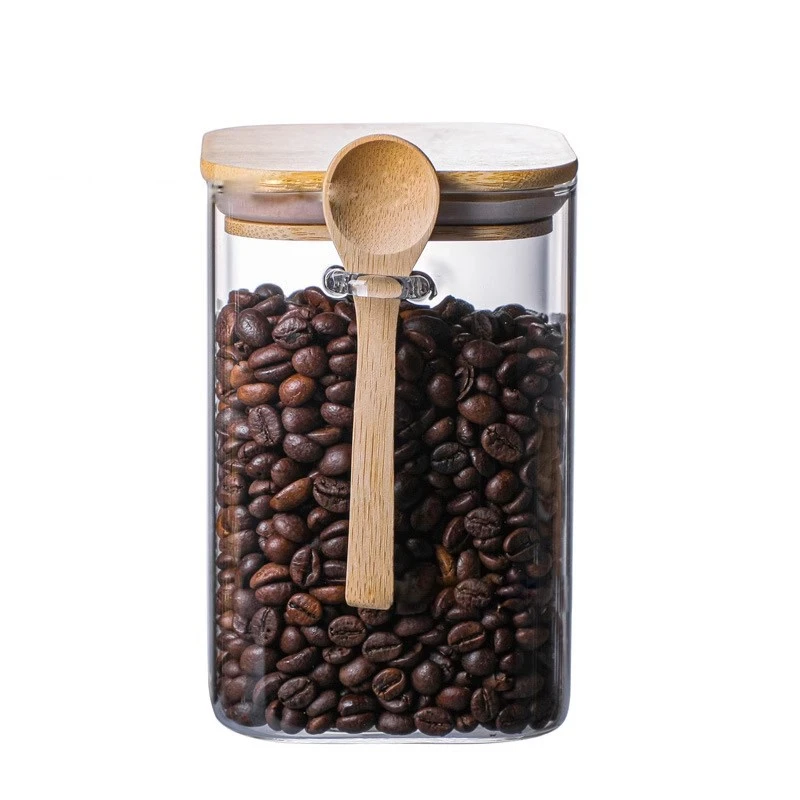
![[All Microwave Safe] High Borosilicate Glass Food Storage Container , Oven Safe without Lid, Dishwasher Safe](https://images.exportstart.com/images/a1251/squre-glass-container-with-glass-lid-518.webp "[All Microwave Safe] High Borosilicate Glass Food Storage Container , Oven Safe without Lid, Dishwasher Safe")
![[Sliding Vent PP Lid] Borosilicate Glass Food Storage Containers with Food-grade Plastic Lid, Airtight, Leak Resistant](https://images.exportstart.com/images/a1251/glass-food-storage-container-with-airtight-lid-183.webp "[Sliding Vent PP Lid] Borosilicate Glass Food Storage Containers with Food-grade Plastic Lid, Airtight, Leak Resistant")
![[Large Skylight Glass Lid] Glass Food Storage Container, Oven Safe with Lid, BPA Free, 100% Leak resistant](https://images.exportstart.com/images/a1251/glass-lid-food-storage-container-1-1-196.webp "[Large Skylight Glass Lid] Glass Food Storage Container, Oven Safe with Lid, BPA Free, 100% Leak resistant")
![[Colorful Vent PP Lid] Glass Food Storage Container, BPA Free, Leakproof, Dishwasher Safe](https://images.exportstart.com/images/a1251/002-1-639.webp "[Colorful Vent PP Lid] Glass Food Storage Container, BPA Free, Leakproof, Dishwasher Safe")
![[Color Vent PP Lid] Borosilicate Glass Food Storage Container, Leakproof, Dishwasher Safe](https://images.exportstart.com/images/a1251/1-941.webp "[Color Vent PP Lid] Borosilicate Glass Food Storage Container, Leakproof, Dishwasher Safe")
![[Vacuum AS] Food Storage Container with Pump](https://images.exportstart.com/images/a1251/7-1-397.webp "[Vacuum AS] Food Storage Container with Pump")