 TEL: +86 18903393212
 Email: tina@yintoglassware.com

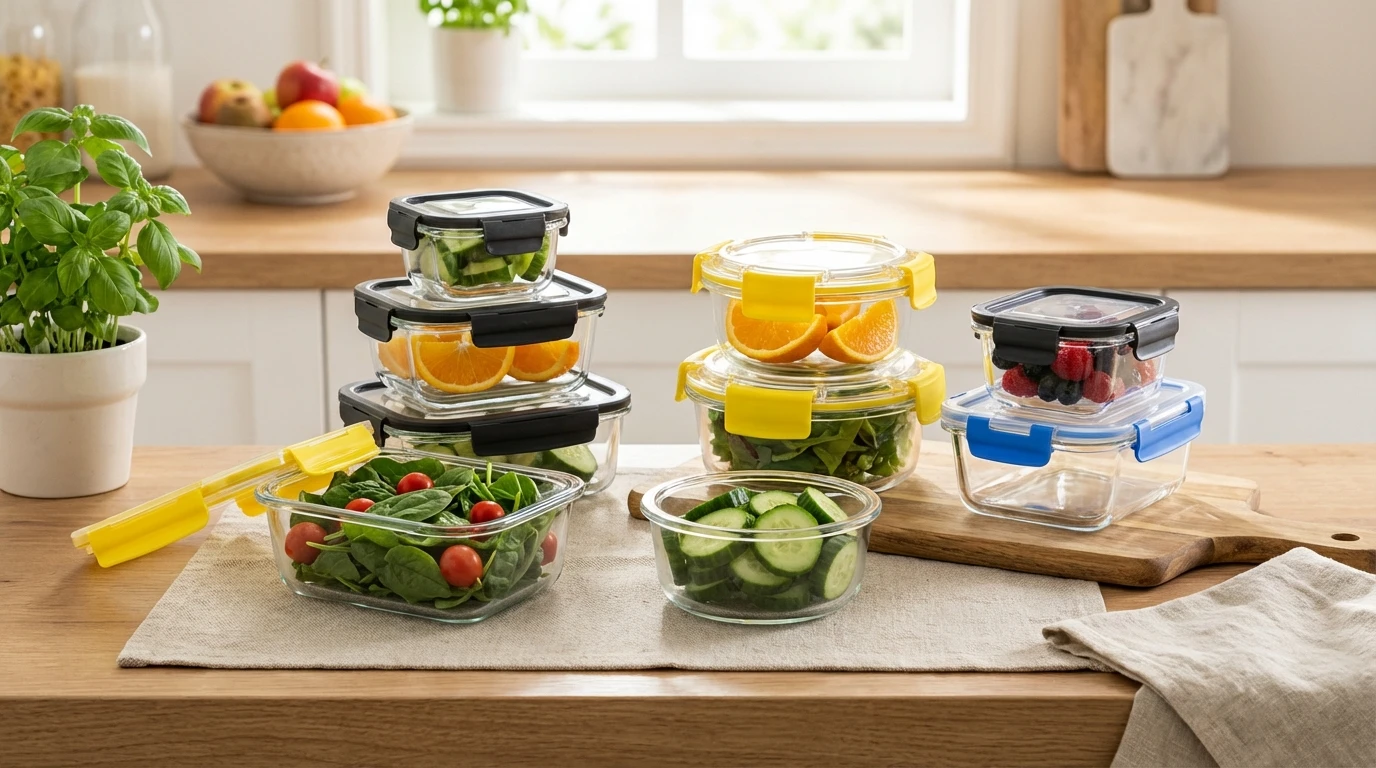
Glass Water Bottle Healthy: The Smart Choice for Health & Sustainability in 2024
Why Glass Water Bottle Healthy Matters More Than Ever
It’s funny when you think about it: a simple glass water bottle has quietly become one of the unsung heroes of sustainable living and health-conscious choices worldwide. But beyond the sleek silhouette and minimalist design, there’s an important story here that ties together public health, environmental responsibility, and global trends toward safer hydration options.
Globally, access to safe drinking water is a challenge, with the World Health Organization highlighting that 2 billion people still consume contaminated water. At the same time, single-use plastic consumption hits record highs — over 380 million tons annually according to recent estimates from the United Nations Environment Programme. Not a great combo.
Embracing a glass water bottle healthy solution isn’t just a fad or a quirk of eco-boutique culture. It’s a practical step with measurable benefits that address both health and sustainability concerns.
Setting the Stage: Glass Water Bottles in a Global Health and Environmental Context
So where does the glass water bottle fit into this massive global puzzle? Pretty centrally, it turns out. The global bottled water market is booming — valued over $200 billion — but plastic holds an overwhelming share. Glass, on the other hand, offers a reusable, non-toxic alternative that’s been endorsed by ISO standards for packaging safety and material inertness. It doesn’t leach chemicals, unlike some plastics, making it a natural choice for health-conscious users.
Interestingly, countries with rising public health investments such as Japan, Germany, and Canada have seen an uptick in glass water container use, particularly in public and hospitality settings where health safety is paramount. NGOs working in disaster relief and remote village programs also prefer glass containers when possible because they’re inert, recyclable, and don’t degrade water quality over time.
One challenge: glass can be fragile and heavier, which creates logistical headaches for large-scale distribution. But innovation in design and manufacturing has slowly addressed these concerns — more on that soon.
Breaking It Down: What Is “Glass Water Bottle Healthy”?
At face value, the phrase glass water bottle healthy simply refers to glass water bottles that promote or preserve health. But there’s a subtlety embedded here. It’s less about the bottle itself being “healthy” and more about the bottle’s material properties ensuring the water inside remains uncontaminated, fresh, and safe to drink.
In technical terms, glass is chemically inert, meaning it doesn’t react with the liquids it holds. It’s also impermeable to gases and vapors, preventing external contamination. These intrinsic properties make glass water bottles ideal for maintaining water purity, which is central to health outcomes.
On the broader industry side, “glass water bottle healthy” overlaps with sustainable manufacturing, reduction in microplastics contamination, and compliance with international health standards for drinking vessels.
Key Factors that Make Glass Water Bottles a Healthy Choice
Durability and Safety
Glass might seem fragile, but modern glass bottles benefit from tempered and borosilicate formulations, making them more resistant to breakage and thermal shock. Many bottles come with silicone sleeves or protective coatings for everyday use. These advances retain glass’s health benefits without the fragility stigma.
Non-Toxic and Inert Material
Unlike BPA or phthalate-containing plastics, glass doesn’t release harmful substances, even when exposed to heat or sunlight. This stability reduces health risks linked to chemical migration.
Environmental Sustainability
Recyclable infinitely without loss of quality, glass aligns with circular economy principles. Switching to a glass water bottle (healthy-style) can significantly reduce single-use plastic waste.
Thermal Insulation and Taste Preservation
Glass bottles keep water tasting fresh, without that plastic “aftertaste.” They also handle hot or cold liquids well, especially when combined with insulation sleeves.
Design Versatility and Customization
From minimalist chic to branded swag, glass bottles can be customized to meet user needs and marketing aims alike while maintaining hygiene and inertness.
Compliance with Health Standards
Many glass water bottles adhere to FDA and ISO standards for food contact materials, offering assurance to consumers and businesses.
Global Applications & Real-World Use Cases
- Disaster Relief Operations: Organizations like Médecins Sans Frontières prefer glass bottles where shipping logistics allow, to ensure survivors get safe water without chemical contamination risks.
- Hospitality Industry in Europe: Boutique hotels increasingly offer glass bottled water to guests, citing both health image and taste superiority.
- School Programs in North America: Schools promote glass to avoid plastic waste and reduce chemical exposure in children.
- Industrial & Remote Regions: Mining camps and remote offices use durable glass water bottles to minimize plastic disposal challenges.
One interesting example: a German manufacturer partnered with NGOs distributing water in refugee camps. Glass bottles were distributed with silicone protectors, balancing health and durability.
Mini Takeaway:
Glass water bottles are everywhere, not just a lifestyle accessory but a practical tool supporting health and sustainability in diverse, critical settings.
Advantages and Lasting Value of Choosing Glass Water Bottle Healthy
Let’s be frank — the benefits are multifaceted. First, you reduce your chemical exposure dramatically. There’s no trace of nasty plastics seeping into water, which matters for daily hydration and sensitive groups like children or immunocompromised adults.
Second, environmental impact. Recycling glass saves energy, reduces landfill, and cuts pollution. Third, user experience. Glass simply tastes better — it’s a sensory thing that’s been affirmed by countless taste tests.
Emotionally and socially, there’s dignity in using a glass bottle. The trust factor is high; it signals care and mindfulness.
Product Specifications at a Glance
| Specification | Typical Values |
|---|---|
| Material | Borosilicate Glass |
| Capacity | 500 ml to 1 L |
| Weight | 250-400 grams (depends on size) |
| Temperature Range | -20°C to 150°C |
| Safety Features | Silicone sleeve, BPA-free cap |
| Certifications | FDA, ISO 9001 Compliant |
How Do Leading Vendors Stack Up?
| Vendor | Material Quality | Design Options | Price Range (USD) | Eco Certifications |
|---|---|---|---|---|
| Yinto Glassware | Premium Borosilicate | Customizable Colors & Logos | $8 - $12 | ISO 9001, FDA & RoHS |
| ClearPure | Standard Glass | Limited Templates | $6 - $9 | FDA Approved |
| EcoSip | Recycled Glass | Basic Colors | $7 - $10 | Green Seal Certified |
Looking Ahead: Trends & Innovations in Glass Water Bottles
Smart hydration? It’s coming. Several startups are integrating thermochromic glass and embedded sensors to signal water temperature or consumption levels. Then there’s the rise of ultra-thin, shatter-resistant glass developed through nanotechnology—cutting weight without compromising strength.
One promising development is harnessing solar-powered UV sterilization caps to keep water safe on the go, especially in regions where water quality fluctuates.
Material-wise, there’s also a push toward hybrid glass-polymer composites that maintain health benefits while reducing fragility and weight.
Challenges and How Experts Are Addressing Them
Glass bottles aren’t perfect. Breakage risk is a real concern, particularly for children or in travel scenarios. Weight can discourage some users, especially those who prioritize ultralight gear.
To counter this, vendors like yintoglassware.com offer protective silicone sleeves, reinforced bases, and ergonomic shapes that boost grip and reduce accidents.
Cost remains higher than plastics, but many engineers argue the lifecycle savings—less chemical exposure, fewer replacements, ultimate recyclability—offset the upfront price.
FAQ: Answers to Common Questions About Glass Water Bottle Healthy
- Are glass water bottles safer than plastic ones for daily use?
- Yes. Glass is chemically inert, so it won’t leach harmful substances into your water, making it a safer choice especially when bottles are exposed to heat or sunlight.
- Can glass water bottles break easily during outdoor activities?
- While traditional glass can be fragile, many bottles today use reinforced or borosilicate glass paired with silicone sleeves to enhance durability without sacrificing health benefits.
- How should I clean a glass water bottle to keep it healthy?
- Glass bottles are dishwasher safe and easy to sanitize by boiling or using sterilizing tablets, making them hygienic over long-term use.
- Are glass water bottles environmentally friendly?
- Absolutely. Glass is recyclable endlessly and reduces dependence on single-use plastics, making it a sustainable hydration option.
- Where can I find customizable healthy glass water bottles?
- Several manufacturers, including Yinto Glassware, offer customization options such as colored sleeves, logos, and packaging tailored to your brand or needs.
Wrapping It Up: Why a Glass Water Bottle Healthy Is a Smart Long-Term Choice
Choosing a glass water bottle isn’t just about drinking water differently; it’s about embracing health, innovation, and sustainability at the same time. When you sip from glass, you’re connecting with an age-old material refined by modern technology to meet today’s standards.
Why not try it out? For those who care a bit extra about what touches their lips and the planet they live on, a glass water bottle healthy solution could be the simplest positive habit you adopt this year.
If you want to explore options, check out Yinto Glassware for a variety of customizable, health-forward glass bottles designed with care and backed by solid certifications.
Mini Takeaway:
The glass water bottle isn’t just a container — it’s a lifestyle choice that blends health, taste, and planet-friendly action. Simple, powerful, and worth it.
References
-
Ultimate Guide to Choosing Big Glass Storage Containers for Every NeedNewsApr.16,2026
-
Small Glass Lunch Containers Guide for Healthy Meal PrepNewsApr.09,2026
-
Comprehensive Guide to Choosing the Best Storage Containers for Dishes and GlassesNewsApr.07,2026
-
Selecting The Optimal 300ml Food Containers For Your Business NeedsNewsApr.04,2026
-
Discover the Benefits of Durable 3 Cup Glass Food Storage ContainersNewsMar.31,2026
-
Comprehensive Guide to Choosing Superior Glass Divided Food ContainersNewsMar.28,2026
![[Extra Large with Handle] Oven Safe Glass Food Storage Container with Airtight Locking Lid & Handle, Oven Safe Dishwasher Safe](https://images.exportstart.com/images/a1251/extra-larger-glass-container-with-snap-locking-lid-164.webp "[Extra Large with Handle] Oven Safe Glass Food Storage Container with Airtight Locking Lid & Handle, Oven Safe Dishwasher Safe")
![[All Microwave Safe] High Borosilicate Glass Food Storage Container , Oven Safe without Lid, Dishwasher Safe](https://images.exportstart.com/images/a1251/squre-glass-container-with-glass-lid-518.webp "[All Microwave Safe] High Borosilicate Glass Food Storage Container , Oven Safe without Lid, Dishwasher Safe")
![[Sliding Vent PP Lid] Borosilicate Glass Food Storage Containers with Food-grade Plastic Lid, Airtight, Leak Resistant](https://images.exportstart.com/images/a1251/glass-food-storage-container-with-airtight-lid-183.webp "[Sliding Vent PP Lid] Borosilicate Glass Food Storage Containers with Food-grade Plastic Lid, Airtight, Leak Resistant")
![[Large Skylight Glass Lid] Glass Food Storage Container, Oven Safe with Lid, BPA Free, 100% Leak resistant](https://images.exportstart.com/images/a1251/glass-lid-food-storage-container-1-1-196.webp "[Large Skylight Glass Lid] Glass Food Storage Container, Oven Safe with Lid, BPA Free, 100% Leak resistant")
![[Colorful Vent PP Lid] Glass Food Storage Container, BPA Free, Leakproof, Dishwasher Safe](https://images.exportstart.com/images/a1251/002-1-639.webp "[Colorful Vent PP Lid] Glass Food Storage Container, BPA Free, Leakproof, Dishwasher Safe")
![[Color Vent PP Lid] Borosilicate Glass Food Storage Container, Leakproof, Dishwasher Safe](https://images.exportstart.com/images/a1251/1-941.webp "[Color Vent PP Lid] Borosilicate Glass Food Storage Container, Leakproof, Dishwasher Safe")
![[Vacuum AS] Food Storage Container with Pump](https://images.exportstart.com/images/a1251/7-1-397.webp "[Vacuum AS] Food Storage Container with Pump")