 TEL: +86 18903393212
 Email: tina@yintoglassware.com

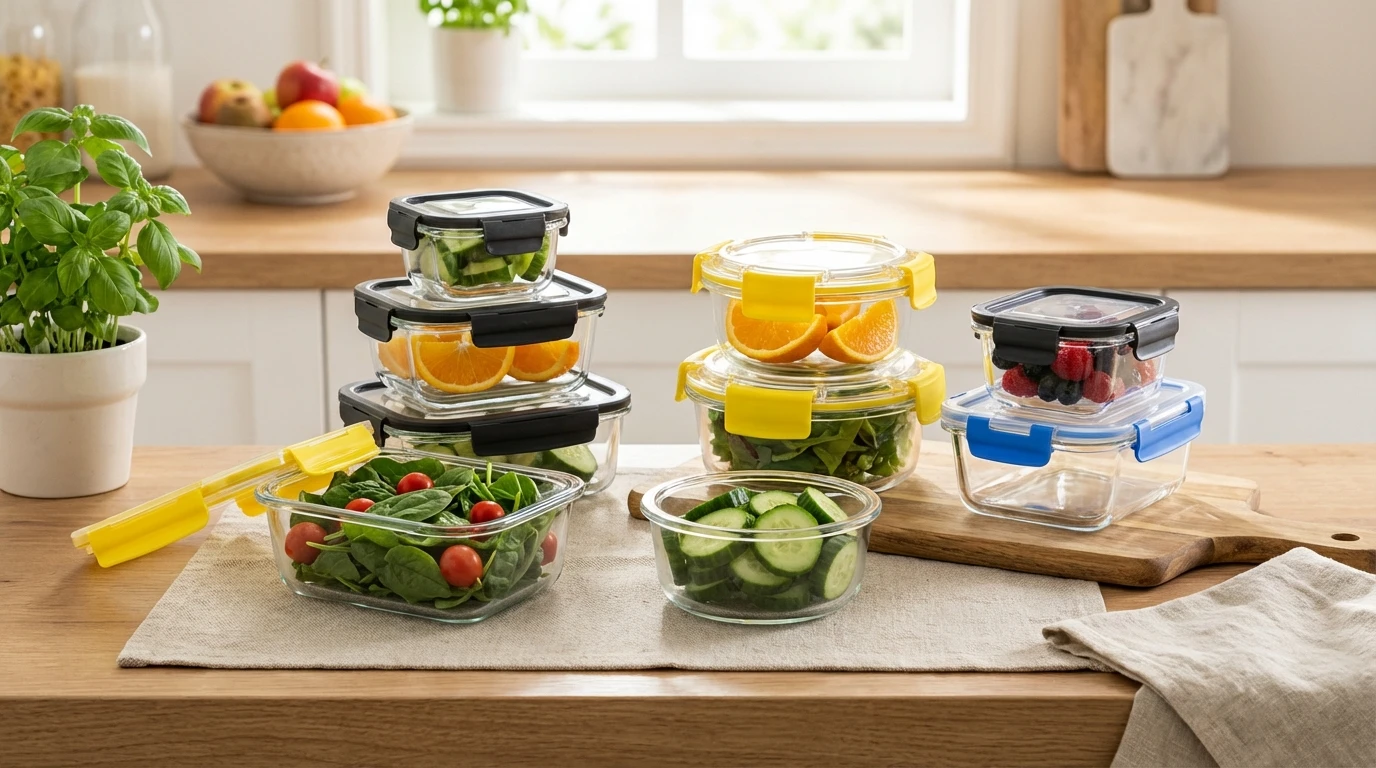
Clear 32 oz Water Bottle – Durable, Safe & Eco-Friendly Hydration Solutions
Clear 32 oz Water Bottles: Why They Matter More Than You Think
If you’ve ever stopped mid-hike, gym session, or commute to grab a sip from a clear 32 oz water bottle, you might have taken for granted just how much goes into these humble hydration tools. On the surface, it’s just a container for water — clear to see the contents, sized just right for a day’s worth of hydration. But globally? These bottles represent something much bigger: a blend of sustainability, health, and convenience that touches every industry and community.
Understanding the design, usage, and impact of clear 32 oz water bottles isn’t just for outdoor enthusiasts or hydration advocates — it’s a small window into how products can meet practical needs, environmental goals, and commercial demands. So, if you’re wondering why a simple plastic or glass bottle matters in a world focused on smarter, greener solutions, stick around. There’s more to this bottle than meets the eye.
Clear 32 oz Water Bottles: A Window on Industry and Global Needs
Water is life's essential companion, and container innovation is no trivial matter. According to the UN Water Statistics, over 2 billion people globally lack access to safely managed drinking water services. That means the bottles we take for granted in North America or Europe symbolize a practical, scalable solution for hydration everywhere.
Clear 32 oz water bottles meet a particular demand: they're large enough to reduce constant refills, transparent to easily check contents or cleanliness, and designed to pair well with active lifestyles or medical contexts. The World Bank highlights that access to potable water heavily influences health outcomes and economic productivity, so having reliable, reusable bottles helps reduce plastic waste while pumping clean water where it’s needed most.
Yet, the challenge remains: combating single-use plastics, ensuring BPA-free materials, and delivering durability in a price-conscious market. The clear 32 oz water bottle addresses these by blending form and function, moving industry norms towards eco-conscious, trustworthy hydration solutions globally.
Mini Takeaway:
These bottles aren’t just containers; they're critical tools supporting global water safety, personal health, and sustainability targets that both industry and consumers care about deeply.
What Exactly Is a Clear 32 oz Water Bottle?
At its core, a clear 32 oz water bottle simply means a translucent container designed to hold 32 fluid ounces — roughly a liter — of water or any other beverage. The “clear” aspect usually implies transparency via plastic like Tritan or PET, or glass, enabling users to see the liquid level or any impurities promptly.
But beyond that basic definition, they serve as a nexus for modern design simplicity and environmental responsibility. Many models emphasize BPA-free materials, leak-proof caps, and ergonomic shapes for convenience. This make them favored in fitness, healthcare, emergency preparedness, and even corporate wellness programs.
Their wide volume strikes a balance: more capacity than a typical 16 oz bottle (which often means fewer refills needed), but still small enough for a backpack side pouch or office desk.
Mini Takeaway:
Clear 32 oz water bottles blend practical size, safe materials, and user-friendly design to meet modern hydration needs everywhere.
Key Aspects That Make Clear 32 oz Water Bottles a Go-To Choice
Durability
Whether made from BPA-free plastic or tempered glass, these bottles often withstand drops, rough handling, and temperature changes — essential in real-world use. Manufacturers have stepped up material quality, making some products not only reusable but reusable for years.
Transparency
The clear design isn’t just aesthetic. It helps users detect sediment, monitor water consumption, and avoid bacterial growth — a simple way to enhance safety and trust, especially in outdoor or healthcare contexts.
Portability
With a size that balances bulk and capacity, these bottles fit car cup holders, gym bags, and backpack compartments. Many feature spill-proof lids, carry loops, or insulation options.
Cost Efficiency
Producing these bottles efficiently has lowered their cost, enabling widespread use worldwide — from US office workers to humanitarian aid kits in drought-prone areas. A one-time investment in quality bottles cuts down both single-use plastics and long-term expenses.
Material Safety & Eco-Friendliness
Leading products embrace non-toxic plastics or recycled glass, aligning with ISO standards on food safety and reducing environmental footprints. It’s a subtle but impactful shift as companies strive for greener supply chains.
Design Versatility
Many clear 32 oz bottles can be customized with logos, measurement markings, or added filters — broadening their appeal to corporations, NGOs, and niche markets alike.
Mini Takeaway:
- Robust materials, clear visibility, practical size, and safety converge to define what consumers expect from these bottles today.
- Behind the scenes, manufacturers tackle cost, regulations, and design challenges to keep them accessible and reliable.
Real-World Use: Where Clear 32 oz Water Bottles Shine
These bottles show up everywhere from urban gyms to international aid convoys. Consider some scenarios:
- Outdoor Adventures: Hikers and cyclists rely on durable, leak-proof bottles that let them monitor hydration without fuss.
- Healthcare Facilities: Hospitals and clinics use clear bottles for medication hydration protocols or patient safety.
- Disaster Relief: In places like sub-Saharan Africa or after typhoons in Southeast Asia, organizations supply large, refillable water bottles as part of clean water kits.
- Corporate Wellness: Businesses distribute branded 32 oz bottles to encourage hydration and reduce disposable plastic waste.
In many remote industrial zones, reliable water access is non-negotiable for worker safety — large, clear bottles make it easier to monitor and encourage consistent drinking habits. The diversity in use cases shows why the clear 32 oz water bottle is far from a one-trick pony.
Mini Takeaway:
From corporate desk to disaster zone, these bottles support health, convenience, and sustainability in strikingly different environments.
Clear 32 oz Water Bottle: Essential Specifications
| Specification | Typical Value | Notes |
|---|---|---|
| Capacity | 32 fl oz (946 ml) | Ideal daily hydration volume |
| Material | BPA-free Tritan / PET plastic or borosilicate glass | Food-safe and durable |
| Dimensions (approx.) | 9” height x 3.5” diameter | Fits most cup holders |
| Lid Type | Screw-on / flip-top options | Leak-proof designs available |
| Weight (empty) | 150 - 250 grams | Varies by material |
| Customization | Logo printing, measurement markers | Corporate or NGO branding |
Vendor Comparison: Finding the Right Clear 32 oz Water Bottle Supplier
| Vendor | Material Options | Customization | Minimum Order Quantity (MOQ) | Price Range (USD) | Lead Time |
|---|---|---|---|---|---|
| Yinto Glassware | Tritan plastic, Glass | Full printing & color options | 100 pcs | $2.50 - $6.00 | 2-3 weeks |
| EcoSip Co. | Recycled PET | Limited logo | 500 pcs | $3.00 - $5.50 | 3-4 weeks |
| HydrateNow | Borosilicate glass only | Custom engraving | 50 pcs | $7.00 - $12.00 | 1-2 weeks |
The Advantages and Long-Term Benefits of Using a Clear 32 oz Water Bottle
From a user perspective, picking a clear 32 oz water bottle is a smart choice for several reasons. First, the larger size means fewer trips to refill, which often means drinking more water, improving health quietly but effectively. The transparency builds trust—if your water looks off, you notice immediately.
Environmentally, choosing reusable bottles reduces single-use plastic waste significantly. According to the ISO Environmental Management standards, reducing plastic footprints aligns with corporate social responsibility goals that customers increasingly demand.
For businesses and NGOs, distributing branded or certified clear bottles fosters goodwill and consistent hydration campaigns, essential in both office culture and humanitarian efforts. There’s also an emotional dimension: handing someone a durable, clear bottle says “we care about your health and dignity,” especially in relief or health outreach contexts.
What’s Next? Trends and Innovations in Clear 32 oz Water Bottles
Material innovation keeps pushing limits — bio-based plastics, antimicrobial coatings, and improved glass composites are already entering the market. Tech integration isn’t far behind. Some brands experiment with embedded sensors that track water intake or UV sterilization caps powered by solar or kinetic energy — giving hydration analytics a futuristic spin.
From a regulatory angle, tighter restrictions on BPA and microplastic contamination will shape sourcing and design choices, nudging suppliers to greener material certification. Supply chains adapt too, with local production hubs minimizing emissions and boosting emergency responsiveness.
Challenges and Solutions: What to Watch Out For
One major challenge is balancing cost with quality and environmental impact. Ultra-cheap plastics degrade quickly and may leak chemicals, but glass versions tend to be heavier and more fragile. Oddly enough, user behavior also matters: many still treat reusable bottles like disposables, tossing them too soon or failing to clean properly, leading to health risks.
Experts suggest emphasizing consumer education alongside design improvements — easy-to-clean lids, dishwasher-safe materials, or even biodegradable variants being tested. The innovation race is on, and from what I’ve seen, it’s promising.
FAQ: Your Clear 32 oz Water Bottle Questions Answered
- Q: What material is safest for a clear 32 oz water bottle?
- A: BPA-free Tritan plastic and borosilicate glass are currently the safest, meeting international food-grade standards. Glass is chemical-free but breaks more easily; Tritan offers durability with safety certifications.
- Q: Can these bottles keep beverages cold or hot?
- A: Most basic clear bottles are single-wall and perform poorly for temperature retention. However, insulated versions with double walls or vacuum seals exist, sometimes at higher cost and slightly different designs.
- Q: How often should I clean my 32 oz bottle?
- A: Ideally, after every use. Bacteria and mold can grow quickly in warm, moist environments. Dishwasher-safe options simplify this, but even hand-washing with soap and a bottle brush works well.
- Q: Is customizing the bottle with logos safe for food contact?
- A: Yes, reputable manufacturers use food-safe, water-resistant inks and coatings so custom prints don’t compromise safety or bottle integrity.
- Q: Can I use a clear 32 oz water bottle for travel or airline flights?
- A: Yes, but it must be empty through security checks due to liquid restrictions. Its durable build generally holds well in luggage or carry-ons.
Wrapping Up: Why Your Next Bottle Should Be a Clear 32 oz Water Bottle
Choosing a clear 32 oz water bottle feels like a small decision — till you realize it’s a proxy for health, sustainability, and practicality all wrapped in one. Whether you’re an athlete, a humanitarian worker, or simply someone trying to sip smarter, its design and global relevance can’t be overstated.
If you want a blend of durability, eco-friendliness, and style with options for customization, exploring the offerings at Yinto Glassware might just be the hydration upgrade you didn’t know you needed. Sip thoughtfully, hydrate well.
References
-
Ultimate Guide to Choosing Big Glass Storage Containers for Every NeedNewsApr.16,2026
-
Small Glass Lunch Containers Guide for Healthy Meal PrepNewsApr.09,2026
-
Comprehensive Guide to Choosing the Best Storage Containers for Dishes and GlassesNewsApr.07,2026
-
Selecting The Optimal 300ml Food Containers For Your Business NeedsNewsApr.04,2026
-
Discover the Benefits of Durable 3 Cup Glass Food Storage ContainersNewsMar.31,2026
-
Comprehensive Guide to Choosing Superior Glass Divided Food ContainersNewsMar.28,2026
![[Extra Large with Handle] Oven Safe Glass Food Storage Container with Airtight Locking Lid & Handle, Oven Safe Dishwasher Safe](https://images.exportstart.com/images/a1251/extra-larger-glass-container-with-snap-locking-lid-164.webp "[Extra Large with Handle] Oven Safe Glass Food Storage Container with Airtight Locking Lid & Handle, Oven Safe Dishwasher Safe")
![[All Microwave Safe] High Borosilicate Glass Food Storage Container , Oven Safe without Lid, Dishwasher Safe](https://images.exportstart.com/images/a1251/squre-glass-container-with-glass-lid-518.webp "[All Microwave Safe] High Borosilicate Glass Food Storage Container , Oven Safe without Lid, Dishwasher Safe")
![[Sliding Vent PP Lid] Borosilicate Glass Food Storage Containers with Food-grade Plastic Lid, Airtight, Leak Resistant](https://images.exportstart.com/images/a1251/glass-food-storage-container-with-airtight-lid-183.webp "[Sliding Vent PP Lid] Borosilicate Glass Food Storage Containers with Food-grade Plastic Lid, Airtight, Leak Resistant")
![[Large Skylight Glass Lid] Glass Food Storage Container, Oven Safe with Lid, BPA Free, 100% Leak resistant](https://images.exportstart.com/images/a1251/glass-lid-food-storage-container-1-1-196.webp "[Large Skylight Glass Lid] Glass Food Storage Container, Oven Safe with Lid, BPA Free, 100% Leak resistant")
![[Colorful Vent PP Lid] Glass Food Storage Container, BPA Free, Leakproof, Dishwasher Safe](https://images.exportstart.com/images/a1251/002-1-639.webp "[Colorful Vent PP Lid] Glass Food Storage Container, BPA Free, Leakproof, Dishwasher Safe")
![[Color Vent PP Lid] Borosilicate Glass Food Storage Container, Leakproof, Dishwasher Safe](https://images.exportstart.com/images/a1251/1-941.webp "[Color Vent PP Lid] Borosilicate Glass Food Storage Container, Leakproof, Dishwasher Safe")
![[Vacuum AS] Food Storage Container with Pump](https://images.exportstart.com/images/a1251/7-1-397.webp "[Vacuum AS] Food Storage Container with Pump")