 TEL: +86 18903393212
 Email: tina@yintoglassware.com

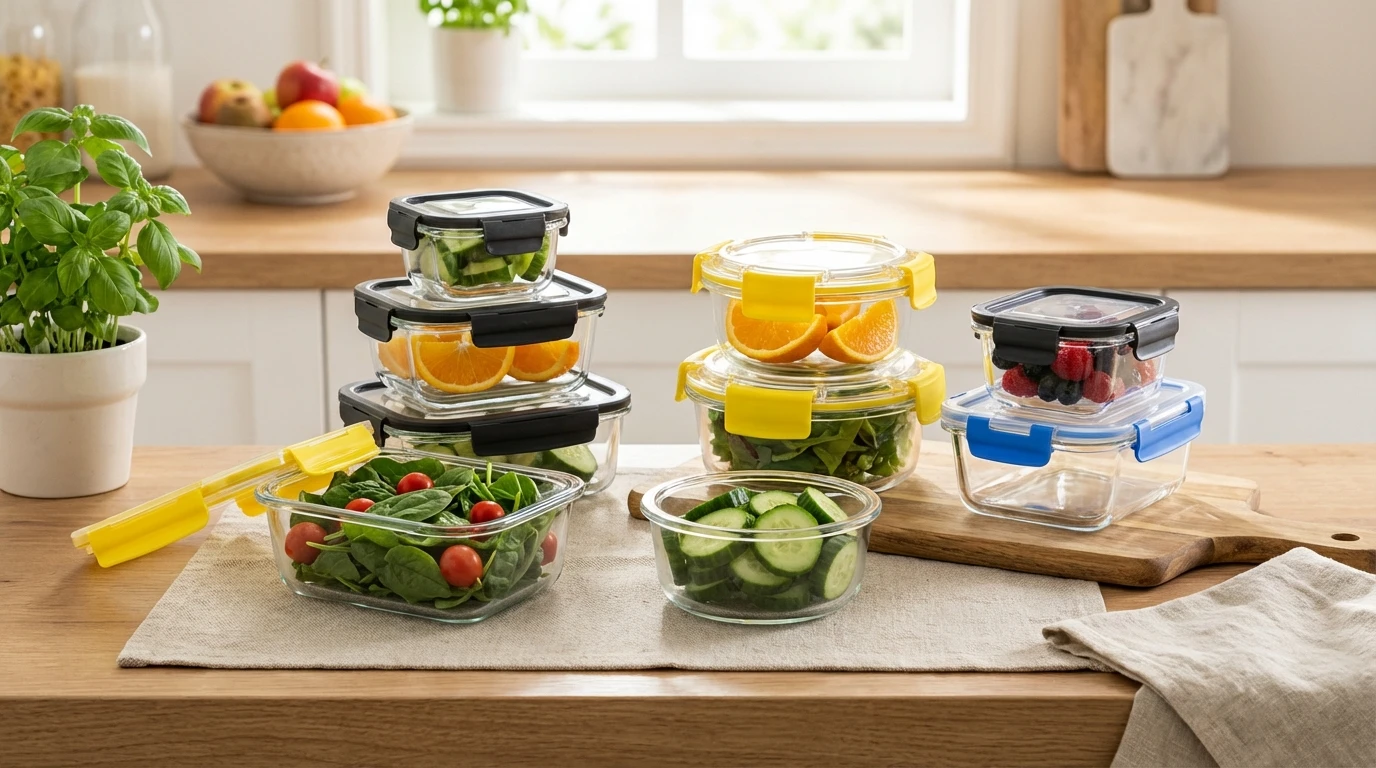
Glass 2L Water Bottles – Durable & Eco-Friendly Hydration Solutions
Understanding the Glass 2L Water Bottle: A Small Container with a Big Impact
At first glance, a glass 2l water bottle might seem like just another container on the shelf, but dig a little deeper, and you’ll find it’s a subtle champion in global sustainability and practical hydration solutions. From its eco-friendly profile to its durability in harsh conditions, this particular bottle size has quietly made waves in everything from humanitarian aid to upscale home kitchens. Why does it matter, you ask? Because as our world wrestles with plastic pollution and water safety, revisiting something as simple as the water bottle’s material and size offers surprisingly big benefits.
In this overview, I’ll take you through why the glass 2l water bottle stands out, how it addresses global challenges, and what innovations it inspires.
Why the Glass 2L Water Bottle Is Globally Relevant Today
Water bottles, in general, are everywhere: hiking trips, offices, gym bags, you name it. But according to UN Environmental Program reports, over 300 million tons of plastic waste are generated every year worldwide, much of it from single-use containers like water bottles (UNEP). In this global context, the glass 2l water bottle emerges as a reusable, recyclable alternative that’s gaining ground not only because glass can be endlessly recycled without quality loss but also because its non-reactive nature helps preserve water purity better than many plastics or metals.
Interestingly, according to the International Organization for Standardization (ISO), glass containers remain one of the safest choices for storing potable liquids, especially where water safety is crucial (ISO 9187-1 for glass containers).
But there's a tough question baked into this: how do communities, industries, or even households worldwide transition to using glass bottles at scale, especially the bulkier 2-liter size, without running into cost, fragility, or transport concerns? Let’s unpack this.
What Exactly Is a Glass 2L Water Bottle?
It’s pretty straightforward: a glass 2l water bottle is simply a bottle made of glass with a capacity of two liters, typically designed for storing and dispensing water. Isn’t it just a larger version of your regular water bottle? Yes, but the 2-liter size hits a sweet spot for many practical and environmental applications — big enough to supply a family’s daily hydration needs or field workers’ shifts, yet manageable for transport and handling.
In industry terms, these bottles often come in durable borosilicate or soda-lime glass, sometimes with protective silicone sleeves or cork tops. Their design ensures that water remains fresh longer, free from any chemical leaching that plastics might cause. Humanitarian groups, industrial camps, and eco-conscious households especially prize them as a sustainable alternative.
Core Components That Make the Glass 2L Water Bottle Special
Durability and Safety
Many engineers say borosilicate glass is the prize here. It resists thermal shocks and doesn’t easily crack, especially when paired with silicone sleeves. This doubles down on glass’s natural safety — no BPA, no chemicals — which is a winning combo for safe drinking water.
Eco-Friendliness
Glass is 100% recyclable without degradation. Oddly enough, even communities with less-developed recycling infrastructure can reuse glass bottles more efficiently than plastic ones. It’s also inert — meaning no interaction with water, unlike some plastics that slowly break down and contaminate.
Design and Scalability
While 2 liters might sound small commercially, larger quantities often come with logistical issues — heavy, fragile, less ergonomic. The 2l size is manageable for individuals and families, making it scalable in both retail and humanitarian sectors.
Cost Efficiency Over Time
Glass bottles cost more upfront but many users find they last multiple years, reducing per-use cost significantly. We’re not just talking pennies saved; it’s about reducing landfill and cutting down plastic's externalities — the hidden environmental costs.
Ease of Cleaning and Maintenance
Glass is non-porous, so it doesn’t retain odors or stains like plastic sometimes does, which helps maintain hygiene without harsh chemicals.
Product Specification Table
| Specification | Details |
|---|---|
| Capacity | 2 Liters (approx. 67 fl oz) |
| Material | Borosilicate / Soda-lime Glass |
| Weight (empty) | Approximately 800-1100 grams |
| Seal/Cap Type | Silicone, Cork, or Stainless Steel Lid options |
| Dimensions | Approx. 28 cm height x 12 cm diameter |
| Color Options | Clear, tinted (blue/green), frosted |
Comparing Leading Vendors of Glass 2L Water Bottles
| Vendor | Material Quality | Price Range (USD) | Customization Options | Global Shipping |
|---|---|---|---|---|
| Yinto Glassware | Premium Borosilicate Glass | $12 – $18 | Logo engraving, Silicone sleeves | Yes (Worldwide) |
| ClearStream Co. | Soda-lime Glass | $10 – $15 | Color tinting only | Limited |
| EcoBottle Corp. | Recycled Glass Blend | $14 – $20 | Custom shapes & caps | Yes (Selected regions) |
Where Glass 2L Water Bottles Really Shine
In humanitarian aid teams delivering clean water after natural disasters, glass 2l water bottles are preferred for one big reason: they don’t contaminate the water they hold, crucial when local water quality is uncertain. Relief organizations in regions like Southeast Asia or Sub-Saharan Africa often opt for glass because it reassures recipients about safety, and the bottles can be reused for months or even years if handled properly.
In more commercial or industrial setups, such as remote mining camps or eco-resorts, the 2l size hits a sweet spot — it’s easier to handle in group environments without requiring frequent refills, unlike smaller bottles.
glass 2l water bottle users also include upscale cafes and restaurants that embrace sustainable serviceware, pairing design aesthetics with sustainability goals.
Advantages & Long-Term Value of Using Glass 2L Water Bottles
- Cost-effectiveness over lifespan: While the initial price is more than plastic bottles, glass lasts longer, meaning fewer replacements.
- Reduced environmental footprint: Endlessly recyclable without downgrading, these water bottles help cut plastic waste.
- Health benefits: No dreaded chemical leaching, which is a genuine concern with many plastics and some metals in warm climates.
- Social and emotional impact: Using glass feels more premium, promoting dignity and trust in community water programs or hospitality.
- Reliability in extreme conditions: They keep water fresh in fluctuating temperatures and store liquids safely for longer.
What’s Next? Future Trends in Glass 2L Water Bottles
Green energy integration is an exciting frontier — think solar-powered glass bottle sterilizers or bottles made with glass sourced entirely from renewable energy manufacturing plants. Digital “smart” caps that track hydration levels and ensure bottle hygiene through UV sterilization are in R&D phases. More manufacturers are exploring carbon-neutral shipping to ease the 2l bottle’s heavier transport footprint.
Plus, transparency and education campaigns about the benefits of glass over plastic continue to grow alongside tightening restrictions on single-use plastics worldwide. This social push is likely to accelerate the adoption of glass water bottles in everyday use, making glass 2l water bottles a fixture rather than a niche specialty.
Challenges Along the Way and How They’re Solved
Fragility remains the elephant in the room. Glass breaks — it’s a fact — making transport and drop risks real concerns. Protective silicone or felt wraps are simple yet effective approaches widely adopted. Some innovators have experimented with hybrid bottles, layering thin glass inside flexible exteriors to reduce breakage.
Weight is another hurdle. A 2-liter glass bottle can weigh twice as much as plastic — for extended outdoor activities, it’s less ideal. Here, thoughtful design improvements, like ergonomic handles or lighter glass composites, continue to help.
Finally, cost and accessibility may slow adoption in lower-income areas. Bulk purchases, NGO partnerships, and local manufacturing licenses are practical ways groups have overcome this.
FAQ: Frequently Asked Questions About Glass 2L Water Bottles
Q1: Are glass 2l water bottles safe for hot beverages?
A: Generally, yes, especially if made from borosilicate glass, which withstands temperature changes. However, check the product specs — some glass bottles are designed only for cold or room-temperature liquids.
Q2: How heavy is a full 2-liter glass water bottle?
A: Expect roughly 3 kg (6.6 lbs) when full, combining the bottle’s 800–1100g empty weight plus water’s density (1 kg per liter).
Q3: How do glass 2l water bottles compare environmentally to plastic?
A: Glass scores much better long-term due to recyclability and no microplastic pollution, though initial manufacturing energy can be higher. Reuse balances out this factor over time.
Q4: Can I customize glass 2l bottles for marketing or gifting?
A: Absolutely! Many vendors, including glass 2l water bottle suppliers, offer engraving, colorations, silicone sleeves, and branded lids to personalize your bottle.
Q5: Are glass bottles suitable for travel and outdoor use?
A: They’re great if handled carefully and outfitted with protective sleeves. For rugged use, consider models designed for impact resistance; otherwise, plastic or metal might be safer.
Conclusion — Why the Glass 2L Water Bottle Is More Than Just a Container
The humble glass 2l water bottle carries a lot of weight in sustainability, safety, and practicality — aspects increasingly vital as the world tackles plastic pollution and water contamination. Whether you’re outfitting disaster relief teams, equipping eco-friendly cafés, or just looking for a trustworthy home hydration solution, glass bottles bring value beyond the surface. And with innovations ongoing, their future looks bright — or should I say, clear.
Ready to explore quality glass 2l water bottles? Visit our website at https://www.yintoglassware.com to see the latest designs and customization options tailored for your needs.
-
Ultimate Guide to Choosing Big Glass Storage Containers for Every NeedNewsApr.16,2026
-
Small Glass Lunch Containers Guide for Healthy Meal PrepNewsApr.09,2026
-
Comprehensive Guide to Choosing the Best Storage Containers for Dishes and GlassesNewsApr.07,2026
-
Selecting The Optimal 300ml Food Containers For Your Business NeedsNewsApr.04,2026
-
Discover the Benefits of Durable 3 Cup Glass Food Storage ContainersNewsMar.31,2026
-
Comprehensive Guide to Choosing Superior Glass Divided Food ContainersNewsMar.28,2026
![[Extra Large with Handle] Oven Safe Glass Food Storage Container with Airtight Locking Lid & Handle, Oven Safe Dishwasher Safe](https://images.exportstart.com/images/a1251/extra-larger-glass-container-with-snap-locking-lid-164.webp "[Extra Large with Handle] Oven Safe Glass Food Storage Container with Airtight Locking Lid & Handle, Oven Safe Dishwasher Safe")
![[All Microwave Safe] High Borosilicate Glass Food Storage Container , Oven Safe without Lid, Dishwasher Safe](https://images.exportstart.com/images/a1251/squre-glass-container-with-glass-lid-518.webp "[All Microwave Safe] High Borosilicate Glass Food Storage Container , Oven Safe without Lid, Dishwasher Safe")
![[Sliding Vent PP Lid] Borosilicate Glass Food Storage Containers with Food-grade Plastic Lid, Airtight, Leak Resistant](https://images.exportstart.com/images/a1251/glass-food-storage-container-with-airtight-lid-183.webp "[Sliding Vent PP Lid] Borosilicate Glass Food Storage Containers with Food-grade Plastic Lid, Airtight, Leak Resistant")
![[Large Skylight Glass Lid] Glass Food Storage Container, Oven Safe with Lid, BPA Free, 100% Leak resistant](https://images.exportstart.com/images/a1251/glass-lid-food-storage-container-1-1-196.webp "[Large Skylight Glass Lid] Glass Food Storage Container, Oven Safe with Lid, BPA Free, 100% Leak resistant")
![[Colorful Vent PP Lid] Glass Food Storage Container, BPA Free, Leakproof, Dishwasher Safe](https://images.exportstart.com/images/a1251/002-1-639.webp "[Colorful Vent PP Lid] Glass Food Storage Container, BPA Free, Leakproof, Dishwasher Safe")
![[Color Vent PP Lid] Borosilicate Glass Food Storage Container, Leakproof, Dishwasher Safe](https://images.exportstart.com/images/a1251/1-941.webp "[Color Vent PP Lid] Borosilicate Glass Food Storage Container, Leakproof, Dishwasher Safe")
![[Vacuum AS] Food Storage Container with Pump](https://images.exportstart.com/images/a1251/7-1-397.webp "[Vacuum AS] Food Storage Container with Pump")