 TEL: +86 18903393212
 Email: tina@yintoglassware.com

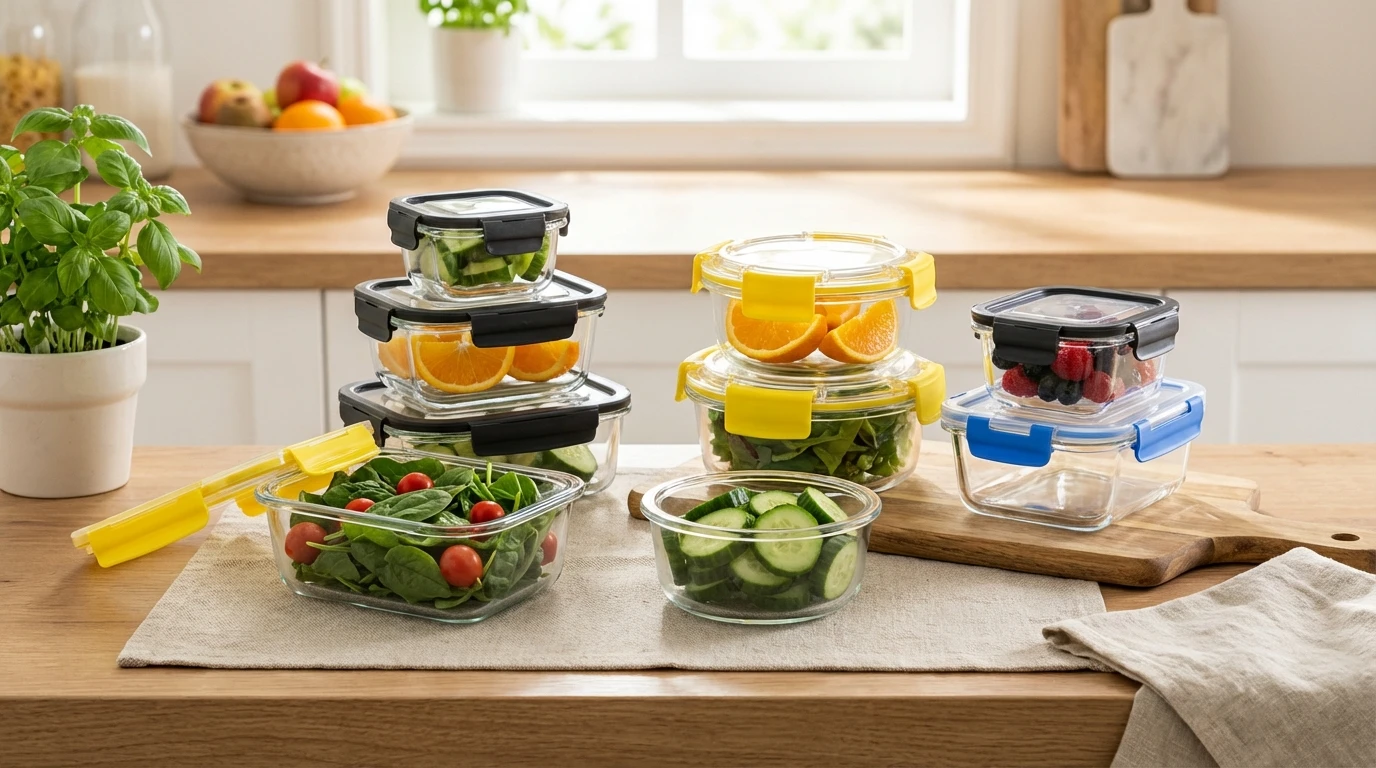
Discover the Benefits and Trends of the 12 oz Glass Water Bottle | Sustainable Hydration
The 12 oz Glass Water Bottle: Why It Matters More Than You Think
Glass water bottles aren’t just pretty vessels — when it comes to the 12 oz glass water bottle, they represent a meaningful step in sustainable hydration globally. You might assume that a water bottle is just ... well, a bottle. But in an age where plastic waste suffocates oceans and health-conscious consumers demand purity, the humble 12 oz glass bottle finds itself at the crossroads of environmentalism, design innovation, and user convenience. Understanding why this particular size and material resonate worldwide unlocks insight into sustainable manufacturing, consumer trends, and the global push for eco-friendly alternatives to single-use plastics.
So, why care? Because this one small container symbolizes a bigger movement toward reducing plastic consumption, with manufacturers and consumers alike realizing that choices as simple as water bottles have real ripples — from reducing macroplastic pollution to improving public health.
Setting the Global Scene: A World Parched for Better Bottles
Globally, the bottled water market is projected to surpass $300 billion by 2027, and an estimated 480 billion plastic water bottles are used yearly — most discarded after a single use (UN Environment Programme, 2021). Oddly enough, while the demand for portable hydration skyrockets, the environmental cost has become a critical challenge. Transparent alternatives like glass not only address toxicity concerns often associated with plastic but also jump-start circular economies, since glass is infinitely recyclable without loss in quality.
Among various formats, the 12 oz glass water bottle hits a sweet spot — compact enough for portability but with enough volume to satisfy day-to-day hydration needs without being bulky. But it’s not just about volume: its materials and size make it a favorite for both consumers and niche industries focused on health, quality, and sustainability.
Still, here lies a challenge: how do manufacturers scale up production of such bottles without driving costs or carbon footprints higher? Plus, from the humanitarian front, how does this bottle fit into emergency relief or remote healthcare where contamination is a risk? Let’s get into what exactly a 12 oz glass water bottle brings to the table.
What Exactly Is a 12 oz Glass Water Bottle?
Simply put, a 12 oz glass water bottle is a reusable container made primarily from silica-based glass, designed to hold approximately 355 ml or 12 fluid ounces of liquid. Unlike plastic counterparts, these bottles are often manufactured using soda-lime or borosilicate glass, giving them a sturdy and temperature-resistant edge.
Historically, glass water bottles echo centuries of reuse and purity — in several cultures, glass was prized precisely because it didn’t interact chemically with the contents. Today, these bottles serve practical, health-conscious consumers, while also fulfilling industrial needs where contamination or taste is a critical factor, such as specialty beverage packaging or medical-grade hydration packs.
Mini Takeaway:
- The 12 oz glass water bottle balances size, purity, and durability.
- It appeals both to eco-conscious consumers and specialized users.
Core Factors Driving the 12 oz Glass Water Bottle’s Popularity
1. Durability and Safety
Glass might seem fragile, but quality borosilicate glass is shock-resistant and can withstand temperature shifts — a plus for those who want to carry water from hot cafes or cold sources alike. It’s also non-toxic, free from BPA, phthalates, or microplastic leachates that concern health experts.
2. Environmental Sustainability
Unlike plastics, glass is endlessly recyclable without quality degradation. Recycling one glass bottle saves raw materials and energy, compared to manufacturing new bottles from scratch [ISO 14021]. The 12 oz size is small enough to minimize excess material use yet large enough to eliminate single-use plastics for daytime use.
3. Portability and Design Versatility
At 12 ounces, these bottles slip easily into backpacks, gym bags, and car cup holders — offering convenience without oversizing. Plus, many manufacturers tailor designs with silicone sleeves, caps, and insulation to enhance grip and thermal retention, making them trendy yet functional.
4. Cost Efficiency in Production
While glass production is traditionally pricier than plastic, advances in molding techniques and economies of scale have brought prices down. Also, long-term reuse potential offsets the initial sticker shock for consumers, encouraging a sustainable purchase mindset.
Mini Takeaway:
- Durability meets design and sustainability in these bottles.
- Manufacturers work to optimize cost without compromising eco-values.
Global Applications: From Office Desks to Disaster Relief
The 12 oz glass water bottle isn’t just a trendy accessory — it has found meaningful roles from urban offices in Europe to field hospitals in South Asia. Organizations committed to reducing plastic footprints supply these bottles as part of wellness kits, emphasizing purity and reuse.
For example, NGOs distributing clean water in disaster zones often prefer glass to guarantee no chemical contamination — it preserves water purity better than many plastics under extreme conditions. In remote industrial sites, they’re also used to reduce plastic waste and provide workers with a reliable hydration option that doesn’t degrade in harsh environments.
Moreover, many boutique beverage companies, from juice bars to craft soda producers, package their products in 12 oz glass bottles — combining consumer appeal and eco-responsibility in city markets from New York to Tokyo.
Product Specifications at a Glance
| Specification | Details |
|---|---|
| Capacity | 12 oz / 355 ml |
| Material | Borosilicate or soda-lime glass |
| Weight (empty) | ~220-250 grams |
| Dimensions | Approx. 7.5-inch height, 2.5-inch diameter |
| Temperature Tolerance | -20°C to 150°C (varies by glass type) |
| Recyclability | 100% recyclable, no quality loss |
Comparing Top Vendors in 12 oz Glass Water Bottles
| Vendor | Material | Price Range (USD) | Unique Features |
|---|---|---|---|
| Yinto Glassware | Borosilicate | $8–$12 | Customizable logos, eco-friendly packaging |
| Eco Sip Co. | Soda-lime | $6–$10 | Silicone sleeves, BPA-free caps |
| PureGlas | Borosilicate | $10–$15 | Double-wall insulation, leak-proof design |
Advantages & Long-Term Value of the 12 oz Glass Water Bottle
When you drill down to why people stick with glass over plastic, it’s a mix of emotional trust and practical benefits. Knowing your water hasn’t touched chemicals feels reassuring — especially in a world where microplastics have infiltrated even remote lakes. Glass also carries a kind of dignity; it doesn’t degrade or stain, so the bottle maintains a clean aesthetic over years.
From a cost perspective, while upfront costs appear higher, the longevity and reuse potential roughly balance the scales. Environmentally conscious customers enjoy the sustainability aspect—not just because it reduces waste, but because materials like borosilicate glass come from abundant natural sources and are infinitely recyclable [ISO 14040].
Industrial users praise the purity, especially in beverage startups or healthcare sectors, where contamination means lost revenue or worse. So in real terms, investing in glass supports brands and users who value protection, aesthetics, and sustainability simultaneously.
Looking Ahead: Trends in Glass Bottle Tech & Sustainability
The future does look bright (and clear) for glass bottles. We’re seeing innovations such as:
- Smart caps that track hydration via Bluetooth.
- Use of recycled glass cullet in production surpassing 70%, lowering carbon footprints.
- Hybrid designs mixing glass with biodegradable outer sleeves for impact protection.
- Expansion in custom printing tech, allowing brands to create limited editions quickly.
Moreover, regulations pushing plastic restrictions (like the EU’s Single-Use Plastics Directive) drive businesses to rethink packaging. Glass bottles like the 12 oz model often find themselves center stage as trusted solutions with relatively low environmental risk.
Challenges & How They’re Being Addressed
Of course, glass isn’t perfect. Fragility remains the biggest issue—sure, you get it repaired once and you might be stuck washing glass shards off your shoes. Plus, heavier weight means more fuel consumption in transport, which bumps carbon emissions.
But clever solutions help: tougher borosilicate formulas, silicone sleeves for shock absorption, and more localized manufacturing hubs to cut transportation distances. Plus, some companies are exploring lighter glass composites or even refillable bottle systems that encourage consumer return and reuse. So, the industry isn’t ignoring the downsides — just innovating around them.
FAQ: Your Questions About the 12 oz Glass Water Bottle Answered
Q1: Is the 12 oz glass water bottle safe for hot drinks?
A1: Yes! Especially if it’s made from borosilicate glass, these bottles tolerate temperature changes from roughly -20°C to 150°C. Just avoid sudden extreme temperature shocks—like pouring boiling water into a frozen bottle—because thermal stress can cause breakage.
Q2: How do I clean and maintain my 12 oz glass water bottle?
A2: Glass is dishwasher safe but hand washing with mild soap ensures longevity of any silicone or painted parts. Avoid abrasive scrubbers that could scratch the glass surface. For thorough cleaning, occasional baking soda and vinegar can help remove residues.
Q3: Can I customize these glass bottles with logos or colors?
A3: Absolutely. Vendors like Yinto Glassware specialize in custom printing and color options, creating branded or personalized bottles that look great for corporate gifts, giveaways, or product launches.
Q4: Are glass bottles heavier than plastic?
A4: Yes, a typical 12 oz glass water bottle weighs about 220–250 grams empty, compared to under 50 grams for plastic. While heavier, many find the tradeoff acceptable for safety, purity, and sustainability reasons.
Wrapping Up: Why You Should Consider a 12 oz Glass Water Bottle
So, what’s the final word? The 12 oz glass water bottle represents a practical and environmentally smart choice that’s surprisingly versatile. It blends durability, design, and green credentials into one small, perfect package for personal use, businesses, and field operations. The long-term impact? Reduced waste, healthier users, and a subtle yet solid signal that sustainability matters.
If you’re curious or ready to take the plunge, visit https://www.yintoglassware.com for a range of beautifully crafted, customizable 12 oz glass water bottles. Because your hydration deserves better than plastic.
References
-
Ultimate Guide to Choosing Big Glass Storage Containers for Every NeedNewsApr.16,2026
-
Small Glass Lunch Containers Guide for Healthy Meal PrepNewsApr.09,2026
-
Comprehensive Guide to Choosing the Best Storage Containers for Dishes and GlassesNewsApr.07,2026
-
Selecting The Optimal 300ml Food Containers For Your Business NeedsNewsApr.04,2026
-
Discover the Benefits of Durable 3 Cup Glass Food Storage ContainersNewsMar.31,2026
-
Comprehensive Guide to Choosing Superior Glass Divided Food ContainersNewsMar.28,2026
![[Extra Large with Handle] Oven Safe Glass Food Storage Container with Airtight Locking Lid & Handle, Oven Safe Dishwasher Safe](https://images.exportstart.com/images/a1251/extra-larger-glass-container-with-snap-locking-lid-164.webp "[Extra Large with Handle] Oven Safe Glass Food Storage Container with Airtight Locking Lid & Handle, Oven Safe Dishwasher Safe")
![[All Microwave Safe] High Borosilicate Glass Food Storage Container , Oven Safe without Lid, Dishwasher Safe](https://images.exportstart.com/images/a1251/squre-glass-container-with-glass-lid-518.webp "[All Microwave Safe] High Borosilicate Glass Food Storage Container , Oven Safe without Lid, Dishwasher Safe")
![[Sliding Vent PP Lid] Borosilicate Glass Food Storage Containers with Food-grade Plastic Lid, Airtight, Leak Resistant](https://images.exportstart.com/images/a1251/glass-food-storage-container-with-airtight-lid-183.webp "[Sliding Vent PP Lid] Borosilicate Glass Food Storage Containers with Food-grade Plastic Lid, Airtight, Leak Resistant")
![[Large Skylight Glass Lid] Glass Food Storage Container, Oven Safe with Lid, BPA Free, 100% Leak resistant](https://images.exportstart.com/images/a1251/glass-lid-food-storage-container-1-1-196.webp "[Large Skylight Glass Lid] Glass Food Storage Container, Oven Safe with Lid, BPA Free, 100% Leak resistant")
![[Colorful Vent PP Lid] Glass Food Storage Container, BPA Free, Leakproof, Dishwasher Safe](https://images.exportstart.com/images/a1251/002-1-639.webp "[Colorful Vent PP Lid] Glass Food Storage Container, BPA Free, Leakproof, Dishwasher Safe")
![[Color Vent PP Lid] Borosilicate Glass Food Storage Container, Leakproof, Dishwasher Safe](https://images.exportstart.com/images/a1251/1-941.webp "[Color Vent PP Lid] Borosilicate Glass Food Storage Container, Leakproof, Dishwasher Safe")
![[Vacuum AS] Food Storage Container with Pump](https://images.exportstart.com/images/a1251/7-1-397.webp "[Vacuum AS] Food Storage Container with Pump")