 TEL: +86 18903393212
 Email: tina@yintoglassware.com

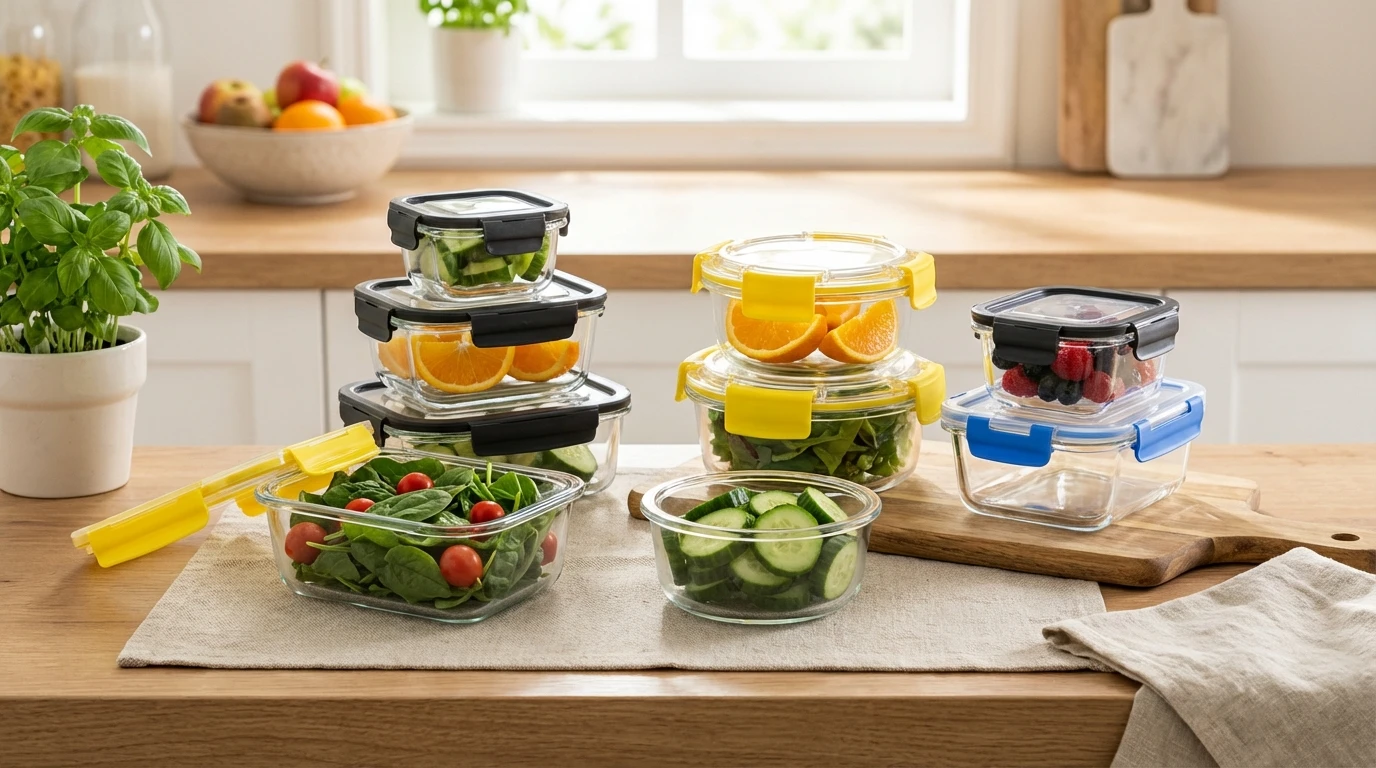
Discover the Versatile 330 ml Glass - Design, Uses & Future Trends
What’s 330 ml Glass and Why It’s a Bigger Deal Than You Think
At first glance, a 330 ml glass may seem like just a humble drinking vessel—a vessel that fits comfortably in your hand, holds a common soda portion, and disappears into a dishwasher with ease. But this seemingly simple container quietly affects global manufacturing, packaging sustainability, and even humanitarian aid. As industries pivot toward greener, more efficient packaging, understanding the 330 ml glass's role can unlock insights into everything from cost efficiency to environmental impact.
Why does it matter worldwide? For starters, billions of beverages are bottled, shipped, and consumed using this standard size. That means significant resource use, supply chain considerations, and design optimization happening behind the scenes, which many don’t realize. So yeah, behind your fizzy drink or craft beer is a whole story about production, sustainability, and innovation.
Mini takeaway: The 330 ml glass is not just a container; it's a global snapshot of industry trends, consumer behavior, and sustainability challenges.
Global Context: The Hidden Impact of 330 ml Glass Consumption
Globally, glass packaging accounts for over 30% of beverage containers in many regions, and the 330 ml size hits a sweet spot—big enough for individual servings but small enough for efficient distribution. According to data from the International Organization for Standardization (ISO), glass bottle standards like the 330 ml are central to universal packaging norms, which helps streamline international trade and quality control.
But challenges persist—energy consumption in glass production remains high, with roughly 65% of emissions linked directly to melting processes (International Energy Agency). Plus, not every region recycles glass efficiently, leading to environmental strain. The 330 ml glass, therefore, becomes a test case for balancing production convenience, user preferences, and greener solutions.
Industries from craft breweries in Europe to carbonated beverage giants in Asia face pressure to innovate packaging—both to lower costs and to address ecological footprints.
Mini takeaway: The widespread use of 330 ml glass shows how an age-old packaging format grapples with modern environmental and industrial realities.
Defining 330 ml Glass: More Than Just a Measurement
Put simply, a 330 ml glass is a drinking glass or bottle designed to hold approximately 330 milliliters, about 11.2 ounces. This volume has become a standard, especially for glass bottles and glasses used in beverages like beer, soda, and water. It’s an industrial standard due in part to consumer preferences and regulatory packaging guidelines.
But there’s more: in humanitarian contexts, sturdy 330 ml glass bottles are sometimes repurposed or standardized in relief packaging for distributing water or medical liquids, offering durability and safety where plastic options might fail.
Mini takeaway: The 330 ml glass is both a consumer-friendly size and a building block for broader packaging and distribution strategies worldwide.
What Makes a 330 ml Glass Tick? Key Features to Know
Durability
For a glass to be viable on a massive scale, it has to withstand repeated handling, transport impacts, and household use. Many engineers say that 330 ml glasses balance thickness and resilience carefully—thin enough to be elegant but thick enough not to chip easily.
Scalability in Production
Mass production demands molds and furnaces optimized for consistent 330 ml sizes without warping or excess waste. Scaling this process globally demands precision and energy control, which manufacturers have refined over decades.
Cost Efficiency
Oddly enough, a smaller container like the 330 ml glass can reduce material use compared to larger bottles, cutting shipping weight and energy costs. But they also increase plastic and glass waste per liter if not recycled well, so the economics are nuanced.
Compatibility with International Standards
Standard sizes make filling lines, labeling, and retail shelving more predictable. The 330 ml glass aligns with ISO standards, facilitating smoother customs and cross-border trade—which is vital for exporters and bottlers alike.
Environmental Footprint
While glass is infinitely recyclable, production is energy-intensive. Many manufacturers now incorporate post-consumer recycled glass (cullet) to cut emissions. The 330 ml glass often leads the way in balancing this recycling input.
Mini takeaway: The 330 ml glass’s features reflect a balancing act—between economy, performance, and sustainability—that echoes across the packaging world.
Global Uses: Where You’ll See 330 ml Glass in Action
From trendy bars in Berlin to water distribution centers in humanitarian zones, 330 ml glass vessels appear everywhere:
- Beverage Industry: The standard for many beers and sodas worldwide, particularly when craft brewers want a “just right” portion size.
- Foodservice: Restaurants and cafes use 330 ml glasses for soft drinks and cocktails, offering customers consistent servings.
- Humanitarian Aid: In post-disaster relief efforts, 330 ml glass bottles help transport liquids safely, reducing plastic dependence in areas with recycling challenges.
- Retail and Export: Thanks to ISO-aligned sizing, exporters ship 330 ml glass bottles across continents with ease, harmonizing with filling and labeling machines globally.
For example, in remote industrial zones such as in parts of Southeast Asia, workers depend on robust glass bottles for drinking water that won't leach chemicals in hot weather.
Mini takeaway: The 330 ml glass proves globally versatile, serving industries as diverse as craft brewing and relief logistics.
330 ml Glass by the Numbers: Product Specifications
| Specification | Details |
|---|---|
| Capacity | 330 ml +/- 5 ml |
| Material | Soda-lime glass / Borosilicate glass (optional) |
| Height | Approximately 140-160 mm |
| Diameter (top) | 55-60 mm |
| Weight | Around 250–320 grams |
| Recyclability | 100% recyclable, estimated 70% recycled content available |
Comparing Leading Vendors of 330 ml Glass Bottles
| Vendor | Customization Options | Typical MOQ | Recycled Content | Lead Time |
|---|---|---|---|---|
| GlobalGlassCo | Color tinting, logo engraving | 10,000 units | 50% | 4-6 weeks |
| EcoBottle Works | Custom printing, biodegradable caps | 5,000 units | 70% | 3 weeks |
| Yinto Glassware | Custom shapes, logo embossing, variable thickness | 1,000 units | Up to 80% | 2-4 weeks |
Why Choosing 330 ml Glass is an Investment in the Future
Choosing a 330 ml glass over alternatives brings more than just size benefits. The durability ensures less frequent replacements, which means less waste. Environmentally, glass is preferred over plastics due to its recyclability and inert nature—it doesn’t leach chemicals, which frankly matters more in our health-conscious world than it used to decades ago.
Socially, offering beverages in glass sends a message about quality and sustainability, which brands love to highlight to consumers sensitive to environmental ethics.
Logically, despite slightly higher upfront costs, the long-term environmental fees and social goodwill almost always outweigh this—especially as governments tighten packaging regulations.
Mini takeaway: The 330 ml glass symbolizes a promising intersection of innovation, sustainability, and consumer trust.
Looking Ahead: Innovation and Trends in 330 ml Glass Production
Technology is buzzing quietly around how we make and use glass vessels. For instance, automated “smart” molding systems reduce waste and improve consistency drastically. Some manufacturers experiment with ultra-thin borosilicate glass—lighter yet resilient enough for transport. Meanwhile, increased use of recycled cullet is lowering the carbon footprint substantially.
There is also a push for digital tracking technologies, like embedded QR codes into glass for authenticity and recyclability tracking—turning a humble glass bottle into a smart package.
Frankly, innovation here was overdue. And as energy grids shift toward renewables, glass production may become far more climate-friendly.
Common Challenges with 330 ml Glass & How Experts Tackle Them
You might wonder why glass isn’t the only game in town. Well, its weight and fragility have always posed challenges for shipping and storage, and manufacturing costs are non-trivial. Also, not all markets have efficient recycling infrastructures, which can lead to environmental bottlenecks.
Innovative solutions include enhanced packaging materials that cushion glass in transport, incentives for bottle return systems, and regional recycling programs boosted by legislation.
Plus, shifts to high recycled content glass help tackle the raw material energy cost downside.
It’s a classic case of tech and policy nudging to keep glass competitive and sustainable simultaneously.
FAQ: Your Top Questions About 330 ml Glass Answered
- Q: Can I use a 330 ml glass bottle for carbonated drinks safely?
- A: Yes, 330 ml glass bottles are commonly designed to withstand carbonation pressure. However, ensure the bottle is specified for carbonated beverages to prevent breakage or leakage.
- Q: What’s the typical lifespan of a 330 ml glass bottle in a commercial setting?
- A: With proper handling, glass bottles can last years—hundreds of reuse cycles if part of a returnable bottle system, contributing to sustainability and cost-effectiveness.
- Q: Are there eco-friendly alternatives to glass for 330 ml sized containers?
- A: Alternatives like BPA-free plastics or aluminum cans exist, but glass remains the most inert and recyclable with fewer environmental concerns when recycled properly.
- Q: How do I import 330 ml glass bottles from international vendors?
- A: Consider certifications for quality and compliance with ISO standards, choose a vendor with good export logistics, and review import duties—you’ll want to work with suppliers like Yinto Glassware who specialize in international shipments.
Wrapping Up: Why 330 ml Glass Deserves a Second Look
To sum it up, the 330 ml glass represents a fascinating blend of tradition, technology, and future potential. Its global presence underscores how packaging choices ripple through economies, environments, and cultures. If you’re considering beverage packaging—or simply curious about the unsung heroes of industry—recognizing this small size’s large impact could change how you see your next drink.
Want to explore the best 330 ml glass options? Visit https://www.yintoglassware.com for quality leads and custom solutions built around real-world needs.
References:
-
Ultimate Guide to Choosing Big Glass Storage Containers for Every NeedNewsApr.16,2026
-
Small Glass Lunch Containers Guide for Healthy Meal PrepNewsApr.09,2026
-
Comprehensive Guide to Choosing the Best Storage Containers for Dishes and GlassesNewsApr.07,2026
-
Selecting The Optimal 300ml Food Containers For Your Business NeedsNewsApr.04,2026
-
Discover the Benefits of Durable 3 Cup Glass Food Storage ContainersNewsMar.31,2026
-
Comprehensive Guide to Choosing Superior Glass Divided Food ContainersNewsMar.28,2026
![[Extra Large with Handle] Oven Safe Glass Food Storage Container with Airtight Locking Lid & Handle, Oven Safe Dishwasher Safe](https://images.exportstart.com/images/a1251/extra-larger-glass-container-with-snap-locking-lid-164.webp "[Extra Large with Handle] Oven Safe Glass Food Storage Container with Airtight Locking Lid & Handle, Oven Safe Dishwasher Safe")
![[All Microwave Safe] High Borosilicate Glass Food Storage Container , Oven Safe without Lid, Dishwasher Safe](https://images.exportstart.com/images/a1251/squre-glass-container-with-glass-lid-518.webp "[All Microwave Safe] High Borosilicate Glass Food Storage Container , Oven Safe without Lid, Dishwasher Safe")
![[Sliding Vent PP Lid] Borosilicate Glass Food Storage Containers with Food-grade Plastic Lid, Airtight, Leak Resistant](https://images.exportstart.com/images/a1251/glass-food-storage-container-with-airtight-lid-183.webp "[Sliding Vent PP Lid] Borosilicate Glass Food Storage Containers with Food-grade Plastic Lid, Airtight, Leak Resistant")
![[Large Skylight Glass Lid] Glass Food Storage Container, Oven Safe with Lid, BPA Free, 100% Leak resistant](https://images.exportstart.com/images/a1251/glass-lid-food-storage-container-1-1-196.webp "[Large Skylight Glass Lid] Glass Food Storage Container, Oven Safe with Lid, BPA Free, 100% Leak resistant")
![[Colorful Vent PP Lid] Glass Food Storage Container, BPA Free, Leakproof, Dishwasher Safe](https://images.exportstart.com/images/a1251/002-1-639.webp "[Colorful Vent PP Lid] Glass Food Storage Container, BPA Free, Leakproof, Dishwasher Safe")
![[Color Vent PP Lid] Borosilicate Glass Food Storage Container, Leakproof, Dishwasher Safe](https://images.exportstart.com/images/a1251/1-941.webp "[Color Vent PP Lid] Borosilicate Glass Food Storage Container, Leakproof, Dishwasher Safe")
![[Vacuum AS] Food Storage Container with Pump](https://images.exportstart.com/images/a1251/7-1-397.webp "[Vacuum AS] Food Storage Container with Pump")