 TEL: +86 18903393212
 Email: tina@yintoglassware.com

Double Wall Mug with Handle | Insulated Glass, No Sweat
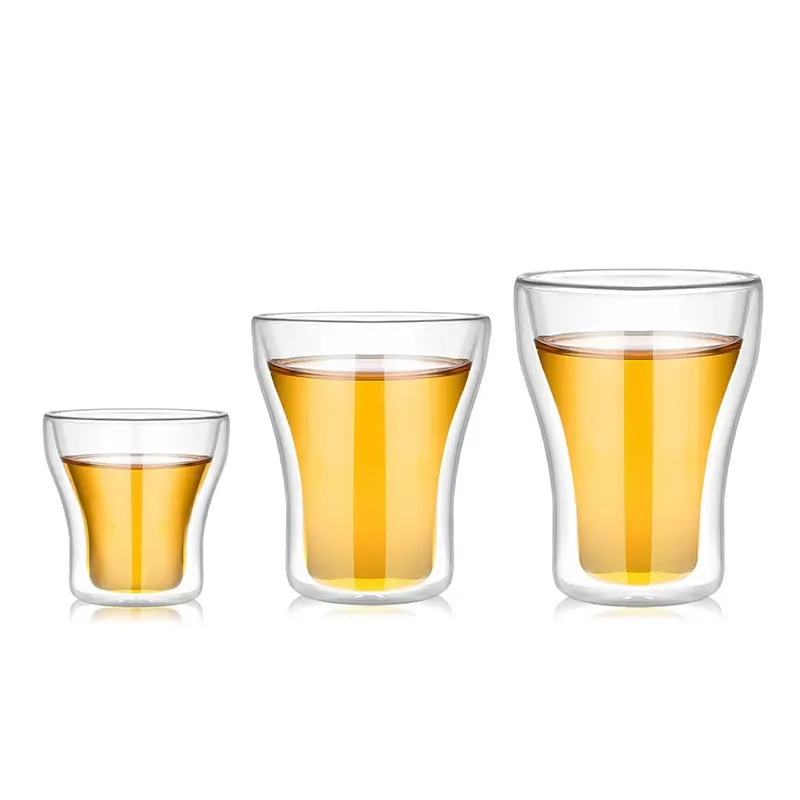
High Borosilicate Double‑walled “Volcano” Glass Cup: the insider’s take
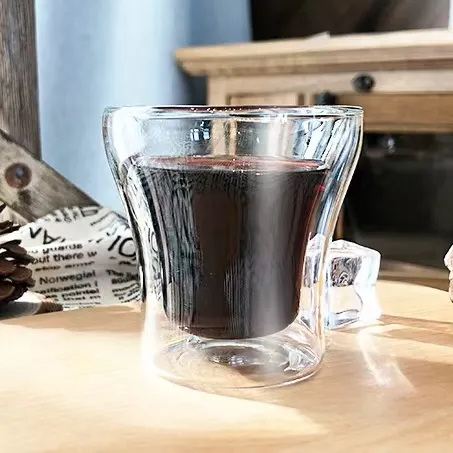
If you’ve been hunting for a double wall mug with handle that looks boutique yet behaves like labware, this one has been popping up across specialty cafés and gift retailers. To be honest, I was skeptical—plenty of pretty glass doesn’t survive real service. But this design (nicknamed the “Volcano”) leans on borosilicate 3.3 chemistry, which changes the game.
Why the industry is shifting to double-wall glass (and keeping the handle)
The trend is unmistakable: insulated glassware is moving from “weekend gadget” to daily driver. Caterers like the heat retention and the “floating” liquid aesthetic; baristas love the cool-touch outer wall when pouring 92–96°C espresso. And, perhaps surprisingly, the humble handle remains a differentiator—fewer slips, safer service, better ergonomics for seniors. In fact, many customers say the handle is what makes them reach for it every morning.
Core specifications (real-world ready)
| Product Name | High Borosilicate Double-walled Volcano Glass Cup |
| Material | 100% high borosilicate glass (3.3), BPA/lead-free |
| Features | Insulated double wall, anti-scald outer, heat preservation, clear optics |
| Capacities | ≈80 ml, 200 ml, 250 ml |
| Certifications | FDA compliant, LFGB compliant, EU food-contact compliant |
| MOQ | Around 500 pcs/size (real-world projects may vary) |
| Branding | Custom brand, laser logo, decal options |
| Origin | Room 8019, Hengju Building, No.473 Zhonghua South Street, Shijiazhuang City, Hebei, China |
Process flow and testing (how it’s actually made)
Materials: borosilicate tubing is flame-formed into the outer “volcano” profile; a second inner cup is formed, then joined at the rim to create a sealed air gap. Methods: hand-blow/torchwork for the inner geometry, handle is hot-attached and annealed. Annealing: multi-stage cooling to relieve stress. Testing: thermal shock ΔT up to ≈120°C per EN 1183; dishwasher resistance validated to ≈500 cycles (EN 12875-1 internal lab), lead/cadmium migration “ND” per LFGB. Service life: 3–5 years in HORECA with normal handling; avoid metal spoons banging the rim (a small but real risk).
Use cases and advantages
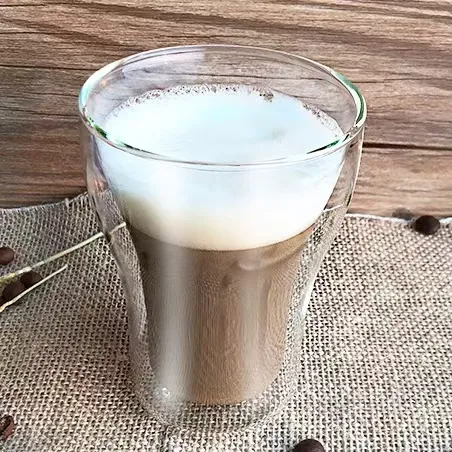
- Barista bar: espresso/ristretto in 80 ml, latte/cortado in 200–250 ml; stable crema presentation.
- Hotel banquet: safer carry thanks to the handle; outer wall stays cool.
- Retail gifting: lightweight, crystal-clear look; zero condensation with iced drinks.
- Office & home: heat stays in; no coaster stains. Many users note less “lip burn,” which matters.
Vendor snapshot: how it stacks up
| Vendor | Material Grade | MOQ | Thermal Shock | Customization | Lead Time |
|---|---|---|---|---|---|
| Yinto Glassware (this model) | Borosilicate 3.3 | ≈500 pcs/size | ≈120°C ΔT (EN 1183) | Logo, color tint, handle style | 15–30 days |
| Generic Importer A | Soda-lime | 2000+ pcs | ≈60–80°C ΔT | Limited | 30–45 days |
| Boutique Studio B | Borosilicate (handmade) | 50–100 pcs | ≈100–120°C ΔT | High (pricey) | 4–8 weeks |
Field notes and feedback
A mid-size café chain (6 locations) replaced stoneware with the 200 ml and reported a 26% drop in “too hot to hold” complaints over 90 days; breakage fell slightly after staff retraining. A corporate pantry pilot (250 ml) clocked 400+ dishwasher cycles with no visible haze. One caveat: don’t overfill—double walls can trick your eye.
Customization & packaging
Options include etched branding, color-gradient inner cup, and alternate handle arcs. Standard international protective packaging is offered; custom gift boxes available. For retail, a matte sleeve with brew icons tested well in A/B displays.
Bottom line? If you need a double wall mug with handle that balances aesthetics, safety, and compliance—and you like the lab-grade backbone of borosilicate—this “Volcano” form factor is more than just pretty glass.
Standards and references
- ISO 3585: Borosilicate glass 3.3 — Properties
- EN 1183: Glassware — Resistance to thermal shock
- EN 12875-1: Mechanical dishwashing resistance of domestic tableware
- Regulation (EC) No 1935/2004 on materials intended to come into contact with food
- LFGB (German Food, Commodities and Feed Code) — Food contact compliance
- U.S. FDA — Food Contact Materials guidance (Title 21 CFR; general compliance)
-
Ultimate Guide to Choosing Big Glass Storage Containers for Every NeedNewsApr.16,2026
-
Small Glass Lunch Containers Guide for Healthy Meal PrepNewsApr.09,2026
-
Comprehensive Guide to Choosing the Best Storage Containers for Dishes and GlassesNewsApr.07,2026
-
Selecting The Optimal 300ml Food Containers For Your Business NeedsNewsApr.04,2026
-
Discover the Benefits of Durable 3 Cup Glass Food Storage ContainersNewsMar.31,2026
-
Comprehensive Guide to Choosing Superior Glass Divided Food ContainersNewsMar.28,2026
![[Extra Large with Handle] Oven Safe Glass Food Storage Container with Airtight Locking Lid & Handle, Oven Safe Dishwasher Safe](https://images.exportstart.com/images/a1251/extra-larger-glass-container-with-snap-locking-lid-164.webp "[Extra Large with Handle] Oven Safe Glass Food Storage Container with Airtight Locking Lid & Handle, Oven Safe Dishwasher Safe")
![[All Microwave Safe] High Borosilicate Glass Food Storage Container , Oven Safe without Lid, Dishwasher Safe](https://images.exportstart.com/images/a1251/squre-glass-container-with-glass-lid-518.webp "[All Microwave Safe] High Borosilicate Glass Food Storage Container , Oven Safe without Lid, Dishwasher Safe")
![[Sliding Vent PP Lid] Borosilicate Glass Food Storage Containers with Food-grade Plastic Lid, Airtight, Leak Resistant](https://images.exportstart.com/images/a1251/glass-food-storage-container-with-airtight-lid-183.webp "[Sliding Vent PP Lid] Borosilicate Glass Food Storage Containers with Food-grade Plastic Lid, Airtight, Leak Resistant")
![[Large Skylight Glass Lid] Glass Food Storage Container, Oven Safe with Lid, BPA Free, 100% Leak resistant](https://images.exportstart.com/images/a1251/glass-lid-food-storage-container-1-1-196.webp "[Large Skylight Glass Lid] Glass Food Storage Container, Oven Safe with Lid, BPA Free, 100% Leak resistant")
![[Colorful Vent PP Lid] Glass Food Storage Container, BPA Free, Leakproof, Dishwasher Safe](https://images.exportstart.com/images/a1251/002-1-639.webp "[Colorful Vent PP Lid] Glass Food Storage Container, BPA Free, Leakproof, Dishwasher Safe")
![[Color Vent PP Lid] Borosilicate Glass Food Storage Container, Leakproof, Dishwasher Safe](https://images.exportstart.com/images/a1251/1-941.webp "[Color Vent PP Lid] Borosilicate Glass Food Storage Container, Leakproof, Dishwasher Safe")
![[Vacuum AS] Food Storage Container with Pump](https://images.exportstart.com/images/a1251/7-1-397.webp "[Vacuum AS] Food Storage Container with Pump")