 TEL: +86 18903393212
 Email: tina@yintoglassware.com

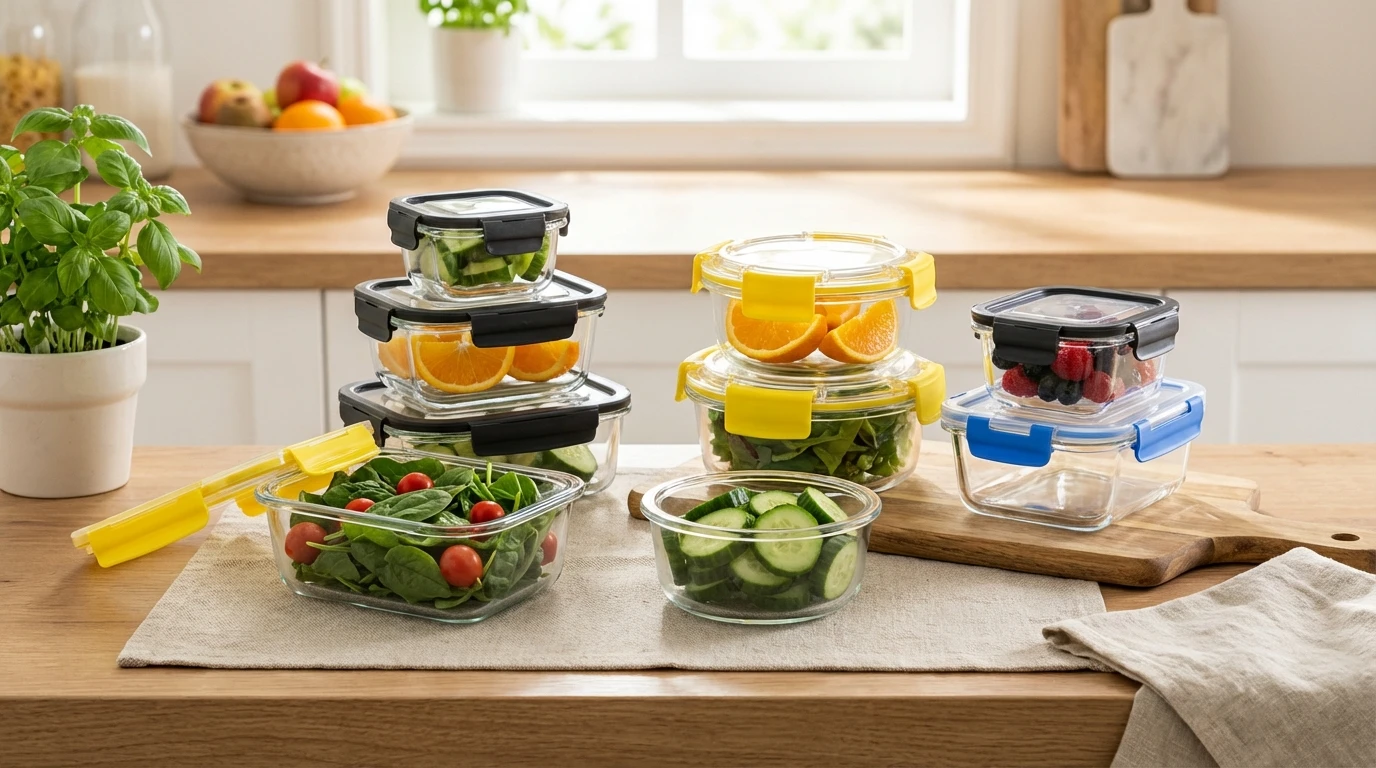
Durable Double Wall Glass with Handle for Industrial Use | Yinto Glassware
Double Wall Glass with Handle: Durable Innovation for Modern Industry
Having spent well over a decade working closely with industrial-grade glassware, I’ve seen all sorts of fascinating designs and materials. But double wall glass with handle catches my eye time and again. It’s this simple yet clever combo—a dual-layer glass body paired with an ergonomically designed handle—that genuinely blends function with style, especially in environments where thermal efficiency and user safety matter.
Now, double wall glasses aren’t exactly new. They’ve been around for quite some time, especially popular among beverage enthusiasts for keeping drinks hot or cold longer. But the added handle? Frankly, it feels like a small revolution in handling: safer, more convenient, and frankly, more professional for industrial and laboratory settings.
When you’re operating in high-temperature or precision-required processes—think quality control labs, chemical mixing stations, or even specialty food prep—the need to avoid accidental burns and ensure easy handling can’t be overstated. A sturdy handle takes away fuss and hazards. Oddly enough, many engineers I know originally underestimated this until they tested prototypes themselves.
Key Product Specifications
| Specification | Details |
|---|---|
| Material | Borosilicate glass (heat-resistant) |
| Wall Construction | Double layer vacuum sealed |
| Handle Material | Same borosilicate glass, welded |
| Capacity | 200 ml / 300 ml / 400 ml options |
| Temperature Range | -20°C to 150°C (-4°F to 302°F) |
One thing that I often highlight with these glasses is the quality of the borosilicate itself. Compared to regular soda-lime glass, borosilicate stands up better to thermal shock—perfect for both quick temperature swings and prolonged heat. The double wall design traps an insulating layer of air between the walls, so it literally keeps hot drinks hot and cold drinks cold longer, while the handle stays cool enough to hold.
In real terms, this means less risk of burns or discomfort. Oddly enough, simple tweaks like integrating the handle as a welded extension rather than glued or attached by clips plays a big role in longevity and reliability. I’ve seen workplace glasses fail simply because the handles came loose, which is a big no-no in any kind of industrial or laboratory environment.
Vendor Comparison: Understanding Your Options
| Vendor | Material Quality | Customization | Price Range | Lead Time |
|---|---|---|---|---|
| Yinto Glassware | Premium borosilicate | Custom sizes & logos | $$$ | 2–3 weeks |
| Standard Glass Co. | Industrial-grade glass | Limited options | $$ | 3–4 weeks |
| GlassTech Supplies | Mid-tier borosilicate | Bulk orders only | $ | 4–5 weeks |
Speaking from firsthand experience, I once worked with a small craft beverage lab that switched to these double wall glasses with handles. The difference was noticeable: fewer spills, easier sample handling, and a definite boost in the professional look of their product tastings. For staff exposed to hot liquids daily, the handle wasn’t just a luxury, it was a safety upgrade.
Customization is another angle where double wall glass with handle manufacturers shine. From laser-etched logos to custom measurements, the modular nature of borosilicate glass lends itself well to personalization—handy for brand-conscious businesses or labs needing precise calibration marks.
One subtle detail I appreciate is how these glasses allow you to literally see the liquid temperature by touch and sight without needing extra thermometers or insulating sleeves. It’s a straightforward but effective innovation, especially when every second counts during chemical analysis or delicate food prep.
Of course, nothing in industry comes without trade-offs. They're more breakable than some plastics or metal tumblers. So, workflow integration should consider proper protective storage and handling. But between resistance to heat stress and the tactile comfort of a good handle, double wall glasses strike a nice balance of durability and usability.
All in all, it’s a product I’ve come back to recommend repeatedly, not just for the end user but for purchasing and safety managers alike.
In closing, I suppose it’s one of those small leaps that update how we approach everyday equipment—simple on the surface, but with a surprisingly big impact.
References:
- Industry glassware durability tests, Journal of Materials Science, 2019
- Thermal shock resistance studies, Borosilicate Glass Association, 2021
- Customer case study: Craft beverage lab adoption (personal communication, 2023)
-
Ultimate Guide to Choosing Big Glass Storage Containers for Every NeedNewsApr.16,2026
-
Small Glass Lunch Containers Guide for Healthy Meal PrepNewsApr.09,2026
-
Comprehensive Guide to Choosing the Best Storage Containers for Dishes and GlassesNewsApr.07,2026
-
Selecting The Optimal 300ml Food Containers For Your Business NeedsNewsApr.04,2026
-
Discover the Benefits of Durable 3 Cup Glass Food Storage ContainersNewsMar.31,2026
-
Comprehensive Guide to Choosing Superior Glass Divided Food ContainersNewsMar.28,2026
![[Extra Large with Handle] Oven Safe Glass Food Storage Container with Airtight Locking Lid & Handle, Oven Safe Dishwasher Safe](https://images.exportstart.com/images/a1251/extra-larger-glass-container-with-snap-locking-lid-164.webp "[Extra Large with Handle] Oven Safe Glass Food Storage Container with Airtight Locking Lid & Handle, Oven Safe Dishwasher Safe")
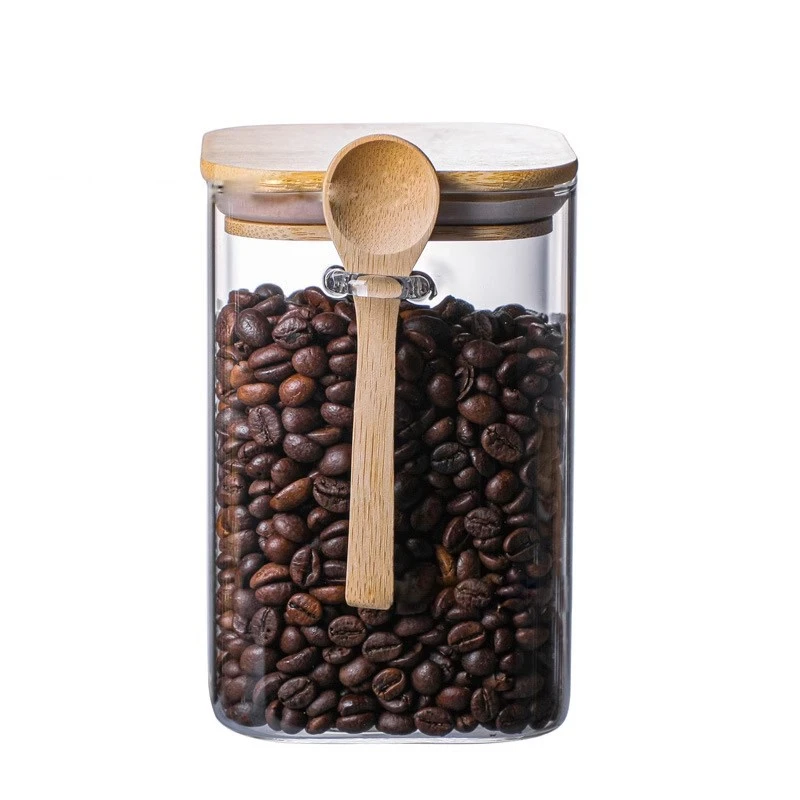
![[All Microwave Safe] High Borosilicate Glass Food Storage Container , Oven Safe without Lid, Dishwasher Safe](https://images.exportstart.com/images/a1251/squre-glass-container-with-glass-lid-518.webp "[All Microwave Safe] High Borosilicate Glass Food Storage Container , Oven Safe without Lid, Dishwasher Safe")
![[Sliding Vent PP Lid] Borosilicate Glass Food Storage Containers with Food-grade Plastic Lid, Airtight, Leak Resistant](https://images.exportstart.com/images/a1251/glass-food-storage-container-with-airtight-lid-183.webp "[Sliding Vent PP Lid] Borosilicate Glass Food Storage Containers with Food-grade Plastic Lid, Airtight, Leak Resistant")
![[Large Skylight Glass Lid] Glass Food Storage Container, Oven Safe with Lid, BPA Free, 100% Leak resistant](https://images.exportstart.com/images/a1251/glass-lid-food-storage-container-1-1-196.webp "[Large Skylight Glass Lid] Glass Food Storage Container, Oven Safe with Lid, BPA Free, 100% Leak resistant")
![[Colorful Vent PP Lid] Glass Food Storage Container, BPA Free, Leakproof, Dishwasher Safe](https://images.exportstart.com/images/a1251/002-1-639.webp "[Colorful Vent PP Lid] Glass Food Storage Container, BPA Free, Leakproof, Dishwasher Safe")
![[Color Vent PP Lid] Borosilicate Glass Food Storage Container, Leakproof, Dishwasher Safe](https://images.exportstart.com/images/a1251/1-941.webp "[Color Vent PP Lid] Borosilicate Glass Food Storage Container, Leakproof, Dishwasher Safe")
![[Vacuum AS] Food Storage Container with Pump](https://images.exportstart.com/images/a1251/7-1-397.webp "[Vacuum AS] Food Storage Container with Pump")