 TEL: +86 18903393212
 Email: tina@yintoglassware.com

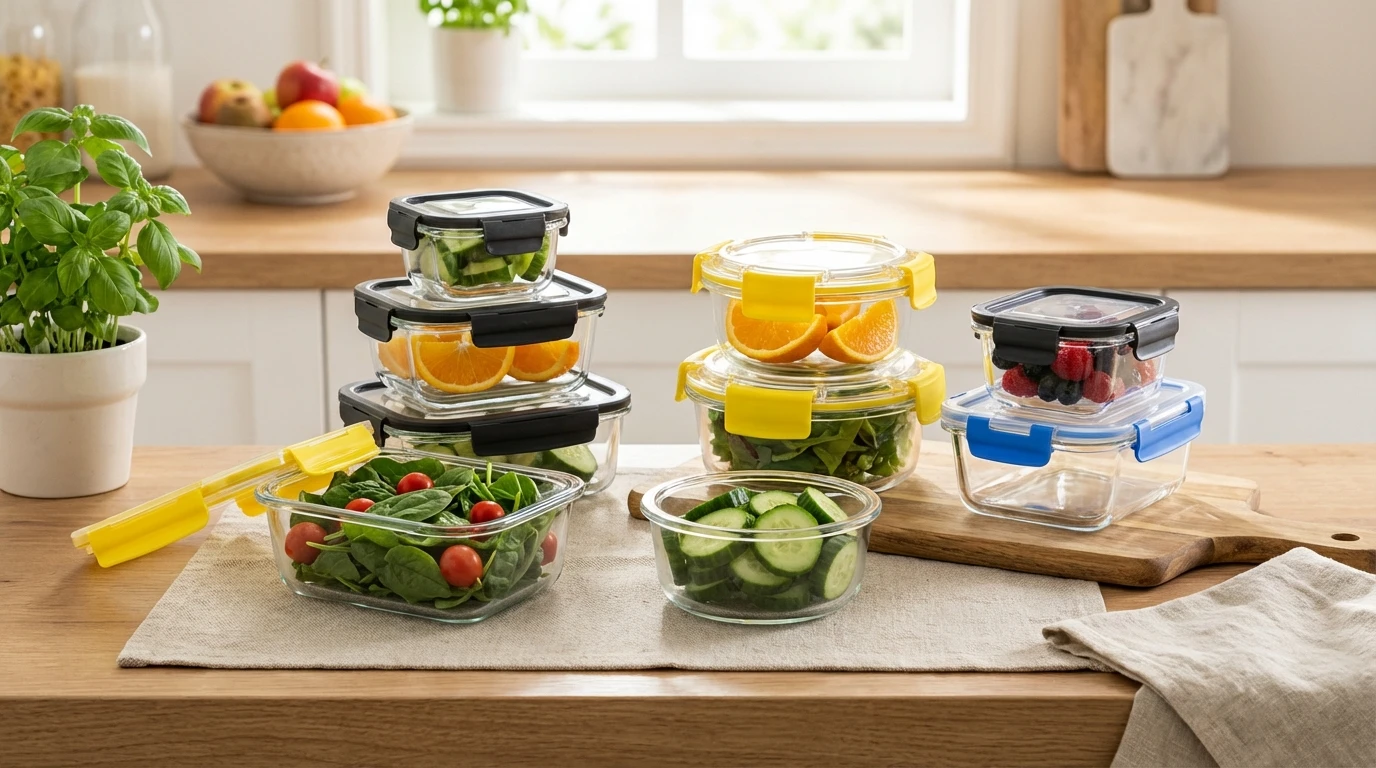
Durable One Gallon Glass Water Bottles - Sustainable & Safe Water Storage Solutions
The One Gallon Glass Water Bottle: Why It Still Matters in a World of Plastics
In an era where single-use plastics dominate the beverage market, the one gallon glass water bottle is quietly making a comeback. At first glance, a glass bottle holding nearly four liters might seem bulky or inconvenient, but the story behind this humble container stretches far beyond kitchen counters.
Globally, water storage and safe water delivery remain critical issues—especially in regions struggling with sustainable resources and environmental regulations. Understanding the merits and nuances of these large-format glass water bottles unveils not only environmental but social and industrial benefits. Let’s dive a little deeper.
Global Context: Why This Bottle Matters Across Borders
According to the United Nations, over two billion people still lack safely managed drinking water services worldwide. Meanwhile, the global bottled water market has exploded, with demand projected to reach nearly 500 billion liters by 2028 (Statista). Unfortunately, the bulk of that growth leans heavily on plastic bottles, which pose massive challenges for waste management and pollution control.
This is where the one gallon glass water bottle subtly enters the conversation—not just as a vessel, but as a sustainable alternative. Frankly, glass is infinitely recyclable, inert (meaning it won’t leach chemicals), and offers a level of purity plastic can rarely match. It’s no surprise humanitarian organizations and eco-conscious industries are turning back to glass, especially for larger volume storage and transport solutions.
Mini Takeaway:
- Plastic dominates but causes problems; glass offers an eco-friendly rethink.
- Large-capacity containers help optimize storage, reduce packaging waste.
- The one gallon glass bottle aligns with global water safety and sustainability goals.
What Exactly Is a One Gallon Glass Water Bottle?
Simply put, it’s a glass container designed to hold about one gallon (3.785 liters) of water. Typically crafted from tempered or borosilicate glass, these bottles can be thick and tough to withstand handling, and often come with airtight caps or closures to keep water fresh and uncontaminated.
But there’s more than just volume. In industrial or humanitarian settings, these bottles serve as standardized units for water storage, delivery, and treatment. They’re popular with companies that refill water, NGOs providing emergency hydration, and even distillers or labs seeking non-reactive containers.
Mini Takeaway:
- A one gallon glass water bottle is a sturdy, non-toxic container designed for large volumes.
- Used across industries: from home consumption to humanitarian aid and laboratories.
Key Features That Make One Gallon Glass Water Bottles Stand Out
1. Durability and Safety
Glass is inherently inert, meaning that it doesn't interact chemically with water the way some plastics can. Many bottles are made from borosilicate glass, which resists thermal shock—a key if you’re moving it between cool and warm environments, or sterilizing it regularly.
2. Scalability and Reusability
Large bottles reduce the frequency of refills or shipments needed. Since they're reusable and easy to sanitize, companies can save on costs and lower environmental footprints. Plus, you can stack or rack them with relative ease for transport.
3. Cost Efficiency Over Time
Sure, upfront costs may be higher than disposable alternatives, but when factored over years of reuse, refill, and recycling, glass bottles often prove more economical—especially with energy-intensive industry regulations tightening.
4. Design and Customization
Producers can tailor neck sizes, cap types, and embossing for brand identity or functional needs. Some are designed with handles or protective sleeves, making them more convenient despite their size.
5. Environmental Impact
Glass’s recyclability is a big win. Unlike plastic, which often degrades or contaminates recycling streams, glass can be recycled endlessly with minimal quality loss.
Mini Takeaway:
- Durable, reusable, and safe: glass bottles outshine plastics in longevity.
- Customization options add practical and branding value.
How and Where Are One Gallon Glass Water Bottles Used?
It’s not just hydration at home or on a camping trip. Their real value shines in places demanding safe, reliable water storage on scale:
- Humanitarian Aid: Post-disaster relief organizations rely on these sturdy bottles for clean water transport and distribution. Their non-reactivity ensures water purity, vital when contamination risks are high.
- Industrial Settings: Remote mining or manufacturing zones use these bottles to store and distribute safe drinking water where piping isn’t practical.
- Beverage Industry: The craft beverage segment uses large glass bottles for artisanal water and spirits storage.
- Households & Offices: Environmentally conscious consumers use these for bulk water storage to cut down plastic waste.
Oddly enough, some startups even refill large glass bottles with mineral water and deliver them directly to customers to reduce waste and create a circular economy model.
Mini Takeaway:
- From refugee camps to craft distilleries, their reach is surprisingly broad.
- They fill an important niche where volume meets purity and sustainability.
Product Specifications At a Glance
| Feature | Specification | Comments |
|---|---|---|
| Volume Capacity | 1 Gallon (3.785 Liters) | Standardized size for bulk water storage |
| Material | Borosilicate or Tempered Glass | High thermal resistance and durability |
| Closure Type | Screw Cap / Cork / Airtight Lid | Varies by use case and customer preference |
| Weight (Empty) | Approx. 2.5 to 3 lbs (1.13 - 1.36 kg) | Considerations for transport and handling |
| Reusable Life Cycle | Several hundred uses | Depends on care and usage |
Comparing Leading Vendors of One Gallon Glass Water Bottles
| Vendor | Material Quality | Customization Options | Average Lead Time | Sustainability Certifications |
|---|---|---|---|---|
| Yinto Glassware | Borosilicate, high durability | Custom neck sizes, caps, branding | 4-6 weeks | ISO 9001, Green Seal |
| ClearBottle Co. | Tempered glass standard | Limited | 3-5 weeks | None reported |
| EcoGlass Ltd. | Recycled glass blend | Moderate design options | 6-8 weeks | Cradle to Cradle Certified |
What Are the Advantages and Long-Term Benefits?
The benefits of switching to the one gallon glass water bottle go beyond the obvious — it’s not just about being “green.” Naturally, sustainability remains key. Glass cuts down on waste by being endlessly recyclable and reusable.
But from a social perspective, providing clean water in a transparent, guaranteed safe container builds trust, especially in crisis zones. Compared to plastic, glass preserves purity and taste better, which is crucial when hydration is lifesaving. Safety and dignity come with something as simple as trustworthy packaging.
From the perspective of businesses, switching to larger reusable glass bottles can reduce packaging waste, shipment frequency, and long-run costs — which in turn often drives innovation and meets tighter environmental compliance standards worldwide.
Mini Takeaway:
- Protects water purity and taste better than plastics.
- Contributes to environmental goals by reducing waste.
- Enhances social trust and safety in water delivery.
Looking Ahead: Trends in One Gallon Glass Water Bottles
Innovation is slowly creeping in. Smart caps that monitor water quality and consumption are becoming a thing, as IoT devices jump into the eco-friendly arena. New glass formulations promise even lighter weights with stronger durability — addressing the traditional "fragility" argument.
Moreover, integration into circular economy models means many companies use a deposit-return system, incentivizing reuse and recycling. The push towards renewable energy in glass production, like solar-powered furnaces, is also reducing environmental footprints.
Challenges & The Road to Solutions
Let’s be honest. Large glass bottles are heavier and more fragile than their plastic counterparts, making logistics tricky and increasing transportation costs. Plus, breakage risk can be a dealbreaker in emergency or rugged environments.
Several approaches help here: silicone sleeves for impact protection, improved packaging techniques, and partnerships with local refill stations to minimize transport distances. Some vendors offer customized lightweight glass blends that still deliver on strength.
FAQ: Common Questions About One Gallon Glass Water Bottles
Q1: Are one gallon glass water bottles safe for storing drinking water long-term?
A: Yes, glass is one of the safest materials for water storage because it’s non-reactive and impermeable. Properly sealed bottles can preserve water quality for months, provided they’re kept clean and stored in a cool, dark place.
Q2: How heavy is a one gallon glass water bottle when full?
A: Typically, the bottle alone weighs between 2.5 to 3 pounds, and filled with water (about 8.34 lbs), the total weight comes close to 11 lbs (5 kg). It’s sturdy but not excessively heavy—manageable for most commercial and personal uses.
Q3: Can these bottles be customized for branding?
A: Absolutely. Many suppliers offer options for embossed logos, custom labels, neck sizes, and closure types to suit brands and industrial requirements.
Q4: How do one gallon glass water bottles compare environmentally to plastic?
A: Glass bottles have a much better environmental profile due to recyclability and non-toxicity, though their production and transport emit more CO2 initially. The key is maximizing reuse and efficient recycling, which most companies promoting these bottles emphasize.
Q5: Are there alternatives if weight and breakage are concerns?
A: Yes, some manufacturers produce plastic-lined or coated glass bottles, or use protective sleeves to reduce breakage risk. However, those often trade off some sustainability benefits.
Conclusion: A Subtle Yet Powerful Shift
The one gallon glass water bottle may not be the flashiest innovation, but it’s a quiet hero in water sustainability, safety, and industry innovation globally. If you’re looking to make a meaningful environmental or commercial difference, it’s certainly worth considering.
To explore options, custom designs, or bulk orders, check out trusted suppliers like Yinto Glassware who specialize in high-quality, sustainable glass containers that meet varied needs.
Mini Takeaway:
- Glass water bottles are a lasting investment in safety and sustainability.
- They support global water security and industry innovation.
- Choosing quality suppliers ensures you get the best balance of durability and eco-friendliness.
References:
1. United Nations Sustainable Development Goal 6
2. Statista Global Bottled Water Market Forecast
3. ISO 9001 and Environmental Certification documentation
-
Ultimate Guide to Choosing Big Glass Storage Containers for Every NeedNewsApr.16,2026
-
Small Glass Lunch Containers Guide for Healthy Meal PrepNewsApr.09,2026
-
Comprehensive Guide to Choosing the Best Storage Containers for Dishes and GlassesNewsApr.07,2026
-
Selecting The Optimal 300ml Food Containers For Your Business NeedsNewsApr.04,2026
-
Discover the Benefits of Durable 3 Cup Glass Food Storage ContainersNewsMar.31,2026
-
Comprehensive Guide to Choosing Superior Glass Divided Food ContainersNewsMar.28,2026
![[Extra Large with Handle] Oven Safe Glass Food Storage Container with Airtight Locking Lid & Handle, Oven Safe Dishwasher Safe](https://images.exportstart.com/images/a1251/extra-larger-glass-container-with-snap-locking-lid-164.webp "[Extra Large with Handle] Oven Safe Glass Food Storage Container with Airtight Locking Lid & Handle, Oven Safe Dishwasher Safe")
![[All Microwave Safe] High Borosilicate Glass Food Storage Container , Oven Safe without Lid, Dishwasher Safe](https://images.exportstart.com/images/a1251/squre-glass-container-with-glass-lid-518.webp "[All Microwave Safe] High Borosilicate Glass Food Storage Container , Oven Safe without Lid, Dishwasher Safe")
![[Sliding Vent PP Lid] Borosilicate Glass Food Storage Containers with Food-grade Plastic Lid, Airtight, Leak Resistant](https://images.exportstart.com/images/a1251/glass-food-storage-container-with-airtight-lid-183.webp "[Sliding Vent PP Lid] Borosilicate Glass Food Storage Containers with Food-grade Plastic Lid, Airtight, Leak Resistant")
![[Large Skylight Glass Lid] Glass Food Storage Container, Oven Safe with Lid, BPA Free, 100% Leak resistant](https://images.exportstart.com/images/a1251/glass-lid-food-storage-container-1-1-196.webp "[Large Skylight Glass Lid] Glass Food Storage Container, Oven Safe with Lid, BPA Free, 100% Leak resistant")
![[Colorful Vent PP Lid] Glass Food Storage Container, BPA Free, Leakproof, Dishwasher Safe](https://images.exportstart.com/images/a1251/002-1-639.webp "[Colorful Vent PP Lid] Glass Food Storage Container, BPA Free, Leakproof, Dishwasher Safe")
![[Color Vent PP Lid] Borosilicate Glass Food Storage Container, Leakproof, Dishwasher Safe](https://images.exportstart.com/images/a1251/1-941.webp "[Color Vent PP Lid] Borosilicate Glass Food Storage Container, Leakproof, Dishwasher Safe")
![[Vacuum AS] Food Storage Container with Pump](https://images.exportstart.com/images/a1251/7-1-397.webp "[Vacuum AS] Food Storage Container with Pump")