 TEL: +86 18903393212
 Email: tina@yintoglassware.com

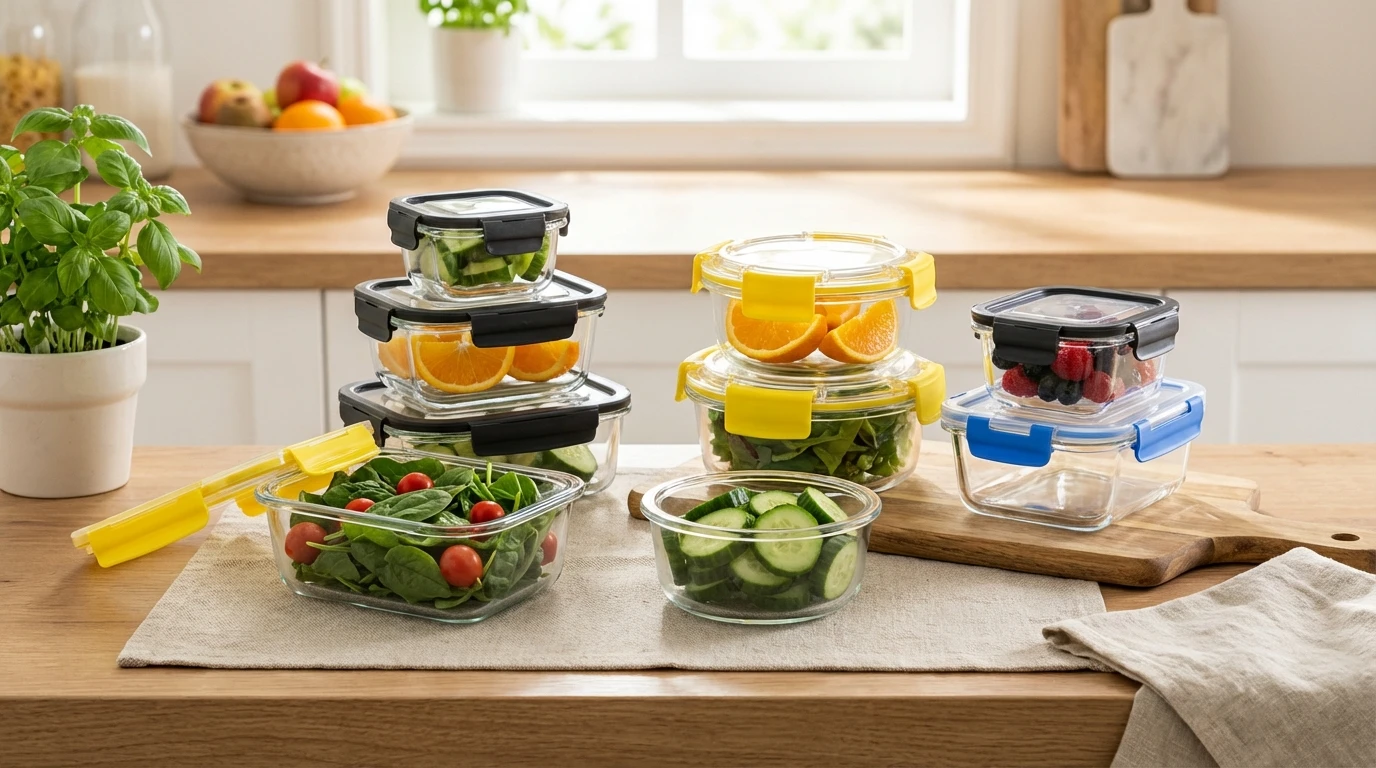
Durable & Sustainable 2 Litre Glass Drinking Bottles for Everyday Use
Understanding the 2 Litre Glass Drinking Bottle: More Than Just a Container
At first glance, a 2 litre glass drinking bottle might seem like a simple everyday item—a vessel for water or juice, nothing too fancy. But the story behind it is quite intricate, touching on global sustainability, safety concerns, and even humanitarian efforts. The neat thing about these bottles is how they fit into larger conversations on reducing plastic waste, improving water access, and the push for reusable, durable packaging worldwide.
Worldwide, it’s estimated that over 300 million tons of plastic are produced annually, with bottles forming a significant chunk of this. The 2 litre glass drinking bottle offers a meaningful alternative—in a way, it’s a small but powerful answer to global pollution challenges.
The Global Relevance of 2 Litre Glass Drinking Bottles
Glass bottles hold a unique place in packaging industries, particularly when looking at sustainability goals championed by bodies like the International Organization for Standardization (ISO) and environmental agencies aligned with the United Nations’ Sustainable Development Goals.
For instance, according to the UN Environment Programme, the push towards reusable containers has accelerated sharply in the past decade. Glass bottles—especially in larger volumes like 2 litres—offer recyclability rates far above their plastic counterparts, without compromising on safety or durability.
However, challenges remain: glass is heavier, more fragile, and can be costlier to manufacture and transport. So these bottles are not just about material choice but also about smart design and logistics that fit different global markets.
What is a 2 Litre Glass Drinking Bottle?
Simply put, it’s a glass container designed to hold 2 litres of liquid, commonly used for drinking water, juice, iced teas, or even specialty beverages. Unlike plastic bottles, these are typically made from tempered or borosilicate glass to improve strength and heat resistance.
Why 2 litres? Oddly enough, this size strikes a balance between household convenience and cost efficiency. It’s large enough for daily consumption but portable enough not to feel cumbersome—a feature that’s quite appealing in industrial, retail, and even emergency humanitarian contexts.
How It Connects to Modern Industry and Humanitarian Use
In industries like food and beverage, the 2 litre glass drinking bottle represents a premium packaging choice that signals quality and environmental consciousness. From a humanitarian perspective, glass bottles serve as reusable, easily sterilizable vessels ideal for safe water distribution in disaster zones.
- Reusable nature supports long-term relief operations
- Non-toxic and chemically inert compared to plastics
- Easy to clean and sterilize with basic methods
Mini Takeaway:
If you think about it, the 2 litre glass bottle is more than a product; it’s a small tool helping to bridge quality-driven consumption with vital health necessities worldwide.
Core Components and Key Features of 2 Litre Glass Drinking Bottles
1. Durability
Though glass is inherently fragile, modern manufacturing processes use tempered or borosilicate glass that significantly enhances shock resistance and heat tolerance. Many engineers say this is crucial for shipping large-volume bottles safely.
2. Scalability
The ability to mass-produce these bottles with consistent quality impacts their availability globally. Automated blow-moulding machines and quality control systems allow manufacturers to yield thousands daily.
3. Cost Efficiency
While upfront costs might be higher than plastic, the life cycle cost often favors glass due to reusability, lower contamination rates, and premium market positioning.
4. Sustainability
Glass is 100% recyclable; recycled glass, or cullet, melts at a lower temperature, saving energy. The bottles can be reused multiple times before recycling.
5. Safety and Chemical Stability
Unlike plastic, glass doesn’t leach chemicals into the contents, a valuable feature for consumables.
Mini Takeaway:
The 2 litre glass drinking bottle balances technical craftsmanship with practical needs, making it a versatile product for diverse users.
Global Applications and Real-World Use Cases
The versatility of the 2 litre glass drinking bottle shows in various sectors around the world:
- In Retail and Food & Beverage: Premium bottled water brands and local organic juice producers use them to convey quality and sustainability.
- Humanitarian Aid: Organizations distributing clean water in post-disaster zones or refugee camps prefer glass to minimize chemical exposure and enable sterilization.
- Medical and Laboratory Settings: For safe storage of liquids needing chemical inertness.
- Industrial Worksites: Remote mining or energy projects where durable, reusable containers reduce plastic waste.
For example, in regions hit hard by natural disasters, NGOs have swapped plastic bottles for glass ones in their water distribution kits, citing fewer health complaints and better community acceptance.
Advantages and Long-Term Value
| Benefit | Description |
|---|---|
| Environmental Impact | High recyclability and reusability mitigate landfill presssure and microplastic pollution. |
| Health & Safety | Non-reactive surface ensures no contamination or off-flavors. |
| Consumer Appeal | Premium look and feel translate to brand trust and loyalty. |
| Economic Savings | Long lifespan and reduced single-use disposal costs. |
There’s also an emotional side — using glass bottles often feels like a small statement in favor of care, respect, and modern awareness about our environmental footprint.
Innovations and Future Trends in 2 Litre Glass Drinking Bottles
Future-forward developments include:
- Smart Glass Technologies: Embedded QR codes or NFC tags for user engagement and supply chain transparency.
- Hybrid Materials: Reinforcements with bio-based polymers to enhance toughness without sacrificing recyclability.
- Automated Recycling: Advances reduce production waste and energy consumption.
- Design Customization: 3D-printed molds and sustainable inks for brand differentiation.
More broadly, increased environmental regulations globally are pushing producers toward greener packaging mandates — and glass tends to fit in well.
Challenges and How They Are Being Tackled
Of course, no solution is perfect.
- Fragility: Despite tempered glass, breakage still occurs, especially in rough transport.
- Weight: Heavier than plastic, raising freight costs and carbon footprint concerns.
- Higher Initial Cost: Manufacturing and handling expenses can be a barrier for some markets.
Innovative approaches include improved packaging designs with shock-absorbing materials, local bottling to reduce transport distances, and economies of scale to bring costs down.
Frequently Asked Questions About 2 Litre Glass Drinking Bottles
Q1: How durable is a 2 litre glass drinking bottle compared to plastic?
A: Thanks to tempering and borosilicate formulations, these glass bottles are much more resistant than you might think—able to handle daily use and moderate shocks. However, they're still more fragile than plastic and require careful handling.
Q2: Can these bottles be reused safely for drinking water?
A: Absolutely. The glass surface doesn’t absorb chemicals or odors, making it easy to clean and sterilize with boiling water or mild detergents, ensuring safe reuse.
Q3: Are 2 litre glass bottles environmentally friendly?
A: Yes. Glass is fully recyclable and can be remelted indefinitely without loss of quality. Their reusability also cuts down on single-use plastic waste.
Q4: How do shipping costs compare with plastic bottles?
A: Glass bottles weigh more, so shipping can be costlier. Still, many companies mitigate this through local production or bulk shipments combined with protective packaging to avoid damage.
Q5: Where can I buy high-quality 2 litre glass drinking bottles?
A: Trusted manufacturers specializing in borosilicate or tempered glass bottles often supply these in bulk. Check suppliers with certifications on quality and sustainability, such as those available at this site.
Product Specifications: Typical 2 Litre Glass Drinking Bottle
| Specification | Details |
|---|---|
| Material | Borosilicate or Tempered Glass |
| Capacity | 2 Litres (approx. 67.6 fl oz) |
| Weight | 850 – 1100 grams (varies by design) |
| Height | Approx. 30 cm (12 inches) |
| Diameter | Approx. 10 cm (4 inches) |
| Finish | Clear, frosted, or printed options |
| Usage | Food-grade, reusable, recyclable |
Vendor Comparison: Leading Suppliers of 2 Litre Glass Drinking Bottles
| Vendor | Material Quality | Customization Options | Pricing (per 1000 units) | Sustainability Certifications |
|---|---|---|---|---|
| Yinto Glassware | Borosilicate, tempered | Colors, labels, sizes | $1200 - $1400 | ISO 14001, FSC Packaging |
| ClearFlow Bottles | Tempered soda-lime glass | Standard labels only | $950 - $1100 | ISO 9001 |
| GreenGlass Co. | Recycled glass mix | Eco-print and shapes | $1300 - $1500 | LEED, Carbon Neutral |
Wrapping Up: Why the 2 Litre Glass Drinking Bottle Still Matters
The value of the 2 litre glass drinking bottle stretches well beyond its function as a container. It plays a niche but crucial role in the global effort to reduce plastic pollution, ensure safe drinking water access, and raise the bar on packaging quality. Sure, challenges like fragility and cost remain—but when handled thoughtfully, they’re manageable.
If you’re considering adding a sustainable, reliable, and simple yet sophisticated packaging solution or water container, it’s worth taking a close look at these bottles. After all, small changes often ripple into big impacts.
Looking for quality 2 litre glass drinking bottles? Feel free to explore trusted suppliers—you can start with Yinto Glassware’s offerings and experience firsthand the commitment behind each bottle.
Mini Takeaway:
Simple products like a 2 litre glass drinking bottle remind us that thoughtful design and material choice connect to larger stories of health, environment, and innovation.
References:
-
Ultimate Guide to Choosing Big Glass Storage Containers for Every NeedNewsApr.16,2026
-
Small Glass Lunch Containers Guide for Healthy Meal PrepNewsApr.09,2026
-
Comprehensive Guide to Choosing the Best Storage Containers for Dishes and GlassesNewsApr.07,2026
-
Selecting The Optimal 300ml Food Containers For Your Business NeedsNewsApr.04,2026
-
Discover the Benefits of Durable 3 Cup Glass Food Storage ContainersNewsMar.31,2026
-
Comprehensive Guide to Choosing Superior Glass Divided Food ContainersNewsMar.28,2026
![[Extra Large with Handle] Oven Safe Glass Food Storage Container with Airtight Locking Lid & Handle, Oven Safe Dishwasher Safe](https://images.exportstart.com/images/a1251/extra-larger-glass-container-with-snap-locking-lid-164.webp "[Extra Large with Handle] Oven Safe Glass Food Storage Container with Airtight Locking Lid & Handle, Oven Safe Dishwasher Safe")
![[All Microwave Safe] High Borosilicate Glass Food Storage Container , Oven Safe without Lid, Dishwasher Safe](https://images.exportstart.com/images/a1251/squre-glass-container-with-glass-lid-518.webp "[All Microwave Safe] High Borosilicate Glass Food Storage Container , Oven Safe without Lid, Dishwasher Safe")
![[Sliding Vent PP Lid] Borosilicate Glass Food Storage Containers with Food-grade Plastic Lid, Airtight, Leak Resistant](https://images.exportstart.com/images/a1251/glass-food-storage-container-with-airtight-lid-183.webp "[Sliding Vent PP Lid] Borosilicate Glass Food Storage Containers with Food-grade Plastic Lid, Airtight, Leak Resistant")
![[Large Skylight Glass Lid] Glass Food Storage Container, Oven Safe with Lid, BPA Free, 100% Leak resistant](https://images.exportstart.com/images/a1251/glass-lid-food-storage-container-1-1-196.webp "[Large Skylight Glass Lid] Glass Food Storage Container, Oven Safe with Lid, BPA Free, 100% Leak resistant")
![[Colorful Vent PP Lid] Glass Food Storage Container, BPA Free, Leakproof, Dishwasher Safe](https://images.exportstart.com/images/a1251/002-1-639.webp "[Colorful Vent PP Lid] Glass Food Storage Container, BPA Free, Leakproof, Dishwasher Safe")
![[Color Vent PP Lid] Borosilicate Glass Food Storage Container, Leakproof, Dishwasher Safe](https://images.exportstart.com/images/a1251/1-941.webp "[Color Vent PP Lid] Borosilicate Glass Food Storage Container, Leakproof, Dishwasher Safe")
![[Vacuum AS] Food Storage Container with Pump](https://images.exportstart.com/images/a1251/7-1-397.webp "[Vacuum AS] Food Storage Container with Pump")