 TEL: +86 18903393212
 Email: tina@yintoglassware.com

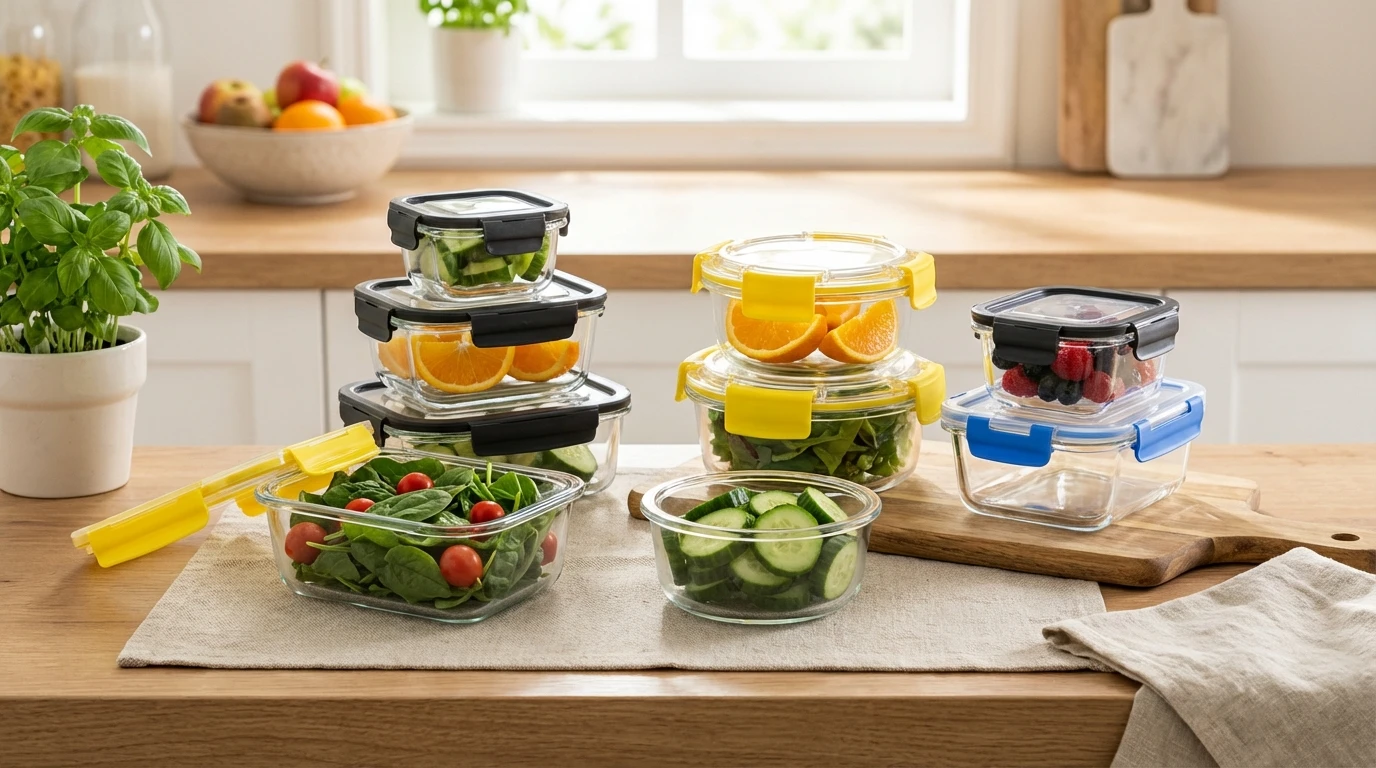
Discover the Benefits and Innovations of the 48 oz Glass Water Bottle
The Surprising Global Relevance of the 48 oz Glass Water Bottle
At first glance, a 48 oz glass water bottle might sound like just another reusable beverage container. But dig a little deeper, and you’ll find it taps into some of the biggest global challenges we face today: sustainability, clean water access, health, and reducing single-use plastics. It’s a simple object, yes, but one with outsized benefits in both consumer convenience and environmental impact.
Understanding this seemingly modest item means embracing a lifestyle and supply chain shift that lessens pollution, encourages hydration with purity, and supports a circular economy. For environmental advocates, health-conscious users, and businesses alike, knowing the nuances of 48 oz glass bottles isn’t just geeky detail—it’s part of an emerging essential trend.
Mini takeaway: The 48 oz glass water bottle exemplifies a key intersection where health, habit, and eco responsibility meet, making it a small but powerful tool in our global effort against plastic waste.
Why the 48 oz Glass Water Bottle Matters Globally
Here’s the deal: worldwide plastic production hits over 400 million tons annually (UN Environment Programme), and nearly 8 million tons of plastic waste ends up in oceans every year. The United Nations has highlighted sustainable consumption and production as top priorities for 2030. Meanwhile, water bottle sales are skyrocketing, with the global reusable water bottle market projected to hit $10 billion by 2027 (Statista).
Glass bottles sized around 48 oz (roughly 1.4 liters) provide a sweet spot—large enough for daylong hydration, yet portable and refillable, thus reducing dependency on disposable plastic bottles. This size appeals to athletes, office workers, outdoor enthusiasts, and travelers. The challenge? Ensuring the bottles are durable, safe, and produced sustainably.
Mini takeaway: The 48 oz glass water bottle addresses a unique market demand amid the growing imperative to cut plastic waste through reusable, safe, and practical hydration solutions.
What Exactly Is a 48 oz Glass Water Bottle?
A 48 oz glass water bottle is simply a container crafted mainly from glass designed to hold approximately 1.4 liters of liquid, typically water. It often features silicone sleeves or caps to minimize breakage risks and improve grip. Conceptually, it belongs to modern sustainable consumer goods focused on minimizing single-use bottle reliance while promoting clean hydration.
In humanitarian terms, providing safe drinking water containers like these can also be critical, especially in regions where plastic contamination or poor sanitation plagues communities.
Key Features of a Quality 48 oz Glass Water Bottle
1. Durability and Safety
Though glass is fragile compared to plastic, many manufacturers now use borosilicate glass—a heat-resistant, toughened variety that withstands drops better than standard soda-lime glass. Combined with protective silicone sleeves, it becomes surprisingly sturdy for everyday use.
2. Capacity and Portability
The 48 oz volume strikes a balance between carrying enough water to stay hydrated for several hours without refilling and maintaining a manageable weight for bags or backpacks. It’s designed with active lifestyles in mind.
3. Eco-Friendly Design
Unlike plastics, glass does not leach chemicals into the water, is 100% recyclable, and typically involves fewer toxic byproducts during production when done responsibly.
4. User Convenience
Lids designed with leak-proof sealing, wide mouths for easy cleaning and adding ice, and compatibility with various bottle holders highlight thoughtful design aspects.
5. Aesthetic and Customization
Glass bottles offer opportunities for branding, personalized prints, and aesthetic appeal, often driving buyers’ satisfaction beyond mere functionality.
6. Cost Efficiency Over Time
While initially pricier than plastic counterparts, a well-made 48 oz glass bottle can last several years, making it cost-efficient in durability, health safety, and environmental impact.
Mini takeaway: The ideal 48 oz glass water bottle brings together resilience, design, sustainability, and user experience into a package that fits modern life.
Global Applications in Context
Oddly enough, 48 oz glass water bottles pop up everywhere—from urban cafés in Europe to remote humanitarian camps in Africa. NGOs focused on clean water initiatives often distribute reusable bottles to reduce contamination risks where plastic waste disposal is problematic. In corporate wellness programs, sustainable water bottles encourage healthy habits while showcasing social responsibility.
In the outdoors industry, hikers and runners appreciate the capacity and purity of taste a glass bottle ensures without plastic aftertastes. Some schools and universities promote glass bottles as part of zero-waste campaigns. Even luxury hospitality embraces them as elegant, sustainable alternatives to disposable plastic.
| Specification | Details |
|---|---|
| Material | Borosilicate Glass |
| Capacity | 48 oz (approx. 1.4 L) |
| Dimensions | 9.5” height x 3.25” diameter |
| Lid Type | Leak-proof silicone screw cap |
| Weight (empty) | ~14 oz |
| Additional Features | Silicone sleeve, dishwasher safe |
Mini takeaway: Across diverse settings, the 48 oz glass bottle meets hydration needs with purity and style, often supporting eco and health missions.
Why Choose a 48 oz Glass Water Bottle? Advantages & Long-Term Value
- Sustainability: Reusable, fully recyclable, and chemically inert materials mean it's a greener choice than plastic.
- Health Safety: No risk of BPA or other harmful plastic chemicals contaminating your drink.
- Reliability: Resists odors, tastes, and staining unlike plastic counterparts.
- Cost-Effectiveness: Though a bit of an upfront investment, it pays off by drastically reducing bottled water consumption.
- Emotional Impact: Using glass feels cleaner, more natural—a small act of self-care and environmental respect.
Mini takeaway: The 48 oz glass water bottle bridges practical, ethical, and emotional values that resonate with today’s conscious consumers.
Emerging Trends and Innovation on the Horizon
In recent years, we’ve seen interesting experiments with antimicrobial coatings on glass, smart lids that track hydration, and fully cradle-to-cradle recyclable manufacturing. Solar-powered factories and supply chains embracing circular economy principles are shaping production.
Moreover, regulatory pushes (like the EU’s Single-Use Plastics Directive) are nudging institutions to prefer glass and metal reusable bottles. In tech circles, combined glass-smart bottle hybrids promise a new breed of hydration devices connecting wellness with the Internet of Things.
Mini takeaway: Innovation isn’t just about shiny gadgets—it’s about system-wide sustainability that includes the humble glass water bottle.
Challenges and How They’re Being Tackled
Glass’s fragility remains the biggest negative, which manufacturers mitigate with silicone sleeves and durable glass types. Weight and cost can also deter some users compared to lightweight plastic, but growing awareness shifts purchase behavior. Distribution networks for sustainable bottles, especially in remote markets, are sometimes limited, though NGOs and startups are closing these gaps.
The good news is that durability has improved enough that many users never have to replace their glass bottles for years, balancing the initial drawbacks.
FAQ: Your Questions About 48 oz Glass Water Bottles, Answered
- Q1: Is a 48 oz glass water bottle practical for everyday office use?
- A1: Absolutely! Its capacity keeps you hydrated through your workday, and the glass preserves water’s clean taste without odors or chemicals. Just keep it on your desk or in a bag with a protective sleeve.
- Q2: How do these glass bottles compare in cost to plastic ones?
- A2: Glass models usually cost more initially—anywhere from $15 to $40—but their durability and reusability make them more economical long-term by reducing plastic bottle purchases.
- Q3: Are these bottles safe for hot liquids?
- A3: Many use borosilicate glass resistant to thermal shock, so they can handle warm or iced drinks. Still, always check the manufacturer’s guidelines to confirm.
- Q4: What makes a bottle ‘eco-friendly’ besides being reusable?
- A4: Considerations include materials sourced responsibly, energy-efficient production, recyclability of the glass, and packaging that minimizes waste – all to reduce environmental footprint.
- Q5: Can I customize a 48 oz glass water bottle?
- A5: Many suppliers offer branding, color sleeves, or printed artwork, ideal for corporate gifts, events, or personal style statements.
Conclusion: Why a 48 oz Glass Water Bottle Is More Than Just a Container
Ultimately, the 48 oz glass water bottle isn’t just about carrying water—it’s a small but meaningful step toward a more sustainable, health-conscious lifestyle. It answers global calls to reduce plastic waste while offering the practicality modern consumers expect.
Interested in exploring top-quality 48 oz glass water bottles? Don’t hesitate to visit our website for styles thoughtfully designed for everyone—from athletes to eco warriors.
Cheers to hydration that feels good inside and out.
| Vendor | Material Quality | Price Range (USD) | Unique Features | Global Shipping |
|---|---|---|---|---|
| Yinto Glassware | Premium borosilicate | $20–$35 | Custom branding, eco packing | Yes |
| ClearSip Co. | Standard soda-lime | $15–$25 | Interchangeable lids | Limited |
| EcoBottle Ltd | Recycled glass blend | $18–$30 | Biodegradable sleeves | Yes |
References:
1. United Nations Environment Programme: www.unep.org
2. Statista: Reusable Water Bottles Market Data
3. ISO Environmental Standards on Packaging
-
Ultimate Guide to Choosing Big Glass Storage Containers for Every NeedNewsApr.16,2026
-
Small Glass Lunch Containers Guide for Healthy Meal PrepNewsApr.09,2026
-
Comprehensive Guide to Choosing the Best Storage Containers for Dishes and GlassesNewsApr.07,2026
-
Selecting The Optimal 300ml Food Containers For Your Business NeedsNewsApr.04,2026
-
Discover the Benefits of Durable 3 Cup Glass Food Storage ContainersNewsMar.31,2026
-
Comprehensive Guide to Choosing Superior Glass Divided Food ContainersNewsMar.28,2026
![[Extra Large with Handle] Oven Safe Glass Food Storage Container with Airtight Locking Lid & Handle, Oven Safe Dishwasher Safe](https://images.exportstart.com/images/a1251/extra-larger-glass-container-with-snap-locking-lid-164.webp "[Extra Large with Handle] Oven Safe Glass Food Storage Container with Airtight Locking Lid & Handle, Oven Safe Dishwasher Safe")
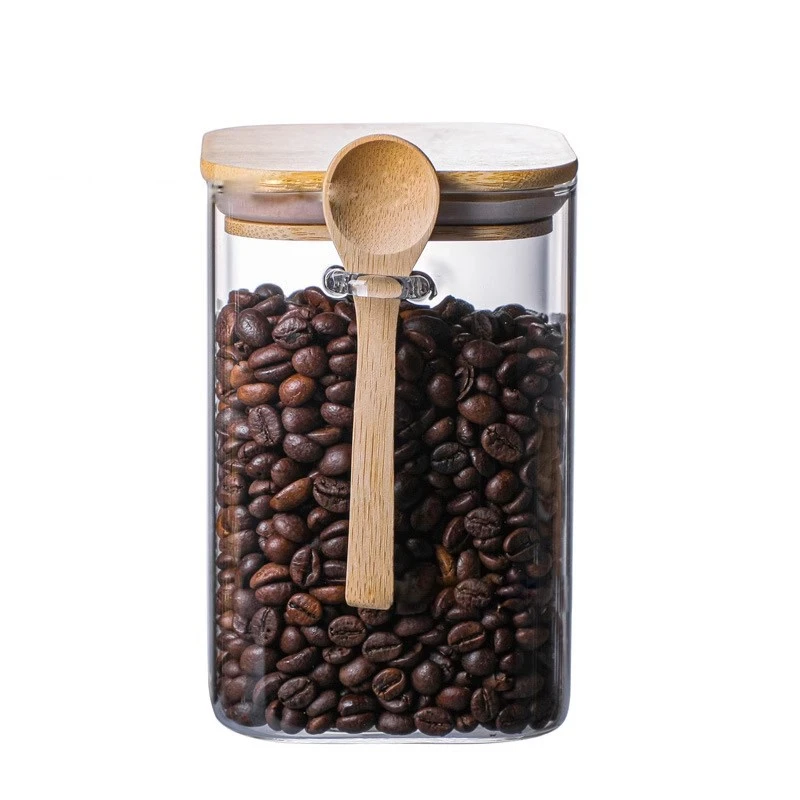
![[All Microwave Safe] High Borosilicate Glass Food Storage Container , Oven Safe without Lid, Dishwasher Safe](https://images.exportstart.com/images/a1251/squre-glass-container-with-glass-lid-518.webp "[All Microwave Safe] High Borosilicate Glass Food Storage Container , Oven Safe without Lid, Dishwasher Safe")
![[Sliding Vent PP Lid] Borosilicate Glass Food Storage Containers with Food-grade Plastic Lid, Airtight, Leak Resistant](https://images.exportstart.com/images/a1251/glass-food-storage-container-with-airtight-lid-183.webp "[Sliding Vent PP Lid] Borosilicate Glass Food Storage Containers with Food-grade Plastic Lid, Airtight, Leak Resistant")
![[Large Skylight Glass Lid] Glass Food Storage Container, Oven Safe with Lid, BPA Free, 100% Leak resistant](https://images.exportstart.com/images/a1251/glass-lid-food-storage-container-1-1-196.webp "[Large Skylight Glass Lid] Glass Food Storage Container, Oven Safe with Lid, BPA Free, 100% Leak resistant")
![[Colorful Vent PP Lid] Glass Food Storage Container, BPA Free, Leakproof, Dishwasher Safe](https://images.exportstart.com/images/a1251/002-1-639.webp "[Colorful Vent PP Lid] Glass Food Storage Container, BPA Free, Leakproof, Dishwasher Safe")
![[Color Vent PP Lid] Borosilicate Glass Food Storage Container, Leakproof, Dishwasher Safe](https://images.exportstart.com/images/a1251/1-941.webp "[Color Vent PP Lid] Borosilicate Glass Food Storage Container, Leakproof, Dishwasher Safe")
![[Vacuum AS] Food Storage Container with Pump](https://images.exportstart.com/images/a1251/7-1-397.webp "[Vacuum AS] Food Storage Container with Pump")