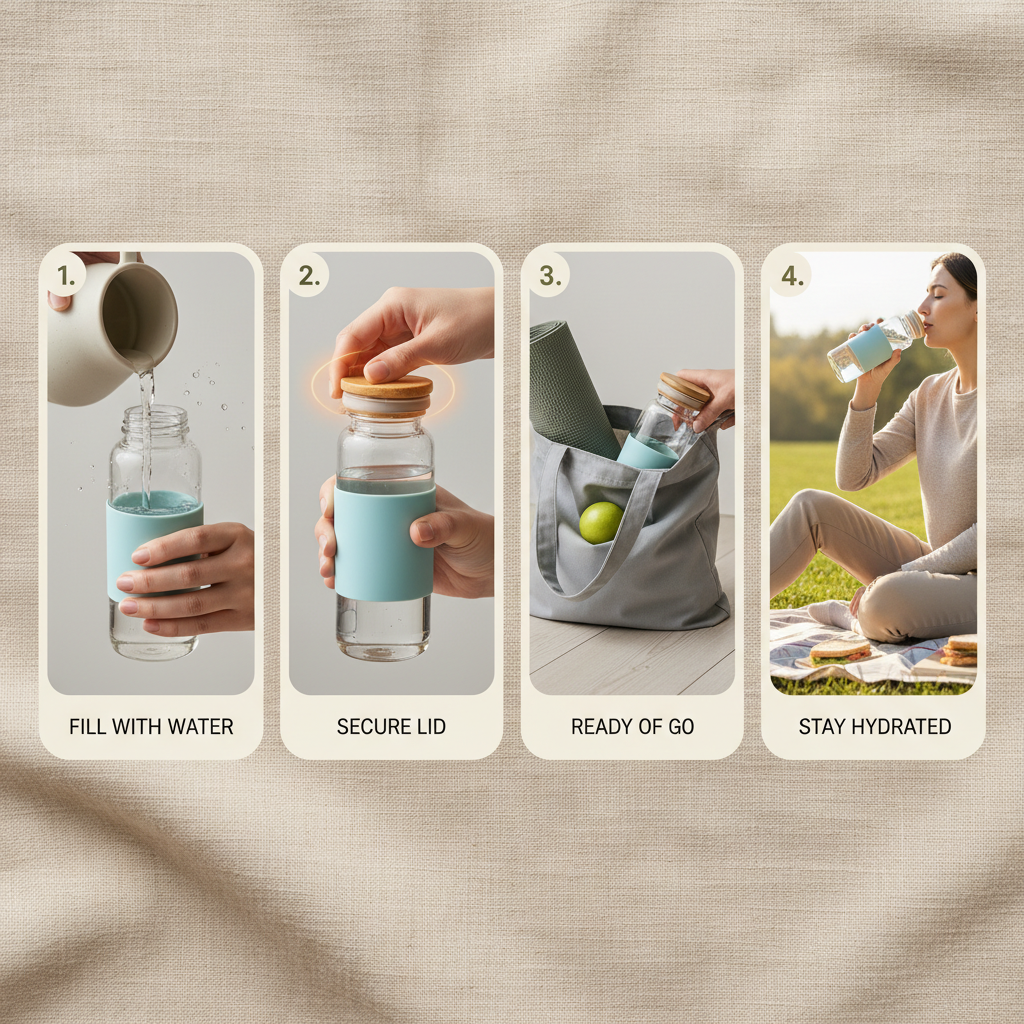
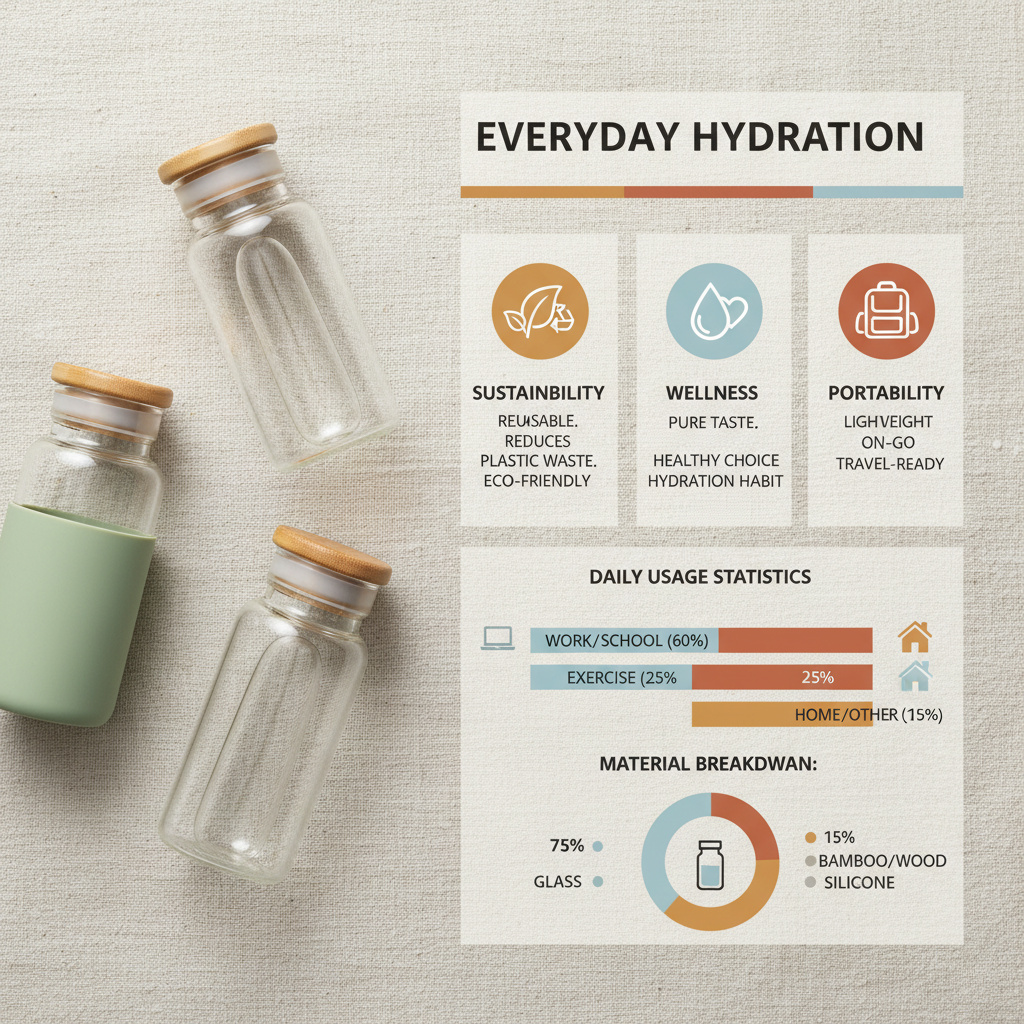
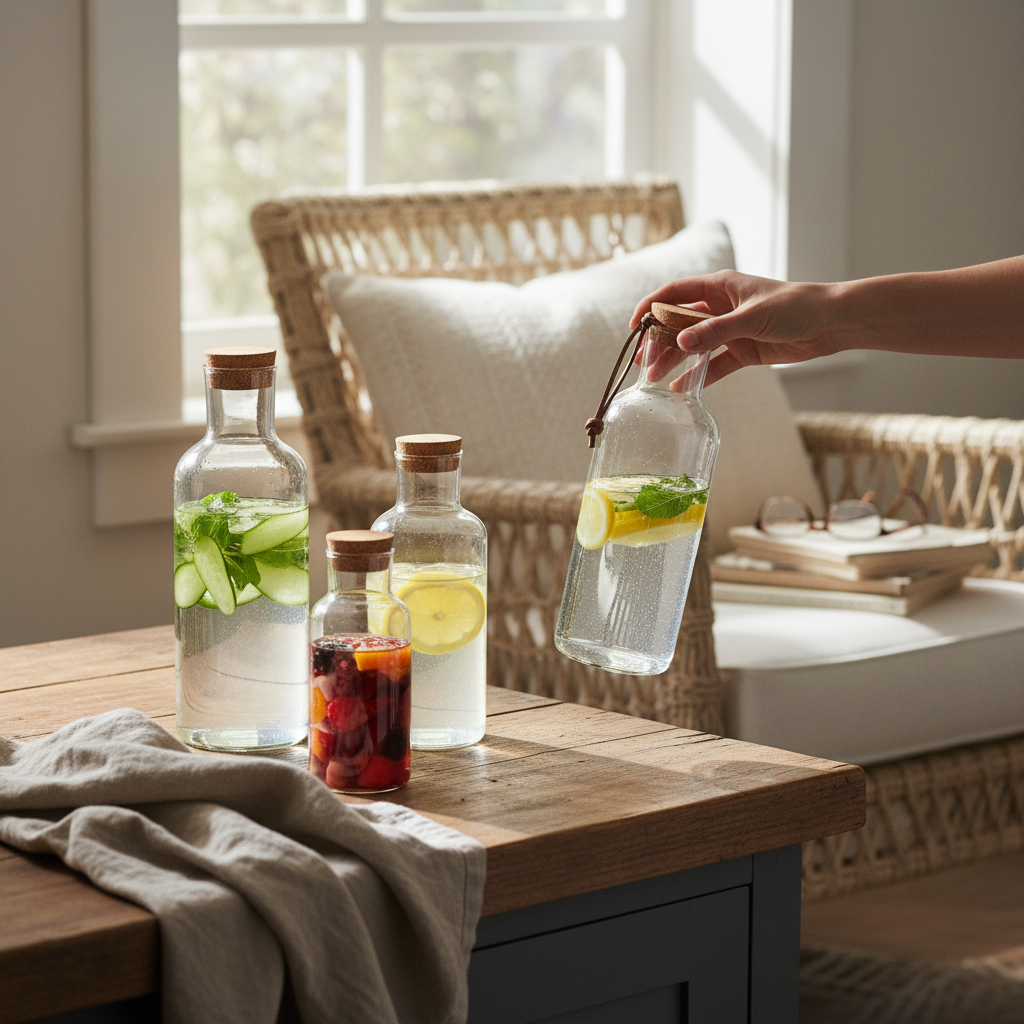
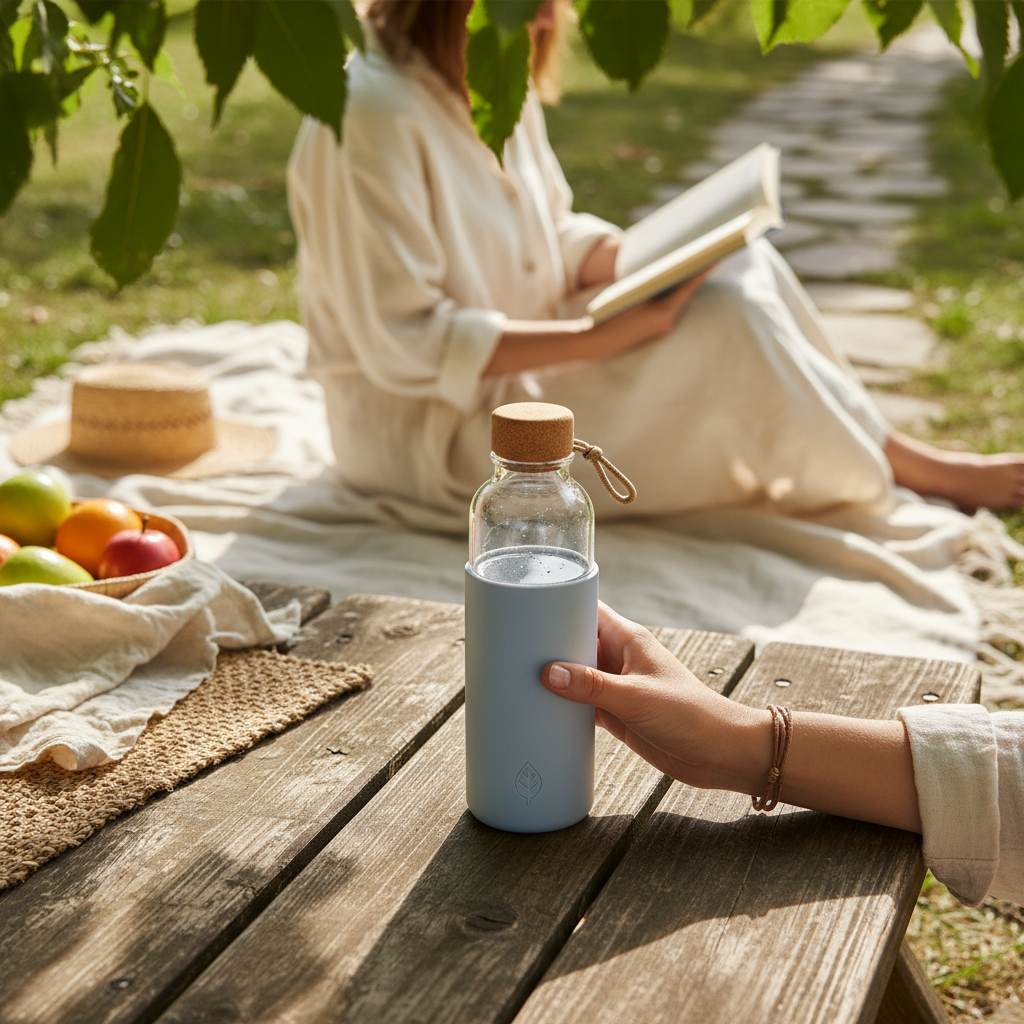
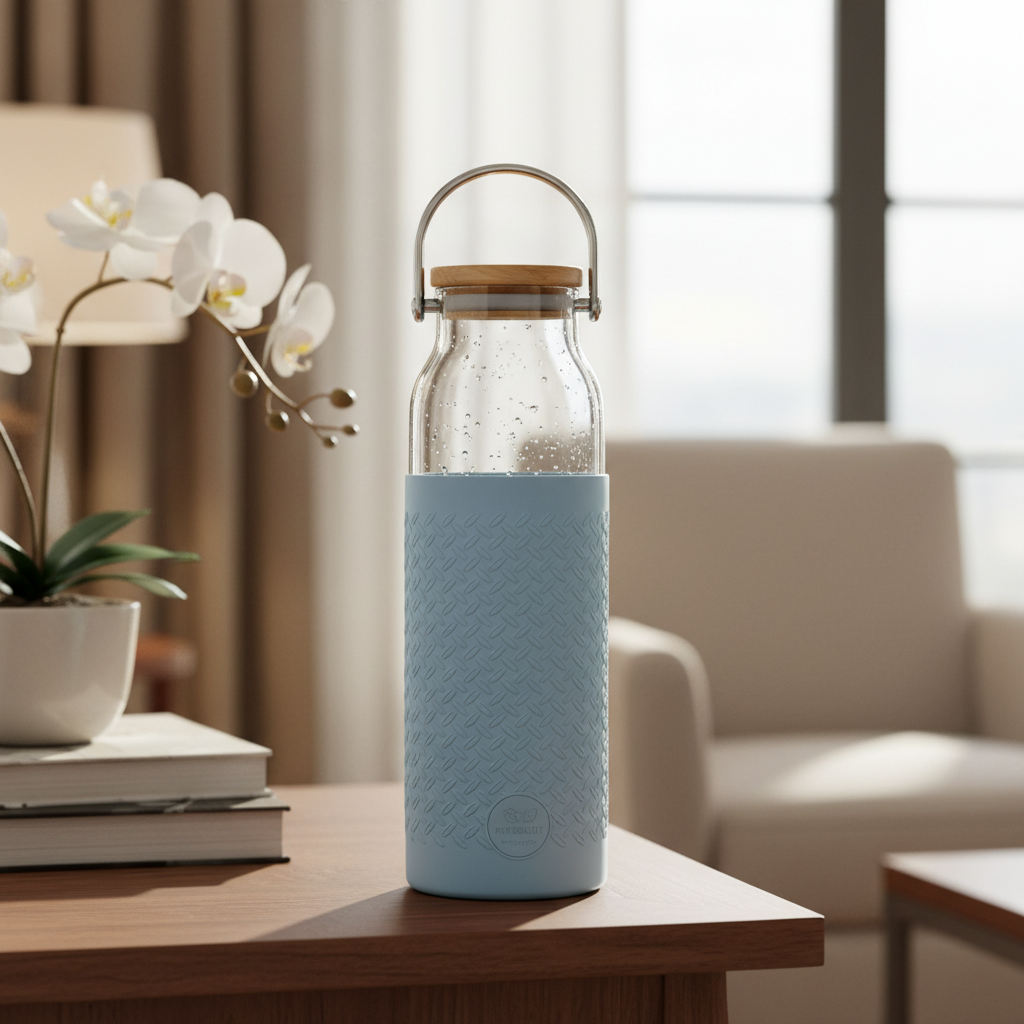
The increasing global awareness of health and environmental sustainability has fueled a demand for reusable and eco-friendly alternatives to plastic water bottles. A small glass water bottle represents a significant step towards meeting this demand, offering a safe, durable, and aesthetically pleasing hydration solution. The shift towards glass, particularly in smaller sizes for convenience and portability, is reshaping consumer habits and industry practices.
The benefits of choosing a small glass water bottle extend beyond personal health. Unlike plastic, glass is inert and doesn’t leach harmful chemicals into the water, contributing to better well-being. Furthermore, glass is infinitely recyclable, reducing landfill waste and promoting a circular economy. The compact size is ideal for on-the-go lifestyles, fitting easily into bags and cup holders.
From mindful consumers seeking healthier alternatives to businesses striving for sustainable practices, the appeal of the small glass water bottle is undeniable. This movement isn’t merely a trend; it’s a reflection of a growing societal commitment to responsible consumption and environmental stewardship.
The Core Principles of small glass water bottle
At its heart, a small glass water bottle embodies the principles of purity, safety, and sustainability. Unlike plastic alternatives, glass is non-porous, preventing the absorption of flavors and odors, and crucially, eliminating the leaching of harmful chemicals like BPA and phthalates into your drinking water. This inherent purity is a cornerstone of its appeal.
The selection of glass as a material isn’t simply about avoiding negatives; it's about embracing positives. Glass is readily recyclable, contributing to a closed-loop system that minimizes environmental impact. Its durability, when properly cared for, allows for long-term use, reducing the need for frequent replacements and further lessening waste.
Historical Context and Evolution
The use of glass containers for liquids dates back millennia, but the modern small glass water bottle evolved from a need for safer and more convenient hydration solutions. Initially, glass bottles were primarily used for storing and transporting beverages like wine and oil. The advent of mass production techniques in the 19th and 20th centuries made glass more accessible and affordable for everyday use.
The shift towards smaller, personal-sized glass bottles coincided with increasing health consciousness and a growing awareness of the dangers of plastic. Early glass bottles were often heavier and more fragile. Innovations in glass manufacturing – like borosilicate glass, known for its thermal shock resistance – allowed for the creation of lighter, more durable bottles suitable for active lifestyles.
The recent surge in popularity of the small glass water bottle is directly linked to the rising tide of environmental activism and a desire to reduce reliance on single-use plastics. This evolution demonstrates a conscious move towards sustainable and healthier hydration habits.
Material Composition and Production Techniques
The primary component of a small glass water bottle is silica sand, combined with soda ash and limestone. These raw materials are heated to extremely high temperatures, melting them into a molten glass. Different types of glass can be produced by varying the composition; for example, borosilicate glass adds boron trioxide for increased thermal shock resistance.
The manufacturing process involves shaping the molten glass using techniques like blowing or pressing. Blowing is often used for intricate designs, while pressing is ideal for mass production of simpler shapes. After shaping, the bottles undergo annealing, a process of controlled cooling to relieve internal stresses and prevent cracking. Finally, surface treatments like coating may be applied for added durability and aesthetic appeal.
Quality control is critical throughout the production process. Bottles are inspected for defects, such as bubbles, cracks, and inconsistencies in thickness. The goal is to produce a small glass water bottle that is not only aesthetically pleasing but also structurally sound and capable of withstanding daily use.
Key Performance Indicators of small glass water bottle
Evaluating the performance of a small glass water bottle requires considering several key indicators. Durability, measured by resistance to breakage and chipping, is paramount. Thermal shock resistance, the ability to withstand sudden temperature changes without cracking, is also crucial, especially for beverages of varying temperatures.
Another important KPI is leachability – the extent to which the bottle releases chemicals into the water. Glass, being inert, scores highly in this category. Finally, recyclability, measured by the ease with which the bottle can be recycled and repurposed, contributes to its overall sustainability.
small glass water bottle Performance Ratings
Global Market Dynamics and Regional Adoption
The global market for reusable water bottles, including small glass water bottles, is experiencing substantial growth, driven by increasing consumer awareness and stricter regulations regarding single-use plastics. North America and Europe currently represent the largest market share, with a strong preference for eco-friendly products.
However, adoption rates are rapidly increasing in Asia-Pacific, particularly in countries with growing middle classes and heightened environmental concerns. Latin America and Africa also exhibit promising growth potential, fueled by initiatives to improve access to safe drinking water and reduce plastic pollution. The demand for convenient, portable solutions like the small glass water bottle is a key driver in these regions.
Sustainability and Environmental Impact Assessment
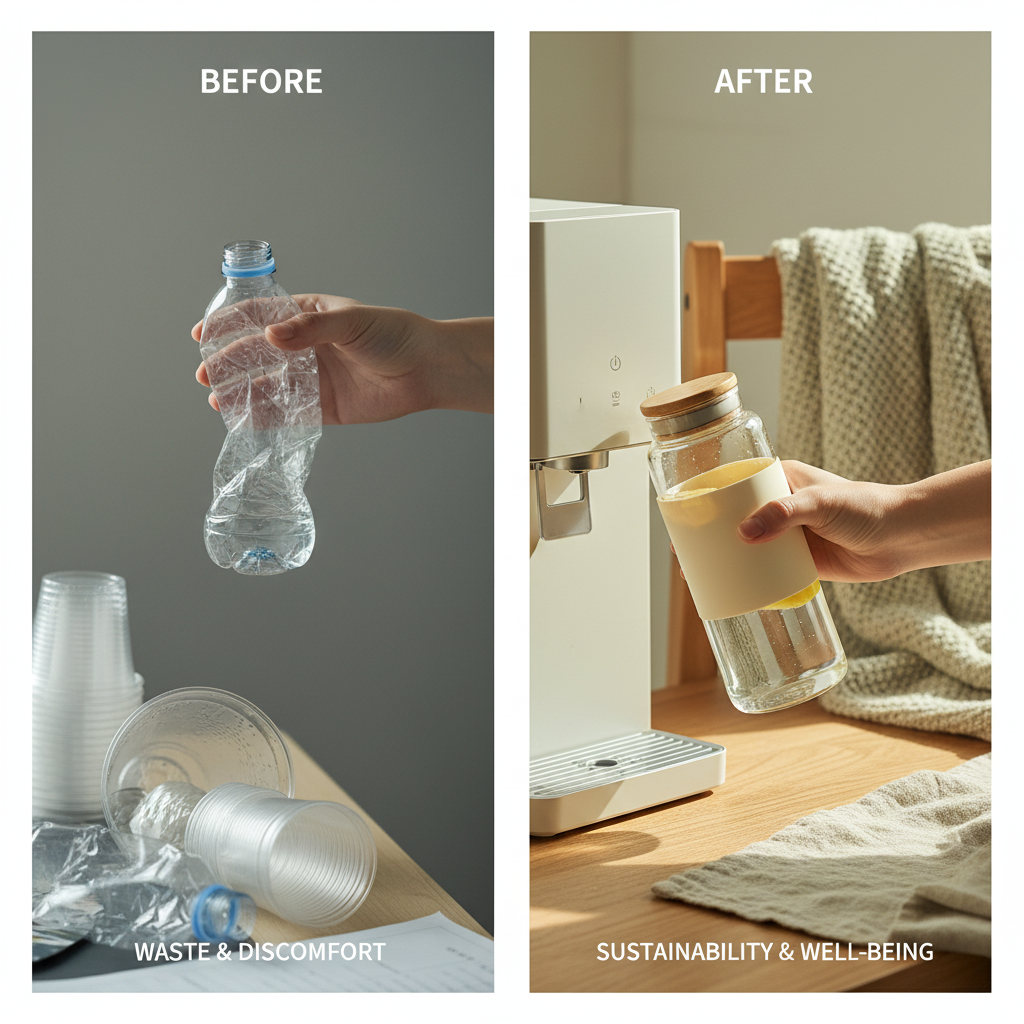
Compared to plastic alternatives, the small glass water bottle presents a significantly lower environmental footprint. While glass production requires energy, the material is infinitely recyclable without degradation. This contrasts sharply with plastic, which often ends up in landfills or the ocean, contributing to pollution and harming wildlife.
Life cycle assessments (LCAs) demonstrate that the overall environmental impact of a glass bottle, considering its entire lifespan, can be lower than that of a plastic bottle, especially when recycling rates are high. Furthermore, the avoidance of harmful chemicals leaching into the water contributes to a healthier ecosystem.
Responsible sourcing of raw materials and efficient manufacturing processes are essential for maximizing the sustainability benefits of small glass water bottles.
Future Innovations and Technological Advancements
Ongoing research and development are focused on enhancing the properties and sustainability of small glass water bottles. Innovations in glass composition, such as incorporating recycled glass content, are reducing the environmental impact of production.
The development of thinner, lighter-weight glass bottles without compromising durability is another area of focus. Advanced coating technologies are being explored to improve scratch resistance and thermal shock resistance. Furthermore, smart bottle technologies, integrating sensors to track hydration levels and water quality, are emerging.
The application of digital manufacturing techniques, such as 3D printing, could allow for customized bottle designs and localized production, reducing transportation costs and further minimizing the environmental footprint.
A Comparative Analysis of small glass water bottle Material Properties
| Material Type |
Durability Score (1-10) |
Recyclability Rating (1-10) |
Leachability Risk (Low, Medium, High) |
| Borosilicate Glass |
9 |
10 |
Low |
| Soda-Lime Glass |
7 |
9 |
Low |
| Polyethylene Terephthalate (PET) |
4 |
7 |
Medium |
| Polypropylene (PP) |
6 |
5 |
Medium |
| Stainless Steel |
8 |
8 |
Low |
| Aluminum |
5 |
7 |
Low |
FAQS
Unlike many plastic bottles, a small glass water bottle doesn’t leach harmful chemicals like BPA or phthalates into your water. This ensures the purity of your drink and avoids potential health risks associated with these chemicals, which have been linked to hormone disruption and other health issues. Glass is also non-porous, preventing the absorption of flavors and odors, resulting in a cleaner tasting beverage. Choosing glass contributes to overall wellness by providing a safe and healthy hydration option.
While glass is inherently more fragile than plastic, modern small glass water bottles, especially those made from borosilicate glass, are surprisingly durable. Borosilicate glass is highly resistant to thermal shock, meaning it can withstand temperature changes without cracking. Furthermore, many bottles feature protective sleeves or are designed with thicker glass to enhance their resilience. Proper handling and avoiding extreme impacts will further extend their lifespan.
Cleaning a small glass water bottle is relatively simple. Regular washing with warm soapy water and a bottle brush is usually sufficient. For more thorough cleaning, you can use a mixture of baking soda and water, or white vinegar and water. Avoid abrasive cleaners that could scratch the glass. Dishwashers are often safe for glass bottles, but always check the manufacturer’s instructions. Allowing the bottle to air dry completely helps prevent mildew growth.
Yes, in most life cycle assessments, a small glass water bottle proves more eco-friendly than reusable plastic. While glass production requires more energy upfront, glass is infinitely recyclable without degradation, unlike plastic, which often degrades with each recycling cycle. This means a glass bottle can be recycled repeatedly, creating a closed-loop system. Plus, the absence of harmful chemical leaching eliminates a source of environmental pollution. Considering the long-term benefits, glass offers a more sustainable solution.
Whether you can put hot liquids in a small glass water bottle depends on the type of glass used. Borosilicate glass is specifically designed to withstand thermal shock and is safe for hot beverages. However, standard soda-lime glass is more susceptible to cracking with sudden temperature changes. Always check the manufacturer’s instructions before filling a glass bottle with hot liquids. Using a protective sleeve can also provide additional insulation and protection.
When choosing a small glass water bottle, consider the type of glass (borosilicate is preferred for durability), the presence of a protective sleeve, the bottle’s size and shape for comfortable handling, and the ease of cleaning. Look for bottles with airtight lids to prevent leaks. Check for certifications ensuring the glass is free of harmful chemicals. Finally, consider your personal aesthetic preferences – glass bottles come in a variety of designs to suit different styles.
Conclusion
In conclusion, the small glass water bottle represents a convergence of health, sustainability, and convenience. Its inherent purity, recyclability, and durability offer a compelling alternative to plastic options, contributing to both personal well-being and environmental stewardship. From its historical roots to its innovative future, the small glass water bottle embodies a conscious shift towards responsible consumption.
Looking ahead, continued advancements in glass technology and manufacturing processes will further enhance the benefits of these bottles. By embracing this simple yet impactful change, consumers and businesses alike can contribute to a healthier planet and a more sustainable future. Visit our website today to explore our selection of small glass water bottles and join the movement!
 TEL: +86 18903393212
 Email: tina@yintoglassware.com