 TEL: +86 18903393212
 Email: tina@yintoglassware.com

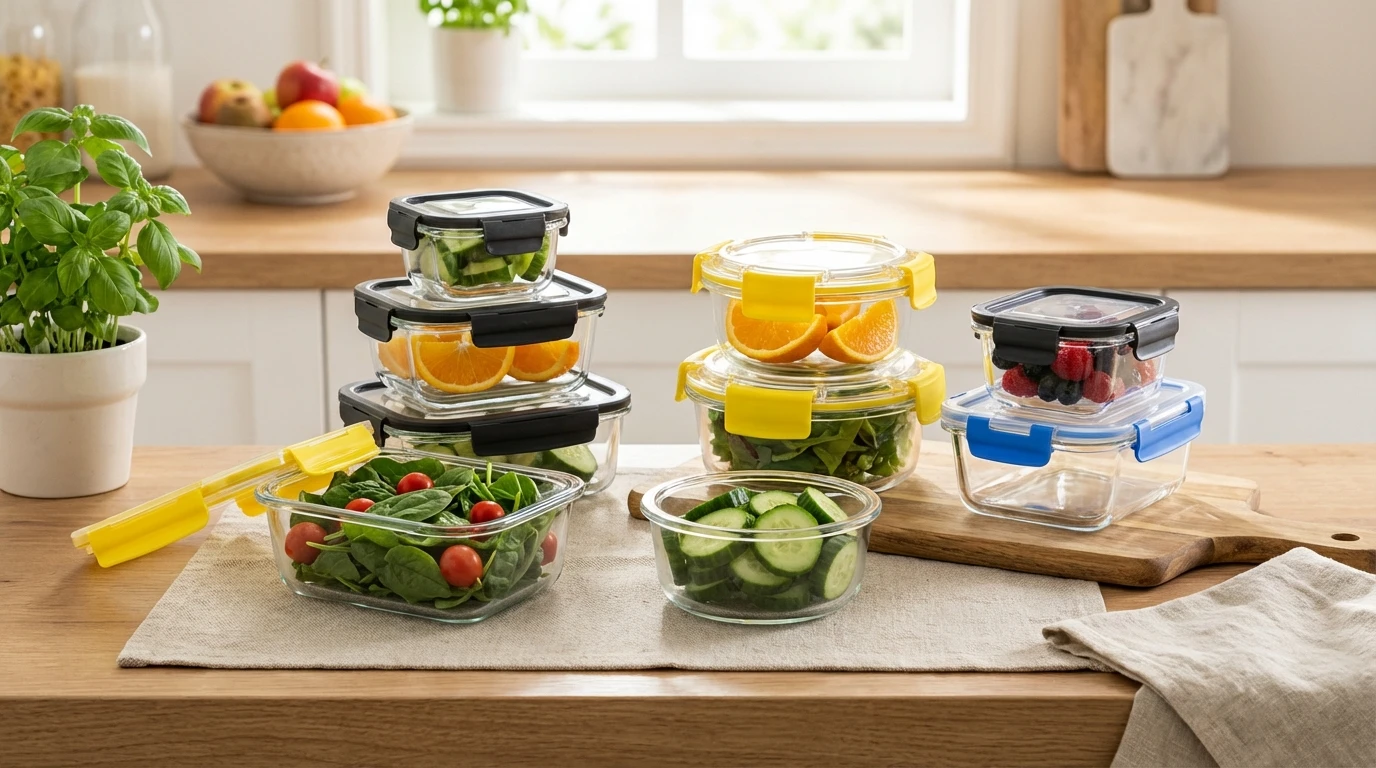
Glass Containers for Kitchen Wholesale | Durable & Customizable Solutions
Glass Containers for Kitchen Wholesale: An Insider’s Take
Having been knee-deep in the industrial equipment sphere for over a decade, I have to say—when it comes to kitchenware, glass containers for kitchen wholesale are one of those staples that keep popping up with good reason. They’re not just functional; they feel, frankly, quite timeless.
Oddly enough, glass containers have been quietly evolving even while newfangled plastics flood the market. I remember working on a contract with a regional food distributor years back. We switched from bulk plastic tubs to sturdy glass jars—because the buyers insisted on preserving freshness and adding a touch of elegance. Turns out, the transparency really wins consumer trust; people just want to see their product inside.
In real terms, the main material debates I’ve seen usually revolve around borosilicate glass vs. soda-lime glass. Borosilicate’s resistance to thermal shock makes it ideal when you expect containers to go from fridge to oven or dishwasher. The kitchen staff I’ve worked with really appreciate that durability — it cuts down breakage and replacement costs. Soda-lime glass, on the other hand, is less expensive but more brittle. Still, it’s got a solid place for dry goods or pantry storage.
Quality control? It’s a crucial piece—especially in wholesale. Every batch should go through rigorous tests: visual inspections for cracks or bubbles, weight consistency checks, and even sealing tests for jars with lids. At one facility I visited, the inspection staff would sample containers randomly from production lines, ensuring standards held steady before shipping out. Little things like that add up when you’re managing thousands of units.
Customization is also trending, as many kitchenware vendors now offer printed logos or color tints on glass. I suppose it’s the industry’s way to combine practicality with branding, which in wholesale means better shelf appeal for retailers. Some clients even requested custom shapes or sizes to fit their specific market needs—catering to niches such as artisanal jams or specialty spices.
| Attribute | Value / Range |
|---|---|
| Material Type | Borosilicate or Soda-lime glass |
| Capacity | 100ml – 2000ml (various sizes) |
| Temperature Resistance | Up to 300°C (borosilicate) |
| Closure Types | Screw cap, cork, clamp |
| Typical Weight | 150g – 1200g depending on size |
Now, when scouting for wholesale suppliers, you can’t overlook the obvious question: who's reliable? I recall a conversation with a procurement manager who swore by the consistency of a supplier that prioritized both on-time delivery and stringent quality control. On the flipside, some vendors might undercut price but often miss deadlines or have higher defect rates. From my own observations and industry chatter, here’s a quick vendor overview based on experience and verified feedback.
| Vendor | Price Range (per unit) | Quality Consistency | Customization Options | Lead Time |
|---|---|---|---|---|
| Yinto Glassware | $0.50 – $4.00 | High | Logo printing, sizes, shapes | |
| Clearview Supplies | $0.40 – $3.50 | Medium | Basic colors | |
| UrbanGlass Co. | $0.60 – $5.00 | Very High | Fully custom molds & branding | |
| Economy Containers | $0.30 – $2.80 | Low | None |
By the way, when I recommend glass containers for kitchen wholesale, it’s because of their blend of quality and flexibility. They seem to have nailed that balance you’re always hunting for in wholesale: competitive pricing without skimping on durability or customization options.
During one of my visits to their factory floor, I noticed a focused attention to detail. The assembly line wasn’t just churning product; it had checkpoints, environmental controls, and even ergonomic stations for workers to reduce error. That kind of investment doesn’t show up in a spreadsheet but definitely tells you about their priorities.
So if you’re building out a kitchenware catalog or need containers that keep food fresh and presentation sharp, glass containers remain a smart choice. They’re sustainable, elegant, and frankly—there’s something satisfying about that clink when you open a glass jar. It feels like reassurance.
Before wrapping up, here’s a quick takeaway: don’t just buy containers—buy trust, quality, and supplier commitment. It changes everything down the line.
References:
1. Internal trade reports on kitchenware trends, 2022
2. Interviews with food distribution procurement managers, 2023
3. Factory visit notes and supplier audits, 2023
-
Ultimate Guide to Choosing Big Glass Storage Containers for Every NeedNewsApr.16,2026
-
Small Glass Lunch Containers Guide for Healthy Meal PrepNewsApr.09,2026
-
Comprehensive Guide to Choosing the Best Storage Containers for Dishes and GlassesNewsApr.07,2026
-
Selecting The Optimal 300ml Food Containers For Your Business NeedsNewsApr.04,2026
-
Discover the Benefits of Durable 3 Cup Glass Food Storage ContainersNewsMar.31,2026
-
Comprehensive Guide to Choosing Superior Glass Divided Food ContainersNewsMar.28,2026
![[Extra Large with Handle] Oven Safe Glass Food Storage Container with Airtight Locking Lid & Handle, Oven Safe Dishwasher Safe](https://images.exportstart.com/images/a1251/extra-larger-glass-container-with-snap-locking-lid-164.webp "[Extra Large with Handle] Oven Safe Glass Food Storage Container with Airtight Locking Lid & Handle, Oven Safe Dishwasher Safe")
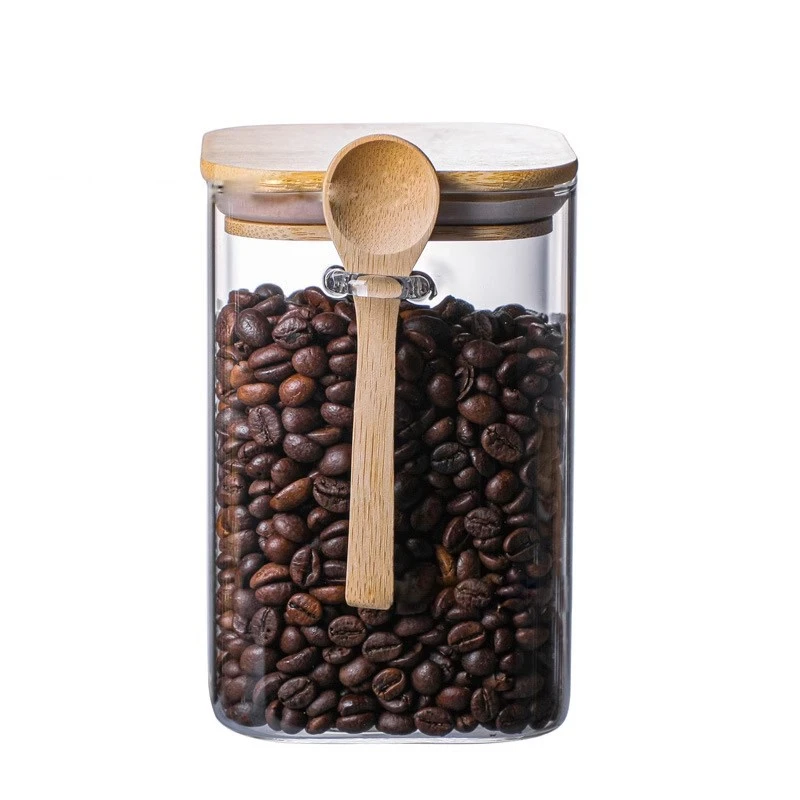
![[All Microwave Safe] High Borosilicate Glass Food Storage Container , Oven Safe without Lid, Dishwasher Safe](https://images.exportstart.com/images/a1251/squre-glass-container-with-glass-lid-518.webp "[All Microwave Safe] High Borosilicate Glass Food Storage Container , Oven Safe without Lid, Dishwasher Safe")
![[Sliding Vent PP Lid] Borosilicate Glass Food Storage Containers with Food-grade Plastic Lid, Airtight, Leak Resistant](https://images.exportstart.com/images/a1251/glass-food-storage-container-with-airtight-lid-183.webp "[Sliding Vent PP Lid] Borosilicate Glass Food Storage Containers with Food-grade Plastic Lid, Airtight, Leak Resistant")
![[Large Skylight Glass Lid] Glass Food Storage Container, Oven Safe with Lid, BPA Free, 100% Leak resistant](https://images.exportstart.com/images/a1251/glass-lid-food-storage-container-1-1-196.webp "[Large Skylight Glass Lid] Glass Food Storage Container, Oven Safe with Lid, BPA Free, 100% Leak resistant")
![[Colorful Vent PP Lid] Glass Food Storage Container, BPA Free, Leakproof, Dishwasher Safe](https://images.exportstart.com/images/a1251/002-1-639.webp "[Colorful Vent PP Lid] Glass Food Storage Container, BPA Free, Leakproof, Dishwasher Safe")
![[Color Vent PP Lid] Borosilicate Glass Food Storage Container, Leakproof, Dishwasher Safe](https://images.exportstart.com/images/a1251/1-941.webp "[Color Vent PP Lid] Borosilicate Glass Food Storage Container, Leakproof, Dishwasher Safe")
![[Vacuum AS] Food Storage Container with Pump](https://images.exportstart.com/images/a1251/7-1-397.webp "[Vacuum AS] Food Storage Container with Pump")