 TEL: +86 18903393212
 Email: tina@yintoglassware.com

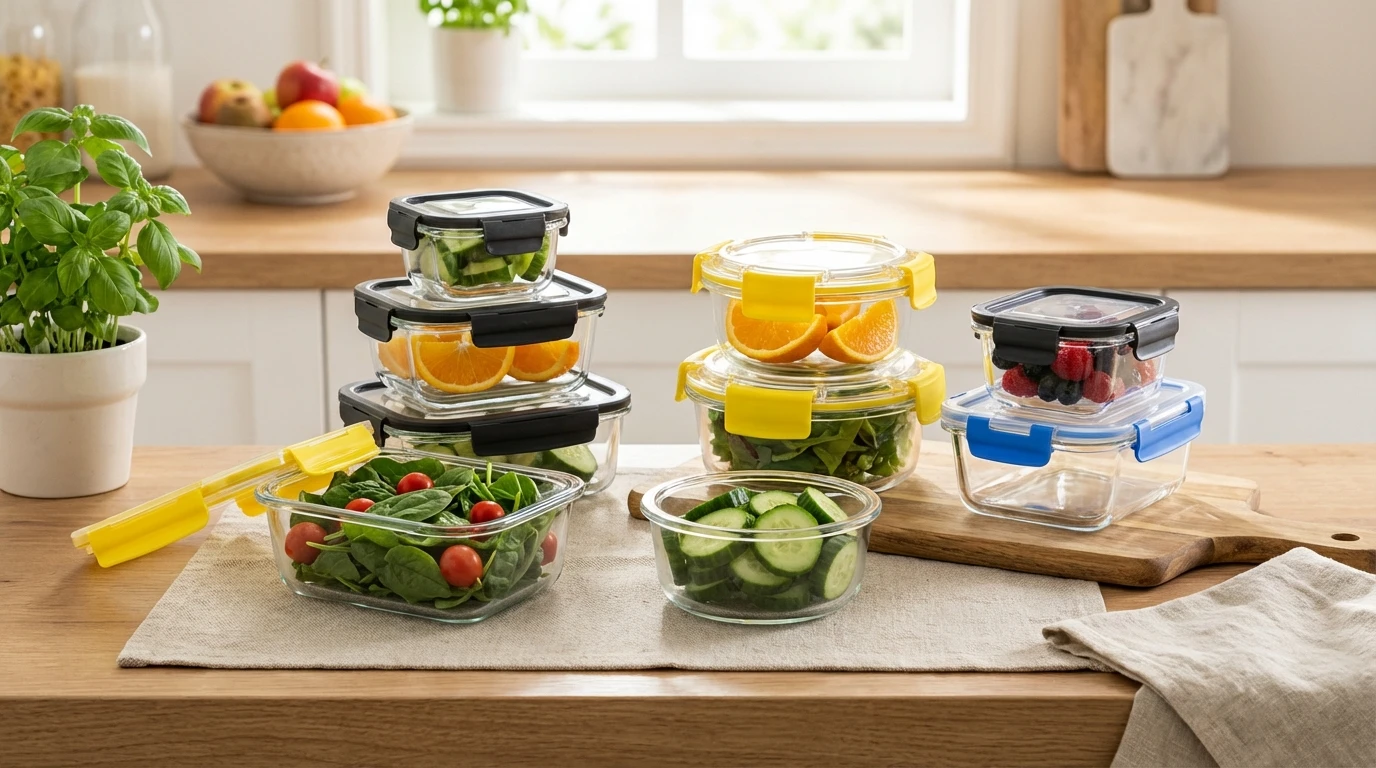
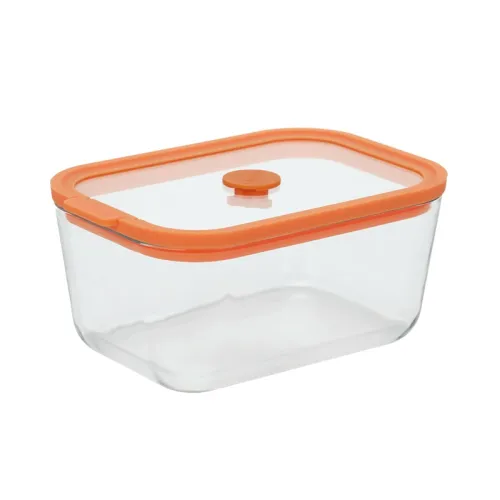
Glass Food Storage Container with Glass Lid - Airtight Seal
Why glass-on-glass food storage is quietly winning the kitchen
The first time I snapped shut an Glass Food Storage Container With Glass Lid and reheated lunch without hunting for the “right lid,” I thought: finally. No plastic warping, no mystery smells after curry night, and—surprisingly—no leaks on my subway ride. That last part matters.
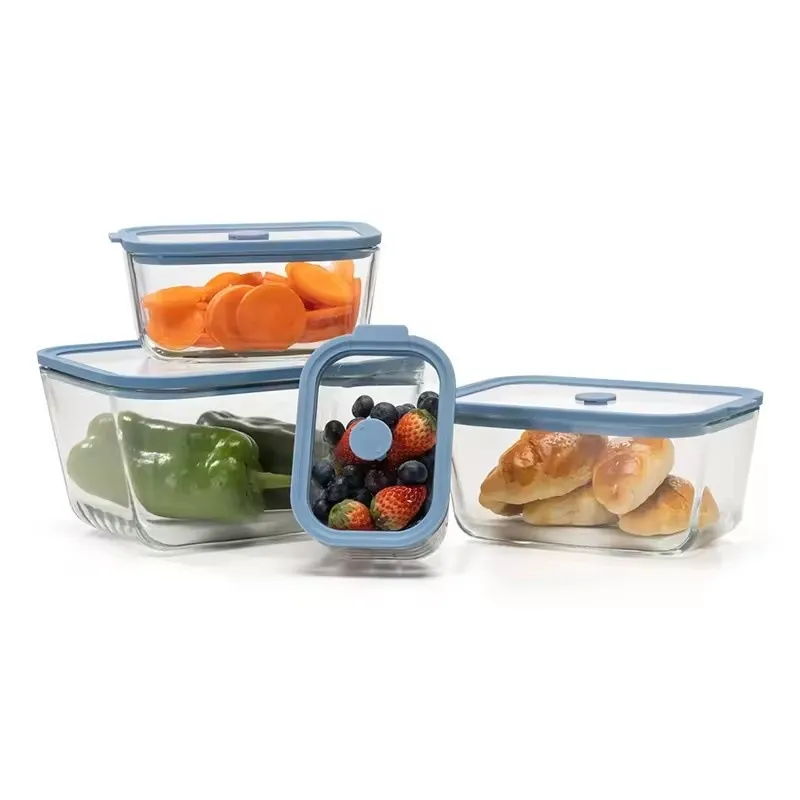
What’s driving the shift to glass-on-glass?
Three trends keep popping up in retail data and buyer interviews: plastic fatigue, microwave/oven versatility, and clean design that stacks like building blocks. Food brands, meal-prep startups, even hospital kitchens want containers that are inert, traceable, and tough enough for daily cycles. And yes, aesthetics help. The Glass Food Storage Container With Glass Lid ticks those boxes, with a small but crucial upgrade—a vent valve for steam control.
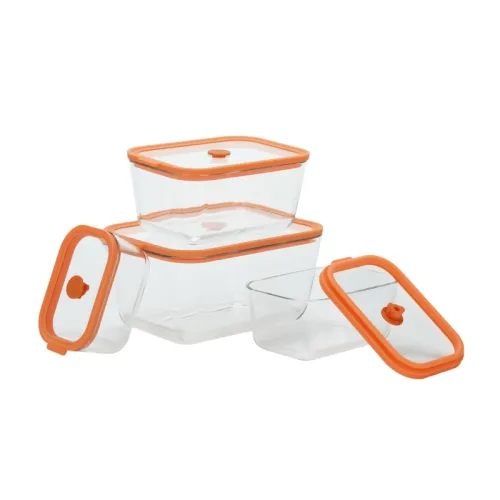
Product snapshot (real-world details)
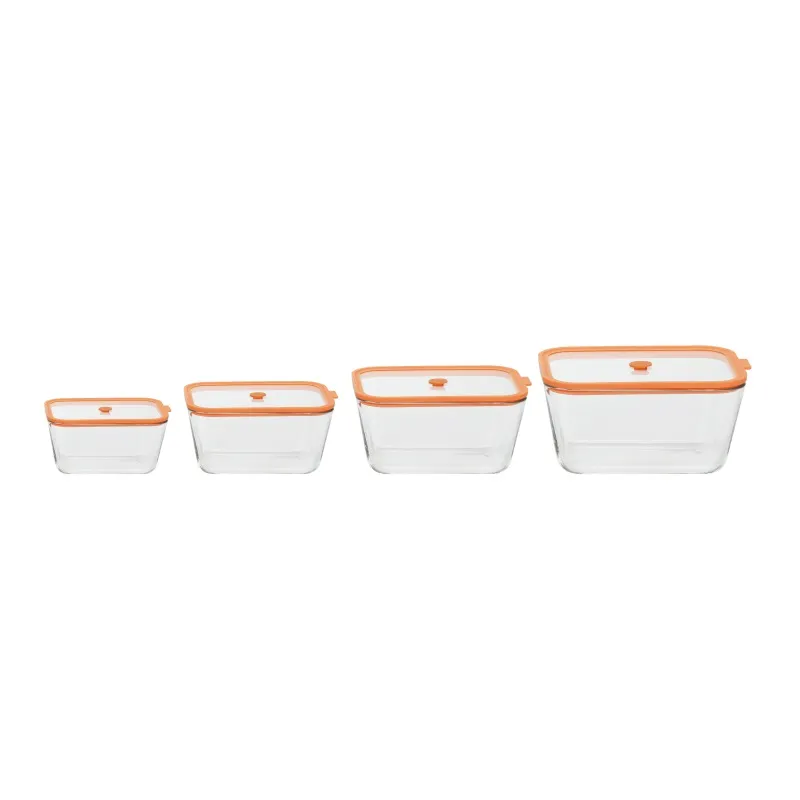
| Name | 4 Pack 100% Plastic Free Glass Food Storage Container with Glass Lid and Vent Valve |
| Components | Glass bowl, glass lid, food‑grade silicone gasket, vent valve |
| Materials | High borosilicate glass (bowl), tempered glass (lid), silicone gasket |
| Volumes | 470 ml, 800 ml, 1380 ml, 2600 ml (≈2–11 cups) |
| Temperature range | 560℃/1040℉ to -20℃/-68℉; Thermal shock ≈120℃/248℉ (real-world use may vary) |
| Use | Oven, microwave, dishwasher, freezer, steamable |
| Compliance | Food-grade, BPA-free, Lead-free; FDA, LFGB, DGCCRF approved |
| Origin | Room 8019, Hengju Building, No.473 Zhonghua South Street, Shijiazhuang, Hebei, China |
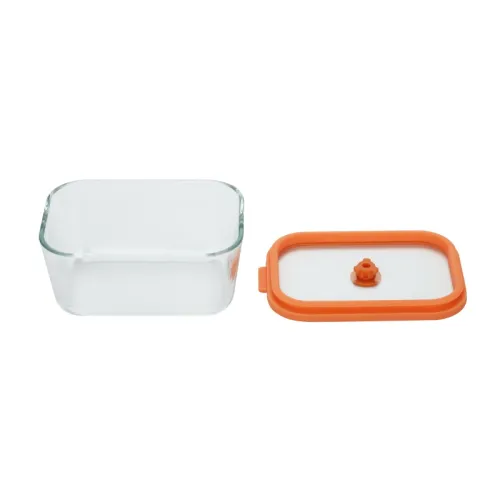
How it’s made (and tested)
- Materials: borosilicate 3.3 body (low thermal expansion), tempered glass lid, FDA-grade silicone.
- Methods: precision annealing, lid tempering, CNC-polished rim; gasket compression tuned for airtight seal.
- Testing: thermal shock per EN 1183; material properties aligned with ISO 3585; silicone per FDA 21 CFR 177.2600. Leak test: 0 ml at 30 min inverted (QA sample, n=20).
- Service life: ≈5–8 years home use; ≈2–4 years high-turnover foodservice (depends on handling).
- Certs: FDA, LFGB, DGCCRF; batch traceability logged.
Where it fits (day-to-day and industry)
Home meal-prep, deli cold chains, hospital diets, bakery proofing, commissary kitchens, zero‑waste grocers. Many customers say odors don’t linger and lids stay put even with soups. To be honest, I was skeptical about glass lids—then I microwaved rice with the vent popped and it reheated evenly.
Vendor comparison (quick reality check)
| Vendor | Lid Material | Leak Test | Temp Range | Notes |
|---|---|---|---|---|
| Yinto (this model) | Tempered glass + silicone gasket | 0 ml @ 30 min inverted (lab QA) | ≈560℃ to -20℃ | Vent valve; plastic‑free food contact |
| Generic A | PP plastic | Minor seepage with hot soup | ≈110℃ to -20℃ | Lower cost; stains over time |
| Brand B (hybrid) | Glass + plastic frame | Tight seal; more parts | ≈300℃ to -20℃ | Bulkier lids; dishwasher-safe |
Customization and deployment
- Gasket color: Aurantium standard; custom Pantone on MOQ.
- Branding: low‑lead ink marking or sand‑etch, around 1–2 color.
- Packs: 4‑piece set; bulk catering packs available.
- SOPs: handling guides for freezer‑to‑oven transitions (avoid rapid >120℃ shock).
Glass Food Storage Container With Glass Lid rolled out at a campus commissary cut lid replacement by ≈38% over six months (operations log; fewer warped lids) and improved allergen separation because contents stay visible—simple but effective.
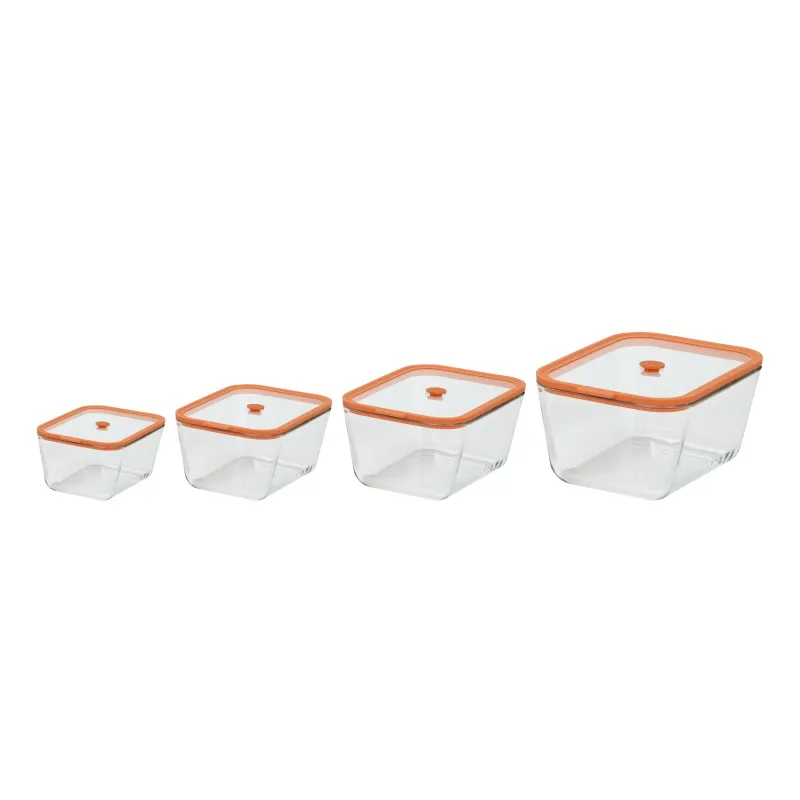
If you’re moving away from plastic, this is the low-drama upgrade. Oven-to-table looks, lab-grade glass where it counts, and the vent valve you’ll use more than you think. Actually practical—less drawer chaos.
Authoritative citations
- FDA, 21 CFR 177.2600 – Rubber articles intended for repeated use: food-contact silicone.
- ISO 3585: Borosilicate glass 3.3 – Properties and chemical resistance.
- EN 1183: Glassware – Testing of resistance to thermal shock.
- LFGB (Germany) and EU Regulation (EC) No 1935/2004 – Materials intended to come into contact with food; DGCCRF guidance (France).
-
Ultimate Guide to Choosing Big Glass Storage Containers for Every NeedNewsApr.16,2026
-
Small Glass Lunch Containers Guide for Healthy Meal PrepNewsApr.09,2026
-
Comprehensive Guide to Choosing the Best Storage Containers for Dishes and GlassesNewsApr.07,2026
-
Selecting The Optimal 300ml Food Containers For Your Business NeedsNewsApr.04,2026
-
Discover the Benefits of Durable 3 Cup Glass Food Storage ContainersNewsMar.31,2026
-
Comprehensive Guide to Choosing Superior Glass Divided Food ContainersNewsMar.28,2026
![[Extra Large with Handle] Oven Safe Glass Food Storage Container with Airtight Locking Lid & Handle, Oven Safe Dishwasher Safe](https://images.exportstart.com/images/a1251/extra-larger-glass-container-with-snap-locking-lid-164.webp "[Extra Large with Handle] Oven Safe Glass Food Storage Container with Airtight Locking Lid & Handle, Oven Safe Dishwasher Safe")
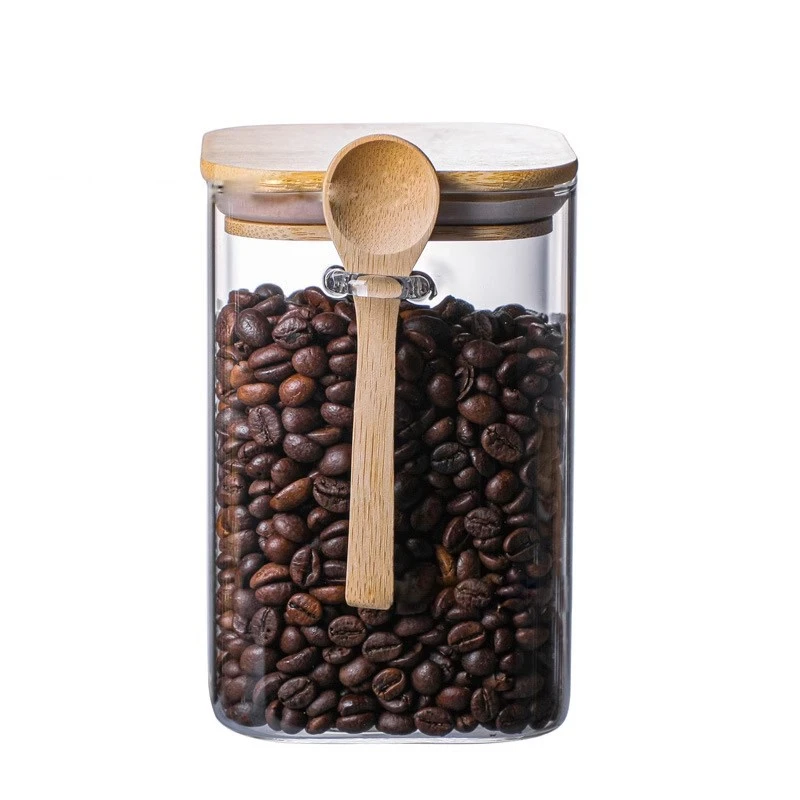
![[All Microwave Safe] High Borosilicate Glass Food Storage Container , Oven Safe without Lid, Dishwasher Safe](https://images.exportstart.com/images/a1251/squre-glass-container-with-glass-lid-518.webp "[All Microwave Safe] High Borosilicate Glass Food Storage Container , Oven Safe without Lid, Dishwasher Safe")
![[Sliding Vent PP Lid] Borosilicate Glass Food Storage Containers with Food-grade Plastic Lid, Airtight, Leak Resistant](https://images.exportstart.com/images/a1251/glass-food-storage-container-with-airtight-lid-183.webp "[Sliding Vent PP Lid] Borosilicate Glass Food Storage Containers with Food-grade Plastic Lid, Airtight, Leak Resistant")
![[Large Skylight Glass Lid] Glass Food Storage Container, Oven Safe with Lid, BPA Free, 100% Leak resistant](https://images.exportstart.com/images/a1251/glass-lid-food-storage-container-1-1-196.webp "[Large Skylight Glass Lid] Glass Food Storage Container, Oven Safe with Lid, BPA Free, 100% Leak resistant")
![[Colorful Vent PP Lid] Glass Food Storage Container, BPA Free, Leakproof, Dishwasher Safe](https://images.exportstart.com/images/a1251/002-1-639.webp "[Colorful Vent PP Lid] Glass Food Storage Container, BPA Free, Leakproof, Dishwasher Safe")
![[Color Vent PP Lid] Borosilicate Glass Food Storage Container, Leakproof, Dishwasher Safe](https://images.exportstart.com/images/a1251/1-941.webp "[Color Vent PP Lid] Borosilicate Glass Food Storage Container, Leakproof, Dishwasher Safe")
![[Vacuum AS] Food Storage Container with Pump](https://images.exportstart.com/images/a1251/7-1-397.webp "[Vacuum AS] Food Storage Container with Pump")