 TEL: +86 18903393212
 Email: tina@yintoglassware.com

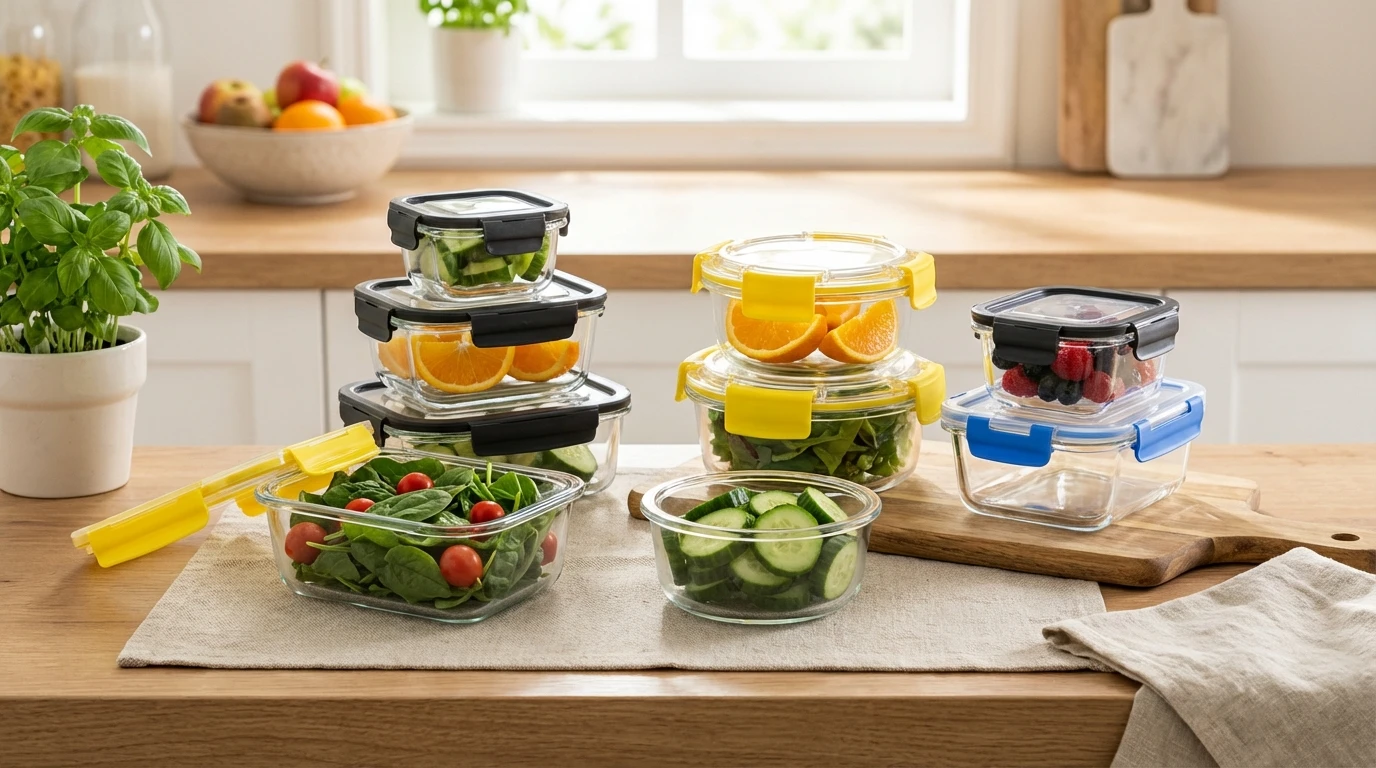
Glass Food Storage Solutions - Sustainable, Safe & Durable Containers
Understanding Glass Food Storage: Sustainable Solutions for Modern Needs
Glass food storage isn’t merely about practical kitchenware; it’s a growing solution addressing health, environmental, and economic challenges worldwide. As we strive for sustainability and safety in food handling, understanding the benefits and global implications of glass containers truly matters. They’re more than just reusable jars and containers—they contribute to reducing plastic waste, improving food safety, and supporting global efforts against pollution.
In this article, we’ll explore what glass food storage means in today’s context, why it is important globally, and how it helps industries, humanitarian organizations, and everyday consumers alike. Let’s dive in.
Global Relevance: Why Glass Food Storage Matters Today
According to the United Nations Environment Programme, over 300 million tons of plastic are produced globally each year, with a significant percentage ending up polluting oceans and landfills. Food packaging is among the largest contributors to this plastic burden. Changing to glass food storage offers an environmentally friendly alternative that supports circular economy goals emphasized by global authorities like the ISO and World Bank.
Moreover, in disaster relief and remote communities, the durability and inertness of glass containers are valued over plastics, which can leach harmful chemicals or degrade. In these scenarios, safer, reusable storage is essential. Hence the challenge: how to scale sustainable food storage solutions that balance cost, usability, and environmental impact.
Defining Glass Food Storage
Simply put, glass food storage refers to containers and jars made primarily of glass designed to store food safely and hygienically. Unlike plastic, glass is non-reactive, meaning it won't transfer chemicals or odors to food, preserving freshness better. It ties into modern industry needs by providing an inert, transparent, and recyclable solution suitable for households, large-scale food manufacturers, and humanitarian supply chains.
Core Components of Glass Food Storage
Durability
Modern tempered and borosilicate glass used in food storage is resilient enough to withstand heat, cold, and accidental impacts better than you might expect. This durability prolongs container life, cuts replacement frequency, and ensures safety over time.
Food Safety & Non-Toxicity
Glass is chemically stable, which means no dangerous leaching occurs—a concern with some plastics, especially when heated or scratched. Glass food storage meets stringent food-grade standards (ISO 22000), making it ideal for sensitive products.
Environmental Sustainability
Being 100% recyclable without quality loss, glass supports circular waste management models. It helps reduce landfill, cuts down plastic pollution, and lowers carbon footprint compared to single-use packaging.
Cost Efficiency over Time
Though upfront costs are higher than plastic, glass containers’ longevity often leads to cost savings. Particularly in institutional or industrial contexts, their reusability and resistance to staining reduce overall expenses.
Transparency & Versatility
Glass’s clear nature lets consumers see the stored contents, useful for inventory and aesthetic purposes in retail and catering industries. Plus, it’s adaptable to different closing mechanisms, sizes, and designs.
Mini takeaway: Glass food storage brings together safety, environmental care, and economic sense — a package that’s hard to beat for many food-related industries and consumers.
Global Applications & Use Cases
- Disaster Relief & Humanitarian Aid: Agencies prefer glass for its durability and food safety when storing rations in unstable environments.
- Food & Beverage Industry: Premium brands use glass bottles and jars for sauces, preserves, and beverages to convey quality and sustainability.
- Households Worldwide: From North America to Europe and Asia, growing eco-consciousness encourages people to switch to glass containers for meal preps and leftovers.
- Remote or Industrial Zones: Glass storage minimizes contamination risks, essential in locations with limited refrigeration.
Advantages & Long-Term Value of Glass Food Storage
The benefits go beyond the obvious:
- Environmental Impact: Glass dramatically reduces plastic waste, helping fight pollution—a critical social good.
- Health Protection: No chemical leaching keeps food safe and tasty.
- Emotional Connection: Using glass feels like a responsible, dignified choice—it’s honest, visible, and reusable.
- Economic Benefits: Long lifespan and durability cut down replacements and waste.
Typical Glass Food Storage Product Specifications
| Specification | Details |
|---|---|
| Material | Borosilicate / Tempered Glass |
| Volume Range | 100 ml to 2 Liters |
| Temperature Resistance | -20°C to 180°C |
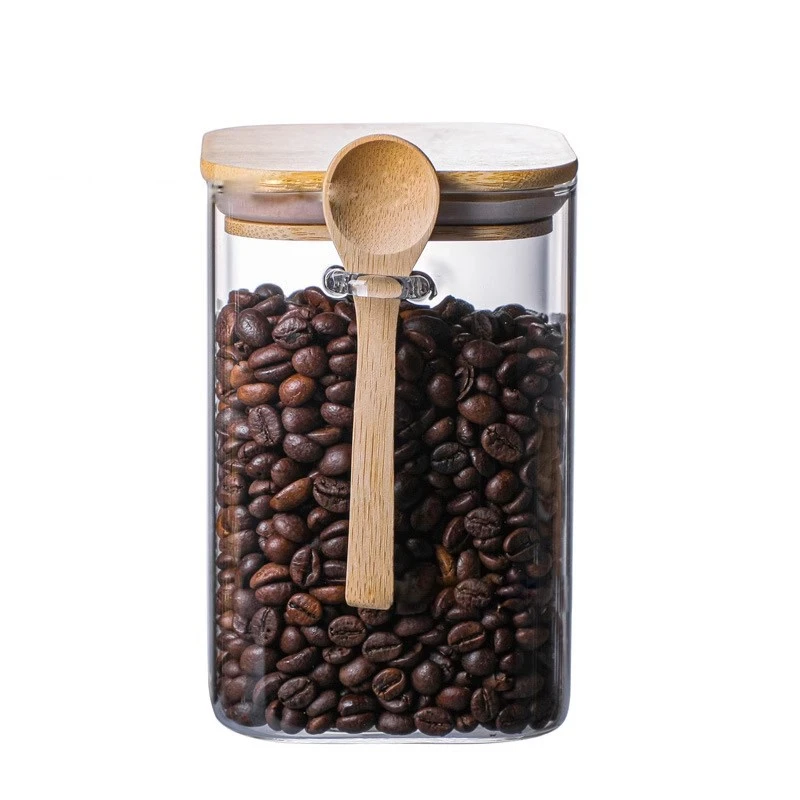
| Lid Types | Silicone seal, Metal screw cap, Bamboo cap |
| Compliance | FDA, ISO 22000 Food Safety Standards |
Vendor Comparison for Glass Food Storage Solutions
| Vendor | Product Range | Sustainability Focus | Price Range |
|---|---|---|---|
| Yinto Glassware | Wide (jars, bottles, meal prep) | Recyclable materials, eco-packaging | Moderate |
| ClearSafe Containers | Specialized food jars | BPA-free components, energy-efficient manufacturing | High |
| EcoPack Solutions | Limited range, focus on bulk containers | Use of recycled glass; limited packaging | Low |
Emerging Trends and Innovations in Glass Food Storage
The market is moving rapidly towards integrating smart features like embedded freshness indicators and temperature sensors into glass containers. Additionally, innovations in “lightweight glass” reduce breakage risk while maintaining durability. On the sustainability front, manufacturers are focusing on carbon-neutral production processes and collaborating with local recycling programs for closed-loop glass reuse.
Challenges & Expert Solutions
Glass containers are heavier and fragile compared to plastics, often raising transportation and handling concerns. However, creative packaging designs and shock-absorbing materials have minimized these issues more recently. Another hurdle is initial cost; bulk pricing and long-term cost-efficiency can ease affordability for many users.
Experts continue to refine product designs that combine glass’s benefits with ergonomics and safety. The key, frankly, is awareness—many people underestimate glass’s durability, so education goes hand-in-hand with technological progress.
Frequently Asked Questions About Glass Food Storage
- Q: How safe is glass compared to plastic for storing hot foods?
- A: Glass is highly resistant to heat and doesn’t leach chemicals, making it safer for hot foods than many plastics that can release harmful substances when heated.
- Q: Can glass food storage containers be used in the freezer?
- A: Yes, borosilicate glass containers are designed to handle freezing temperatures without cracking, but avoid rapid temperature shocks.
- Q: How do I properly clean glass food storage to maximize lifespan?
- A: Use warm soapy water or dishwasher-safe detergents; avoid abrasive scrubbers that may scratch and weaken the glass surface.
- Q: Are glass containers recyclable if damaged?
- A: Yes, but damaged glass should be recycled separately from other recyclables to ensure proper processing and reuse.
- Q: What kinds of lids are best for glass food containers?
- A: Silicone-sealed lids provide airtight closure and flexibility, while metal or bamboo lids offer aesthetic appeal but may require gasket seals for airtightness.
Conclusion
Glass food storage exemplifies the balance between safety, sustainability, and functionality that modern consumers and industries demand. Its advantages go far beyond the kitchen, impacting global health and environmental goals. I encourage you to explore more about these eco-friendly choices at Yinto Glassware and consider switching to durable, safe glass solutions—you’ll find it’s a small change with lasting benefits.
Remember: Choosing glass isn’t just a trend; it’s a step toward a cleaner, safer future.
References
-
Ultimate Guide to Choosing Big Glass Storage Containers for Every NeedNewsApr.16,2026
-
Small Glass Lunch Containers Guide for Healthy Meal PrepNewsApr.09,2026
-
Comprehensive Guide to Choosing the Best Storage Containers for Dishes and GlassesNewsApr.07,2026
-
Selecting The Optimal 300ml Food Containers For Your Business NeedsNewsApr.04,2026
-
Discover the Benefits of Durable 3 Cup Glass Food Storage ContainersNewsMar.31,2026
-
Comprehensive Guide to Choosing Superior Glass Divided Food ContainersNewsMar.28,2026
![[Extra Large with Handle] Oven Safe Glass Food Storage Container with Airtight Locking Lid & Handle, Oven Safe Dishwasher Safe](https://images.exportstart.com/images/a1251/extra-larger-glass-container-with-snap-locking-lid-164.webp "[Extra Large with Handle] Oven Safe Glass Food Storage Container with Airtight Locking Lid & Handle, Oven Safe Dishwasher Safe")
![[All Microwave Safe] High Borosilicate Glass Food Storage Container , Oven Safe without Lid, Dishwasher Safe](https://images.exportstart.com/images/a1251/squre-glass-container-with-glass-lid-518.webp "[All Microwave Safe] High Borosilicate Glass Food Storage Container , Oven Safe without Lid, Dishwasher Safe")
![[Sliding Vent PP Lid] Borosilicate Glass Food Storage Containers with Food-grade Plastic Lid, Airtight, Leak Resistant](https://images.exportstart.com/images/a1251/glass-food-storage-container-with-airtight-lid-183.webp "[Sliding Vent PP Lid] Borosilicate Glass Food Storage Containers with Food-grade Plastic Lid, Airtight, Leak Resistant")
![[Large Skylight Glass Lid] Glass Food Storage Container, Oven Safe with Lid, BPA Free, 100% Leak resistant](https://images.exportstart.com/images/a1251/glass-lid-food-storage-container-1-1-196.webp "[Large Skylight Glass Lid] Glass Food Storage Container, Oven Safe with Lid, BPA Free, 100% Leak resistant")
![[Colorful Vent PP Lid] Glass Food Storage Container, BPA Free, Leakproof, Dishwasher Safe](https://images.exportstart.com/images/a1251/002-1-639.webp "[Colorful Vent PP Lid] Glass Food Storage Container, BPA Free, Leakproof, Dishwasher Safe")
![[Color Vent PP Lid] Borosilicate Glass Food Storage Container, Leakproof, Dishwasher Safe](https://images.exportstart.com/images/a1251/1-941.webp "[Color Vent PP Lid] Borosilicate Glass Food Storage Container, Leakproof, Dishwasher Safe")
![[Vacuum AS] Food Storage Container with Pump](https://images.exportstart.com/images/a1251/7-1-397.webp "[Vacuum AS] Food Storage Container with Pump")