 TEL: +86 18903393212
 Email: tina@yintoglassware.com

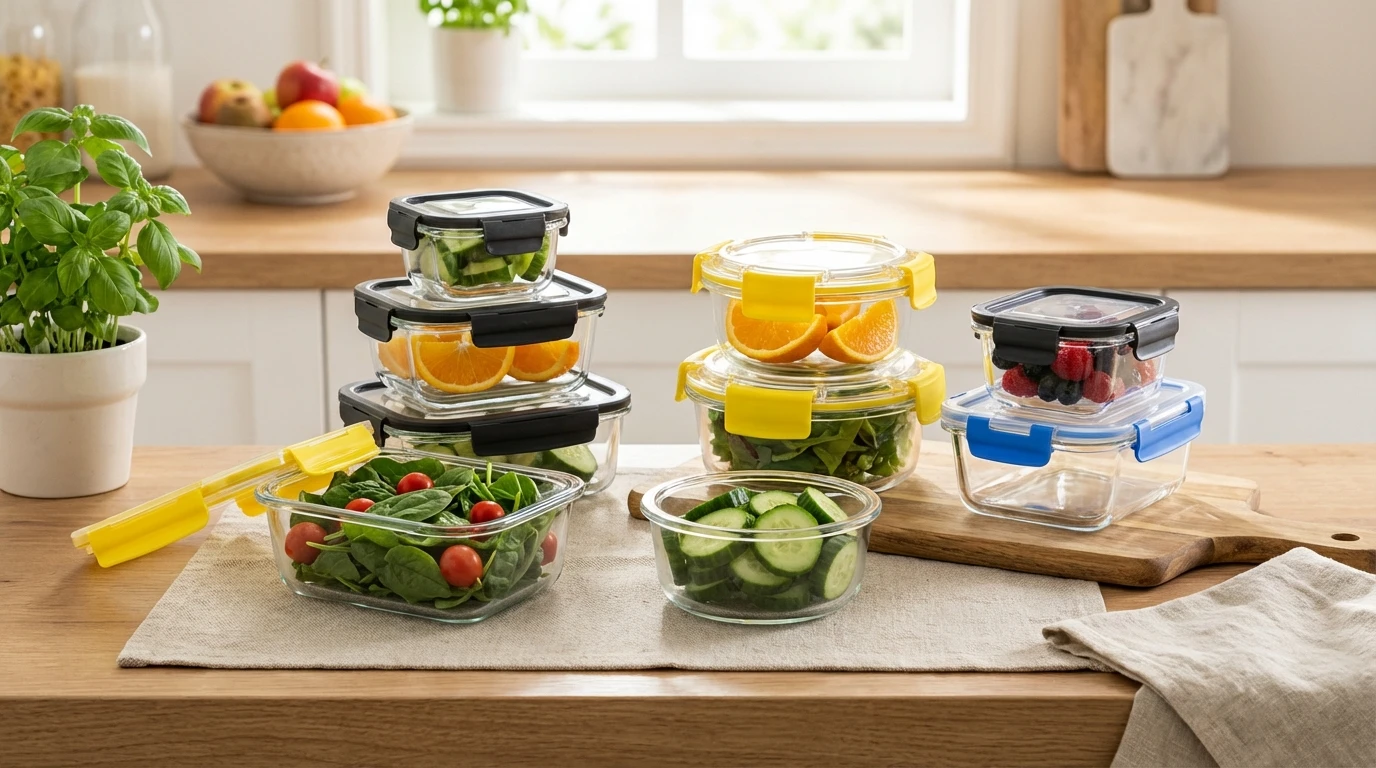
High Borosilicate Glass Bottles: Durable, Sustainable Packaging Solutions
Why High Borosilicate Glass Bottles Matter – A Quick Overview
When you hear high borosilicate glass bottle, you might initially think of delicate laboratory containers or fancy water bottles. But the truth is, these glass bottles have quietly become global problem-solvers in industries ranging from healthcare to sustainable packaging. Their unique chemical makeup allows them to withstand extreme temperatures, resist corrosion, and last longer, making them vital in today’s push toward safety, sustainability, and innovation.
Understanding how these bottles work and their broad benefits is essential, especially when industries seek durable, eco-friendly alternatives to plastic and metal. Simply put, it’s about smarter materials solving big challenges.
Global Context: Why the World Needs Durable Glass Packaging
Globally, the packaging industry faces a pressing dilemma. According to the United Nations Environment Programme (UNEP), over 300 million tonnes of plastic are produced annually, with a significant chunk ending up as pollution. As governments and consumers rally around reducing plastic waste, the spotlight shifts to alternatives like high borosilicate glass bottles.
In addition, the pharmaceutical and food industries demand packaging that maintains purity without leaching harmful chemicals. The high thermal resistance of borosilicate glass is also critical for regions experiencing extreme climates — from scorching deserts to freezing highlands.
Yet, glass needs to be more than just inert; it must be practical, reliable, and scalable to meet modern logistics and consumer demands. Addressing these challenges while balancing cost and sustainability is where high borosilicate glass bottles step in.
What Exactly Is a High Borosilicate Glass Bottle?
At its core, a high borosilicate glass bottle is a container made primarily from borosilicate glass, a type of glass that includes silica and boron trioxide as key ingredients. This composition sets it apart because it dramatically improves thermal resistance and chemical durability compared to ordinary glass.
Think of it as glass engineered for the rough-and-tumble of modern industry: resistant to cracking under temperature shocks, durable against chemical corrosion, and light enough for daily handling. It's particularly favored in laboratories, pharmaceuticals, and also in luxury beverage markets.
In humanitarian terms, such bottles ensure safe drinking water storage in post-disaster zones, where contamination and harsh conditions persist.
Core Components That Make High Borosilicate Glass Bottles Special
1. Durability Beyond the Ordinary
Unlike typical soda-lime glass, borosilicate glass can endure quick temperature changes up to roughly 450°C without cracking. This means bottles can be sterilized, reused, or exposed to extreme climates with little risk. Many engineers note this thermal shock resistance is a game-changer for industrial and field applications.
2. Chemical Resistance
Thanks to boron trioxide, these bottles don’t interact with acidic or alkaline substances, preserving contents free from contamination and maintaining taste integrity. This is crucial for pharmaceuticals and consumables.
3. Lightweight Yet Robust Design
It’s often surprising how light high borosilicate glass bottles can be — without sacrificing structural integrity. This reduces shipping costs and carbon footprint, feeding into sustainability goals.
4. Scalability and Customizability
Modern glassmaking techniques permit intricate designs and sizes, from small vials to large reusable bottles, allowing brands to tailor to specific needs. Custom branding and specific measurement markings add further utility.
5. Cost Efficiency Over Lifecycle
While upfront costs might be higher than plastic counterparts, their reusability, reduced waste, and longevity often translate into lower long-term costs — financially and environmentally.
Real-World Uses: Where High Borosilicate Glass Bottles Shine Globally
Across continents, these bottles play meaningful roles in various sectors:
- Pharmaceutical Industry: Used for medicine vials and injectable solutions worldwide to ensure sterility and chemical neutrality.
- Food & Beverage: Premium tea, juice, and wine producers trust the glass for preserving flavor without plastic taste taint.
- Humanitarian Aid: In clean water initiatives following disasters like floods or earthquakes, these bottles serve as safe, reusable options for water storage.
- Scientific Research: Laboratories globally embrace the thermal shock resistance for experiments requiring heating and cooling cycles.
- Cosmetics: For fragile essential oils and perfumes, helping maintain product integrity over time.
For instance, in Southeast Asia's flood-prone areas, NGOs distributed high borosilicate glass bottles designed for rugged transport and reuse — ensuring a reliable water source with minimal environmental impact.
Advantages and Long-Term Value You Can Count On
Choosing high borosilicate glass bottles means investing in more than just packaging:
- Sustainability: Glass is infinitely recyclable and avoids microplastic breakdown.
- Health & Safety: Chemical inertness means no harmful leaching.
- Reliability: Resistance to temperature changes avoids sudden breakages.
- Cost Savings: Durable enough for multiple reuse cycles, lowering waste and replacement costs.
- Brand Trust: Clear, high-quality glass signals product quality and transparency to consumers.
On the emotional side, there’s a growing consumer trust in brands willing to ditch disposables. It feels good — like you’re making a positive difference, step by step.
Product Specifications: A Closer Look
| Specification | Detail |
|---|---|
| Material Composition | ~80% Silica (SiO2), 13% Boron trioxide (B2O3), alkaline earth oxides |
| Thermal Shock Resistance | Up to 450°C sudden temperature change |
| Density | 2.23 g/cm³ (lighter than typical glass) |
| Typical Volume Range | From 50 ml lab vials up to 2 liters bottles |
| Recyclability | 100% recyclable without quality loss |
Comparing Industry Vendors: What Sets Different Suppliers Apart?
| Vendor | Material Grade | Customization Options | Typical Lead Time | Price Range (USD/unit) |
|---|---|---|---|---|
| Yinto Glassware | High-grade borosilicate | Brand embossing, volume marking | 2–3 weeks | $1.20 – $3.50 |
| ClearCore Glass | Standard borosilicate | Limited colors, sizes | 3–5 weeks | $1.00 – $2.80 |
| EcoGlass Suppliers | Recycled borosilicate blend | Eco-labeling, bulk discounts | 4–6 weeks | $1.50 – $3.80 |
Future Trends Shaping High Borosilicate Glass Bottles
Looking ahead, innovation hasn’t stopped. Researchers are blending borosilicate glass with nanomaterials for improved UV protection and self-cleaning surfaces. Automation in manufacturing promises faster, more accurate production, shrinking lead times.
Environmental policies worldwide push for sustainable packaging, encouraging brands to shift to reusable borosilicate glass over single-use plastics. Digital printing technology on glass opens new doors for personalized packaging and tracking.
Frankly, these advancements cement high borosilicate glass bottles not just as niche lab gear but as everyday brand allies for decades to come.
Common Challenges & Bright Solutions
Sure, borosilicate glass can be more fragile than some metals or plastics — posing potential breakage during transit. But clever packaging, shock-absorbing crates, and tailored designs mitigate that risk. I’ve noticed especially with smaller volumes, customers have shifted to hybrid products—glass with silicon sleeves—that marry durability with aesthetics.
Cost is another hurdle; however, many are waking up to the lifecycle savings and brand prestige. When you quantify all hidden costs (replacement, waste management, environmental impact), the numbers often favor glass. NGOs working internationally have found efficient importing strategies and bulk deals, making supply chains leaner.
Frequently Asked Questions About High Borosilicate Glass Bottles
- Q: What makes high borosilicate glass bottles safer than regular glass?
- A: Their chemical composition allows them to withstand thermal shocks and harsh chemicals without breaking or leaching substances into contents, ensuring safety even under extreme conditions.
- Q: Can these bottles be reused multiple times without degrading?
- A: Absolutely. Given their durability and chemical resistance, many industries reuse these bottles extensively, provided they are properly cleaned and sterilized.
- Q: How eco-friendly are borosilicate glass bottles compared to plastics?
- A: They are far more sustainable; borosilicate glass is 100% recyclable without quality loss, doesn't contribute to microplastic pollution, and supports circular economies.
- Q: Are there customization options like branding available?
- A: Yes, many manufacturers offer embossing, labeling, and color tinting to meet brand requirements and enhance consumer appeal.
- Q: How do NGOs handle shipping challenges of these glass bottles internationally?
- A: Through bulk shipments packed with protective materials, working with specialized logistics providers, and planning ahead to minimize costs and damage.
Wrapping It Up
In an evolving world where sustainability and safety weigh heavily on purchasing decisions, high borosilicate glass bottles stand out as a practical and forward-thinking solution. They provide durability, chemical stability, and environmental benefits that simply can’t be ignored.
If you want to explore these robust and customizable bottles for your next project or brand, I warmly recommend checking out the options available at Yinto Glassware. They strike a fine balance between quality, innovation, and service that’s truly impressive.
1. United Nations Environment Programme – Plastic Pollution Report, 2021
2. ISO 3585:2017 – Glass – Borosilicate glass 3.3
3. Wikipedia – Borosilicate Glass (https://en.wikipedia.org/wiki/Borosilicate_glass)
-
Ultimate Guide to Choosing Big Glass Storage Containers for Every NeedNewsApr.16,2026
-
Small Glass Lunch Containers Guide for Healthy Meal PrepNewsApr.09,2026
-
Comprehensive Guide to Choosing the Best Storage Containers for Dishes and GlassesNewsApr.07,2026
-
Selecting The Optimal 300ml Food Containers For Your Business NeedsNewsApr.04,2026
-
Discover the Benefits of Durable 3 Cup Glass Food Storage ContainersNewsMar.31,2026
-
Comprehensive Guide to Choosing Superior Glass Divided Food ContainersNewsMar.28,2026
![[Extra Large with Handle] Oven Safe Glass Food Storage Container with Airtight Locking Lid & Handle, Oven Safe Dishwasher Safe](https://images.exportstart.com/images/a1251/extra-larger-glass-container-with-snap-locking-lid-164.webp "[Extra Large with Handle] Oven Safe Glass Food Storage Container with Airtight Locking Lid & Handle, Oven Safe Dishwasher Safe")
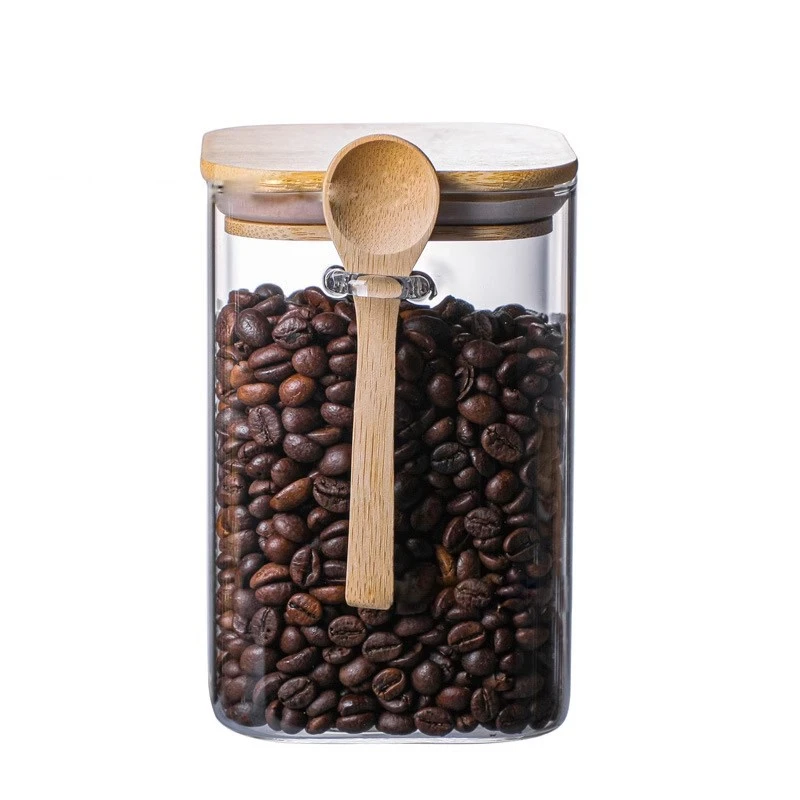
![[All Microwave Safe] High Borosilicate Glass Food Storage Container , Oven Safe without Lid, Dishwasher Safe](https://images.exportstart.com/images/a1251/squre-glass-container-with-glass-lid-518.webp "[All Microwave Safe] High Borosilicate Glass Food Storage Container , Oven Safe without Lid, Dishwasher Safe")
![[Sliding Vent PP Lid] Borosilicate Glass Food Storage Containers with Food-grade Plastic Lid, Airtight, Leak Resistant](https://images.exportstart.com/images/a1251/glass-food-storage-container-with-airtight-lid-183.webp "[Sliding Vent PP Lid] Borosilicate Glass Food Storage Containers with Food-grade Plastic Lid, Airtight, Leak Resistant")
![[Large Skylight Glass Lid] Glass Food Storage Container, Oven Safe with Lid, BPA Free, 100% Leak resistant](https://images.exportstart.com/images/a1251/glass-lid-food-storage-container-1-1-196.webp "[Large Skylight Glass Lid] Glass Food Storage Container, Oven Safe with Lid, BPA Free, 100% Leak resistant")
![[Colorful Vent PP Lid] Glass Food Storage Container, BPA Free, Leakproof, Dishwasher Safe](https://images.exportstart.com/images/a1251/002-1-639.webp "[Colorful Vent PP Lid] Glass Food Storage Container, BPA Free, Leakproof, Dishwasher Safe")
![[Color Vent PP Lid] Borosilicate Glass Food Storage Container, Leakproof, Dishwasher Safe](https://images.exportstart.com/images/a1251/1-941.webp "[Color Vent PP Lid] Borosilicate Glass Food Storage Container, Leakproof, Dishwasher Safe")
![[Vacuum AS] Food Storage Container with Pump](https://images.exportstart.com/images/a1251/7-1-397.webp "[Vacuum AS] Food Storage Container with Pump")