 TEL: +86 18903393212
 Email: tina@yintoglassware.com

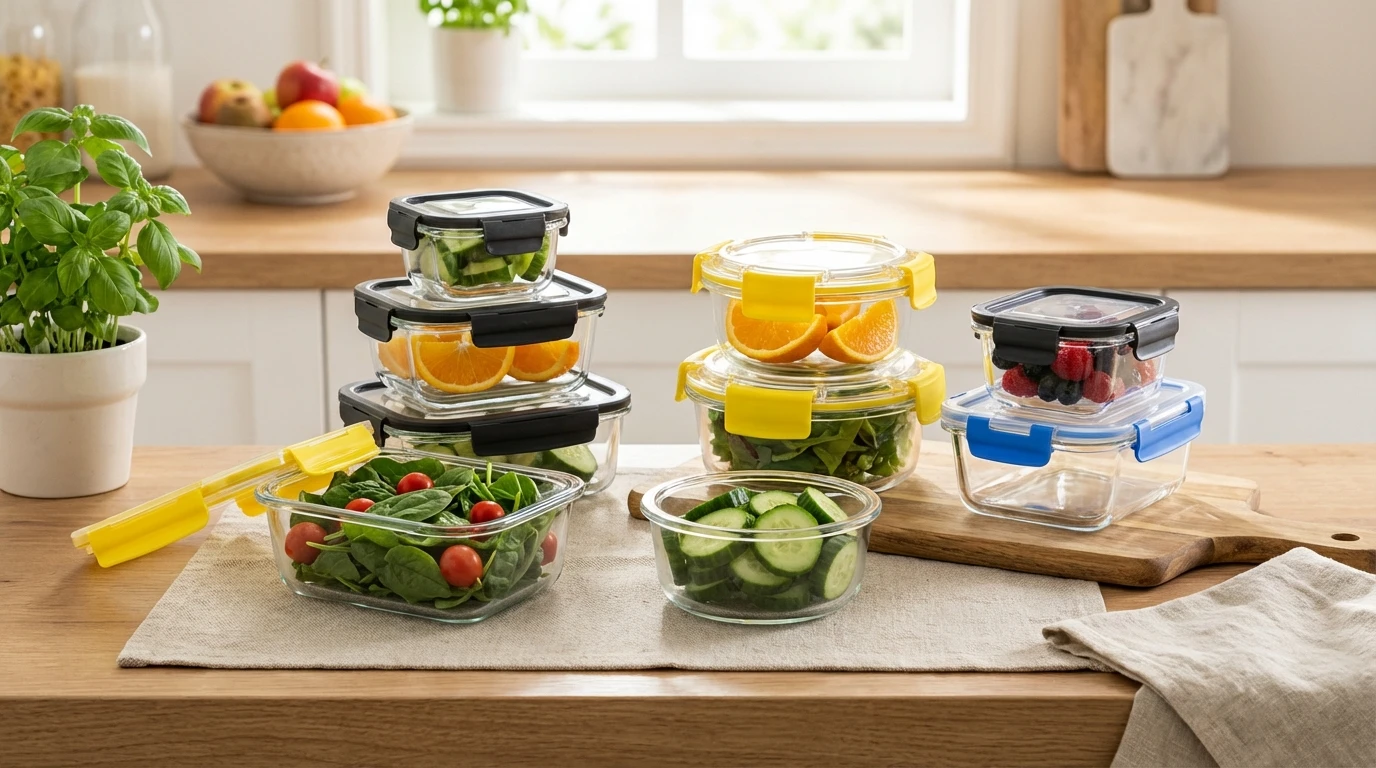
Kitchen Glasses: Durable, Lead-Free, Dishwasher-Safe Sets
Kitchen Glasses Trend Report: Why Borosilicate Plates Are Quietly Winning
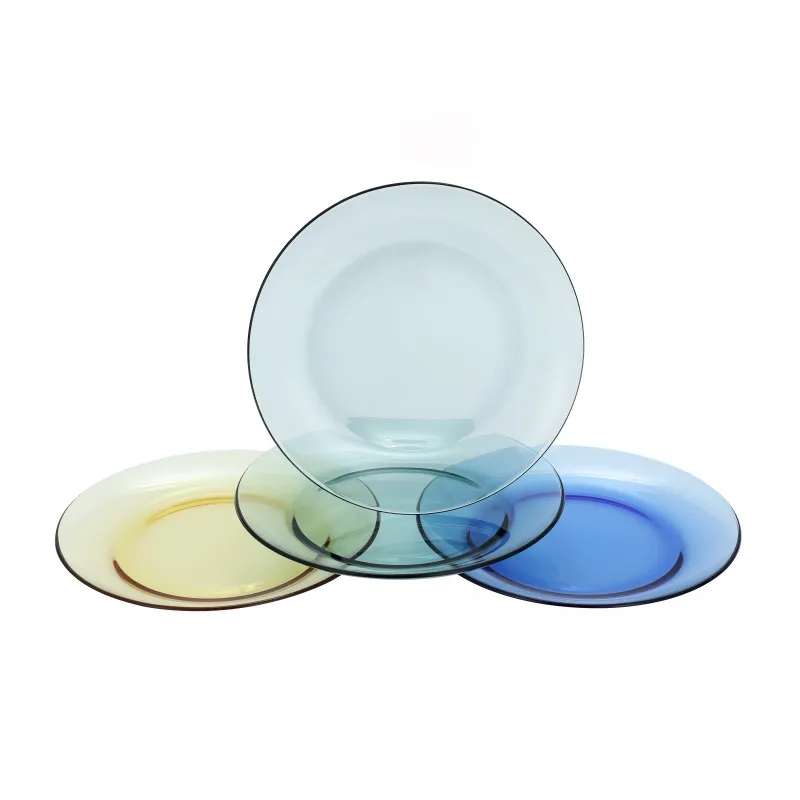
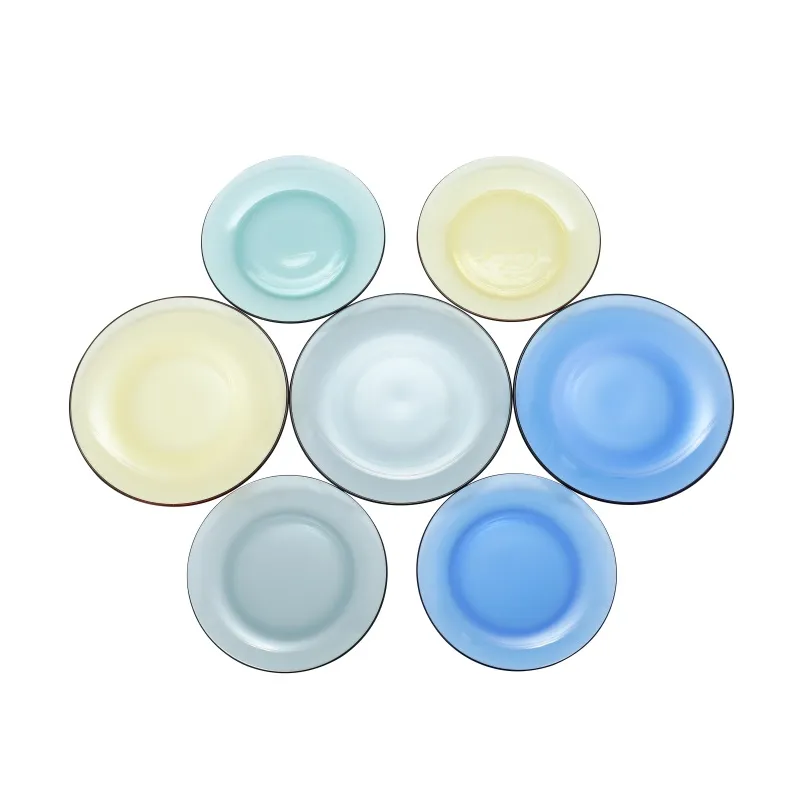
If you follow tabletop gear as closely as I do, you’ve probably noticed the category of Kitchen Glasses making a comeback—only this time, the headliners are not goblets but stained, oven-friendly borosilicate plates. It sounds niche, but in service, it’s a workhorse. The 9 Inch 10 Inch Stained High Borosilicate Glass Plate from YINTO keeps popping up in operator conversations and, frankly, on my own test bench.
What’s driving the shift
Operators want durable, color-stable, dishwasher-safe tableware that doesn’t look like it came from a lab. Borosilicate answers with low thermal expansion, good thermal shock resistance, and a clean, stained finish. In real kitchens, that translates to fewer chips, less warping, and a brighter presentation. Many customers say the plates “feel lighter than they look,” which is true—density is lower than soda-lime glass.
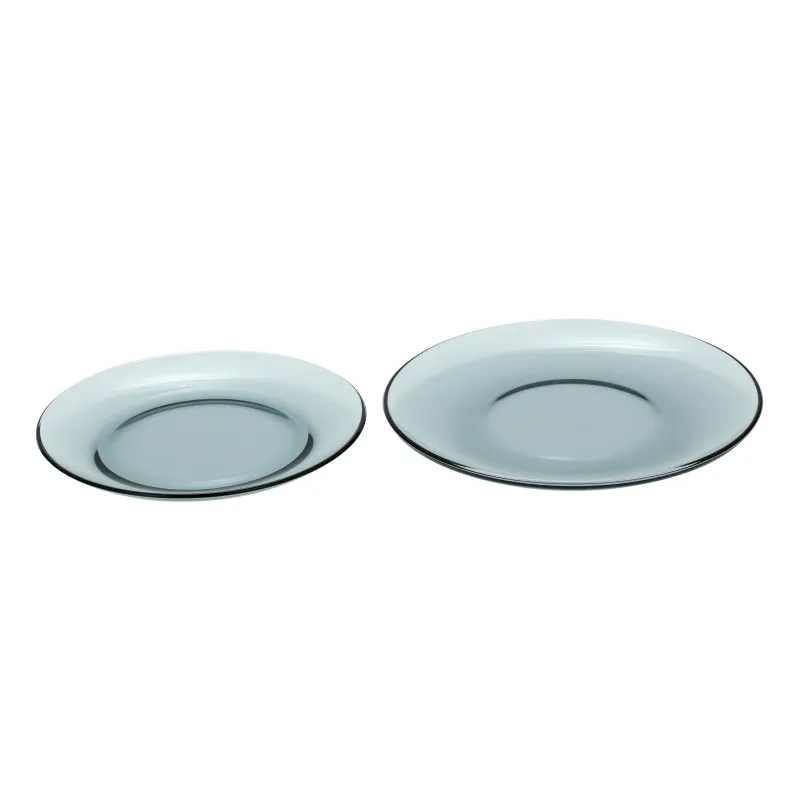
Product snapshot: 9" & 10" stained borosilicate plates
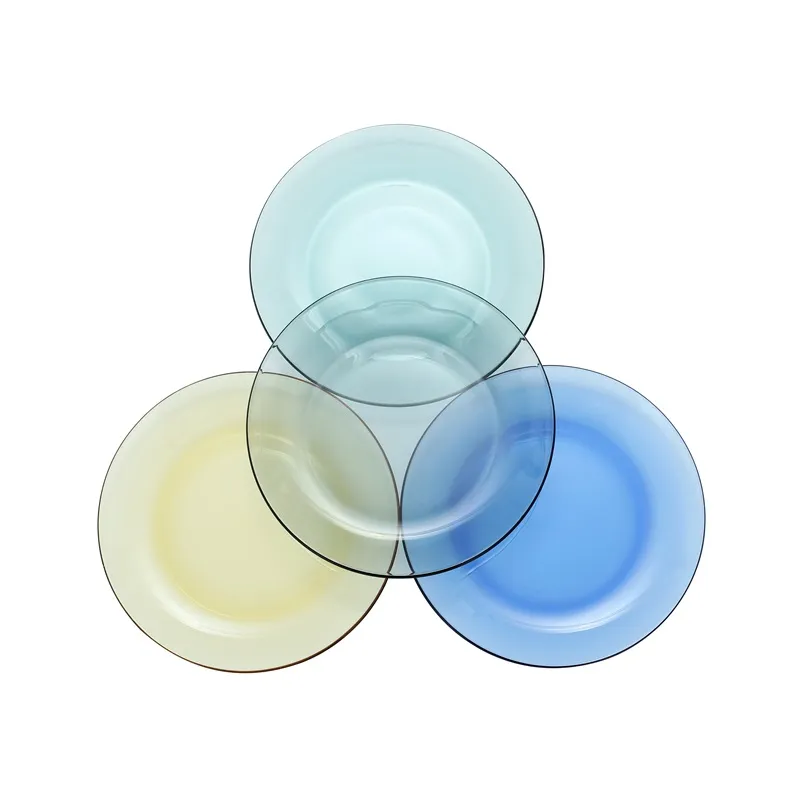
Origin: Room 8019, Hengju Building, No.473 Zhonghua South Street, Shijiazhuang, Hebei, China. OEM-friendly, stained in Turquoise, Blue, Gray, or Amber. To be honest, the Amber looks great under warm lights, but the Gray photographs beautifully for menus.
| Spec | Detail (≈ real-world) |
|---|---|
| Diameter / Height | 9 in (235 mm) & 10 in (270 mm) / 1 in (25 mm) |
| Material | High borosilicate glass (Type I; CTE ≈ 3.3×10⁻⁶/K) |
| Colors | Turquoise, Blue, Gray, Amber (stained) |
| Thermal shock | ΔT ≈ 120–150°C under EN 1183 methods |
| Dishwasher endurance | ≥ 500 cycles (EN 12875-1 guidance; results may vary) |
| Operating range | Freezer to oven use within ΔT limits; not for direct flame |
| MOQ / Packing | 3000 pcs per color / 36 pcs per export carton |
| Port / Payment | Tianjin, China / T/T, L/C |
Process flow and quality control
Materials: high-purity silica, boric oxide, alumina, controlled alkali. Methods: batch melting at ≈1,600°C; press-forming; stain infusion; slow annealing; edge fire-polish. Testing: thermal shock (EN 1183), anneal verification, visual inclusions (per ASTM E438 guidance), and food-contact migration tests under EU 1935/2004/LFGB protocols. Typical service life in cafés is 2–4 years with normal handling, sometimes longer—surprisingly good for glass.
Applications
- Fast-casual plating (hot entrees, salads).
- Oven-to-table desserts within ΔT limits.
- Hotel buffets—color coding by menu type is common.
- Home kitchens wanting durable, lighter-feel Kitchen Glasses aesthetics.
Vendor landscape (quick take)
| Vendor | Material | MOQ | Lead Time | Certs/Tests | Customization |
|---|---|---|---|---|---|
| YINTO (this model) | High borosilicate (Type I) | 3000/color | ≈ 25–40 days | LFGB/FDA food-contact tests; EN 1183 | Colors, sizes, logo (OEM) |
| Vendor A (generic) | Soda-lime glass | 500–1000 | ≈ 15–25 days | Basic migration testing | Limited colors |
| Vendor B (premium) | Borosilicate | 2000+ | ≈ 35–50 days | EN/ISO suite; SGS reports | Wide-range OEM/ODM |
Customization and case notes
OEM branding, laser logos, and special hues are available; I’ve seen operators request muted tones to reduce glare under studio lighting. Case in point: a 40-location café group moved to the 10-inch Amber; breakage rates dropped ≈18% vs. prior soda-lime plates over six months, and dishwash scores stayed stable past 500 cycles. Not a lab study, but convincing field data.
Safety and compliance
The line targets compliance with EU 1935/2004 and LFGB migration limits, and aligns with ISO 3585 properties for borosilicate. As always, request the latest third-party test reports per batch or colorway—real-world results can vary with detergent chemistry and rinse temps. For hot-to-cold transitions, keep ΔT within manufacturer guidance to protect your Kitchen Glasses investment.
References
- ISO 3585:1998 — Borosilicate glass 3.3 — Properties
- EN 1183 — Glassware — Testing thermal shock resistance
- ASTM E438 — Standard Specification for Glasses in Laboratory Apparatus (Type I reference)
- Regulation (EC) No 1935/2004 — Materials and articles intended to come into contact with food
- LFGB (Germany) Food and Commodities Act — Food-contact migration framework
-
Ultimate Guide to Choosing Big Glass Storage Containers for Every NeedNewsApr.16,2026
-
Small Glass Lunch Containers Guide for Healthy Meal PrepNewsApr.09,2026
-
Comprehensive Guide to Choosing the Best Storage Containers for Dishes and GlassesNewsApr.07,2026
-
Selecting The Optimal 300ml Food Containers For Your Business NeedsNewsApr.04,2026
-
Discover the Benefits of Durable 3 Cup Glass Food Storage ContainersNewsMar.31,2026
-
Comprehensive Guide to Choosing Superior Glass Divided Food ContainersNewsMar.28,2026
![[Extra Large with Handle] Oven Safe Glass Food Storage Container with Airtight Locking Lid & Handle, Oven Safe Dishwasher Safe](https://images.exportstart.com/images/a1251/extra-larger-glass-container-with-snap-locking-lid-164.webp "[Extra Large with Handle] Oven Safe Glass Food Storage Container with Airtight Locking Lid & Handle, Oven Safe Dishwasher Safe")
![[All Microwave Safe] High Borosilicate Glass Food Storage Container , Oven Safe without Lid, Dishwasher Safe](https://images.exportstart.com/images/a1251/squre-glass-container-with-glass-lid-518.webp "[All Microwave Safe] High Borosilicate Glass Food Storage Container , Oven Safe without Lid, Dishwasher Safe")
![[Sliding Vent PP Lid] Borosilicate Glass Food Storage Containers with Food-grade Plastic Lid, Airtight, Leak Resistant](https://images.exportstart.com/images/a1251/glass-food-storage-container-with-airtight-lid-183.webp "[Sliding Vent PP Lid] Borosilicate Glass Food Storage Containers with Food-grade Plastic Lid, Airtight, Leak Resistant")
![[Large Skylight Glass Lid] Glass Food Storage Container, Oven Safe with Lid, BPA Free, 100% Leak resistant](https://images.exportstart.com/images/a1251/glass-lid-food-storage-container-1-1-196.webp "[Large Skylight Glass Lid] Glass Food Storage Container, Oven Safe with Lid, BPA Free, 100% Leak resistant")
![[Colorful Vent PP Lid] Glass Food Storage Container, BPA Free, Leakproof, Dishwasher Safe](https://images.exportstart.com/images/a1251/002-1-639.webp "[Colorful Vent PP Lid] Glass Food Storage Container, BPA Free, Leakproof, Dishwasher Safe")
![[Color Vent PP Lid] Borosilicate Glass Food Storage Container, Leakproof, Dishwasher Safe](https://images.exportstart.com/images/a1251/1-941.webp "[Color Vent PP Lid] Borosilicate Glass Food Storage Container, Leakproof, Dishwasher Safe")
![[Vacuum AS] Food Storage Container with Pump](https://images.exportstart.com/images/a1251/7-1-397.webp "[Vacuum AS] Food Storage Container with Pump")