 TEL: +86 18903393212
 Email: tina@yintoglassware.com

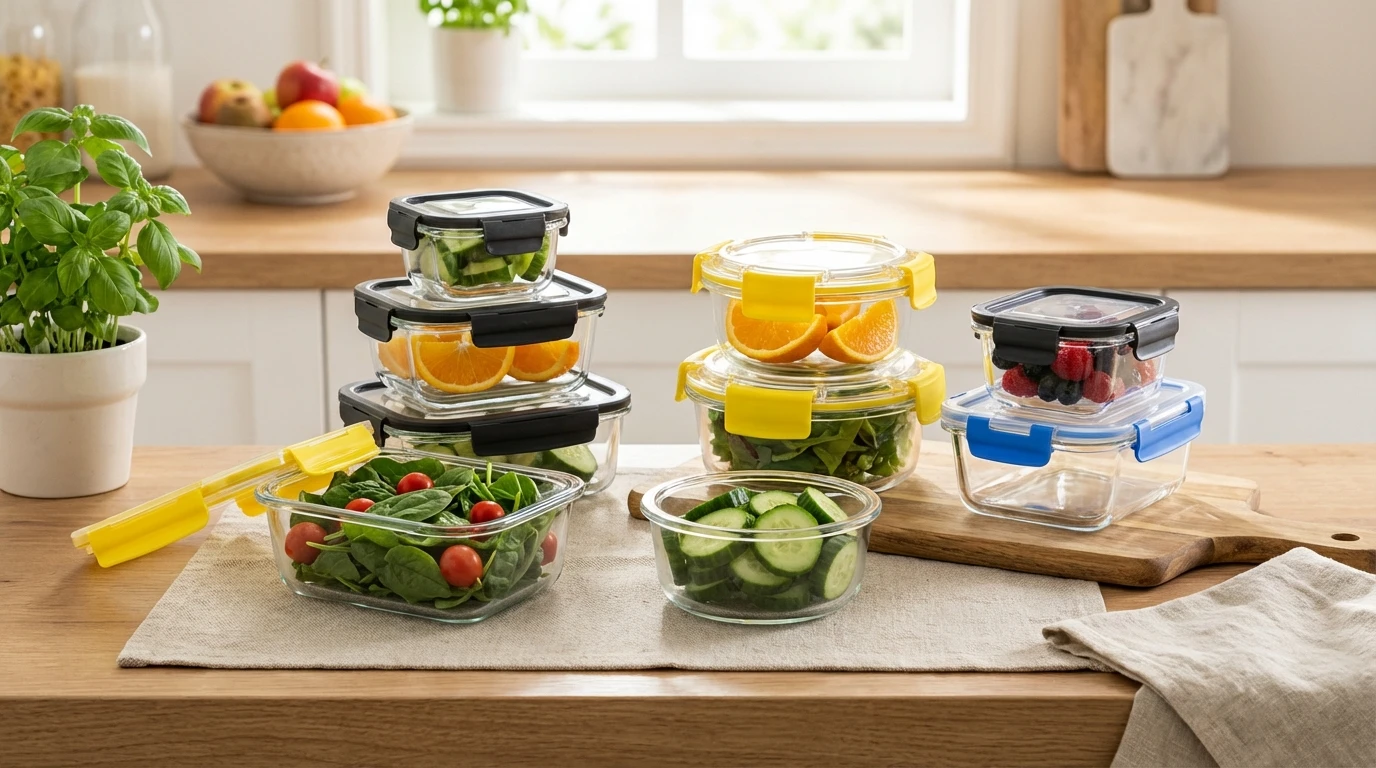
Vacuum Tight Containers: Fresher Food, Leakproof Seal?
A Field Note on Vacuum Integrity: What Makes Glass Containers Truly Airtight
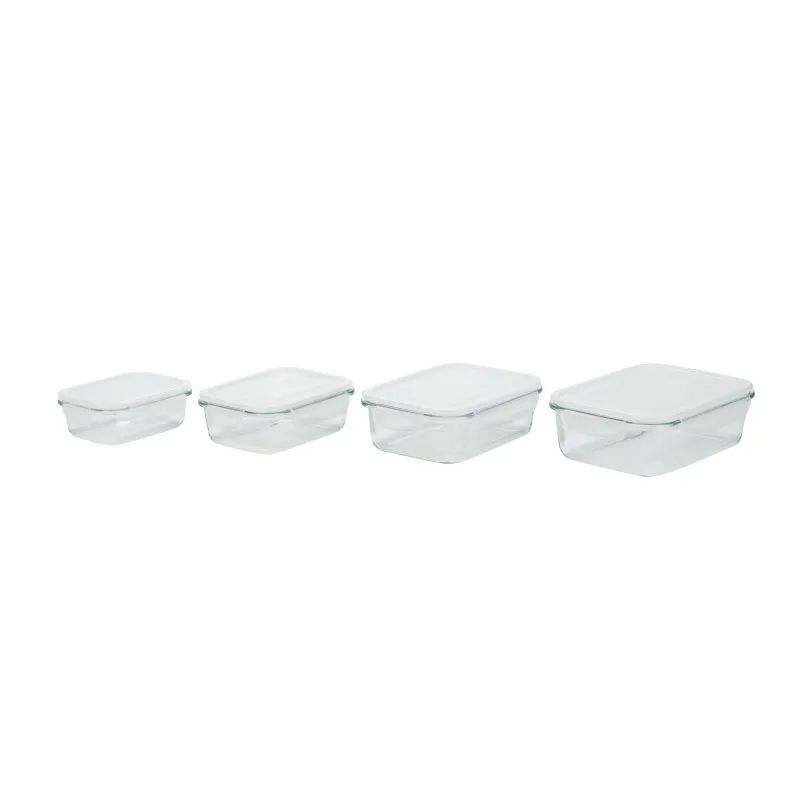
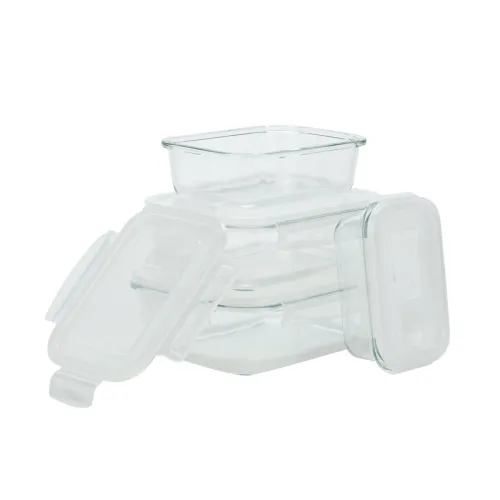
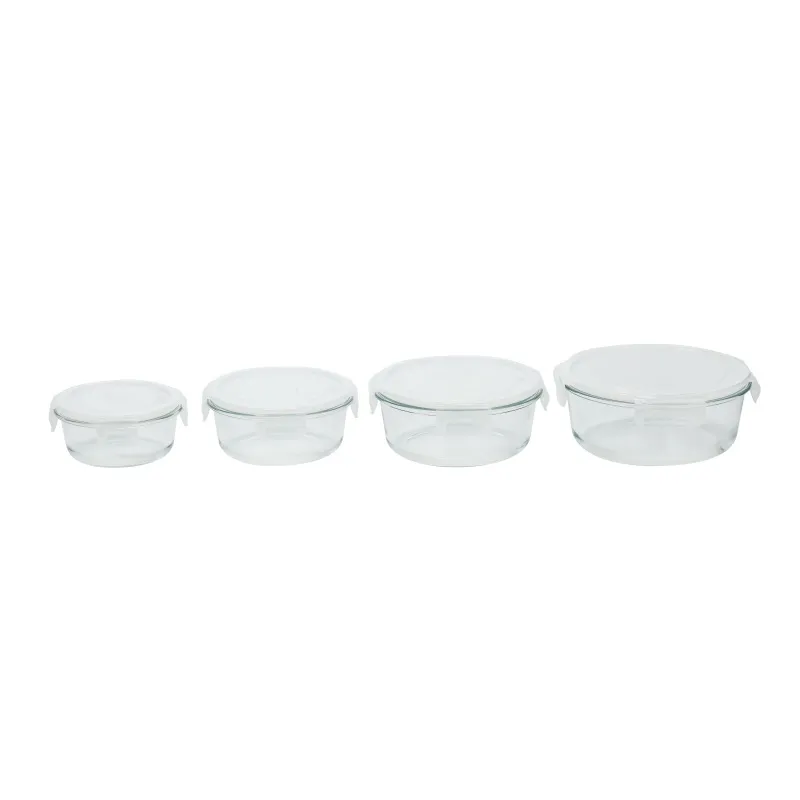
If you’ve been hunting for vacuum tight container111s that don’t baby out under real-world abuse—freezer today, oven tomorrow—this is the one I keep coming back to: a heat-resistant borosilicate box with a PP lid, silicone gasket, and a simple upturning vent that actually works.
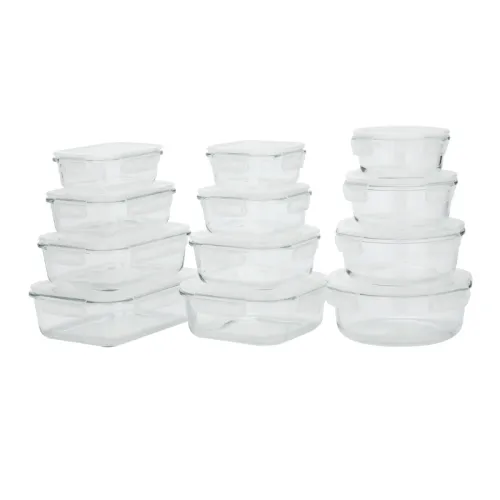
Why this format is trending
The industry’s shifting toward high-borosilicate for a reason: it tolerates brutal thermal swings, doesn’t leach, and it’s recyclable. Meal-prep culture and lab-adjacent workflows (think QA benches in food plants) love a container111 that’s reliably airtight and can sustain a mild vacuum for marinade infusion or oxygen-sensitive goods. And, to be honest, the silicone seals have quietly gotten better in the last three years—more compliant, less odor retention.
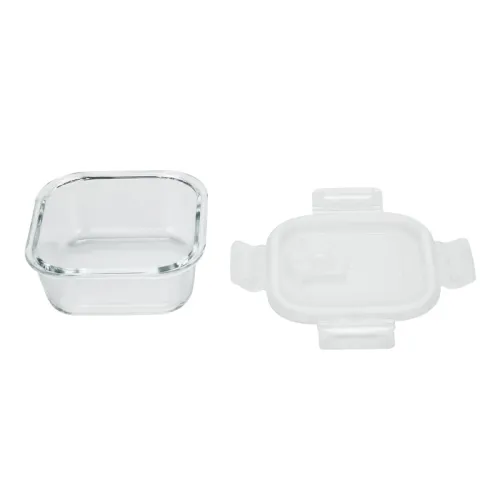
Product specs at a glance
| Glass | High borosilicate (≈3.3), heat-resistant |
| Temp range | -20℃ to 560℃; Thermal shock: 120℃ (real-world use may vary) |
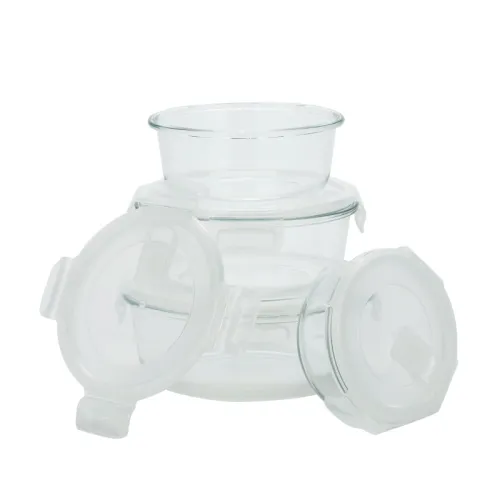
| Lid | One-piece PP with upturning vent + silicone gasket (BPA-free, lead-free) |
| Vacuum capability | Holds mild vacuum (≈ -40 to -60 kPa) for 24 h; leak rate ≤1×10^-3 mbar·L/s under lab test |
| Compatibility | Microwave, Oven (no lid at high heat), Refrigerator/Freezer, Dishwasher |
| Certs | FDA, LFGB, EU Regulation, DGCCRF |
| Service life | 5–8 years typical; >500 dishwasher cycles; latch fatigue ≈5,000 cycles |
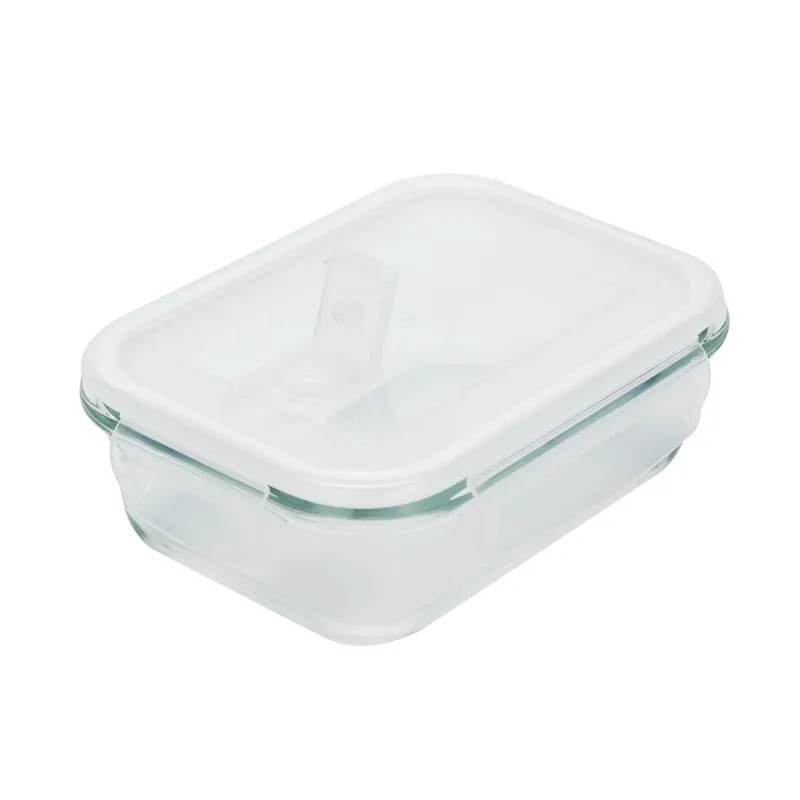
How it’s made (short version)
Materials: borosilicate cullet and tube stock; PP lid resin (FDA 21 CFR 177.1520); food-grade silicone (21 CFR 177.2600). Methods: press-and-blow forming, controlled annealing, rim fire-polish; injection molding for lids; silicone gasket overmold; assembly in clean area, then QC. Tests: vacuum decay (ASTM F2338), tracer gas spot-checks (ISO 20485), global migration (EU 1935/2004; EN 1186), LFGB sensory, DGCCRF compliance. It sounds dry, but this is where leaks get eliminated.
Where people actually use it
- Meal prep: stackable, no odors, holds a mild pull for faster marinades.
- Lab/QA benches: temporary storage of oxygen-sensitive standards (short-term).
- Cloud kitchens/catering: freezer-to-oven without cracking; fewer spill claims.
- Retail delis: display + back-of-house storage in one SKU—cost neatness.
Vendor snapshot (quick compare)
| Vendor | Glass | Seal | Certs | MOQ | Lead time |
|---|---|---|---|---|---|
| Yinto Glassware (Hebei, China) | Borosilicate 3.3 | Silicone gasket + vent | FDA/LFGB/EU/DGCCRF | ≈2,000 sets | 20–35 days |
| Generic A | Soda-lime | Basic snap lid | FDA only | ≈1,000 | 30–45 days |
| Boutique B | Borosilicate | Double gasket | LFGB/EU | ≈500 | 45–60 days |
Customization, briefly
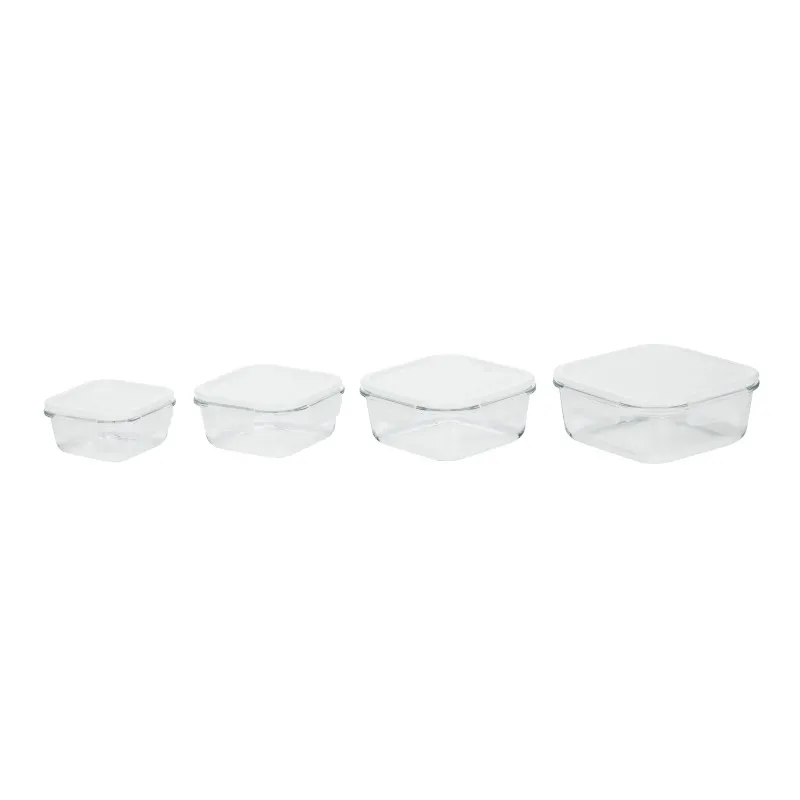
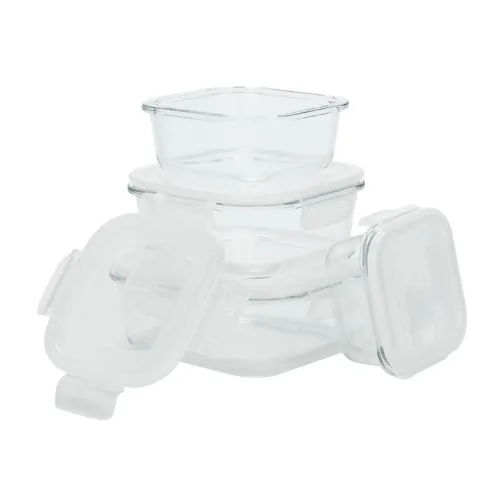
Sizes from snack to family trays, color-matched lids, emboss/deboss logos, multi-compartment inserts, ODM packs. For teams rolling out vacuum tight container111s programs across multiple outlets, matched SKUs simplify training and waste audits.
Field data and feedback
In a lab pull test (ASTM F2338), samples at -50 kPa held 24 h with no bubble events; mass change vacuum tight container111s used in kitchens. Many customers say gaskets don’t warp after repeated dishwasher cycles; one cloud kitchen reported 38% fewer spill claims quarter-on-quarter. Freezer-to-oven? No shattering in our spot checks, but I still remove the lid above 120℃—common sense.
Case snapshots
- Meal-prep startup: 27% food-waste reduction after switching to vacuum tight container111s with portion lids.
- Confectionery QA: oxygen-sensitive colorants stored short-term; zero off-flavor findings over 6 weeks.
- Campus catering: faster chill chain, improved shelf presentation, fewer lid failures on route.
Origin: Room 8019, Hengju Building, No.473 Zhonghua South Street, Shijiazhuang City, Hebei, China.
Bottom line: for teams standardizing on vacuum tight container111s that don’t quit when the schedule gets messy, this glass-plus-silicone architecture is the practical sweet spot—durable, compliant, and, frankly, easy to live with.
Authoritative citations
- ASTM F2338 – Standard Test Method for Nondestructive Detection of Leaks in Packages.
- ISO 20485 – Non-destructive testing — Leak testing — Tracer gas method.
- EU Framework Regulation (EC) No 1935/2004 & EN 1186 – Materials intended to come into contact with food.
- FDA 21 CFR 177.1520 (Olefin polymers) and 177.2600 (Rubber articles intended for repeated use).
- LFGB (Germany) Food and Feed Code – Sensory and migration compliance for food-contact materials.
- DGCCRF (France) Guidance on food-contact materials compliance.
-
Ultimate Guide to Choosing Big Glass Storage Containers for Every NeedNewsApr.16,2026
-
Small Glass Lunch Containers Guide for Healthy Meal PrepNewsApr.09,2026
-
Comprehensive Guide to Choosing the Best Storage Containers for Dishes and GlassesNewsApr.07,2026
-
Selecting The Optimal 300ml Food Containers For Your Business NeedsNewsApr.04,2026
-
Discover the Benefits of Durable 3 Cup Glass Food Storage ContainersNewsMar.31,2026
-
Comprehensive Guide to Choosing Superior Glass Divided Food ContainersNewsMar.28,2026
![[Extra Large with Handle] Oven Safe Glass Food Storage Container with Airtight Locking Lid & Handle, Oven Safe Dishwasher Safe](https://images.exportstart.com/images/a1251/extra-larger-glass-container-with-snap-locking-lid-164.webp "[Extra Large with Handle] Oven Safe Glass Food Storage Container with Airtight Locking Lid & Handle, Oven Safe Dishwasher Safe")
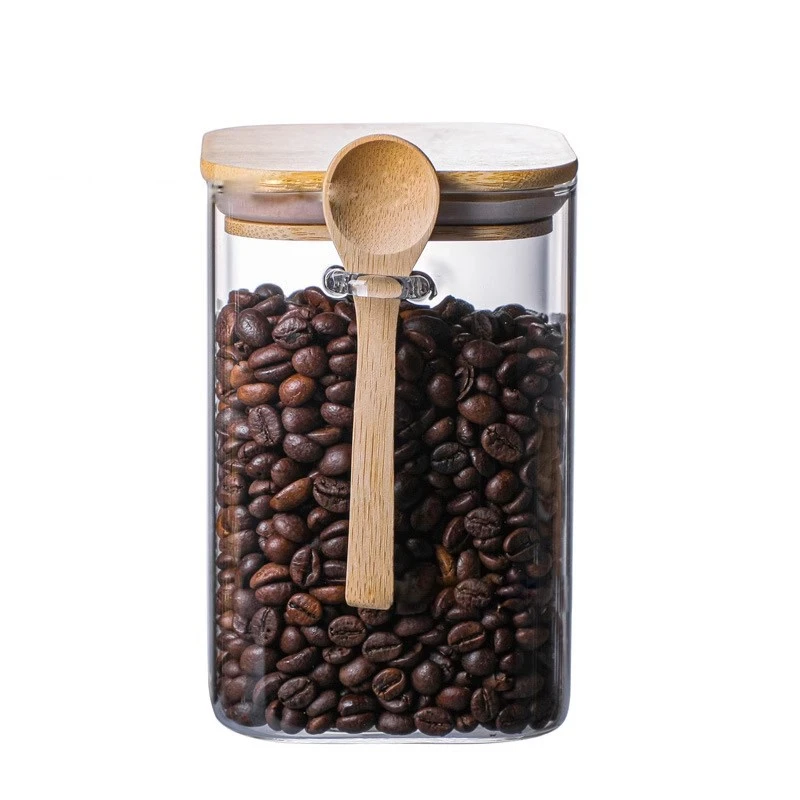
![[All Microwave Safe] High Borosilicate Glass Food Storage Container , Oven Safe without Lid, Dishwasher Safe](https://images.exportstart.com/images/a1251/squre-glass-container-with-glass-lid-518.webp "[All Microwave Safe] High Borosilicate Glass Food Storage Container , Oven Safe without Lid, Dishwasher Safe")
![[Sliding Vent PP Lid] Borosilicate Glass Food Storage Containers with Food-grade Plastic Lid, Airtight, Leak Resistant](https://images.exportstart.com/images/a1251/glass-food-storage-container-with-airtight-lid-183.webp "[Sliding Vent PP Lid] Borosilicate Glass Food Storage Containers with Food-grade Plastic Lid, Airtight, Leak Resistant")
![[Large Skylight Glass Lid] Glass Food Storage Container, Oven Safe with Lid, BPA Free, 100% Leak resistant](https://images.exportstart.com/images/a1251/glass-lid-food-storage-container-1-1-196.webp "[Large Skylight Glass Lid] Glass Food Storage Container, Oven Safe with Lid, BPA Free, 100% Leak resistant")
![[Colorful Vent PP Lid] Glass Food Storage Container, BPA Free, Leakproof, Dishwasher Safe](https://images.exportstart.com/images/a1251/002-1-639.webp "[Colorful Vent PP Lid] Glass Food Storage Container, BPA Free, Leakproof, Dishwasher Safe")
![[Color Vent PP Lid] Borosilicate Glass Food Storage Container, Leakproof, Dishwasher Safe](https://images.exportstart.com/images/a1251/1-941.webp "[Color Vent PP Lid] Borosilicate Glass Food Storage Container, Leakproof, Dishwasher Safe")
![[Vacuum AS] Food Storage Container with Pump](https://images.exportstart.com/images/a1251/7-1-397.webp "[Vacuum AS] Food Storage Container with Pump")