 TEL: +86 18903393212
 Email: tina@yintoglassware.com

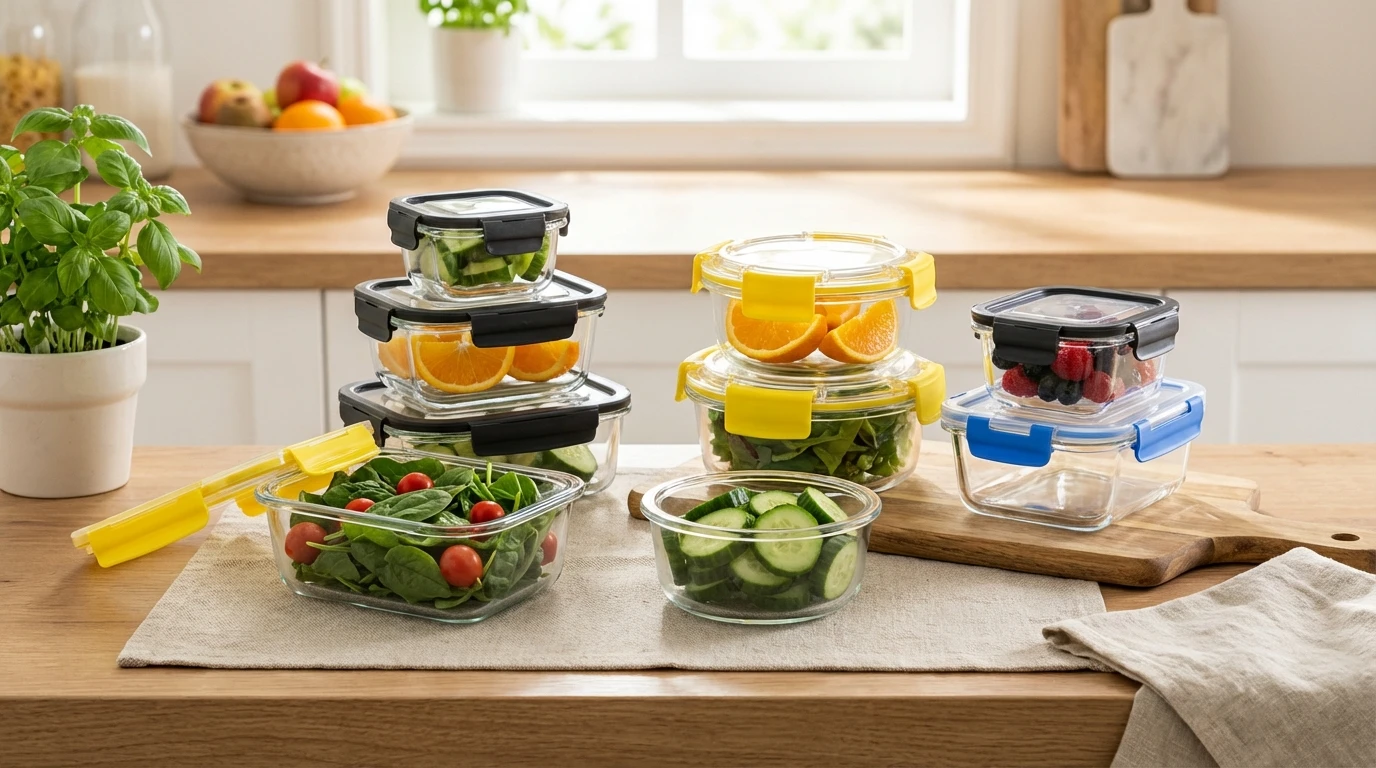
Clear Containers with Lids: Durable Industrial Storage Solutions
Clear Containers with Lids: Why They Still Matter in Industrial Settings
Having spent more than a decade in the industrial equipment field, I've seen quite a few storage solutions come and go. But one thing that never gets old – or obsolete – is the clear container with lid. Honestly, it’s probably one of the simplest, most reliable tools in any workshop or production line. Oddly enough, despite all the high-tech innovation, the transparency these containers offer is still a big deal.
Let me explain why. When you work with parts, powders, liquids, or small components on a daily basis, being able to instantly identify what's inside without opening it saves a surprising amount of time and hassle. It’s this clarity—in both a literal and figurative sense—that makes these containers indispensable. And when the lids fit snugly, it protects everything from dust, moisture, or cross-contamination, which frankly can wreck your workflow if overlooked.
In real terms, industrial-grade clear containers are typically made from tough polycarbonate or tempered glass. Both materials have passed rigorous quality tests to ensure they resist cracking or clouding under heavy use. I remember a client once told me that switching to glass options cut down “mysterious contamination events” by nearly 30%—turns out, visibility really helps catch oddities early on.
Besides durability, these containers often come in various sizes and stack well, which is crucial for tight storage spaces. Many engineers I know appreciate the option for customization, like special lid seals or labeling areas, as it fits right into their lean inventory systems. Custom lids with gasket seals, for example, offer extra protection when storing sensitive materials, which I suppose can be a deciding factor in more demanding environments.
Here’s a useful rundown of typical specs you might expect from a high-quality clear container with lid:
| Feature | Specification |
|---|---|
| Material | Tempered glass or polycarbonate |
| Sizes | From 250 ml to 10 L (custom sizes available) |
| Lid Type | Snap-fit or screw-on with gasket seal |
| Temperature Resistance | -20°C to 120°C |
| Transparency | High optical clarity; resists clouding |
| Stackability | Designed for secure stacking in storage racks |
But okay, you might wonder—who offers the best products in this space? From personal experience and a bit of research, I’ve seen a small range of solid contenders. I threw together a quick comparison, which might help if you’re evaluating options:
| Vendor | Material Options | Customization | Price Range | Lead Time |
|---|---|---|---|---|
| Yinto Glassware | Tempered glass, polycarbonate | Lid seals, size variants | $$–$$$ | 2–3 weeks |
| ClearPack Industrial | Polycarbonate only | Limited lid options | $–$$ | 1–2 weeks |
| OptiWare Solutions | Tempered glass only | Full custom design | $$$–$$$$ | 4+ weeks |
I suppose when picking a supplier, it all boils down to what really matters for your operation. Tight budgets? Maybe ClearPack. Need that custom touch for specific lids? Yinto Glassware has been a reliable go-to for many of my clients. And if you want the ultimate in specification and don’t mind waiting, OptiWare is solid, though pricier.
Before I wrap this up—I recall one scenario from a few years back where a factory switched from opaque containers to clear ones and found their assembly errors dropped noticeably. You could say the ability to “see” the contents prevented mix-ups. It’s a simple change but can have outsized effects.
To sum up, clear containers with lids might seem like a no-brainer, but their design and quality directly impact workplace efficiency and product safety. For many in manufacturing or lab environments, they’re underrated heroes. If you want containers that marry durability, clarity, and practical sealing, it’s hard to go wrong, especially if you check out offerings from trusted vendors like Yinto Glassware.
Ultimately, it’s these small improvements that help keep big operations smooth, day after day.
References:
1. Industrial Storage Solutions Report, 2022
2. Yinto Glassware Product Literature, 2023
3. Manufacturing Times Case Study, 2019
-
Ultimate Guide to Choosing Big Glass Storage Containers for Every NeedNewsApr.16,2026
-
Small Glass Lunch Containers Guide for Healthy Meal PrepNewsApr.09,2026
-
Comprehensive Guide to Choosing the Best Storage Containers for Dishes and GlassesNewsApr.07,2026
-
Selecting The Optimal 300ml Food Containers For Your Business NeedsNewsApr.04,2026
-
Discover the Benefits of Durable 3 Cup Glass Food Storage ContainersNewsMar.31,2026
-
Comprehensive Guide to Choosing Superior Glass Divided Food ContainersNewsMar.28,2026
![[Extra Large with Handle] Oven Safe Glass Food Storage Container with Airtight Locking Lid & Handle, Oven Safe Dishwasher Safe](https://images.exportstart.com/images/a1251/extra-larger-glass-container-with-snap-locking-lid-164.webp "[Extra Large with Handle] Oven Safe Glass Food Storage Container with Airtight Locking Lid & Handle, Oven Safe Dishwasher Safe")
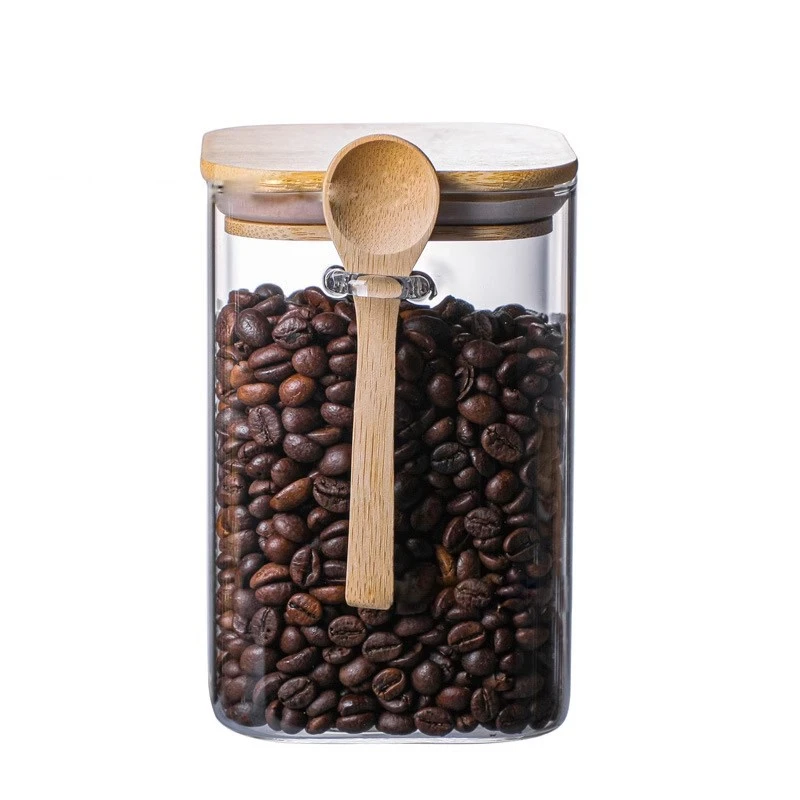
![[All Microwave Safe] High Borosilicate Glass Food Storage Container , Oven Safe without Lid, Dishwasher Safe](https://images.exportstart.com/images/a1251/squre-glass-container-with-glass-lid-518.webp "[All Microwave Safe] High Borosilicate Glass Food Storage Container , Oven Safe without Lid, Dishwasher Safe")
![[Sliding Vent PP Lid] Borosilicate Glass Food Storage Containers with Food-grade Plastic Lid, Airtight, Leak Resistant](https://images.exportstart.com/images/a1251/glass-food-storage-container-with-airtight-lid-183.webp "[Sliding Vent PP Lid] Borosilicate Glass Food Storage Containers with Food-grade Plastic Lid, Airtight, Leak Resistant")
![[Large Skylight Glass Lid] Glass Food Storage Container, Oven Safe with Lid, BPA Free, 100% Leak resistant](https://images.exportstart.com/images/a1251/glass-lid-food-storage-container-1-1-196.webp "[Large Skylight Glass Lid] Glass Food Storage Container, Oven Safe with Lid, BPA Free, 100% Leak resistant")
![[Colorful Vent PP Lid] Glass Food Storage Container, BPA Free, Leakproof, Dishwasher Safe](https://images.exportstart.com/images/a1251/002-1-639.webp "[Colorful Vent PP Lid] Glass Food Storage Container, BPA Free, Leakproof, Dishwasher Safe")
![[Color Vent PP Lid] Borosilicate Glass Food Storage Container, Leakproof, Dishwasher Safe](https://images.exportstart.com/images/a1251/1-941.webp "[Color Vent PP Lid] Borosilicate Glass Food Storage Container, Leakproof, Dishwasher Safe")
![[Vacuum AS] Food Storage Container with Pump](https://images.exportstart.com/images/a1251/7-1-397.webp "[Vacuum AS] Food Storage Container with Pump")