 TEL: +86 18903393212
 Email: tina@yintoglassware.com

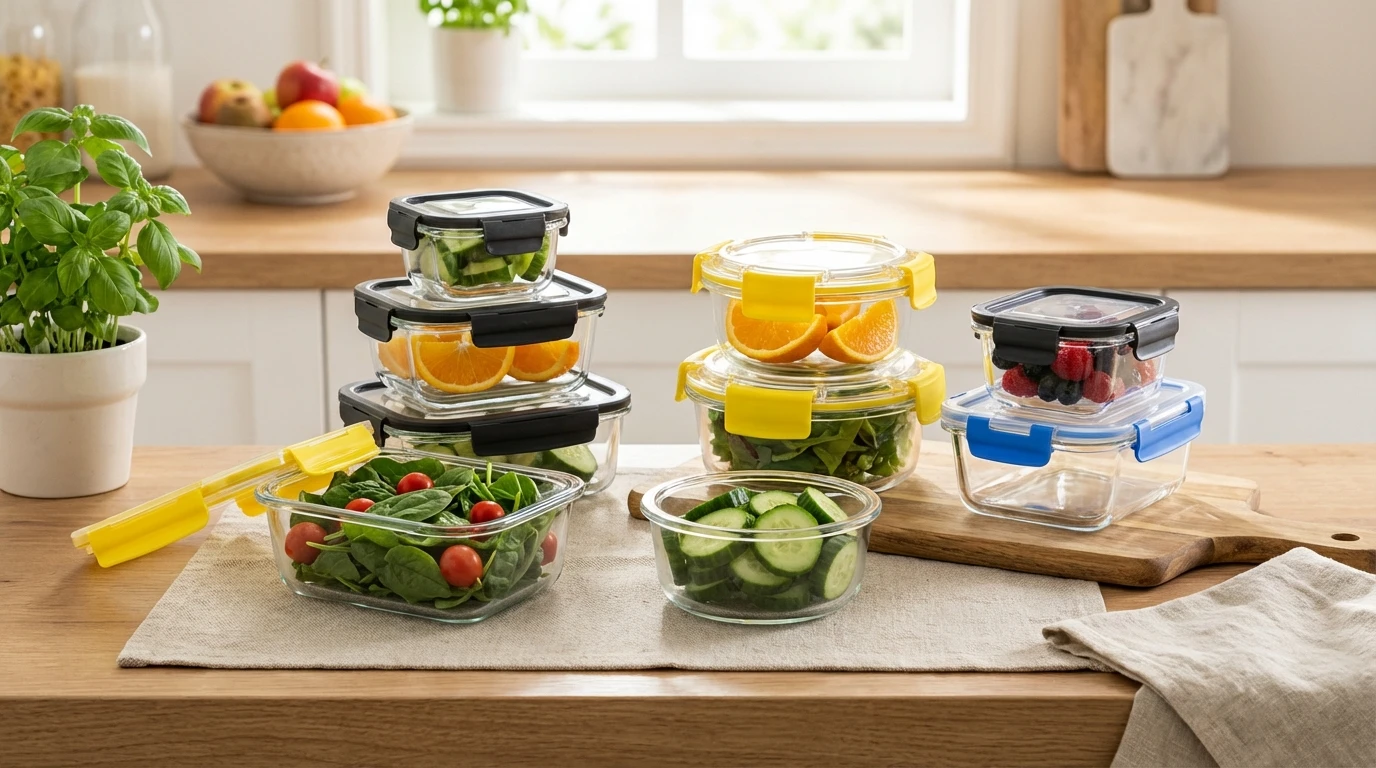
Durable Glass Meal Prep Containers 3 Compartment | Yinto Glassware
Glass Meal Prep Containers 3 Compartment: A Pragmatic Industry Perspective
Having spent a fair number of years in the industrial equipment world, I can tell you that the simple idea of a "glass meal prep container" quickly grows into a web of design choices, material considerations, and user feedback. The glass meal prep containers 3 compartment style is particularly interesting — it merges practicality with an increasing industry push towards sustainability and user-friendliness.
Now, a lot of folks might just see "glass containers" as kitchen basics. But from where I stand (and I hope you find this a bit surprising), these containers represent a small but meaningful front in the fight against single-use plastics. Plus, oddly enough, the three-compartment division is not just a styling quirk — it’s a clever way to promote balanced portion control without mixing flavors or sogging food textures.
In real terms, what makes a quality 3 compartment glass container? First, the glass itself. Tempered borosilicate glass tends to be the industry's go-to for durability and thermal shock resistance — you want a product that can survive a quick jolt from fridge to microwave or oven without cracking. Then there’s the lid: usually silicone-sealed for airtightness. This combination is key to preventing leaks and maintaining freshness over several hours, which, frankly, some plastic containers just can’t do without nasty odors or stains.
One thing I noticed over time is how some vendors opt for sort-of flimsy plastic lids that don’t quite snap tight, making the container less travel-friendly. You don't want your lunch soup mingling with your salad in transit, right? So, build quality here is more than a detail — it’s a necessity.
| Feature | Specification |
|---|---|
| Material | Tempered Borosilicate Glass |
| Lid Type | Silicone Sealed, Snap-Lock Plastic Frame |
| Compartment Configuration | 1 large + 2 small |
| Capacity | Approx. 900ml – 1100ml total |
| Temperature Range | -20°C to 450°C (fridge to oven safe) |
| Microwave & Dishwasher Safe | Yes |
Customizability is another avenue where manufacturers try to differentiate — whether in color accents on lids, logo imprinting, or compartment sizes tweaked for various diets. I recall a mid-sized catering company in the Midwest that switched to these 3 compartment glass containers mainly because clients kept asking for a more “premium packaging” feel. A small tweak, but it lifted their brand perception remarkably.
So let’s talk vendors for a second — odd as it sounds, in my line of work, comparing suppliers is almost like a weekly ritual. Even though specs might look similar on paper, in practice, the devil’s in the details: glass thickness, lid seal quality, MOQ, lead times, and shipping reliability.
| Vendor | Glass Quality | Lid Seal | MOQ | Lead Time | Pricing (per unit) |
|---|---|---|---|---|---|
| Yinto Glassware | Premium Borosilicate | Silicone + Locking Clips | 500 pcs | 4 weeks | $3.90 |
| Competitor A | Standard Soda-Lime Glass | Basic Snap Lid | 1000 pcs | 6-7 weeks | $2.75 |
| Competitor B | Tempered Borosilicate | Silicone Seal (No Clips) | 300 pcs | 5 weeks | $4.10 |
If you ask me, the best value often lies in balancing quality with lead times — and Yinto Glassware strikes that note nicely. They combine strong materials with reasonable pricing and reasonable minimum order numbers that suit both startups and established brands.
In the end, picking the perfect glass meal prep container isn't just about aesthetics or price. It’s about knowing your end user’s habits, balancing durability and safety, and ensuring logistics your team can trust. Every engineer or procurement manager I've talked to emphasizes reliability over flash — especially when containers need to endure repeated use without compromising health or function.
So next time you pick up a three-compartment glass meal prep container, maybe you’ll see it through a slightly different lens — one shaded by industry standards, user real-talk, and yes, a bit of hard-earned experience.
Here’s to smarter, safer, and greener meal prep choices.
References:
1. Industry glassware standards, ASTM E438
2. Borosilicate glass chemistry overview, Corning Inc.
3. Consumer reports on meal prep container durability, 2022
-
Ultimate Guide to Choosing Big Glass Storage Containers for Every NeedNewsApr.16,2026
-
Small Glass Lunch Containers Guide for Healthy Meal PrepNewsApr.09,2026
-
Comprehensive Guide to Choosing the Best Storage Containers for Dishes and GlassesNewsApr.07,2026
-
Selecting The Optimal 300ml Food Containers For Your Business NeedsNewsApr.04,2026
-
Discover the Benefits of Durable 3 Cup Glass Food Storage ContainersNewsMar.31,2026
-
Comprehensive Guide to Choosing Superior Glass Divided Food ContainersNewsMar.28,2026
![[Extra Large with Handle] Oven Safe Glass Food Storage Container with Airtight Locking Lid & Handle, Oven Safe Dishwasher Safe](https://images.exportstart.com/images/a1251/extra-larger-glass-container-with-snap-locking-lid-164.webp "[Extra Large with Handle] Oven Safe Glass Food Storage Container with Airtight Locking Lid & Handle, Oven Safe Dishwasher Safe")
![[All Microwave Safe] High Borosilicate Glass Food Storage Container , Oven Safe without Lid, Dishwasher Safe](https://images.exportstart.com/images/a1251/squre-glass-container-with-glass-lid-518.webp "[All Microwave Safe] High Borosilicate Glass Food Storage Container , Oven Safe without Lid, Dishwasher Safe")
![[Sliding Vent PP Lid] Borosilicate Glass Food Storage Containers with Food-grade Plastic Lid, Airtight, Leak Resistant](https://images.exportstart.com/images/a1251/glass-food-storage-container-with-airtight-lid-183.webp "[Sliding Vent PP Lid] Borosilicate Glass Food Storage Containers with Food-grade Plastic Lid, Airtight, Leak Resistant")
![[Large Skylight Glass Lid] Glass Food Storage Container, Oven Safe with Lid, BPA Free, 100% Leak resistant](https://images.exportstart.com/images/a1251/glass-lid-food-storage-container-1-1-196.webp "[Large Skylight Glass Lid] Glass Food Storage Container, Oven Safe with Lid, BPA Free, 100% Leak resistant")
![[Colorful Vent PP Lid] Glass Food Storage Container, BPA Free, Leakproof, Dishwasher Safe](https://images.exportstart.com/images/a1251/002-1-639.webp "[Colorful Vent PP Lid] Glass Food Storage Container, BPA Free, Leakproof, Dishwasher Safe")
![[Color Vent PP Lid] Borosilicate Glass Food Storage Container, Leakproof, Dishwasher Safe](https://images.exportstart.com/images/a1251/1-941.webp "[Color Vent PP Lid] Borosilicate Glass Food Storage Container, Leakproof, Dishwasher Safe")
![[Vacuum AS] Food Storage Container with Pump](https://images.exportstart.com/images/a1251/7-1-397.webp "[Vacuum AS] Food Storage Container with Pump")