 TEL: +86 18903393212
 Email: tina@yintoglassware.com

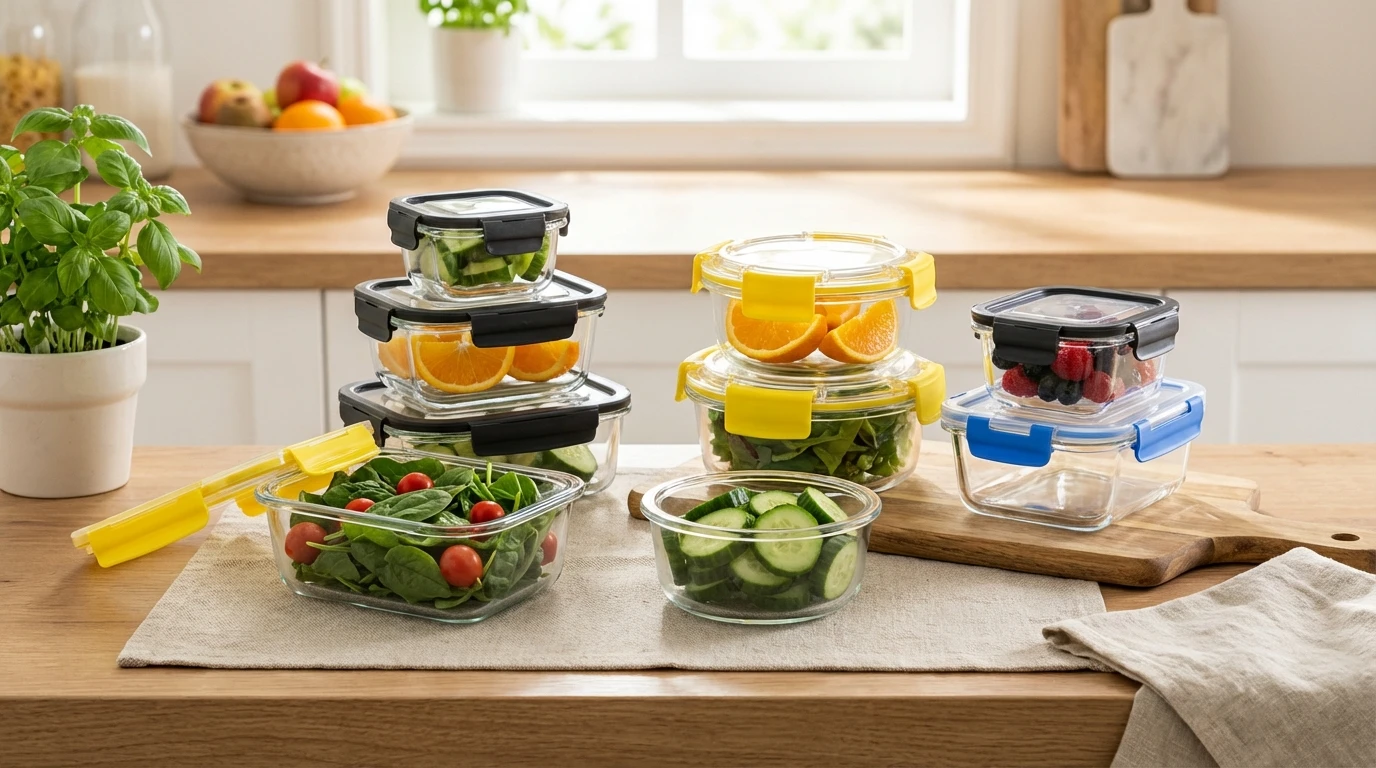
Why Glass Water Bottles Are Better: Sustainable, Safe & Smart Hydration Solutions
Understanding Why Glass Water Bottles Are Better: A Global Perspective
In a world increasingly concerned about sustainability, health, and environmental impact, choosing the right water bottle isn’t just about style or convenience. It’s about a collective move toward smarter, safer consumption habits. The question “why glass water bottles are better” has become more than a niche inquiry; it’s a critical consideration in reducing plastic pollution and protecting our health.
Globally, over 300 million tons of plastic waste are generated annually (UN Environmental Programme, 2022). A significant chunk comes from single-use plastic bottles. Glass bottles, with their reusable nature and inert properties, offer an alternative with clear benefits. But it’s not just about being eco-friendly — there’s a mix of health, durability, and social factors at play.
The Global Context: Why Glass Water Bottles Matter More Than Ever
The global bottled water market topped $217 billion in 2023, with plastic bottles dominating shelf space (Statista, 2024). Despite advances in recycling, only about 9% of plastic ever produced is effectively recycled. Plastic leaches chemicals like BPA and microplastics into the water, raising health concerns. Meanwhile, glass bottles have been around for millennia and are quickly making a comeback because they don’t carry these risks and are infinitely recyclable.
Regions heavily affected by plastic waste — from Southeast Asia’s waterways to coastal communities in the Caribbean — are increasingly pushing policy and consumer shifts toward glass and other alternatives. Large organizations and humanitarian agencies also favor glass bottles when safety and dignity are prioritized, especially in disaster relief scenarios.
Learn more about why glass water bottles are better and their rising importance worldwide.
What Does “Why Glass Water Bottles Are Better” Really Mean?
Simply put, it boils down to choosing glass over plastic or metal for drinking containers because of glass’s unique combination of health safety, environmental benefits, and functionality. Glass water bottles don’t react chemically with liquids, don’t absorb odors, and maintain purity better than other materials. This isn’t just a marketing pitch — it’s backed by material science and years of practical use in industries where contamination is unacceptable (think labs and hospitals).
From a humanitarian perspective, glass bottles offer a reusable and respectable alternative in settings where water safety is critical and trust is hard to build. Plus, switching to glass aligns with global policies encouraging circular economy principles (ISO standards on packaging waste, 2023).
Key Factors Behind the Superiority of Glass Water Bottles
Durability and Longevity
While glass sometimes gets a bad rap for being fragile, the modern tempered and borosilicate versions are surprisingly resilient. Many engineers say that with proper design — think silicone sleeves or reinforced bottoms — glass water bottles can outlast plastic counterparts by years, reducing replacement frequency and waste.
Safety and Chemical Inertness
Glass doesn’t leach chemicals. Unlike plastics that might release BPA or phthalates under heat or prolonged use, glass maintains the pure taste and integrity of water. Oddly enough, this makes it the preferred choice for medical and food industries.
Eco-Friendliness and Recyclability
Glass is 100% recyclable without loss of quality. It’s recyclable endlessly, while plastics degrade in quality through recycling. The energy used to recycle glass is higher but pays off if collection is efficient. ISO estimates show that glass recycling saves about 30% of raw material energy compared to producing new glass (ISO, 2023).
Design and Customization
Glass can be molded into elegant, attractive shapes and printed with various designs. This versatility means bottles can be tailored for different markets — from high-end consumer products to bulk humanitarian aid packaging.
Thermal Resistance
Sophisticated glass bottles made from borosilicate withstand temperature swings, making them ideal for both cold and hot beverages — something plastic bottles often fail at safely.
Global Applications & Real-World Use Cases
Practical adoption of glass water bottles spans from everyday urban life to critical humanitarian efforts. In Europe, eco-conscious consumers have driven demand with governments supporting bans on single-use plastics. Scandinavian countries report increasing uptake in workplaces and schools encouraging glass bottle use.
Meanwhile, NGOs in disaster relief zones like Haiti or the Pacific Islands prefer glass bottles when distributing potable water to ensure container safety and dignity. In remote industrial settings, glass bottles resist chemical contamination better than plastic, protecting workers’ hydration quality.
Even in hospitality and retail sectors, glass bottles impart a sense of quality and care, often used by boutique cafes and gyms to stand out with aesthetics and eco-benefits.
Product Specification Table: Typical Borosilicate Glass Water Bottle
| Parameter | Specification |
|---|---|
| Material | Borosilicate Glass |
| Capacity | 500 ml / 17 oz |
| Dimensions | Height 23 cm, Diameter 7 cm |
| Weight (empty) | 270 g |
| Temperature Range | -20°C to 150°C |
| Recyclability | 100% recyclable, unlimited cycles |
| Typical Usage | Reusable hydration, giveaways, humanitarian kits |
Advantages and Long-Term Value
Why go through the effort and higher upfront cost for glass? Because of the long-term payoffs that get overlooked in quick purchases:
- Cost Savings Over Time: Although upfront costs are higher than plastic, glass bottles last longer and reduce repeated replacements.
- Environmental Impact: When recycled properly, they drastically cut plastic waste and associated pollution.
- Health Safety: No chemical leach makes them safer, especially for children and pregnant women.
- Social Perception: Glass promotes dignity and respect when used in humanitarian aid — so many aid workers emphasize this.
- Reliability: Stable properties mean water tastes purer and you avoid “plastic aftertaste.”
Emotionally, a glass bottle feels more thoughtful, almost like carrying a little piece of tradition and quality with you. It’s a reassuring touchstone in a disposable world.
Future Trends and Innovations in Glass Water Bottles
Innovation never sleeps. The future for glass water bottles includes lighter, more impact-resistant formulations, smart caps that monitor hydration, and integration with digital health platforms. Green manufacturing practices — using renewable energy and closed-loop recycling — are gaining traction. Businesses are experimenting with customizable etched designs produced via laser tech and coatings that add texture or insulation.
Policy trends also favor glass; extended producer responsibility laws may make manufacturers accountable for plastic, pushing more companies to invest in glass solutions. There’s also talk about glass bottle deposit return schemes expanding globally.
Challenges & Solutions
Of course, nothing’s perfect. The primary challenge with glass is fragility and weight. Shipping costs can be higher, and breakage risks concern bulk distributors. Yet with silicone sleeves, improved packaging, and education on safe handling, these issues are steadily mitigated.
Another hurdle is consumer inertia — switching habits from plasticky convenience to conscious care requires awareness campaigns and accessible price points. Expert manufacturers focus on design that’s both stylish and practical to lure users away from disposable plastic.
Vendor Comparison Table: Three Leading Glass Water Bottle Manufacturers
| Vendor | Material Used | MOQ (Minimum Order Qty) | Customization Options | Lead Time | Typical Price (per unit) |
|---|---|---|---|---|---|
| Yinto Glassware | Borosilicate, Soda-lime | 500 pcs | Screen print, laser etching, silicone sleeves | 30-45 days | $3.50 - $5.00 |
| EcoGlass Co. | Borosilicate only | 1000 pcs | Custom colors, silicone vests | 45-60 days | $4.00 - $6.00 |
| GreenSip Bottles | Soda-lime Glass | 300 pcs | Screen print only | 20-30 days | $2.80 - $4.20 |
FAQs About Why Glass Water Bottles Are Better
Q1: Are glass water bottles really safer than plastic ones?
Yes. Glass bottles do not leach harmful chemicals, even when exposed to heat or prolonged use, unlike many plastics that may release BPA or other toxins, protecting your water’s purity and your health.
Q2: How durable are glass bottles compared to stainless steel?
While glass is breakable, modern borosilicate glass combined with silicone sleeves can handle daily use well. Stainless steel is sturdier but may impart metallic taste. Glass preserves flavor and is safer for some users.
Q3: Can glass bottles be recycled indefinitely?
Yes, glass can be recycled endlessly without losing quality or purity, making it an excellent sustainable choice over plastics, which degrade after each recycling cycle.
Q4: Are glass bottles heavier and harder to carry?
Generally, yes — glass bottles weigh more than plastic. But advances in lightweight glass formulas and protective sleeves have made them more user-friendly. Many consumers find the tradeoff worth it.
Q5: How can NGOs source affordable glass water bottles for aid distribution?
Many suppliers, such as Yinto Glassware, offer bulk orders with customization and discounted pricing for NGO projects. Early communication on MOQ and lead times helps secure the best deal.
Conclusion: Why Choosing Glass Water Bottles Makes Sense Long Term
With awareness growing about the perils of plastic pollution and chemical exposure, glass water bottles present a thoughtfully balanced solution. They offer health safety, environmental sustainability, and a timeless user experience. While there are challenges in deployment and cost, technology and thoughtful design have brought glass bottles into the mainstream spotlight.
If you’re exploring sustainable hydration options — whether for business, personal use, or humanitarian projects — glass is a choice that pays off over time in real impact.
For more detailed information or bulk purchasing options, visit https://www.yintoglassware.com.
1. UN Environmental Programme (2022), Global Plastic Waste Report
2. ISO Standards on Packaging Waste (2023)
3. Statista (2024), Bottled Water Market Data
-
Ultimate Guide to Choosing Big Glass Storage Containers for Every NeedNewsApr.16,2026
-
Small Glass Lunch Containers Guide for Healthy Meal PrepNewsApr.09,2026
-
Comprehensive Guide to Choosing the Best Storage Containers for Dishes and GlassesNewsApr.07,2026
-
Selecting The Optimal 300ml Food Containers For Your Business NeedsNewsApr.04,2026
-
Discover the Benefits of Durable 3 Cup Glass Food Storage ContainersNewsMar.31,2026
-
Comprehensive Guide to Choosing Superior Glass Divided Food ContainersNewsMar.28,2026
![[Extra Large with Handle] Oven Safe Glass Food Storage Container with Airtight Locking Lid & Handle, Oven Safe Dishwasher Safe](https://images.exportstart.com/images/a1251/extra-larger-glass-container-with-snap-locking-lid-164.webp "[Extra Large with Handle] Oven Safe Glass Food Storage Container with Airtight Locking Lid & Handle, Oven Safe Dishwasher Safe")
![[All Microwave Safe] High Borosilicate Glass Food Storage Container , Oven Safe without Lid, Dishwasher Safe](https://images.exportstart.com/images/a1251/squre-glass-container-with-glass-lid-518.webp "[All Microwave Safe] High Borosilicate Glass Food Storage Container , Oven Safe without Lid, Dishwasher Safe")
![[Sliding Vent PP Lid] Borosilicate Glass Food Storage Containers with Food-grade Plastic Lid, Airtight, Leak Resistant](https://images.exportstart.com/images/a1251/glass-food-storage-container-with-airtight-lid-183.webp "[Sliding Vent PP Lid] Borosilicate Glass Food Storage Containers with Food-grade Plastic Lid, Airtight, Leak Resistant")
![[Large Skylight Glass Lid] Glass Food Storage Container, Oven Safe with Lid, BPA Free, 100% Leak resistant](https://images.exportstart.com/images/a1251/glass-lid-food-storage-container-1-1-196.webp "[Large Skylight Glass Lid] Glass Food Storage Container, Oven Safe with Lid, BPA Free, 100% Leak resistant")
![[Colorful Vent PP Lid] Glass Food Storage Container, BPA Free, Leakproof, Dishwasher Safe](https://images.exportstart.com/images/a1251/002-1-639.webp "[Colorful Vent PP Lid] Glass Food Storage Container, BPA Free, Leakproof, Dishwasher Safe")
![[Color Vent PP Lid] Borosilicate Glass Food Storage Container, Leakproof, Dishwasher Safe](https://images.exportstart.com/images/a1251/1-941.webp "[Color Vent PP Lid] Borosilicate Glass Food Storage Container, Leakproof, Dishwasher Safe")
![[Vacuum AS] Food Storage Container with Pump](https://images.exportstart.com/images/a1251/7-1-397.webp "[Vacuum AS] Food Storage Container with Pump")