 TEL: +86 18903393212
 Email: tina@yintoglassware.com

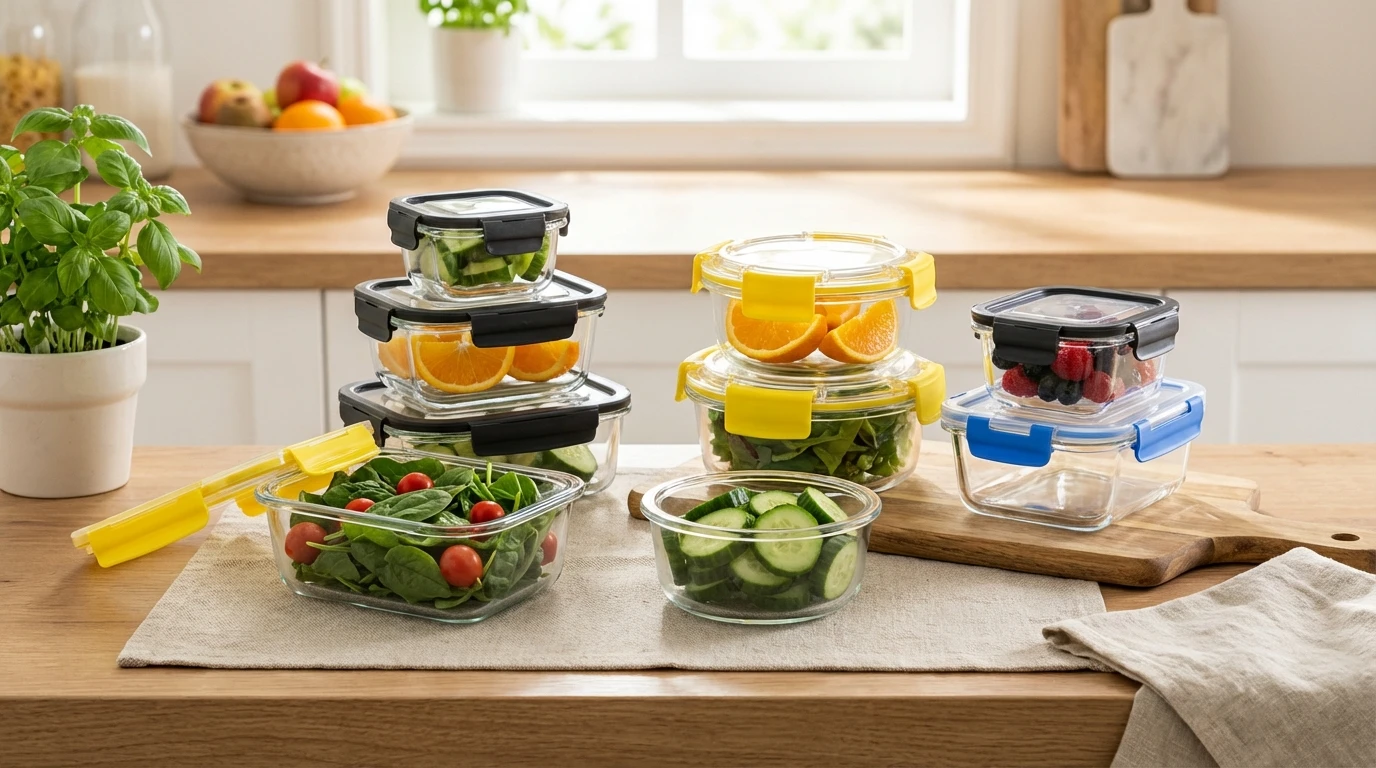
3 Liter Glass Water Bottle – Sustainable Hydration Solutions | Yinto Glassware
Understanding the 3 Liter Glass Water Bottle: More Than Just a Container
At first glance, a 3 liter glass water bottle sounds like just a larger-than-average vessel for holding water. But dive a little deeper, and you'll find it touches on global concerns about sustainability, water safety, and convenience. These bottles, fairly simple in design yet often overlooked, carry significance well beyond the kitchen or gym bag. Getting familiar with their nuances — from materials to real-world applications — can open your eyes to how they’re quietly reshaping hydration culture worldwide.
Why the 3 Liter Glass Water Bottle Matters on a Global Scale
Water consumption is a daily ritual for billions, yet the container matters quite a bit. The demand for eco-friendly, reusable options is surging as the world reckons with plastic pollution. According to research from the United Nations Water program, millions of tons of plastic waste end up in oceans every year, much of it from disposable bottles.
A 3 liter glass water bottle offers a way to cut down on single-use plastics without sacrificing volume or convenience. The size is optimal for sharing or longer activities outside the home, reducing the frequency of refills and thus, indirectly conserving resources.
In remote or industrial areas, larger-format bottles mean less frequent supply runs, reducing carbon footprints related to logistics. It’s interesting how something as simple as bottle size can echo out into environmental impact.
Mini takeaway:
The 3 liter glass water bottle weighs in as a simple yet powerful tool against plastic waste and frequent consumption inconveniences, holding relevance from urban homes to rural relief efforts.
What Exactly Is a 3 Liter Glass Water Bottle?
Put simply, it's a bottle made primarily from glass capable of holding up to three liters of water—or roughly 12.7 cups. Unlike plastic counterparts, glass doesn’t leach chemicals, ensuring water purity, which is a strong selling point in modern health-conscious markets. This capacity means it suits communal situations, from family meals to small gatherings or even outdoor work sites.
From an industry perspective, it straddles the line between individual reuse and bulk storage, which is especially meaningful in humanitarian efforts where clean water access is sporadic. If you’re interested, check out this 3 liter glass water bottle for a hands-on example.
Key Features That Make These Bottles Tick
1. Durability and Safety
Glass inherently offers superior chemical inertness, which means no funky tastes or health hazards like BPA. The challenge is balancing fragility with robustness—thicker glass or borosilicate variants often get used.
2. Design & Portability
Oddly enough, carrying a 3 liter bottle might seem clumsy, but ergonomic designs and handles solve much of this. Also, wide-mouth versions allow easy refills and cleaning, a small detail that drastically increases user satisfaction.
3. Sustainability & Reusability
Glass is endlessly recyclable without degrading quality. Moreover, it supports a circular economy model often pushed by ISO standards on packaging sustainability.
4. Cost Efficiency Over Time
Despite upfront costs being higher than plastic, the longevity and reusability of glass tend to save money and environmental costs in the long haul.
5. Customization & Branding
From embossed logos to color-tinted glass, manufacturers increasingly offer customized options, useful for corporate gifting or event merchandise.
Mini takeaway:
Each component of the 3 liter glass water bottle—from glass choice to ergonomic details—plays a part in making it a durable, sustainable, and user-friendly hydration solution.
Comparing Popular 3 Liter Glass Water Bottles: Specification Table
| Feature | Standard Model | Borosilicate Version | Custom Colored |
|---|---|---|---|
| Material | Soda Lime Glass | Borosilicate Glass | Tinted Soda Lime |
| Weight (Empty) | 1.8 kg | 1.5 kg | 1.85 kg |
| Durability | Medium | High (Shock Resistant) | Medium |
| Ease of Cleaning | Wide Mouth | Wide Mouth | Wide Mouth |
| Price Range | $22 - $26 | $30 - $35 | $25 - $30 |
Real-World Applications: Where and How These Bottles Shine
Across continents and industries, the 3 liter glass water bottle surfaces in interesting ways. For instance, humanitarian organizations in disaster-stricken regions utilize these bottles to distribute safe drinking water where plastic disposal options are limited. The glass bottle can be sterilized repeatedly, making it a trusted partner in maintaining sanitary conditions.
In the industrial sector, especially in remote zones like mining or oil fields, workers carry large water supplies to stay hydrated under tough conditions. A 3 liter glass bottle can be refilled and cleaned easily onsite, reducing dependency on plastic jugs.
Moreover, at home or communal events, these bottles encourage sharing and less dependence on multiple smaller plastic bottles — cutting plastic waste by measurable amounts.
Mini takeaway:
From emergency relief camps to weekend hikes, the versatility and capacity of these bottles make them relevant across a surprising range of environments.
What Long-Term Benefits Do These Glass Bottles Offer?
- Environmental Impact: Durable and recyclable, they lower plastic waste and greenhouse gases from production.
- Health & Safety: No risk of chemical leaching assures water purity and taste.
- Cost Savings: Though pricier upfront, their lifespan and reusability cut replacement costs.
- Social & Emotional Value: Provides convenience and dignity, especially in communal or aid settings.
Emerging Trends Shaping the Future of Glass Bottles
The future of 3 liter glass water bottles is heading toward smarter materials—think stronger, lighter borosilicate or composites that resist dropping mishaps. Some companies are exploring integrating digital tags for tracking hydration or water source authenticity, melding utility with IoT trends.
Sustainability remains a hot driver; innovations in low-energy manufacturing and closed-loop recycling promise greener production footprints. The influence of policies like the ISO standards on packaging also ensures quality and environmental compliance globally.
Challenges Today and How They’re Being Tackled
Fragility understandably tops the list—glass just breaks if dropped. Manufacturers counter this with thicker glass or protective sleeves, though these add weight. Also, heavier weight than plastic makes transport more fuel-intensive, nudging new designs toward lightweight composites without sacrificing recyclability.
I’ve noticed that user education plays a surprisingly big role—clarifying why these bottles aren’t just fancy but worth the care helps adoption.
| Vendor | Material Specialization | Price Range | Customization Options | Sustainability Certification |
|---|---|---|---|---|
| Yinto Glassware | Soda Lime & Borosilicate | $22–$35 | Logo embossing, tinting | ISO 14001 Certified |
| ClearFlow Bottles | Tempered Glass | $25–$33 | Range of cap styles | B Corp Certified |
| EcoSip Containers | Recycled Glass Blend | $20–$29 | Color tints, custom prints | ISO 9001 & 14001 |
Frequently Asked Questions About 3 Liter Glass Water Bottles
Q1: Are 3 liter glass water bottles safe for hot liquids?
Most standard glass bottles are not designed for hot liquids as sudden temperature shifts can cause cracking. However, models made with borosilicate glass can generally handle hot water safely. It's always best to check manufacturer guidelines.
Q2: How do I clean a large glass water bottle effectively?
Use warm water with mild soap and a bottle brush designed to reach the corners. For deeper cleaning, vinegar or baking soda solutions can help remove stains and odors. Dry completely before storing to prevent mold.
Q3: Is carrying a 3 liter glass bottle practical for daily use?
It depends on your activity. The size is great for group settings or longer outings, but heavier than smaller models. Ergonomic features like handles or sleeves improve portability.
Q4: How does using a 3 liter glass water bottle support sustainability goals?
By opting for durable, reusable glass over disposables, you reduce plastic waste and the resources needed to manufacture new single-use bottles, aligning with global eco-friendly initiatives.
In Conclusion: Investment in Hydration, Investment in the Planet
Choosing a 3 liter glass water bottle is more than a hydration decision; it’s a step toward sustainable living, convenience, and health. Whether you need it for family meals, outdoor activities, or supporting aid efforts, its robust design and capacity offer multiple advantages. If you want to explore high-quality options, visit our website at Yinto Glassware to start.
Final thoughts
Being mindful of the humble 3 liter glass water bottle might just inspire bigger changes—after all, even small shifts cascade into global impact.
References
-
Ultimate Guide to Choosing Big Glass Storage Containers for Every NeedNewsApr.16,2026
-
Small Glass Lunch Containers Guide for Healthy Meal PrepNewsApr.09,2026
-
Comprehensive Guide to Choosing the Best Storage Containers for Dishes and GlassesNewsApr.07,2026
-
Selecting The Optimal 300ml Food Containers For Your Business NeedsNewsApr.04,2026
-
Discover the Benefits of Durable 3 Cup Glass Food Storage ContainersNewsMar.31,2026
-
Comprehensive Guide to Choosing Superior Glass Divided Food ContainersNewsMar.28,2026
![[Extra Large with Handle] Oven Safe Glass Food Storage Container with Airtight Locking Lid & Handle, Oven Safe Dishwasher Safe](https://images.exportstart.com/images/a1251/extra-larger-glass-container-with-snap-locking-lid-164.webp "[Extra Large with Handle] Oven Safe Glass Food Storage Container with Airtight Locking Lid & Handle, Oven Safe Dishwasher Safe")
![[All Microwave Safe] High Borosilicate Glass Food Storage Container , Oven Safe without Lid, Dishwasher Safe](https://images.exportstart.com/images/a1251/squre-glass-container-with-glass-lid-518.webp "[All Microwave Safe] High Borosilicate Glass Food Storage Container , Oven Safe without Lid, Dishwasher Safe")
![[Sliding Vent PP Lid] Borosilicate Glass Food Storage Containers with Food-grade Plastic Lid, Airtight, Leak Resistant](https://images.exportstart.com/images/a1251/glass-food-storage-container-with-airtight-lid-183.webp "[Sliding Vent PP Lid] Borosilicate Glass Food Storage Containers with Food-grade Plastic Lid, Airtight, Leak Resistant")
![[Large Skylight Glass Lid] Glass Food Storage Container, Oven Safe with Lid, BPA Free, 100% Leak resistant](https://images.exportstart.com/images/a1251/glass-lid-food-storage-container-1-1-196.webp "[Large Skylight Glass Lid] Glass Food Storage Container, Oven Safe with Lid, BPA Free, 100% Leak resistant")
![[Colorful Vent PP Lid] Glass Food Storage Container, BPA Free, Leakproof, Dishwasher Safe](https://images.exportstart.com/images/a1251/002-1-639.webp "[Colorful Vent PP Lid] Glass Food Storage Container, BPA Free, Leakproof, Dishwasher Safe")
![[Color Vent PP Lid] Borosilicate Glass Food Storage Container, Leakproof, Dishwasher Safe](https://images.exportstart.com/images/a1251/1-941.webp "[Color Vent PP Lid] Borosilicate Glass Food Storage Container, Leakproof, Dishwasher Safe")
![[Vacuum AS] Food Storage Container with Pump](https://images.exportstart.com/images/a1251/7-1-397.webp "[Vacuum AS] Food Storage Container with Pump")