 TEL: +86 18903393212
 Email: tina@yintoglassware.com

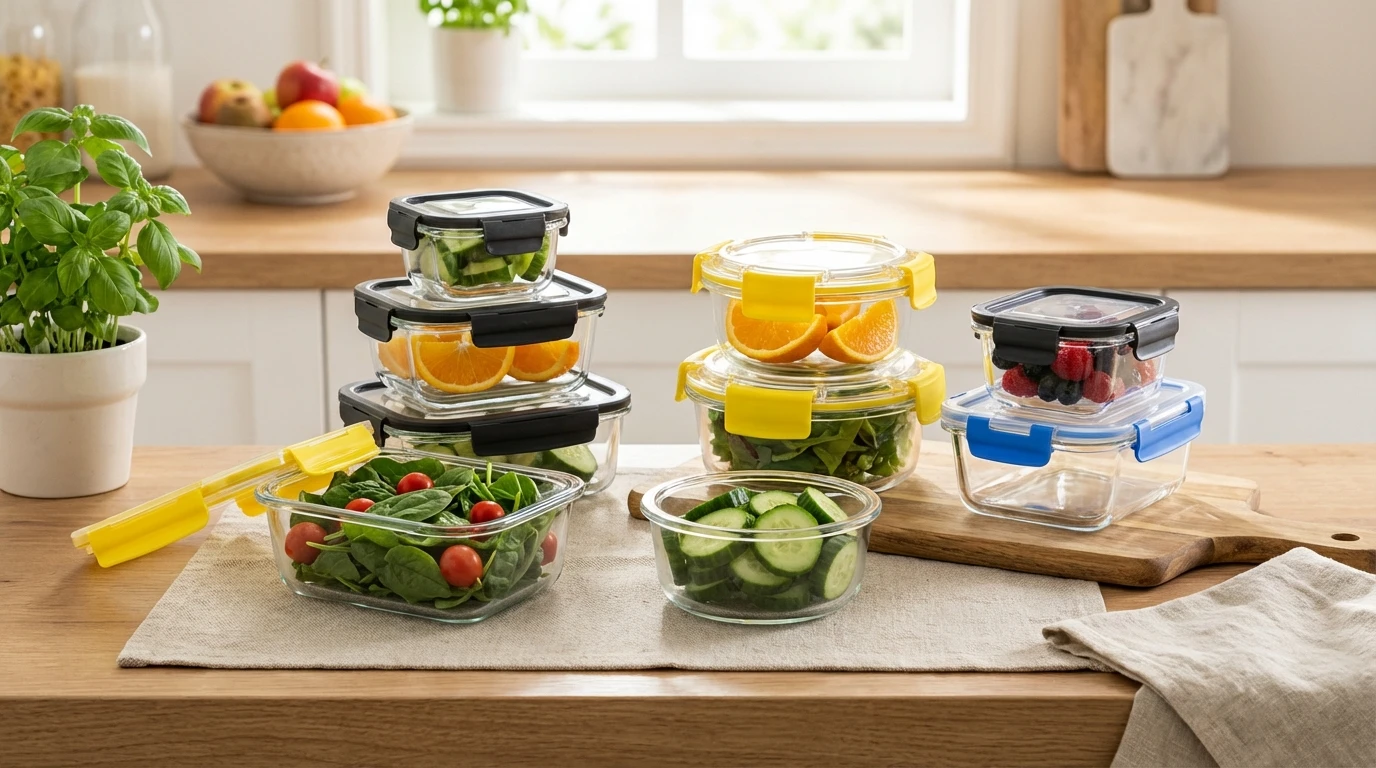
Comprehensive Guide to Glass Storage Containers: Benefits, Trends & Global Use
Understanding Glass Storage Containers: Practical Insights and Global Impact
Glass storage containers—these seemingly simple objects play a surprisingly vital role across industries and households worldwide. From preserving food freshness to storing sensitive chemicals safely, their significance touches everything from everyday life to humanitarian aid. Understanding glass storage containers, their benefits, and evolving technologies offers a window into sustainability, safety, and efficiency that resonates globally.
Introduction: The Global Importance of Glass Storage Containers
In 2023, global demand for packaging solutions grew steadily, with glass packaging accounting for nearly 20% of the market by volume according to the International Organization for Standardization (ISO). This trend underscores a shift toward sustainable, reusable, and non-toxic materials. Frankly, glass storage containers address several pressing challenges: reducing plastic waste, ensuring chemical inertness, and maintaining food safety. Current estimates suggest that over 50% of food packaging loss occurs due to inadequate storage, a gap where glass containers shine. Yet the market still wrestles with balancing cost, weight, and breakability—which makes deeper knowledge essential for businesses and consumers alike.
Defining Glass Storage Containers
At its core, a glass storage container is a vessel crafted predominantly from glass, designed to safely hold substances such as food, liquids, pharmaceuticals, or chemicals. Unlike plastics or metals, glass is inert, transparent, and infinitely recyclable. These containers range from kitchen jars to industrial vials, all unified by their durability and safety. In humanitarian and industrial settings, they play a silent but crucial role — preserving medicines and clean water or storing reagents without contamination. You could say they’re the unsung heroes behind many daily conveniences and critical operations.
Core Components of Glass Storage Containers
1. Durability
Not all glass is created equal. Tempered glass or borosilicate variants, for example, resist thermal shock and mechanical stress better, expanding their usability. Durability here means less breakage, which is crucial for both end-users and large-scale operations.
2. Chemical Inertness
Glass naturally resists most chemicals, preventing leaching or reactions. This property makes glass containers ideal for pharmaceuticals and food storage, where purity is vital.
3. Reusability and Sustainability
Glass is endlessly recyclable without losing quality, making it a frontrunner in circular economy efforts. Many companies are now focusing on glass to reduce plastic waste — an environmental imperative.
4. Scalability and Variety
From small pharmaceutical vials to large industrial tanks, glass containers scale to fit various needs, adaptable in shapes and sizes.
5. Cost Efficiency
Though higher upfront costs exist compared to plastic, the long lifespan and recyclability often make glass more cost-effective over time — especially in industrial contexts.
| Specification | Standard Borosilicate Glass | Tempered Soda-Lime Glass |
|---|---|---|
| Thermal Resistance | Up to 450°C | Up to 250°C |
| Impact Resistance | Medium | High |
| Chemical Inertness | High | Moderate |
| Typical Applications | Labware, pharma, food storage | Household containers, beverages |
Mini takeaway: Glass storage containers marry durability and chemical safety with environmental benefits — making them a core component in sustainable packaging.
Global Applications and Real-World Use Cases
Across continents and industries, these containers prove indispensable. In Europe and North America, food industries prioritize glass because consumers demand transparency and purity. Asia’s booming pharmaceutical sector relies heavily on glass vials to maintain strict regulatory standards. Bulk mineral and chemical companies in the Gulf region use large glass-lined tanks to prevent contamination. Oddly enough, in post-disaster relief zones, glass containers often serve as safe vessels for medications and water storage, preserving dignity and health in dire situations.
For example, after severe flooding in Southeast Asia, NGOs utilized glass storage containers to distribute potable water to affected villagers safely, avoiding plastic-related contamination risks. It’s fascinating how one product type intersects with technology, health, and humanitarian needs.
Advantages and Long-Term Value
- Sustainability: Recyclable and reusable, reducing landfill and microplastics pollution.
- Health and Safety: Chemical inertness prevents toxins and preserves contents.
- Reliability: Longevity and resistance to many environmental factors.
- Emotional Trust: Many consumers associate glass with premium quality and safety.
Beyond this, glass offers a kind of peace of mind — you’re not worrying about BPA or weird aftertastes. The transparency also appeals; you can literally see the product you’re using.
Future Trends and Innovations
Looking ahead, manufacturers are experimenting with lightweight composites and thin-wall glass to reduce shipping emissions. Smart glass technology, embedded with sensors, may soon provide data on contents' freshness or contamination. Sustainability efforts include scraps recycling innovations, and circular business models encourage consumers to return and reuse containers. Digital transformation even allows tagging glass containers for tracking in complex pharmaceutical supply chains.
| Vendor | Product Range | Sustainability Initiatives | Global Reach |
|---|---|---|---|
| Yinto Glassware | Food jars, pharma vials, lab bottles | Recycling programs, eco-packaging | Asia, Europe, Americas |
| EcoGlass Corp. | Beverage bottles, storage jars | Lightweight glass, carbon offset | Global, focus on Europe |
| ClearPack Industries | Industrial containers, pharma | Circular economy partnerships | NA, Asia-Pacific |
Challenges and Expert Solutions
Despite their benefits, glass containers have issues: fragility during transport, higher costs, and weight can be problematic. Though engineers work tirelessly on thermal tempering and shock-resistant glass, breakage remains a risk. Also, manufacturers face scaling recycling infrastructure in regions lacking proper waste management. The solution? Technology and policy must march hand-in-hand—improved glass composites, smarter packaging design, and global recycling standards (like those proposed by ISO 58000) help mitigate these concerns. Consumer education also plays a role—informed users pack and handle better, which reduces breakage risk.
FAQ: Common Questions About Glass Storage Containers
- Are glass storage containers safe for long-term food storage?
- Yes, glass containers are excellent for long-term storage as they do not react with food and can preserve flavor and freshness without chemical contamination. Just ensure they have airtight lids.
- How do glass containers compare to plastic in terms of environmental impact?
- While glass production is energy-intensive, its reusability and recyclability generally mean a lower environmental impact over its lifespan compared to single-use or even recycled plastics.
- Can glass storage containers be used in microwaves or ovens?
- Borosilicate glass is typically safe for microwaves and ovens due to its heat resistance. However, sudden temperature changes can cause breakage, so handle with care.
- What are the best practices to avoid breakage during shipping?
- Use cushioned packaging materials, ensure containers are sealed properly, and comply with handling protocols. Vendors often recommend customized foam inserts for fragile glass shipments.
Conclusion
To close, glass storage containers remain a unique packaging solution blending tradition with innovation. Their chemical safety, sustainability, and versatility promise long-term value for industries and consumers. If you’re keen to explore or source top-tier glass containers, I recommend visiting Yinto Glassware—a trusted name pushing both quality and eco-consciousness forward.
Stay curious — glass is more than just clear storage; it’s a sustainable future in transparent form.
References
-
Ultimate Guide to Choosing Big Glass Storage Containers for Every NeedNewsApr.16,2026
-
Small Glass Lunch Containers Guide for Healthy Meal PrepNewsApr.09,2026
-
Comprehensive Guide to Choosing the Best Storage Containers for Dishes and GlassesNewsApr.07,2026
-
Selecting The Optimal 300ml Food Containers For Your Business NeedsNewsApr.04,2026
-
Discover the Benefits of Durable 3 Cup Glass Food Storage ContainersNewsMar.31,2026
-
Comprehensive Guide to Choosing Superior Glass Divided Food ContainersNewsMar.28,2026
![[Extra Large with Handle] Oven Safe Glass Food Storage Container with Airtight Locking Lid & Handle, Oven Safe Dishwasher Safe](https://images.exportstart.com/images/a1251/extra-larger-glass-container-with-snap-locking-lid-164.webp "[Extra Large with Handle] Oven Safe Glass Food Storage Container with Airtight Locking Lid & Handle, Oven Safe Dishwasher Safe")
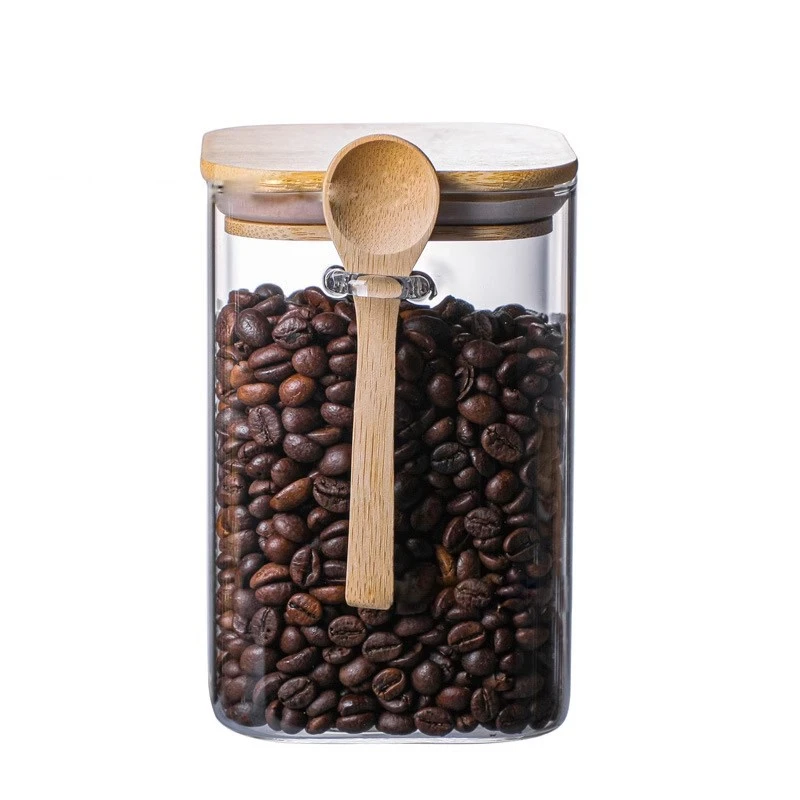
![[All Microwave Safe] High Borosilicate Glass Food Storage Container , Oven Safe without Lid, Dishwasher Safe](https://images.exportstart.com/images/a1251/squre-glass-container-with-glass-lid-518.webp "[All Microwave Safe] High Borosilicate Glass Food Storage Container , Oven Safe without Lid, Dishwasher Safe")
![[Sliding Vent PP Lid] Borosilicate Glass Food Storage Containers with Food-grade Plastic Lid, Airtight, Leak Resistant](https://images.exportstart.com/images/a1251/glass-food-storage-container-with-airtight-lid-183.webp "[Sliding Vent PP Lid] Borosilicate Glass Food Storage Containers with Food-grade Plastic Lid, Airtight, Leak Resistant")
![[Large Skylight Glass Lid] Glass Food Storage Container, Oven Safe with Lid, BPA Free, 100% Leak resistant](https://images.exportstart.com/images/a1251/glass-lid-food-storage-container-1-1-196.webp "[Large Skylight Glass Lid] Glass Food Storage Container, Oven Safe with Lid, BPA Free, 100% Leak resistant")
![[Colorful Vent PP Lid] Glass Food Storage Container, BPA Free, Leakproof, Dishwasher Safe](https://images.exportstart.com/images/a1251/002-1-639.webp "[Colorful Vent PP Lid] Glass Food Storage Container, BPA Free, Leakproof, Dishwasher Safe")
![[Color Vent PP Lid] Borosilicate Glass Food Storage Container, Leakproof, Dishwasher Safe](https://images.exportstart.com/images/a1251/1-941.webp "[Color Vent PP Lid] Borosilicate Glass Food Storage Container, Leakproof, Dishwasher Safe")
![[Vacuum AS] Food Storage Container with Pump](https://images.exportstart.com/images/a1251/7-1-397.webp "[Vacuum AS] Food Storage Container with Pump")