 TEL: +86 18903393212
 Email: tina@yintoglassware.com

Bamboo Lid Bottle: Sustainable, Durable & Stylish Eco-Friendly Containers
The Rise of the Bamboo Lid Bottle: A Sustainable Shift in Packaging
Ever notice how your daily water bottle sometimes feels... a little too synthetic? The bamboo lid bottle is quietly emerging as a favorite—not just for aesthetics but for some genuinely meaningful benefits. Globally, as sustainability pushes its way to the forefront of product design and packaging, this hybrid of natural material and modern function addresses more than just style. It’s about reducing plastic use, embracing renewable resources, and offering practical durability in day-to-day life.
With the world spending roughly 300 million tons of plastic each year (source), innovations like bamboo lid bottles aren’t just trendy—they’re vital in reducing ecological footprints.
Global Context: Why Bamboo Lid Bottles Matter Now More Than Ever
Globally, sustainability has evolved from buzzword to urgent mandate. Governments, corporations, and consumers alike are facing mounting pressure to minimize environmental impact. The International Organization for Standardization (ISO) highlights how product materials and life cycles significantly influence carbon emissions and waste.
Bamboo lid bottles respond directly to several critical challenges:
- Plastic pollution in oceans and landfills.
- Resource depletion, focusing on renewable materials.
- Consumer demand for eco-friendly, reusable products.
In real terms, the adoption of bamboo lids on reusable bottles reduces the reliance on plastic caps whose manufacturing and disposal present complex environmental issues. Oddly enough, many brands have only recently started considering lid materials as more than just functional parts, realizing their impact across the supply chain.
What Exactly Is a Bamboo Lid Bottle?
Put simply, a bamboo lid bottle is a reusable drinking container equipped with a lid crafted mainly from bamboo—a fast-growing, sustainable timber alternative. Unlike plastic or metal lids, bamboo combines natural durability with aesthetic appeal and biodegradability.
These bottles typically feature glass or stainless steel bodies, paired with the bamboo lid. This combination has become popular in industries emphasizing environmental responsibility and health safety, as bamboo is naturally antimicrobial and provides a warmer touchpoint than cold metal or plastic.
Furthermore, bamboo lid bottles fit neatly into broader movements pushing green manufacturing and humanitarian campaigns seeking safe, sustainable solutions for water transport and storage.
Core Aspects of Bamboo Lid Bottles
1. Durability
Though bamboo is a natural material, it resists wear and tear remarkably well. When properly sealed and treated, bamboo lids resist moisture absorption and cracking, extending the bottle’s life.
2. Environmental Sustainability
Bamboo grows incredibly fast—some species up to 3 feet a day—making it a truly renewable resource. It requires minimal pesticides or fertilizers, which keeps its ecological footprint low relative to plastic or metal lid production.
3. Safety & Health
Bamboo has inherent antibacterial properties, reducing the risk of bacteria build-up on lids that touch your mouth frequently. This contributes to the hygiene factor in reusable water bottles.
4. Aesthetics and Personalization
Many users appreciate bamboo’s natural grain and warmth. Brands often customize with laser engraving, creating unique, tactile products that consumers enjoy beyond simple utility.
5. Cost Efficiency
While bamboo lids generally cost a bit more than plastic counterparts, their increased lifespan and appeal often justify the premium, especially as customers increasingly prioritize sustainability.
Applying Bamboo Lid Bottles Worldwide: Use Cases and Real-World Benefits
Bamboo lid bottles find homes in a wide range of sectors and situations around the globe:
- Corporate wellness initiatives: Companies hand these out to promote sustainability among employees.
- Outdoor and adventure industries: Their durability and eco-friendliness make them perfect companions for hikers and travelers.
- Educational institutions: Many schools switch to bamboo lid bottles to cut down on plastic waste in classrooms.
- Humanitarian relief: In disaster-hit regions where clean water access is a struggle, bamboo lid bottles paired with filtration systems provide safe, sustainable water storage (UN Water).
As an example, NGOs operating in Southeast Asia sometimes distribute bamboo lid bottles during clean water campaigns, swapping out cheap plastics that could harm the environment long after the crisis.
Mini takeaway: Bamboo lid bottles aren’t just “nice to have”—they serve urgent environmental and social functions in many corners of the world.
Product Specification Table
| Feature | Specification | Impact |
|---|---|---|
| Lid Material | 100% Natural Bamboo with Food-Safe Finish | Renewable, biodegradable, antimicrobial |
| Bottle Body | Borosilicate Glass / Stainless Steel | Non-toxic, reusable, durable |
| Seal | Food-Grade Silicone | Leak-proof, safe |
| Capacity | 350 ml to 750 ml | Versatile for everyday use |
| Finish | Natural bamboo grain, laser engraving optional | Customizable, stylish |
Why Bamboo Lid Bottles Offer Long-Term Value
At face value, bamboo lid bottles represent a nice design touch. But dig a bit deeper, and their advantages multiply:
- Reduced Plastic Waste: Using a bamboo lid means fewer single-use plastics entering the environment.
- Health Considerations: Antimicrobial properties help keep your drinks safer over time.
- Emotional Satisfaction: Using a natural, handcrafted material offers a warm, personal connection in a digitalized, disposable world.
- Durability & Reusability: These bottles typically outlast their all-plastic counterparts, decreasing replacement frequency.
- Corporate Responsibility & Brand Impact: Businesses stocking bamboo lid bottles align with green values, fostering trust among customers and staff.
In short—that little lid carries more weight than you’d expect. Not just physically, but symbolically, it represents a tangible step toward lasting environmental care.
Looking Ahead: Innovations and Trends in Bamboo Lid Bottles
The future looks promising. Here’s what many manufacturers and researchers are focused on:
- Enhanced Bamboo Treatments: New finishes improving water resistance without compromising biodegradability.
- Smart Integration: Embedding QR codes or NFC chips in the lids for product authentication and recycling info.
- Hybrid Materials: Combining bamboo fibers with bio-resins to boost durability while maintaining eco credentials.
- Policy Pushes: Countries tightening plastic bans, incentivizing bamboo lid bottle adoption.
Honestly, it feels like the humble bamboo lid bottle might get smarter and tougher simultaneously—no small feat for a piece of wood.
Challenges Facing Bamboo Lid Bottles & How They’re Overcome
Of course, not everything’s seamless:
- Moisture Sensitivity: Bamboo can absorb liquids and warp if untreated. Manufacturers use natural oils and lacquers to mitigate this.
- Cost & Scaling: More expensive than plastics upfront, but scaling production and consumer willingness appear to be overcoming that.
- Supply Chain Variability: Bamboo quality depends heavily on sourcing location; standardized processing methods help ensure consistency.
Expert designers recommend quality assurance routines and supplier audits to maintain reliability. It’s no surprise many engineers say, “Material innovation is as much about understanding nature as it is technology.”
Vendor Comparison: Bamboo Lid Bottle Suppliers
| Supplier | Minimum Order Qty. | Customization Options | Approx. Price per Lid (USD) | Lead Time |
|---|---|---|---|---|
| Yinto Glassware | 500 pcs | Laser Engraving, Color Finish | $1.75 | 3-4 weeks |
| GreenLid Supplies | 1000 pcs | Engraving Only | $1.90 | 4-5 weeks |
| EcoTops Ltd. | 300 pcs | Custom Shapes, Finish | $2.10 | 2-3 weeks |
FAQ: Your Bamboo Lid Bottle Questions Answered
- Q1: How durable is a bamboo lid bottle compared to plastic lids?
- While bamboo lids can be more delicate than plastics when dropped or exposed to extreme moisture, treated bamboo usually lasts significantly longer under normal use. Proper care extends their life, making them a reliable alternative.
- Q2: Can I customize the bamboo lid for branding purposes?
- Yes! Most bamboo lids can be laser engraved or finished with inks for logos and custom designs, making them ideal for corporate giveaways or retail products.
- Q3: Is bamboo really a sustainable material?
- Absolutely. Bamboo grows much faster than trees, requires little water, and doesn't need pesticides, which makes it one of the most eco-friendly materials available in packaging.
- Q4: How do bamboo lid bottles compare cost-wise in bulk?
- They are slightly pricier upfront than plastic bottles but offer value through durability and consumer appeal. Bulk orders from suppliers like Yinto Glassware often reduce costs significantly.
- Q5: Are bamboo lids easy to clean?
- Yes—hand washing with mild soap and drying promptly is recommended. Avoid soaking to preserve the bamboo’s integrity over time.
Conclusion: Why You Should Consider Bamboo Lid Bottles Today
Bamboo lid bottles offer more than just a sleek look or a corporate green badge. They blend sustainability, practicality, and beauty in a way that feels genuine and achievable for everyday users and businesses alike. With their growing popularity, proven durability, and environmental benefits, they’re quickly becoming a small but mighty player in the global push against plastic pollution.
If you’re curious about integrating bamboo lid bottles into your lineup or just want to explore high-quality options, visit our website: https://www.yintoglassware.com and check out the latest designs and custom features.
After all, sometimes a small change—like switching the lid on your water bottle—can start a ripple effect that matters far beyond the kitchen counter.
References:
1. Plastic Pollution - Wikipedia
2. ISO Standards on Environmental Management
3. UN Water & Sustainability
-
Ultimate Guide to Choosing Big Glass Storage Containers for Every NeedNewsApr.16,2026
-
Small Glass Lunch Containers Guide for Healthy Meal PrepNewsApr.09,2026
-
Comprehensive Guide to Choosing the Best Storage Containers for Dishes and GlassesNewsApr.07,2026
-
Selecting The Optimal 300ml Food Containers For Your Business NeedsNewsApr.04,2026
-
Discover the Benefits of Durable 3 Cup Glass Food Storage ContainersNewsMar.31,2026
-
Comprehensive Guide to Choosing Superior Glass Divided Food ContainersNewsMar.28,2026
![[Extra Large with Handle] Oven Safe Glass Food Storage Container with Airtight Locking Lid & Handle, Oven Safe Dishwasher Safe](https://images.exportstart.com/images/a1251/extra-larger-glass-container-with-snap-locking-lid-164.webp "[Extra Large with Handle] Oven Safe Glass Food Storage Container with Airtight Locking Lid & Handle, Oven Safe Dishwasher Safe")
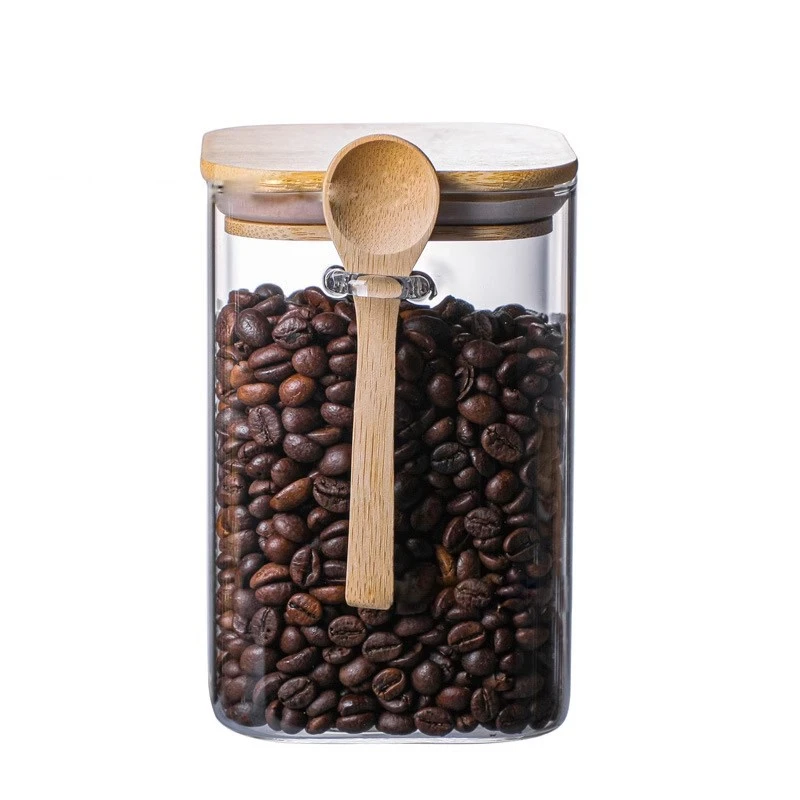
![[All Microwave Safe] High Borosilicate Glass Food Storage Container , Oven Safe without Lid, Dishwasher Safe](https://images.exportstart.com/images/a1251/squre-glass-container-with-glass-lid-518.webp "[All Microwave Safe] High Borosilicate Glass Food Storage Container , Oven Safe without Lid, Dishwasher Safe")
![[Sliding Vent PP Lid] Borosilicate Glass Food Storage Containers with Food-grade Plastic Lid, Airtight, Leak Resistant](https://images.exportstart.com/images/a1251/glass-food-storage-container-with-airtight-lid-183.webp "[Sliding Vent PP Lid] Borosilicate Glass Food Storage Containers with Food-grade Plastic Lid, Airtight, Leak Resistant")
![[Large Skylight Glass Lid] Glass Food Storage Container, Oven Safe with Lid, BPA Free, 100% Leak resistant](https://images.exportstart.com/images/a1251/glass-lid-food-storage-container-1-1-196.webp "[Large Skylight Glass Lid] Glass Food Storage Container, Oven Safe with Lid, BPA Free, 100% Leak resistant")
![[Colorful Vent PP Lid] Glass Food Storage Container, BPA Free, Leakproof, Dishwasher Safe](https://images.exportstart.com/images/a1251/002-1-639.webp "[Colorful Vent PP Lid] Glass Food Storage Container, BPA Free, Leakproof, Dishwasher Safe")
![[Color Vent PP Lid] Borosilicate Glass Food Storage Container, Leakproof, Dishwasher Safe](https://images.exportstart.com/images/a1251/1-941.webp "[Color Vent PP Lid] Borosilicate Glass Food Storage Container, Leakproof, Dishwasher Safe")
![[Vacuum AS] Food Storage Container with Pump](https://images.exportstart.com/images/a1251/7-1-397.webp "[Vacuum AS] Food Storage Container with Pump")