 TEL: +86 18903393212
 Email: tina@yintoglassware.com

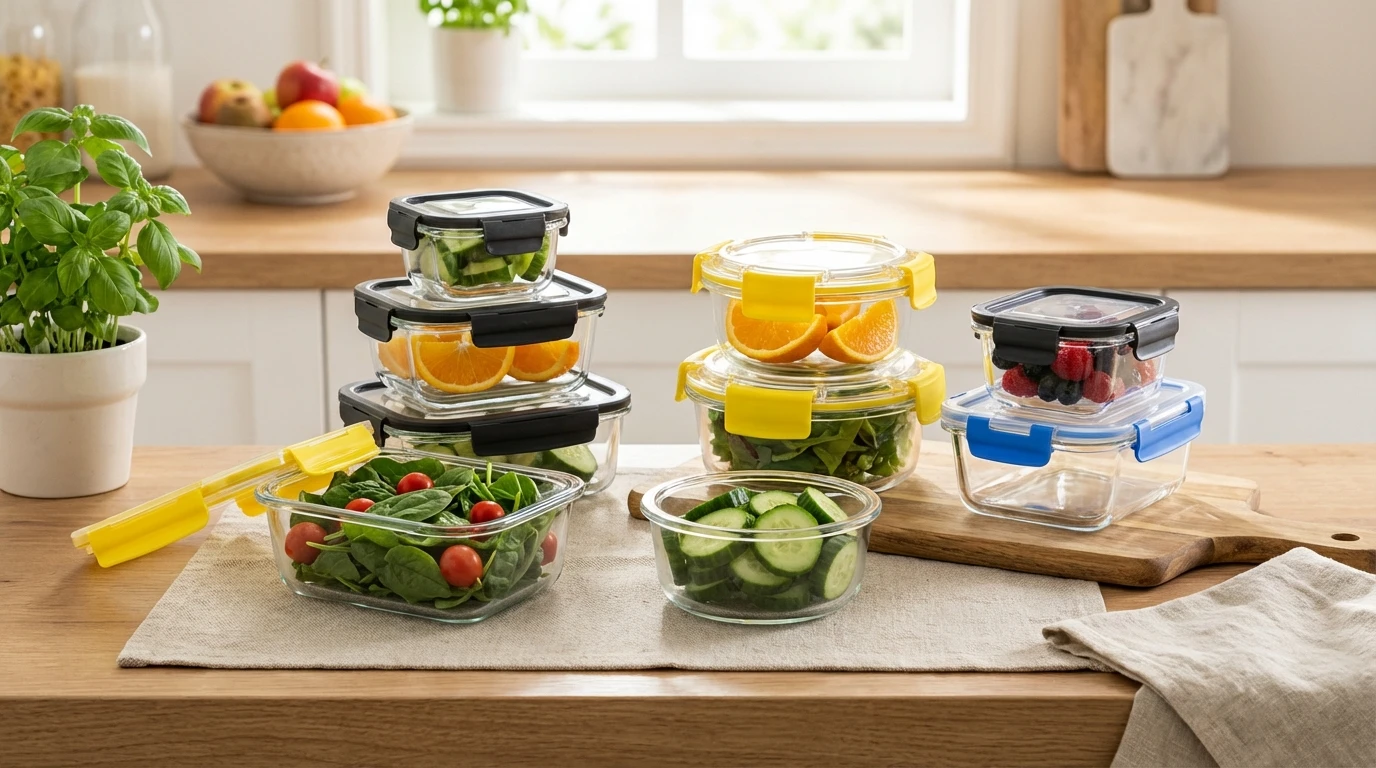
Durable and Eco-Friendly 2.5 Gallon Glass Water Bottles | Sustainable Hydration
The Subtle Power of the 2.5 Gallon Glass Water Bottle in a Thirsty World
At first glance, a 2.5 gallon glass water bottle might not sound like the most exciting topic for a global conversation. But, frankly, when you start to see how it fits into vast networks of clean water distribution, sustainability, and even humanitarian aid, it’s a surprisingly powerful player. Water – the basic necessity of life – demands storage solutions that protect purity, are reusable, and stand the test of time. That’s where the humble 2.5 gallon glass water bottle enters the stage. Understanding its benefits isn’t just an industry insider’s affair; it touches global health, environmental goals, and the logistics that underpin them all.
Globally, the demand for safe, durable, and sustainable water storage solutions has spiked. According to the UN, nearly 2 billion people lack access to safely managed drinking water services, emphasizing that every bit of innovation — including packaging — helps. The 2.5 gallon glass water bottle offers an elegant fix that mixes practicality with green credentials.
Why Does the 2.5 Gallon Glass Water Bottle Matter Globally?
Water storage and delivery are challenges everywhere, but more so in regions where infrastructure is fragile, or where environmental and health impacts are under scrutiny. Glass water bottles sized at 2.5 gallons strike a sort of Goldilocks zone — big enough to serve families, small businesses, or emergency use, yet manageable to handle and reuse without the common pitfalls of plastics.
Globally, plastic waste has drawn sharp attention (the World Bank reports plastic production topped 360 million tons in 2021). Glass, which is endlessly recyclable and doesn’t leach chemicals, starts to look really good. Yet the weight and fragility have been drawbacks, making the glass 2.5 gallon water bottle a niche but growing solution especially in environmentally conscious markets and humanitarian contexts.
Mini takeaway:
- The 2.5 gallon glass water bottle fills a global need for sustainable, reusable water storage.
- It reduces plastic dependency and supports health goals worldwide.
What Exactly is a 2.5 Gallon Glass Water Bottle?
In the simplest terms? It’s a large capacity bottle made of glass capable of holding about 2.5 gallons (roughly 9.5 liters) of water or other liquids. This size is popular because it balances volume with portability. Unlike traditional plastic jugs, these glass bottles offer a cleaner taste profile, are free of BPA and other contaminants, and can be sanitized easily.
Apart from water coolers and residential use, these bottles also see use in industries ranging from food and beverage to pharmaceutical and even emergency relief. Their reusable nature ties into modern circular economy goals, where it's not just about consuming but also giving back materials to the cycle.
Core Components Making 2.5 Gallon Glass Water Bottles Stand Out
1. Durability
Oddly enough, glass can be pretty tough. High-quality borosilicate or tempered glass varieties resist sudden temperature changes and physical shocks better than you'd think, though still more delicate than plastics. Many manufacturers reinforce the bottle shape to improve structural integrity during transport.
2. Safety & Purity
Glass is inert — meaning it won’t react with water or other liquids, ensuring the contents stay free from off-flavors or harmful chemicals. This is fundamental for drinking water solutions aiming for health compliance worldwide.
3. Cost Efficiency Over Time
While upfront costs vs. plastic jugs are higher, the ability to clean, sanitize, and reuse these glass bottles many times reduces replacement frequency, making them economically sensible for businesses and aid organizations.
4. Environmental Impact
Glass is 100% recyclable endlessly without loss of purity. Unlike plastic, it decomposes in a manageable way if discarded improperly (though obviously recycling is preferable). The growing push for green packaging means glass solutions are increasingly favored.
5. Scalability for Different Sectors
From home use to large-scale industrial settings, the 2.5 gallon size fits well. It’s not just about volume, but ease of handling — a key feature especially in healthcare facilities, offices, and disaster relief zones.
Mini takeaway:
- Durability combined with purity and cost-effectiveness pushes the 2.5 gallon glass water bottle to the forefront.
- Environmental benefits make it suited for diverse sectors and sustainable goals.
Real-World Uses: Where and Who Benefits Most?
Think about the emergency relief settings post-hurricane, earthquakes, or drought. Organizations like Doctors Without Borders and the Red Cross often pack clean water in sturdy containers to ensure distribution doesn’t cause contamination or waste.
In fact, in Southeast Asia, growing eco-consciousness combined with rising disposable incomes has made glass vessels popular for boutique water delivery services and organic food markets — places where presentation counts but so does responsibility.
Remote industrial zones, where workers need clean, large-volume hydration but plastic waste disposal isn’t always feasible, have also started adopting these glass bottles. It’s a small but significant change that meshes with wider corporate sustainability policies.
| Feature | Specification | Units |
|---|---|---|
| Volume Capacity | 2.5 | Gallons (~9.5 Liters) |
| Material | Borosilicate Glass | - |
| Weight (empty) | 4.5 | lbs (approx.) |
| Durability Rating | High (tempered) | - |
| Reusable Cycles | 50+ | Times |
| Typical Price Range | $20 - $35 | USD |
Advantages That Last: Why Businesses and NGOs Trust These Bottles
First, there’s cost advantage. Reusing a 2.5 gallon glass water bottle means less frequent need to order replacements. That’s a huge relief on budgets. But beyond dollars, there’s the health and sustainability angle — glass doesn’t degrade materials inside or out.
On a more human level, these bottles represent dignity and trust in settings like refugee camps, where having clean, safe water containers can affect morale just as much as health. The emotional reassurance that comes with a “non-toxic” container is an understated advantage.
Businesses, especially in the organic and wellness sphere, leverage these bottles for branding because they look classy and feel premium. Hundreds of office spaces and co-working hubs have switched to glass for their cooler water jugs, swapping out plastic with a clear message for environmental stewardship.
What’s Next? Future Trends in Glass Water Bottles
Innovations keep trickling in: antibacterial glass coatings, lighter but stronger composite glass blends, and smart bottle technologies embedded with sensors to track water intake or purity levels. For instance, some startups are experimenting with NFC chips in bottle necks to guarantee supply chain transparency.
The push toward net-zero carbon footprints globally means manufacturing processes for glass are also evolving, using renewable energy and waste heat recovery tools (ISO standards increasingly monitor these shifts). So, it’s not just the product but the full lifecycle getting smarter and greener.
Challenges Along the Way & How Experts Navigate Them
Honestly, the biggest gripe is fragility and weight. Transporting a 2.5 gallon glass water bottle is no casual affair and it can break. But many vendors now use cushioned packaging, thick glass walls, and even outer silicon sleeves to mitigate. Plus, some opt for engineered glass variants that offer more impact resistance.
Cost is also a sticking point in price-sensitive regions — making subsidies or combined reuse and deposit systems practical solutions. Organizations often combine glass bottle use with local recycling initiatives to close the loop.
| Vendor | Material Quality | Price per Unit | Customization Options | Sustainability Practices |
|---|---|---|---|---|
| Yinto Glassware | Premium borosilicate | $22 | Logo engraving, color tints | Solar-powered production |
| ClearSpring | Tempered soda-lime | $19 | Standard only | Recycling partnerships |
| EcoBottle Co. | Recycled glass blend | $21 | Custom sizes, colors | Zero-waste factory |
Frequently Asked Questions About the 2.5 Gallon Glass Water Bottle
- Q1: How heavy is a 2.5 gallon glass water bottle when full?
- When filled, it weighs approximately 27 pounds (12.2 kg). While heavier than plastic counterparts, sturdy handles and reinforced design ease handling.
- Q2: Are these bottles dishwasher safe?
- Most premium 2.5 gallon glass bottles tolerate dishwasher cleaning, but manual washing is recommended to extend lifespan, especially for the caps and seals.
- Q3: Can the bottles be customized for branding?
- Yes! Many manufacturers offer customization including engraved logos, colored glass, and special caps to fit corporate or event branding needs.
- Q4: How long do these glass bottles last compared to plastic?
- With proper care, glass bottles can last for years (50+ reuse cycles), significantly outlasting disposable plastics that often degrade or contaminate.
- Q5: Are glass water bottles better for the environment?
- Absolutely. Glass is endlessly recyclable, doesn’t leach toxins, and — importantly — breaks down more safely if discarded compared to plastics, reducing pollution.
Summing It Up — Why a 2.5 Gallon Glass Water Bottle Should Be on Your Radar
To put it bluntly, the humble 2.5 gallon glass water bottle isn’t just an elegant container: it’s a smart investment in health, sustainability, and reliability. Whether you run a small business, operate in humanitarian aid, or simply want cleaner water at home or office, these bottles offer a unique combination of benefits. They stand at the crossroads of global need and innovation — and frankly, we should all pay attention.
Curious to explore more or source premium options? Visit our website at 2.5 gallon glass water bottle and discover a range of customizable, eco-friendly solutions waiting for you.
Quick recap:
- Durable, safe, and reusable – ideal for numerous sectors.
- Environmentally preferable to plastic alternatives.
- Future trends promise smarter, greener functionality.
That’s all for now, but I’ll keep an eye on this space because water bottle tech seems to keep surfacing in ways that quietly but surely improve life for lots of people worldwide...
References:
-
Ultimate Guide to Choosing Big Glass Storage Containers for Every NeedNewsApr.16,2026
-
Small Glass Lunch Containers Guide for Healthy Meal PrepNewsApr.09,2026
-
Comprehensive Guide to Choosing the Best Storage Containers for Dishes and GlassesNewsApr.07,2026
-
Selecting The Optimal 300ml Food Containers For Your Business NeedsNewsApr.04,2026
-
Discover the Benefits of Durable 3 Cup Glass Food Storage ContainersNewsMar.31,2026
-
Comprehensive Guide to Choosing Superior Glass Divided Food ContainersNewsMar.28,2026
![[Extra Large with Handle] Oven Safe Glass Food Storage Container with Airtight Locking Lid & Handle, Oven Safe Dishwasher Safe](https://images.exportstart.com/images/a1251/extra-larger-glass-container-with-snap-locking-lid-164.webp "[Extra Large with Handle] Oven Safe Glass Food Storage Container with Airtight Locking Lid & Handle, Oven Safe Dishwasher Safe")
![[All Microwave Safe] High Borosilicate Glass Food Storage Container , Oven Safe without Lid, Dishwasher Safe](https://images.exportstart.com/images/a1251/squre-glass-container-with-glass-lid-518.webp "[All Microwave Safe] High Borosilicate Glass Food Storage Container , Oven Safe without Lid, Dishwasher Safe")
![[Sliding Vent PP Lid] Borosilicate Glass Food Storage Containers with Food-grade Plastic Lid, Airtight, Leak Resistant](https://images.exportstart.com/images/a1251/glass-food-storage-container-with-airtight-lid-183.webp "[Sliding Vent PP Lid] Borosilicate Glass Food Storage Containers with Food-grade Plastic Lid, Airtight, Leak Resistant")
![[Large Skylight Glass Lid] Glass Food Storage Container, Oven Safe with Lid, BPA Free, 100% Leak resistant](https://images.exportstart.com/images/a1251/glass-lid-food-storage-container-1-1-196.webp "[Large Skylight Glass Lid] Glass Food Storage Container, Oven Safe with Lid, BPA Free, 100% Leak resistant")
![[Colorful Vent PP Lid] Glass Food Storage Container, BPA Free, Leakproof, Dishwasher Safe](https://images.exportstart.com/images/a1251/002-1-639.webp "[Colorful Vent PP Lid] Glass Food Storage Container, BPA Free, Leakproof, Dishwasher Safe")
![[Color Vent PP Lid] Borosilicate Glass Food Storage Container, Leakproof, Dishwasher Safe](https://images.exportstart.com/images/a1251/1-941.webp "[Color Vent PP Lid] Borosilicate Glass Food Storage Container, Leakproof, Dishwasher Safe")
![[Vacuum AS] Food Storage Container with Pump](https://images.exportstart.com/images/a1251/7-1-397.webp "[Vacuum AS] Food Storage Container with Pump")