 TEL: +86 18903393212
 Email: tina@yintoglassware.com

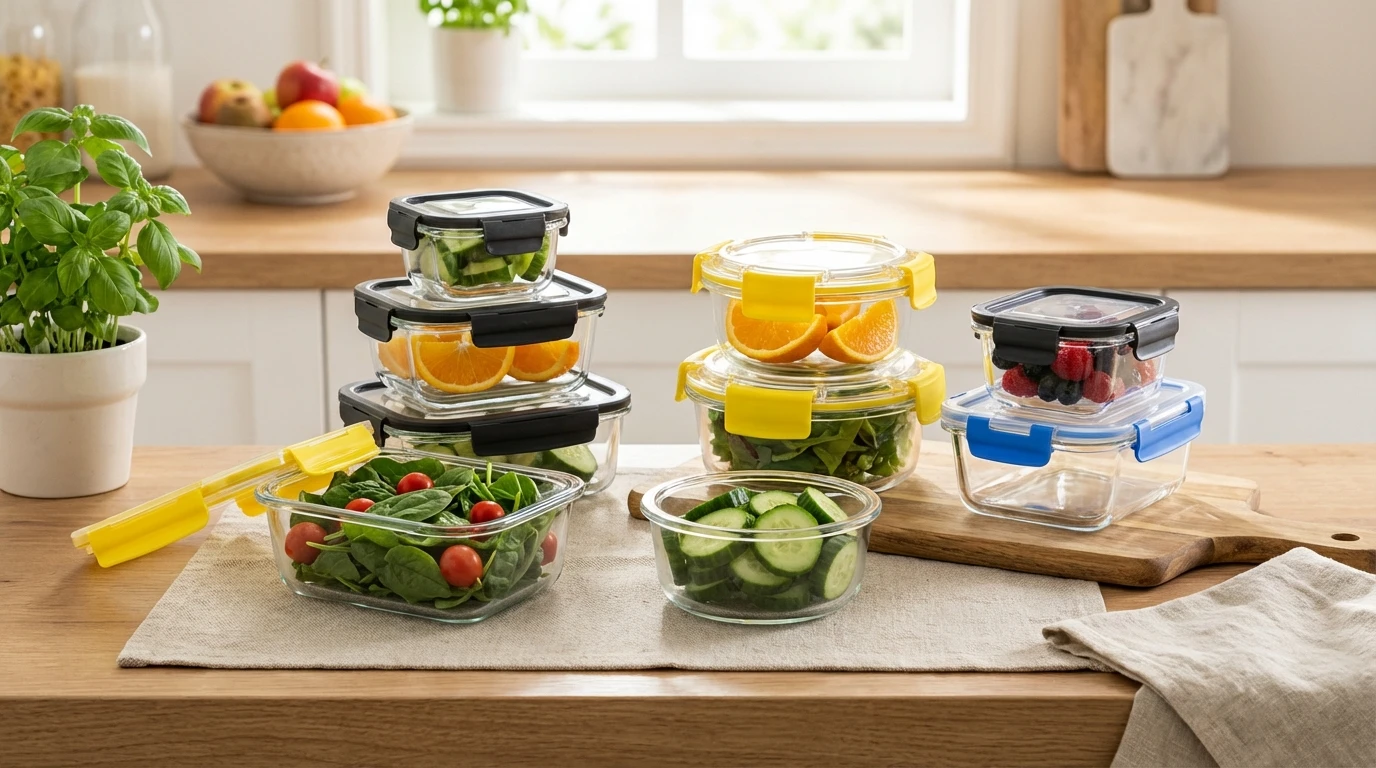
Glass Espresso Cup: Global Impact, Design, and Sustainability Trends
Exploring the Glass Espresso Cup: Design, Industry Impact, and Sustainable Trends
At first glance, a glass espresso cup might just seem like a simple vessel for your daily shot of coffee. But when you really dig in, it emerges as a fascinating intersection of design innovation, material science, and consumer experience. Worldwide, coffee culture isn’t just booming — it’s evolving, and the tools we use, like the glass espresso cup, tell a story about style, sustainability, and sensory delight. Understanding the nuances of this humble item opens doors to better manufacturing, smarter consumption, and a touch of artisanal sophistication wherever you sip.
Global Context: Why the Glass Espresso Cup Matters
Coffee is among the most widely traded commodities globally, with over two billion cups consumed daily (International Coffee Organization). As coffee culture proliferates—from bustling cafes in Milan to workspaces in Tokyo—there’s a big push toward vessels that enhance flavor, respect health standards, and reduce environmental impact. According to ISO’s recent standards on drinkware, glass has become a prime contender because it’s chemically inert, recyclable, and allows for elegant design. However, challenges like fragility and cost still linger, something the industry is keen to resolve.
In practical terms, the glass espresso cup addresses global demands for a product that’s both functional and aesthetically pleasing. You see it in everything from trendy urban coffee shops to hospitality chains aiming to elevate customer experience.
What Exactly Is a Glass Espresso Cup?
Simply put, the glass espresso cup is a specialized drinking vessel crafted from heat-resistant glass, designed to hold the compact, intense 25–30 ml shot of espresso. Unlike ceramic or plastic, glass offers purity of flavor — odd as that might sound — because it doesn’t absorb oils or aromas, preserving the espresso's complex notes better.
Beyond casual usage, these cups are increasingly important in industrial design and hospitality sectors where hygiene, presentation, and durability play critical roles. The rise of borosilicate and tempered glass ensures these cups can withstand thermal shocks, meeting the needs of high-turnover cafes and hotels.
Key Components in Glass Espresso Cups
1. Durability
Since espresso cups endure rapid temperature changes, durability is key. Borosilicate glass, famous for labware, is heat-resistant and less prone to cracks, making it a favorite. Durability also means less waste long-term, a boon for sustainability.
2. Thermal Insulation
Many designs incorporate double walls or thicker glass to insulate heat better, keeping espresso hotter longer without burning fingers. This also enhances the drinking experience — a fine balance between hot aroma release and cool tactile comfort.
3. Size and Volume
Standard espresso cups hold between 60 to 100 milliliters, with the actual espresso shot filling about one-third of that. This leaves room for crema and a bit of air for aroma to develop. Precise sizing ensures consistency in espresso presentation.
4. Aesthetics and Weight
Glass offers sleek transparency that highlights the coffee's rich brown layers and crema. The weight affects handling — lightweight for casual sipping, heavier for premium feel.
Typical Product Specification of a Glass Espresso Cup
| Specification | Detail/Range |
|---|---|
| Material | Borosilicate glass / tempered soda-lime glass |
| Capacity | 60–100 ml total; 25–30 ml espresso shot |
| Thermal Resistance | Up to 260°C (500°F) |
| Dimensions | Height: 6-7 cm; Diameter: 5-6 cm |
| Weight | 40–70 grams per cup |
Global Applications & Use Cases of Glass Espresso Cups
Many may picture glass espresso cups only in chic European cafes, but their use is far more widespread. In Asia’s bustling cafés, especially in cities like Seoul and Shanghai, transparent cups showcase the sensory richness of espresso to an eager customer base. In North America and Australia, specialty coffee roasters emphasize glassware that preserves taste integrity — baristas and enthusiasts swear by it.
Oddly enough, you also find these cups in hospitality industries on cruise ships and hotels that strive to merge luxury with sustainability. Even in remote industrial zones where durability is prized, tempered glass espresso cups help maintain hygiene standards more effectively than alternatives.
Vendor Comparison Table – Glass Espresso Cups
| Vendor | Material Type | Capacity (ml) | Price/Set | Special Features |
|---|---|---|---|---|
| Yinto Glassware | Borosilicate Glass | 80 ml | $22 / 6 pcs | Double-walled, heat resistant |
| PureBrew Co. | Tempered Soda-lime | 90 ml | $18 / 6 pcs | Classic design, stackable |
| GlassArtisans | Borosilicate Glass | 70 ml | $29 / 4 pcs | Handcrafted, unique patterns |
Advantages & Long-Term Value of Glass Espresso Cups
- Flavor Preservation: Glass doesn’t leach flavors or odors, ensuring the purity of espresso.
- Sustainability: Recyclable and often made from eco-friendly materials, glass cups reduce waste compared to single-use alternatives.
- Hygiene: Glass surfaces are non-porous, easier to clean, and less prone to harboring bacteria.
- Customer Experience: The visual clarity and tactile feel enhance the sensory experience of coffee drinking, something savvy baristas count on.
Emotionally, a glass espresso cup can feel like a small luxury, a moment of clarity in a busy day. Trust builds not just on taste but on the confidence that what you’re drinking from is safe, sustainable, and thoughtfully made.
Future Trends & Innovations
The espresso cup isn’t static. Advances in glass production like lightweight yet ultra-strong composites are trending, alongside thermal coatings that maintain temperature without thick walls. Sustainability remains a driver, with many manufacturers exploring glass espresso cup products made from recycled glass.
Digitally, integration of smart sensors embedded in glassware that can track drinking temperature or hydration stats isn’t far off — a notion that feels futuristic but aligns perfectly with consumer demands for data-driven experiences.
Common Challenges & Expert Solutions
Many folks worry about fragility — a glass espresso cup can feel breakable. But advances in borosilicate and tempered glass significantly reduce this risk. Still, cost remains higher than ceramic, prompting ongoing R&D to optimize materials and production techniques for price reduction.
Storage and transport logistics can also be tricky due to breakage concerns, but improved packaging and modular designs are rapidly becoming standard among vendors.
FAQ: Frequently Asked Questions About Glass Espresso Cups
Q1: What makes a glass espresso cup better than ceramic or plastic?
A1: Glass offers the purest flavor experience because it doesn’t absorb aromas or flavors, preserving the espresso’s true taste profile. It’s also more hygienic and often more durable in heat resistance compared to plastic.
Q2: Are glass espresso cups safe for dishwasher and microwave use?
A2: Most borosilicate glass cups are dishwasher-safe and microwave-friendly because they resist thermal shock, but always check manufacturer guidance to avoid damage.
Q3: How do double-walled glass espresso cups help with temperature?
A3: The double-wall design creates an insulating air layer, keeping espresso hot longer while protecting your fingers from heat — a comfort and functional upgrade.
Q4: Can glass espresso cups be customized for branding or design?
A4: Absolutely. Many vendors offer customization, including etching, color tints, and unique glass shapes, ideal for cafes and corporate gifts.
Q5: Where can I buy quality glass espresso cups in bulk?
A5: Vendors like Yinto Glassware provide bulk options, combining durability, design, and affordability, suitable for cafes, restaurants, or events.
Conclusion & Call to Action
In sum, the glass espresso cup is more than just a coffee accessory—it reflects deeper trends in sustainability, aesthetics, and consumer demand for quality. Its blend of heat resistance, flavor preservation, and elegant design means it’s here to stay, whether in your favorite café or your kitchen. Curious to explore the latest in glass espresso cup innovations? Visit our website: https://www.yintoglassware.com for premium selections and expert advice.
Mini takeaway: The modest glass espresso cup packs a punch in sustainability, style, and sensory experience, marking a quiet revolution in coffee culture.
References
-
Ultimate Guide to Choosing Big Glass Storage Containers for Every NeedNewsApr.16,2026
-
Small Glass Lunch Containers Guide for Healthy Meal PrepNewsApr.09,2026
-
Comprehensive Guide to Choosing the Best Storage Containers for Dishes and GlassesNewsApr.07,2026
-
Selecting The Optimal 300ml Food Containers For Your Business NeedsNewsApr.04,2026
-
Discover the Benefits of Durable 3 Cup Glass Food Storage ContainersNewsMar.31,2026
-
Comprehensive Guide to Choosing Superior Glass Divided Food ContainersNewsMar.28,2026
![[Extra Large with Handle] Oven Safe Glass Food Storage Container with Airtight Locking Lid & Handle, Oven Safe Dishwasher Safe](https://images.exportstart.com/images/a1251/extra-larger-glass-container-with-snap-locking-lid-164.webp "[Extra Large with Handle] Oven Safe Glass Food Storage Container with Airtight Locking Lid & Handle, Oven Safe Dishwasher Safe")
![[All Microwave Safe] High Borosilicate Glass Food Storage Container , Oven Safe without Lid, Dishwasher Safe](https://images.exportstart.com/images/a1251/squre-glass-container-with-glass-lid-518.webp "[All Microwave Safe] High Borosilicate Glass Food Storage Container , Oven Safe without Lid, Dishwasher Safe")
![[Sliding Vent PP Lid] Borosilicate Glass Food Storage Containers with Food-grade Plastic Lid, Airtight, Leak Resistant](https://images.exportstart.com/images/a1251/glass-food-storage-container-with-airtight-lid-183.webp "[Sliding Vent PP Lid] Borosilicate Glass Food Storage Containers with Food-grade Plastic Lid, Airtight, Leak Resistant")
![[Large Skylight Glass Lid] Glass Food Storage Container, Oven Safe with Lid, BPA Free, 100% Leak resistant](https://images.exportstart.com/images/a1251/glass-lid-food-storage-container-1-1-196.webp "[Large Skylight Glass Lid] Glass Food Storage Container, Oven Safe with Lid, BPA Free, 100% Leak resistant")
![[Colorful Vent PP Lid] Glass Food Storage Container, BPA Free, Leakproof, Dishwasher Safe](https://images.exportstart.com/images/a1251/002-1-639.webp "[Colorful Vent PP Lid] Glass Food Storage Container, BPA Free, Leakproof, Dishwasher Safe")
![[Color Vent PP Lid] Borosilicate Glass Food Storage Container, Leakproof, Dishwasher Safe](https://images.exportstart.com/images/a1251/1-941.webp "[Color Vent PP Lid] Borosilicate Glass Food Storage Container, Leakproof, Dishwasher Safe")
![[Vacuum AS] Food Storage Container with Pump](https://images.exportstart.com/images/a1251/7-1-397.webp "[Vacuum AS] Food Storage Container with Pump")