 TEL: +86 18903393212
 Email: tina@yintoglassware.com

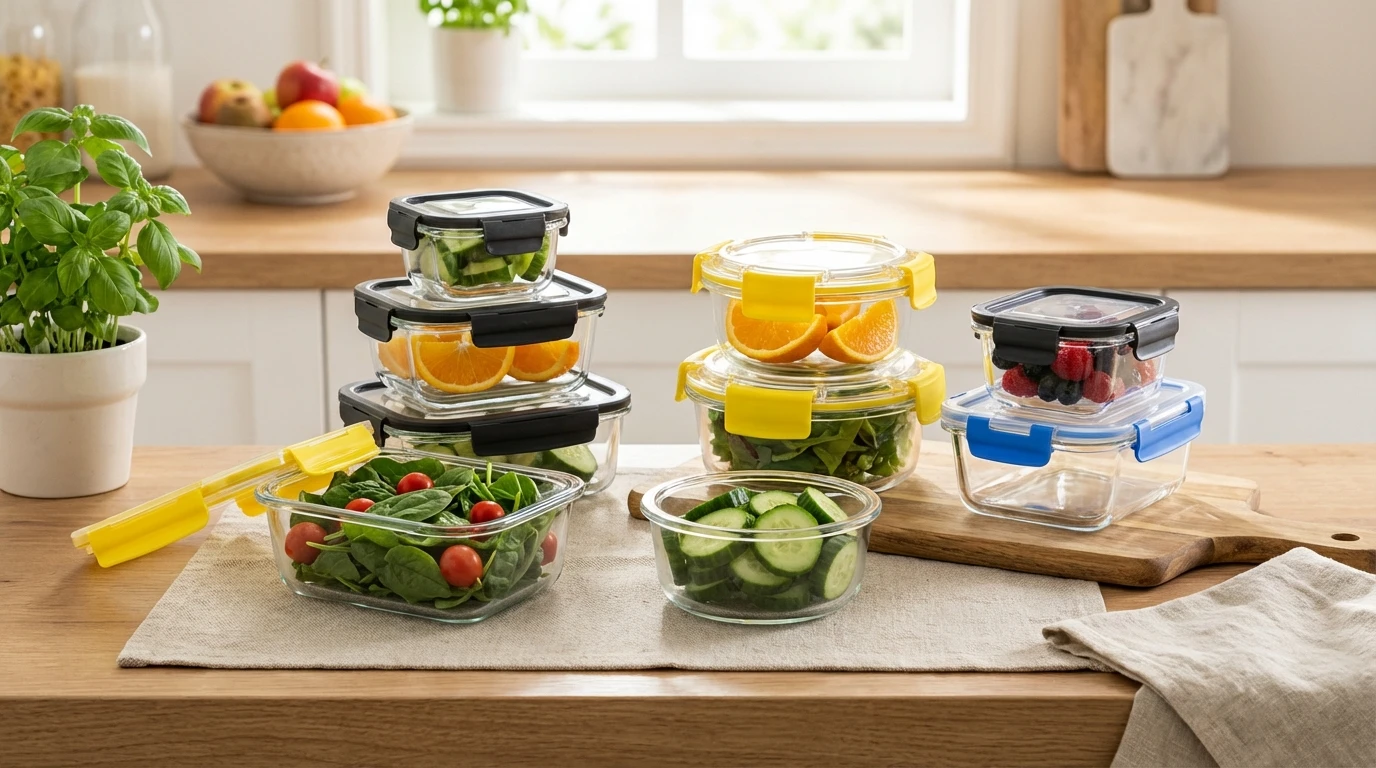
Glass Bottle With Silicone: Durable, Sustainable Packaging for Modern Needs
Understanding the Glass Bottle with Silicone: Durable Innovation for a Sustainable Future
If you’ve ever paused to consider the humble glass bottle, you might not realize how a simple addition like silicone can transform it. The glass bottle with silicone marries two materials to offer enhanced durability, safety, and versatility. Globally, as industries and consumers pivot toward sustainability and reusability, these products have become increasingly relevant. They play a quiet but crucial role—from environmental considerations to industrial applications—showcasing innovation in something as everyday as a bottle.
In this article, we’ll dive into what glass bottles with silicone really are, why they matter on a global scale, and unpack how this combination meets modern needs across sectors. Plus, we’ll look at real-world applications, future trends, and practical insights for anyone curious about this deceptively simple product.
Global Context: Why Glass Bottles with Silicone Matter Today
According to the World Bank, global packaging waste is projected to rise significantly in the next decade, with glass packaging holding a steady share due to its recyclability and safety (1). Yet, glass bottles alone aren’t without drawbacks—they can be fragile and prone to breakage during transport or handling. Enter silicone—flexible, durable, and resistant to temperature extremes.
This combination addresses pressing challenges like waste reduction, product safety, and reuse. Many industries—from beverages to pharmaceuticals—rely on containers that preserve contents without chemical leaching, and silicone coatings or sleeves augment glass in ways plastic simply can’t match sustainably.
What Is a Glass Bottle with Silicone?
Simply put, a glass bottle with silicone is a glass container either coated or wrapped in silicone material. Often, the silicone forms a protective sleeve around the bottle, cushioning it against impact and temperature shocks. Silicone can also seal bottle necks or be part of a cap assembly, offering airtight closures with excellent chemical stability.
It’s this synergy—rigid, inert glass fused with flexible, protective silicone—that suits both modern industrial demands and consumer preferences for reusable, safe packaging.
Key Components and Factors Behind Glass Bottle with Silicone
1. Durability
Glass on its own can shatter, but silicone sleeves or coatings dramatically reduce risk. Silicone absorbs shocks, preventing cracks or chips, making the bottle last far longer in real-world handling.
2. Chemical Resistance
Both glass and silicone resist most chemicals, making these bottles ideal for storing everything from water and oils to sensitive pharmaceuticals.
3. Temperature Tolerance
Silicone withstands extremes of heat and cold without degrading, protecting glass bottles during travel or storage where temperature swings occur.
4. Sustainability
Glass is infinitely recyclable, and silicone is durable enough to extend the bottle’s service life considerably, reducing packaging waste overall.
5. Customization
Silicone can be molded in various colors, textures, and patterns to improve grip, aesthetics, and branding opportunities.
Practical Specifications of a Standard Glass Bottle with Silicone Sleeve
| Feature | Specification |
|---|---|
| Material (Bottle) | Borosilicate or Soda-lime glass |
| Silicone Sleeve Thickness | 2–3 mm |
| Capacity | 250ml, 500ml, 750ml standard sizes |
| Temperature Range | -40°C to 230°C |
| Recyclability | Glass recyclable; silicone reusable |
Global Applications: Where Glass Bottles with Silicone Shine
- Healthcare and Pharmaceuticals: Critical for sterile, chemical-proof, temperature-stable storage.
- Beverage Industry: From artisanal waters to juices, silicone sleeves add protection and style.
- Laboratories: Scientists appreciate the non-reactive nature and durability for sample containment.
- Post-Disaster Relief: Durable, reusable bottles are invaluable where resources are scarce and transport rough.
- Consumer Goods: Reusable bottles with silicone are eco-friendly alternatives to plastic, popular globally.
Oddly enough, it’s often the remote or challenging environments where these bottles truly prove their worth—whether it’s remote industrial zones or humanitarian settings.
Vendor Comparison: Popular Manufacturers of Glass Bottles with Silicone
| Vendor | Product Range | Price Range | Customization |
|---|---|---|---|
| Yinto Glassware | 250ml - 1000ml glass bottles with silicone sleeves | $$-$$$ | Color, logo imprint, sleeve texture |
| SafeSip Solutions | Specialty lab and pharmaceutical bottles | $$$-$$$$ | High customization; sterile packaging |
| EcoBottle Co. | Mass-market reusable bottles | $-$$ | Limited colors; bulk packaging |
Advantages and Long-Term Value of Glass Bottles with Silicone
There’s a real emotional and practical satisfaction in using a glass bottle with silicone. For consumers, it means a safer, comfortable grip and peace of mind about chemicals. For industries, it’s a balance of cost, sustainability, and innovation. The longer lifespan reduces turnover and waste, while silicone’s cleanability ensures hygiene—critical in healthcare and food sectors.
Moreover, these bottles support circular economy goals aligned with ISO standards on sustainable packaging materials (2). That feels like progress, you know?
Future Trends and Innovations
Looking ahead, expect to see more integration of smart technologies—like embedded sensors in silicone sleeves to monitor temperature or bottle integrity. Additive manufacturing could allow rapid customization, and greener silicones derived from bio-based feedstocks are gaining momentum (3).
As digital transformation accelerates, the glass bottle with silicone is poised to stay relevant, evolving beyond a container to an intelligent, sustainable asset.
Challenges and Solutions
Of course, there are challenges: cost of silicone material remains higher than cheap plastics, which may limit adoption in some markets. Also, recycling silicone is trickier than glass, requiring specialized facilities. Experts suggest creating take-back schemes or repurposing silicone sleeves to mitigate this.
Frequently Asked Questions About Glass Bottle with Silicone
- What makes a glass bottle with silicone safer than plastic bottles?
- Unlike plastics, glass doesn’t leach chemicals, and silicone adds a shock-absorbing layer that prevents breakage and protects users from cuts. This combination boosts both health safety and durability.
- Can I use a glass bottle with silicone for hot beverages?
- Yes! Silicone sleeves provide insulation and heat resistance, protecting your hands and keeping the bottle safe up to temperatures around 230°C.
- How recyclable is a glass bottle with silicone?
- Glass itself is highly recyclable multiple times. Silicone sleeves can be reused many times, though they require special recycling processes distinct from glass. Many manufacturers offer guidance or programs for this.
- Are silicone-wrapped glass bottles customizable for branding?
- Definitely. Silicone sleeves can be molded or printed with logos, different colors, and textures, making them great for marketing and product differentiation.
- Where can I buy high-quality glass bottles with silicone sleeves?
- Several vendors like Yinto Glassware specialize in these products, offering customization and a range of sizes suitable for various industries.
Conclusion: Durable, Sustainable, and Ready for Tomorrow
Glass bottles with silicone represent a remarkable synergy of materials that address modern packaging needs—from safety to sustainability. They blend practicality with innovation, ensuring longer product life cycles and less environmental impact. Whether you’re in pharmaceuticals, beverages, or just seeking a reliable reusable bottle, this combination is worth considering.
To explore high-quality options or custom designs, visit https://www.yintoglassware.com and see how they bring this durable innovation to life.
Mini takeaway: The thoughtful pairing of glass and silicone offers a versatile, sustainable packaging solution—one that’s quietly shaping the future of safe consumer and industrial products.
References:
- World Bank, “What a Waste 2.0” report, 2018. https://datatopics.worldbank.org/what-a-waste/
- ISO 18601:2013 - Environmental management — Packaging and the environment — General requirements for the use of ISO standards in the field of packaging and the environment.
- Journal of Green Chemistry, Bio-based silicones: advancements and challenges, 2022.
-
Ultimate Guide to Choosing Big Glass Storage Containers for Every NeedNewsApr.16,2026
-
Small Glass Lunch Containers Guide for Healthy Meal PrepNewsApr.09,2026
-
Comprehensive Guide to Choosing the Best Storage Containers for Dishes and GlassesNewsApr.07,2026
-
Selecting The Optimal 300ml Food Containers For Your Business NeedsNewsApr.04,2026
-
Discover the Benefits of Durable 3 Cup Glass Food Storage ContainersNewsMar.31,2026
-
Comprehensive Guide to Choosing Superior Glass Divided Food ContainersNewsMar.28,2026
![[Extra Large with Handle] Oven Safe Glass Food Storage Container with Airtight Locking Lid & Handle, Oven Safe Dishwasher Safe](https://images.exportstart.com/images/a1251/extra-larger-glass-container-with-snap-locking-lid-164.webp "[Extra Large with Handle] Oven Safe Glass Food Storage Container with Airtight Locking Lid & Handle, Oven Safe Dishwasher Safe")
![[All Microwave Safe] High Borosilicate Glass Food Storage Container , Oven Safe without Lid, Dishwasher Safe](https://images.exportstart.com/images/a1251/squre-glass-container-with-glass-lid-518.webp "[All Microwave Safe] High Borosilicate Glass Food Storage Container , Oven Safe without Lid, Dishwasher Safe")
![[Sliding Vent PP Lid] Borosilicate Glass Food Storage Containers with Food-grade Plastic Lid, Airtight, Leak Resistant](https://images.exportstart.com/images/a1251/glass-food-storage-container-with-airtight-lid-183.webp "[Sliding Vent PP Lid] Borosilicate Glass Food Storage Containers with Food-grade Plastic Lid, Airtight, Leak Resistant")
![[Large Skylight Glass Lid] Glass Food Storage Container, Oven Safe with Lid, BPA Free, 100% Leak resistant](https://images.exportstart.com/images/a1251/glass-lid-food-storage-container-1-1-196.webp "[Large Skylight Glass Lid] Glass Food Storage Container, Oven Safe with Lid, BPA Free, 100% Leak resistant")
![[Colorful Vent PP Lid] Glass Food Storage Container, BPA Free, Leakproof, Dishwasher Safe](https://images.exportstart.com/images/a1251/002-1-639.webp "[Colorful Vent PP Lid] Glass Food Storage Container, BPA Free, Leakproof, Dishwasher Safe")
![[Color Vent PP Lid] Borosilicate Glass Food Storage Container, Leakproof, Dishwasher Safe](https://images.exportstart.com/images/a1251/1-941.webp "[Color Vent PP Lid] Borosilicate Glass Food Storage Container, Leakproof, Dishwasher Safe")
![[Vacuum AS] Food Storage Container with Pump](https://images.exportstart.com/images/a1251/7-1-397.webp "[Vacuum AS] Food Storage Container with Pump")