 TEL: +86 18903393212
 Email: tina@yintoglassware.com

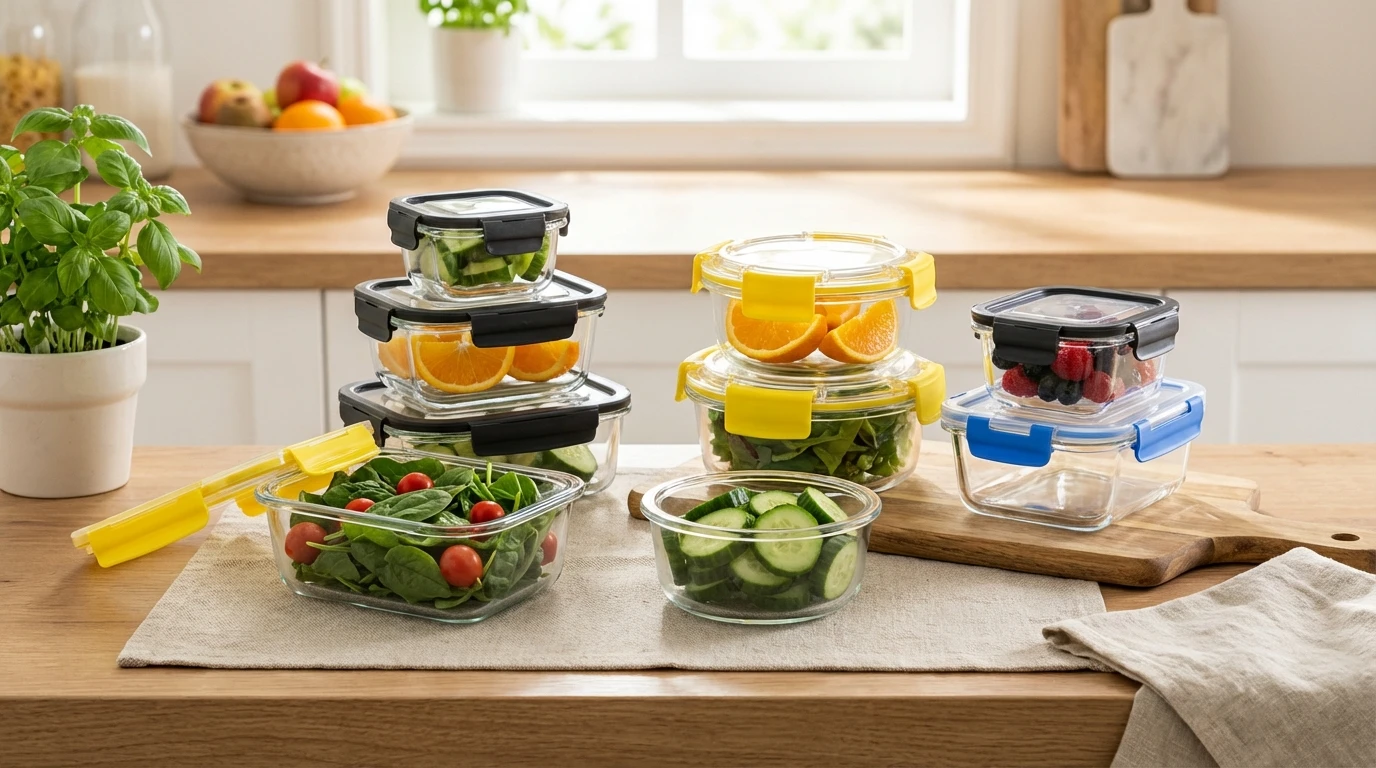
Bulk Glass Storage Containers: Durable, Sustainable Solutions for Global Supply Chains
Understanding Bulk Glass Storage Containers: A Global Perspective
In today’s interconnected world, the way we store and transport goods safely and sustainably matters more than ever. Bulk glass storage containers play a surprisingly pivotal role in this ecosystem. Whether you are in manufacturing, shipping, or even humanitarian relief, these containers are practically everywhere, quietly ensuring materials stay intact, pure, and usable.
But why are bulk glass storage containers so important? For starters, glass is inert — meaning it won’t chemically react with what it holds, making it great for everything from food-grade liquids to sensitive chemicals. And when you scale this up, the need for cost-effective, durable, and safe bulk storage solutions becomes clear on an international level.
Mini takeaway: Bulk glass storage containers, though overlooked, serve as backbone carriers that preserve product quality and support global industry and relief operations.
1. Introduction: The Worldwide Importance of Bulk Glass Storage Containers
Globally, the packaging industry is expected to reach nearly $1 trillion by 2025, and a fair chunk of that involves bulk transport containers for liquids and solids alike. According to ISO 9001 standards, the quality and safety of these containers are crucial to reducing contamination and waste — a challenge especially relevant as regulations tighten in chemical and food industries. In humanitarian sectors, bulk glass storage containers ensure medicines and relief supplies remain safe in crisis zones. The bulk glass storage containers market, therefore, isn’t just about logistics; it’s about sustainability, safety, and trust on a very large scale.
2. What Are Bulk Glass Storage Containers?
Simply put, these are large-scale glass vessels or jars designed to store and transport products in bulk. They come in different shapes and sizes — from cylindrical carboys to rectangular boxes — often reinforced to handle heavy loads and frequent transfers. Unlike plastic or metal, glass containers don’t impart flavors or chemical residues, which makes them indispensable in pharmaceuticals, food & beverage manufacturing, and even cosmetics.
Oddly enough, while glass might seem fragile, engineering developments in tempered or laminated glass now give these containers surprising strength and durability — but more on that in a bit.
3. Key Features of Bulk Glass Storage Containers
Durability & Safety
Tempered glass and thick-walled designs allow bulk glass containers to withstand pressure changes and moderate impacts, making them a reliable choice even in rough transport scenarios. Some feature protective outer coatings or external cages for added security.
Cost Efficiency
Though initial investment might be higher than plastics, glass containers offer longevity, easy cleaning, and reusability, which drastically cuts lifecycle costs — particularly important for large operations shipping chemicals or delicate food products.
Scalability & Customization
Manufacturers create containers in sizes ranging from 5 liters to over 500 liters, with options for custom fittings like valves or temperature control systems. This helps industries tailor solutions precisely to their supply chain needs.
Environmental Sustainability
Glass is entirely recyclable without degradation of quality. This aligns nicely with corporate sustainability goals and regulatory pressures worldwide to reduce plastic waste.
Mini takeaway: Bulk glass storage containers combine safety, cost-efficiency, adaptability, and eco-friendliness — core aspects that make them favored in demanding industries.
4. Real-World Applications and Who Benefits
- Pharmaceuticals: Hospitals and drug manufacturers use bulk glass containers to store sterile solutions safely.
- Food & Beverage: Olive oil producers in Mediterranean countries often rely on large glass vessels for aging and shipping.
- Chemical Industry: Industrial compounds require non-reactive containers to maintain integrity during transport.
- Humanitarian Aid: Organizations like the UN use bulk glass containers to deliver clean water and medicines in post-disaster zones.
- Remote Industrial Zones: Mining sites deploy these for safe chemical storage where harsh conditions prevail.
5. Advantages & Long-Term Value
On the plus side, the impermeability of glass means products maintain their taste, efficacy, or purity longer. Emotionally, there’s a subtle sense of “trust” in glass — it’s a material with a heritage of preserving quality. Socially, replacing plastics with glass in bulk packaging helps reduce environmental pollution. Logically, the durability means fewer replacements and less waste.
6. Product Specification Table
| Specification | Typical Value | Notes |
|---|---|---|
| Material | Borosilicate or tempered soda-lime glass | Chosen for chemical resistance and strength |
| Capacity Range | 5L to 500L+ | Custom sizes available |
| Wall Thickness | 5 - 15 mm | Supports impact resistance |
| Temperature Tolerance | -40°C to 250°C | Suitable for sterilization |
| Recyclability | 100% | Can be recycled endlessly without quality loss |
7. Vendor Comparison Table
| Vendor | Product Range | Average Lead Time | Price Level | Customization |
|---|---|---|---|---|
| Yinto Glassware | 5L to 500L+ containers | 3-5 weeks | Competitive | High (valves, coatings, size) |
| GlassCorp | 10L to 300L | 6-8 weeks | Mid-range | Medium |
| EcoContain | 50L to 1000L (limited types) | 4-6 weeks | Premium | Low |
8. Future Trends & Innovations
Right now, developers are experimenting with hybrid containers — glass lined internally but encased in durable polymers externally — combining the chemical inertness of glass with the impact protection of plastics. There’s also a push towards embedding smart sensors to monitor temperature and contamination levels remotely, which could revolutionize storage in supply chains prone to disruptions.
The industry is increasingly adhering to greener standards, with many companies pledging carbon-neutral production within the next decade. That said, challenges like the energy-intensive process of glassmaking remain central issues to address.
9. Challenges & Expert Solutions
Some difficulties with bulk glass containers include weight and fragility concerns during transport, initial costs, and sometimes limited availability of sizes. However, innovations like shock-absorbing packaging, automated handling robotics, and modular container designs help mitigate these limits.
Eco-conscious users often balance the tradeoff between heavier glass and single-use plastics by emphasizing reusability and recyclability — principles increasingly backed by government policies worldwide.
10. FAQs About Bulk Glass Storage Containers
- Q: How do bulk glass containers compare to plastic in terms of durability?
A: Bulk glass containers are more chemically inert and recyclable but can be heavier and more fragile than plastics. Nowadays, tempered or laminated glass and protective cages significantly increase their durability. - Q: Can customized containers accommodate temperature control?
A: Yes, many bulk glass containers can be fitted with jacketed sleeves or integrated cooling/heating elements to maintain product stability during transport. - Q: Are these containers suitable for food-grade storage?
A: Absolutely. Glass is FDA-approved for food and beverage use and often preferred for taste preservation and purity. - Q: How do NGOs procure these containers internationally for relief efforts?
A: NGOs usually partner with specialized suppliers who handle international logistics, custom certifications, and rapid deployment requirements. Vendors like Yinto Glassware offer support tailored to humanitarian needs.
11. Conclusion & Call to Action
Bulk glass storage containers, with their unmatched chemical resistance, sustainability, and versatility, are set to remain integral in industries around the world. Whether you’re shipping premium olive oils, sensitive pharmaceuticals, or planning large-scale relief deployments, investing in high-quality glass storage means investing in safety, longevity, and environmental responsibility.
If you want to explore reliable bulk glass storage containers and learn how they might improve your operations, don’t hesitate to reach out. The future of sustainable bulk storage could very well be clearer than ever.
It feels like glass, once a traditional material, is experiencing a modern renaissance — thanks to innovation and global need.
References
-
Ultimate Guide to Choosing Big Glass Storage Containers for Every NeedNewsApr.16,2026
-
Small Glass Lunch Containers Guide for Healthy Meal PrepNewsApr.09,2026
-
Comprehensive Guide to Choosing the Best Storage Containers for Dishes and GlassesNewsApr.07,2026
-
Selecting The Optimal 300ml Food Containers For Your Business NeedsNewsApr.04,2026
-
Discover the Benefits of Durable 3 Cup Glass Food Storage ContainersNewsMar.31,2026
-
Comprehensive Guide to Choosing Superior Glass Divided Food ContainersNewsMar.28,2026
![[Extra Large with Handle] Oven Safe Glass Food Storage Container with Airtight Locking Lid & Handle, Oven Safe Dishwasher Safe](https://images.exportstart.com/images/a1251/extra-larger-glass-container-with-snap-locking-lid-164.webp "[Extra Large with Handle] Oven Safe Glass Food Storage Container with Airtight Locking Lid & Handle, Oven Safe Dishwasher Safe")
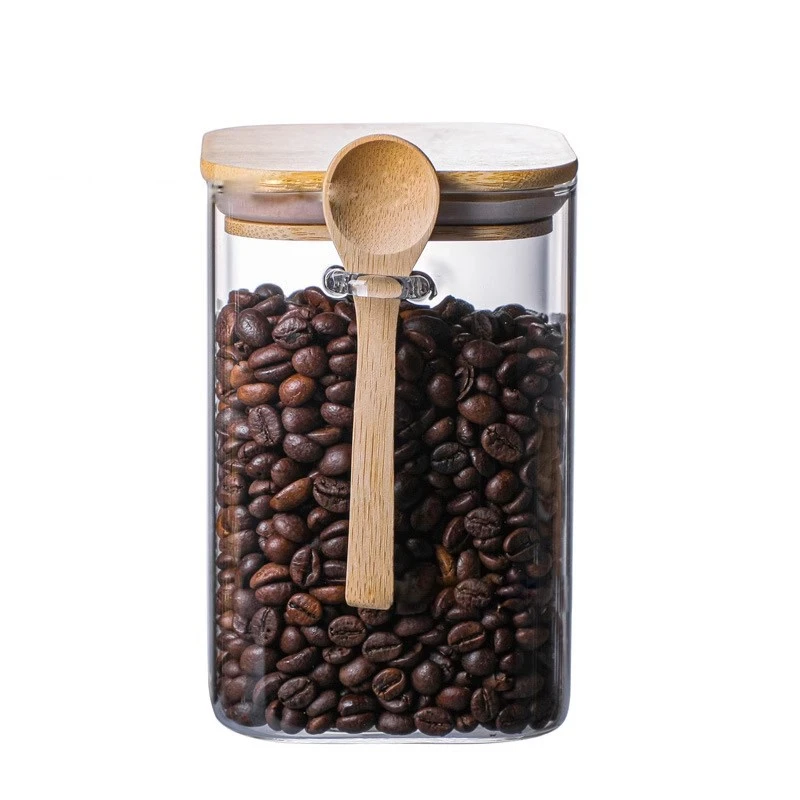
![[All Microwave Safe] High Borosilicate Glass Food Storage Container , Oven Safe without Lid, Dishwasher Safe](https://images.exportstart.com/images/a1251/squre-glass-container-with-glass-lid-518.webp "[All Microwave Safe] High Borosilicate Glass Food Storage Container , Oven Safe without Lid, Dishwasher Safe")
![[Sliding Vent PP Lid] Borosilicate Glass Food Storage Containers with Food-grade Plastic Lid, Airtight, Leak Resistant](https://images.exportstart.com/images/a1251/glass-food-storage-container-with-airtight-lid-183.webp "[Sliding Vent PP Lid] Borosilicate Glass Food Storage Containers with Food-grade Plastic Lid, Airtight, Leak Resistant")
![[Large Skylight Glass Lid] Glass Food Storage Container, Oven Safe with Lid, BPA Free, 100% Leak resistant](https://images.exportstart.com/images/a1251/glass-lid-food-storage-container-1-1-196.webp "[Large Skylight Glass Lid] Glass Food Storage Container, Oven Safe with Lid, BPA Free, 100% Leak resistant")
![[Colorful Vent PP Lid] Glass Food Storage Container, BPA Free, Leakproof, Dishwasher Safe](https://images.exportstart.com/images/a1251/002-1-639.webp "[Colorful Vent PP Lid] Glass Food Storage Container, BPA Free, Leakproof, Dishwasher Safe")
![[Color Vent PP Lid] Borosilicate Glass Food Storage Container, Leakproof, Dishwasher Safe](https://images.exportstart.com/images/a1251/1-941.webp "[Color Vent PP Lid] Borosilicate Glass Food Storage Container, Leakproof, Dishwasher Safe")
![[Vacuum AS] Food Storage Container with Pump](https://images.exportstart.com/images/a1251/7-1-397.webp "[Vacuum AS] Food Storage Container with Pump")