 TEL: +86 18903393212
 Email: tina@yintoglassware.com

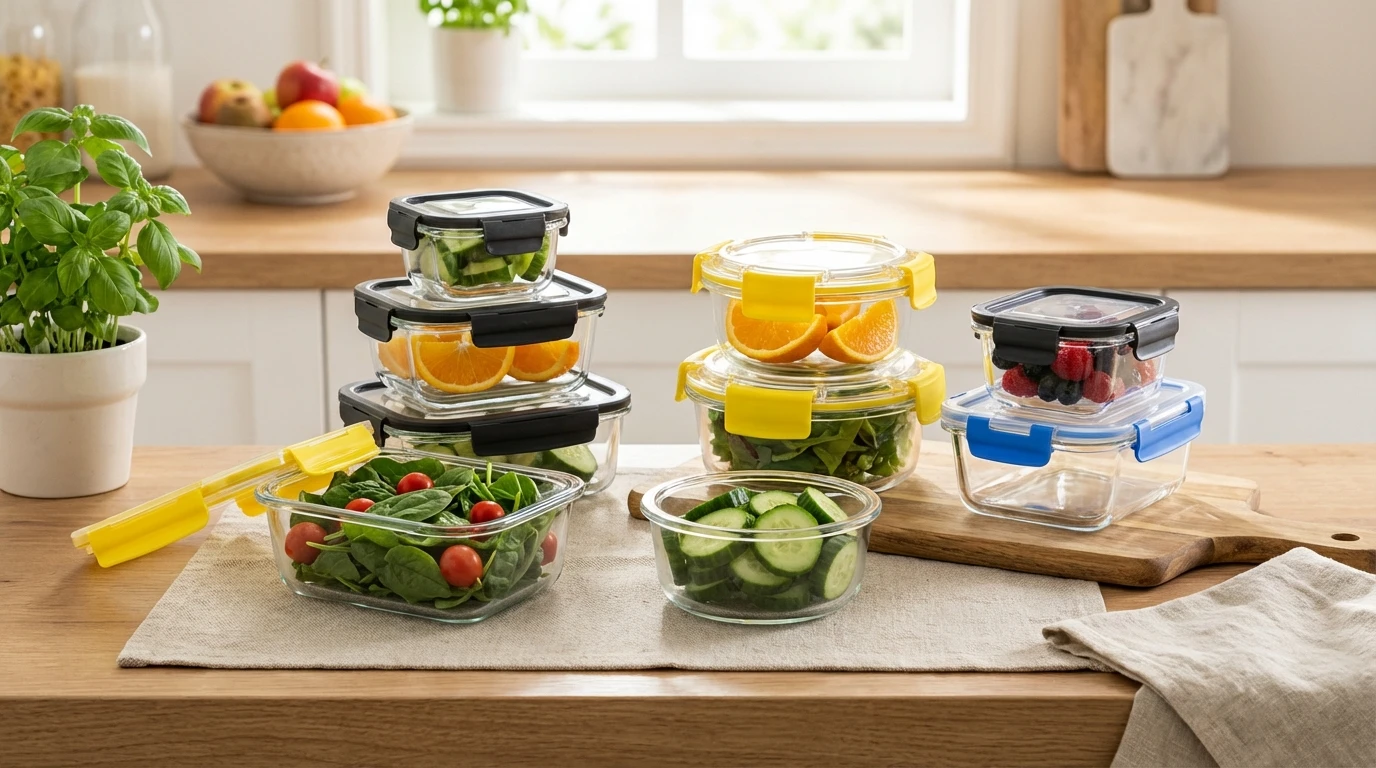
Leading Borosilicate Glass Bottle Manufacturers: Quality, Innovation, and Sustainability
Borosilicate Glass Bottle Manufacturers: A Global Perspective
When you hear “borosilicate glass bottle manufacturers,” what likely comes to mind are those sturdy, often laboratory-grade glass containers. But frankly, their importance stretches far beyond the lab bench. Worldwide, these manufacturers play a pivotal role in shaping safer packaging, sustainable solutions, and innovative products that serve industries from pharmaceuticals to consumer goods.
Understanding the nuances behind these manufacturers is crucial—not just for major corporations sourcing high-quality glassware, but also for humanitarian efforts, industrial innovation, and global sustainability initiatives. After all, a well-made borosilicate bottle can mean safer drug storage in remote clinics or more durable containers for chemicals that keep industries running safely.
Global Industry Context: Why It Matters
Globally, the market for specialized glass bottles, including borosilicate variants, is projected to grow steadily. According to the International Organization for Standardization (ISO) and trade data analyzed by the World Bank, industries reliant on chemical-resistant and heat-stable containers have expanded by nearly 6% annually. This isn't surprising—as consumers demand higher product safety and sustainability, manufacturers that can deliver resistance to thermal shock and chemical corrosion become indispensable.
But the sector faces challenges too, particularly linked to supply chain disruptions and raw material sourcing. In recent years, manufacturers have been under pressure to innovate while maintaining competitive pricing—a classic tug-of-war scenario in manufacturing.
What Exactly Are Borosilicate Glass Bottle Manufacturers?
Simply put, borosilicate glass bottle manufacturers design and produce glass bottles made primarily from borosilicate glass — a special type of glass composed of silica and boron trioxide. This combination grants the glass remarkable resistance to thermal shock and chemical attack. That’s why it’s the chosen material for things like lab glassware, high-end kitchenware, and specialized containers.
These manufacturers blend sophisticated production processes—like precise temperature control during glass melting—with quality assurance tests to ensure durability and purity. In a sense, they provide the backbone for products that require both safety and precision.
Key Factors Behind Borosilicate Glass Bottle Manufacturing
1. Durability and Thermal Resistance
Borosilicate glass can withstand rapid temperature changes that would shatter ordinary glass. This durability is vital not just in labs but also in industrial packaging, where bottles might be exposed to steam sterilization or cold storage.
2. Chemical Stability
These bottles won’t react with most chemicals, preserving contents without contamination or degradation—essential for pharmaceuticals and sensitive chemicals.
3. Scalability of Production
Manufacturers often balance artisanal precision with mass production capabilities. Large-scale extrusions and molding techniques allow production of thousands of bottles daily, without compromising quality.
4. Cost Efficiency
Despite being more expensive to produce than regular glass bottles, borosilicate ones offer long-term savings due to their longevity and reduced breakage rates.
5. Sustainable Manufacturing Practices
Progressive manufacturers now adopt green energy solutions and recycling protocols to reduce carbon footprints—a response to global sustainability trends.
| Specification | Typical Value |
|---|---|
| Thermal Expansion Coefficient | 3.3 × 10⁻⁶ / °C |
| Operating Temperature Range | -70°C to 400°C |
| Chemical Resistance | High (Resistant to acids and bases) |
| Typical Wall Thickness | 1.5 - 3 mm |
| Weight (500ml bottle) | Approx. 180 g |
Global Applications and Use Cases
Borosilicate glass bottle manufacturers serve multiple sectors worldwide. For instance, pharmaceutical companies in Europe heavily invest in these containers to ensure drug integrity. In Asia, especially in countries like India and China, manufacturers provide durable bottles for chemical industries prone to corrosion challenges.
Humanitarian organizations have also found these bottles invaluable. For example, in post-disaster relief operations—think typhoon-ravaged islands or earthquake-hit regions—the need for safe water storage is critical. Borosilicate glass bottles save the day by carrying potable water safely without chemical leaching, preserving dignity and health.
Remote industrial zones, such as mining outposts in South America, rely on borosilicate bottles to transport reagents needed for onsite tests. Their reliability minimizes costly delays and contamination risks.
Vendor Comparison: Leading Borosilicate Glass Bottle Manufacturers
| Vendor | Production Capacity | Sustainability Initiatives | Customizability | Geographic Reach |
|---|---|---|---|---|
| Yinto Glassware | 20,000 bottles/day | Solar-powered furnaces, recycling program | High (size, color, marking) | Worldwide |
| ClearChem Glass | 15,000 bottles/day | Water recycling, eco-packaging | Medium | North America, Europe |
| GlobalGlass Solutions | 25,000 bottles/day | Carbon-neutral goal by 2030 | Limited | Asia-Pacific, Europe |
Advantages and Long-Term Value
One cannot overstate the benefits of high-quality borosilicate glass bottles. Cost-wise, their durability reduces replacement frequency—less breakage means less waste and expenses. Environmentally, many manufacturers aim for recyclable materials and greener production, aligning with global sustainability goals.
On a social level, using safe, chemically inert bottles builds trust with consumers and healthcare providers alike. There’s comfort in knowing the container holding delicate medicines won't leach unknown substances or spoil its contents. It feels like an assurance of safety, dignity, and innovation all wrapped in one.
Future Trends & Innovations
The future looks promising for borosilicate glass bottle manufacturers, especially where sustainability intersects with digital transformation. Innovations like incorporating smart coatings that track contents or breakage, or automation in quality testing, are already seeing pilot phases.
Companies are also investing in greener energy for production plants and experimenting with hybrid materials to improve toughness without sacrificing purity. There’s an emerging push to certify more products under international environmental standards (ISO 14001), which boosts global trust.
Challenges and Expert Solutions
Despite the strengths, some challenges persist. Borosilicate glass manufacturing involves high energy consumption due to elevated melting temperatures. Moreover, the material remains heavier and more fragile than plastic alternatives, sometimes limiting logistics flexibility.
However, many manufacturers counter these issues with innovations such as heat recovery systems, improved furnace designs, and customized packaging solutions to minimize transit damage. There's also active R&D toward thinner, lighter borosilicate formulations without compromising integrity.
FAQs: Common Questions About Borosilicate Glass Bottle Manufacturers
-
Q: How do borosilicate glass bottles compare to traditional glass bottles in price and performance?
A: Borosilicate bottles cost more upfront but outperform standard glass in thermal resistance and chemical stability, leading to lower replacement and contamination risks in the long run. -
Q: Can manufacturers customize borosilicate glass bottles for special industrial needs?
A: Yes, many vendors offer customization in volume, shape, color tinting, and markings to suit specific chemical compatibility or branding requirements. -
Q: Are these bottles recyclable?
A: Absolutely. Borosilicate glass is recyclable and many manufacturers actively participate in recycling schemes, though it requires separate processing from container soda-lime glass. -
Q: How do I source borosilicate glass bottles internationally?
A: Partnering with established exporters like borosilicate glass bottle manufacturers with global shipping experience simplifies import logistics and ensures quality compliance.
Conclusion: Why Borosilicate Glass Bottle Manufacturers Matter in the Long Run
Borosilicate glass bottle manufacturers aren't just suppliers; they're innovators driving safer, more sustainable, and more reliable packaging solutions globally. Whether it’s safeguarding medicines in tropical climates or supporting chemical industries in harsh environments, these manufacturers answer complex challenges through material mastery.
If your business or project depends on superior glass containers, exploring offerings from top manufacturers like borosilicate glass bottle manufacturers is a smart move. Their blend of quality, sustainability, and customization could be the edge you need today—and tomorrow.
— It’s fascinating how a simple bottle can shape industries and impact lives, one molecule at a time.
- ISO 4802-1: Laboratory Glassware Standards, International Organization for Standardization
- World Bank Industry Data: Packaging and Manufacturing Sectors, 2023
- Borosilicate Glass - Wikipedia
-
Ultimate Guide to Choosing Big Glass Storage Containers for Every NeedNewsApr.16,2026
-
Small Glass Lunch Containers Guide for Healthy Meal PrepNewsApr.09,2026
-
Comprehensive Guide to Choosing the Best Storage Containers for Dishes and GlassesNewsApr.07,2026
-
Selecting The Optimal 300ml Food Containers For Your Business NeedsNewsApr.04,2026
-
Discover the Benefits of Durable 3 Cup Glass Food Storage ContainersNewsMar.31,2026
-
Comprehensive Guide to Choosing Superior Glass Divided Food ContainersNewsMar.28,2026
![[Extra Large with Handle] Oven Safe Glass Food Storage Container with Airtight Locking Lid & Handle, Oven Safe Dishwasher Safe](https://images.exportstart.com/images/a1251/extra-larger-glass-container-with-snap-locking-lid-164.webp "[Extra Large with Handle] Oven Safe Glass Food Storage Container with Airtight Locking Lid & Handle, Oven Safe Dishwasher Safe")
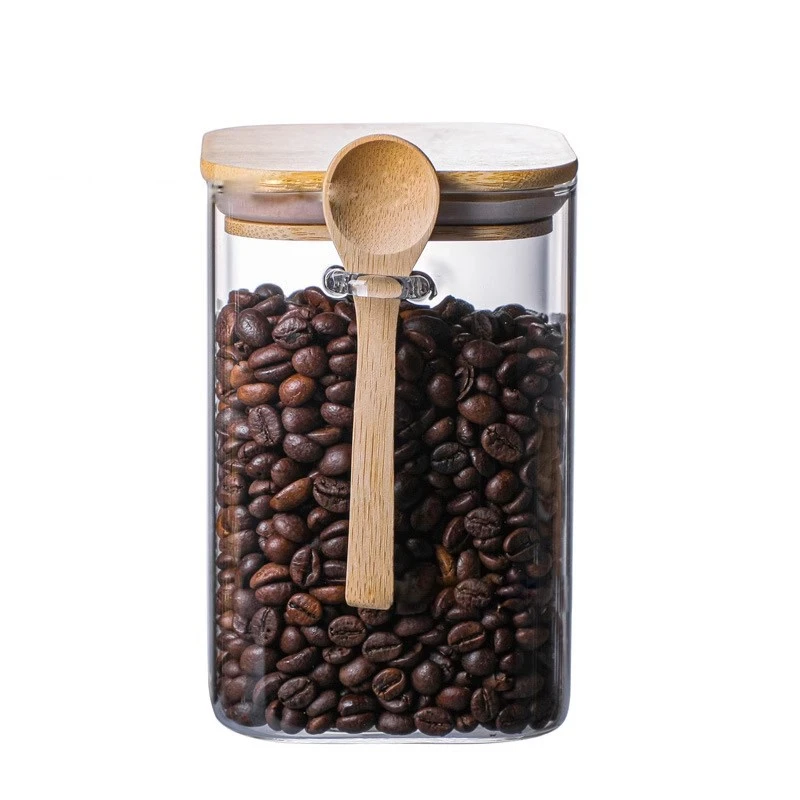
![[All Microwave Safe] High Borosilicate Glass Food Storage Container , Oven Safe without Lid, Dishwasher Safe](https://images.exportstart.com/images/a1251/squre-glass-container-with-glass-lid-518.webp "[All Microwave Safe] High Borosilicate Glass Food Storage Container , Oven Safe without Lid, Dishwasher Safe")
![[Sliding Vent PP Lid] Borosilicate Glass Food Storage Containers with Food-grade Plastic Lid, Airtight, Leak Resistant](https://images.exportstart.com/images/a1251/glass-food-storage-container-with-airtight-lid-183.webp "[Sliding Vent PP Lid] Borosilicate Glass Food Storage Containers with Food-grade Plastic Lid, Airtight, Leak Resistant")
![[Large Skylight Glass Lid] Glass Food Storage Container, Oven Safe with Lid, BPA Free, 100% Leak resistant](https://images.exportstart.com/images/a1251/glass-lid-food-storage-container-1-1-196.webp "[Large Skylight Glass Lid] Glass Food Storage Container, Oven Safe with Lid, BPA Free, 100% Leak resistant")
![[Colorful Vent PP Lid] Glass Food Storage Container, BPA Free, Leakproof, Dishwasher Safe](https://images.exportstart.com/images/a1251/002-1-639.webp "[Colorful Vent PP Lid] Glass Food Storage Container, BPA Free, Leakproof, Dishwasher Safe")
![[Color Vent PP Lid] Borosilicate Glass Food Storage Container, Leakproof, Dishwasher Safe](https://images.exportstart.com/images/a1251/1-941.webp "[Color Vent PP Lid] Borosilicate Glass Food Storage Container, Leakproof, Dishwasher Safe")
![[Vacuum AS] Food Storage Container with Pump](https://images.exportstart.com/images/a1251/7-1-397.webp "[Vacuum AS] Food Storage Container with Pump")