 TEL: +86 18903393212
 Email: tina@yintoglassware.com

Why a Glass Water Bottle With Stainless Steel Cap is the Smart, Sustainable Choice Today
Understanding the Glass Water Bottle With Stainless Steel Cap: An Eco-Friendly Hydration Solution
In a world trending towards environmental mindfulness, the glass water bottle with stainless steel cap stands out as a quietly revolutionary product. For many, it’s simply a better way to carry water; for others, it’s part of a global effort to reduce plastic waste and promote sustainable living. But beyond the buzzwords, what truly makes this product matter, and why are so many industries and individuals adopting it? Let's dive in.
1. Introduction: Why Glass Water Bottles Matter Globally
Globally, the consumption of single-use plastic water bottles has reached staggering levels—according to the United Nations Environment Programme (UNEP), over 300 million tons of plastic are produced annually, much of which ends up polluting oceans and landfills. With the World Bank highlighting water quality and safety as crucial for public health, solutions that combine safety, sustainability, and practicality are desperately needed.
The glass water bottle with stainless steel cap ticks these boxes. It offers a safe, reusable container that avoids chemical leaching seen in some plastics, aligning with increasing consumer and regulatory pressure to reduce plastic pollution. The challenge it addresses? Providing a durable, eco-friendly alternative without compromising on convenience or safety.
Mini Takeaway:
As plastic waste grows, embracing reusable glass bottles with stainless steel caps is a practical step toward global water safety and environmental sustainability.
2. What Exactly is a Glass Water Bottle With Stainless Steel Cap?
Simply put, it’s a drink container made primarily of glass—usually thick borosilicate or soda-lime glass—paired with a lid crafted from stainless steel. The cap often includes a silicone or rubber seal for leak-proof carrying. This design blends purity in material (glass keeps your water tasting fresh and free from toxins) with the robust, corrosion-resistant durability of stainless steel.
Its rise has been fueled by modern lifestyle needs and eco-conscious manufacturing. Industries from outdoor recreation to hospitality and humanitarian organizations rely on such bottles to ensure safe, clean hydration without environmental compromise.
3. Core Components and Key Factors
Durability
Glass bottles naturally carry the risk of breaking, but makers mitigate this by using toughened glass types. Meanwhile, the stainless steel cap resists rust and mechanical wear, extending the product’s lifespan.
Safety & Health
Glass is non-porous and chemically inert, which means no BPA or plasticizers can leach into your drink. Stainless steel caps have similar inertness, offering airtight sealing without contamination risk.
Environmental Impact
Unlike plastic, glass is endlessly recyclable without quality loss; stainless steel is also recyclable but less commonly. The reusable nature combined with recyclable materials minimizes landfill footprint.
User Experience
Glass ensures water tastes pure, with no metallic or plastic aftertaste. The metal screw-on or snap-fit caps provide secure closure, preventing leaks during transit.
Customization & Design
Vendors often offer a broad range of styles, sizes, and color accents, allowing personalization without sacrificing sustainability, which appeals to lifestyle brands and corporate gifting alike.
Mini Takeaway:
The synergy of glass and stainless steel ensures a healthy, sustainable, and practical bottle that fits modern hydration demands.
4. Product Specification Table
| Feature | Specification |
|---|---|
| Material (Bottle) | Borosilicate Glass |
| Cap Material | 304 Stainless Steel with Silicone Seal |
| Capacity | 500ml / 750ml / 1L |
| Temp Range | -20°C to 100°C |
| Weight | Approx. 300g (500ml) |
| Cleaning | Dishwasher Safe (Cap Hand Wash Recommended) |
5. Where Are These Bottles Used? Global Applications & Use Cases
Oddly enough, the places you’d least expect are embracing these bottles: remote industrial zones where plastic waste is tough to manage; disaster relief operations distributing hygienic water containers; corporate wellness programs promoting sustainable habits; and outdoor enthusiasts who appreciate the purity of glass.
For example, NGOs operating in Southeast Asia—regions plagued by plastic pollution—actually prefer glass bottles with stainless steel caps for distributing safe drinking water. In developed countries, high-end cafes and eco-conscious retailers use them as branded merchandise, merging sustainability with marketing.
Mini Takeaway:
This product bridges environmental needs spanning humanitarian aid to lifestyle sectors, showing its surprising versatility.
6. Advantages & Long-Term Value
- Cost Efficiency Over Time: Though initial purchase costs are higher than plastic bottles, durability and repeated use lower long-term expenses.
- Environmental Responsibility: Reduces plastic waste and supports circular economy goals.
- Health & Safety: Eliminates exposure to toxins common in plastics and maintains water taste integrity.
- Emotional Connection: Users often feel empowered by choosing eco-friendly products—kind of a trust badge with sustainability.
7. Future Trends & Innovations
Green energy and circular manufacturing processes are reshaping how glass bottles and stainless components are produced. Innovations include anti-bacterial coatings on caps, smart sensors embedded in lids to monitor hydration, and lightweight borosilicate glass blends for better portability.
Environmental policies worldwide are nudging manufacturers toward transparency in sourcing and recyclability, meaning the glass water bottle with stainless steel cap's footprint will likely get even smaller.
8. Challenges & Solutions
The main roadblock remains glass fragility and user reluctance due to weight. Some brands combat this by adding protective silicone sleeves or developing drop-resistant composite glass. Also, educating consumers on proper care and benefits helps increase adoption.
Vendor Comparison Table
| Vendor | Glass Type | Cap Material | Price Range (USD) | Unique Features |
|---|---|---|---|---|
| Yinto Glassware | Borosilicate | 304 Stainless Steel + Silicone Seal | $12 - $20 | Custom branding, eco packaging |
| ClearHydro | Soda-lime Glass | 316 Stainless Steel | $15 - $25 | Double-wall insulating option |
| EcoSip Bottles | Borosilicate | 304 Stainless Steel | $10 - $18 | Silicone protective sleeves |
9. FAQ About Glass Water Bottles With Stainless Steel Caps
- Q1: Are glass water bottles with stainless steel caps safe for hot beverages?
- Yes, especially those made from borosilicate glass, which can withstand temperatures up to roughly 100°C. However, check if the manufacturer specifies heat safety. The stainless steel caps typically handle temperature well but avoid rapid temperature changes to prevent glass breakage.
- Q2: How do I clean a glass water bottle without damaging the stainless steel cap?
- Most glass bottles are dishwasher safe, but it's best to hand wash the stainless steel cap to preserve the silicone seal and finish. Use mild detergent and rinse thoroughly to prevent any residue.
- Q3: Can glass water bottles with stainless steel caps replace plastic bottles in outdoor activities?
- Absolutely, but with some caution. Protective silicone sleeves or carrying cases reduce breakage risk. Many hikers and campers prefer them precisely for their taste purity and eco-friendly nature.
- Q4: How environmentally friendly are these bottles compared to plastic?
- Glass is 100% recyclable without degradation, unlike many plastics. Combined with stainless steel’s recyclability, this bottle significantly decreases environmental footprint when reused properly, by reducing single-use plastic reliance.
10. Conclusion: A Sustainable Sip Towards a Better Tomorrow
The glass water bottle with stainless steel cap is more than a trendy accessory. It’s a durable, safe, and sustainable hydration choice that aligns with global efforts against plastic pollution and supports human health. While not perfect (glass fragility remains a concern), its advantages in taste, recyclability, and style are compelling enough to warrant wider use.
Considering investing in sustainable solutions? Visit https://www.yintoglassware.com to explore options that blend modern design with environmental respect.
Oddly enough, sometimes the simplest shifts—like switching your bottle—can ripple into meaningful global change.
References
-
Ultimate Guide to Choosing Big Glass Storage Containers for Every NeedNewsApr.16,2026
-
Small Glass Lunch Containers Guide for Healthy Meal PrepNewsApr.09,2026
-
Comprehensive Guide to Choosing the Best Storage Containers for Dishes and GlassesNewsApr.07,2026
-
Selecting The Optimal 300ml Food Containers For Your Business NeedsNewsApr.04,2026
-
Discover the Benefits of Durable 3 Cup Glass Food Storage ContainersNewsMar.31,2026
-
Comprehensive Guide to Choosing Superior Glass Divided Food ContainersNewsMar.28,2026
![[Extra Large with Handle] Oven Safe Glass Food Storage Container with Airtight Locking Lid & Handle, Oven Safe Dishwasher Safe](https://images.exportstart.com/images/a1251/extra-larger-glass-container-with-snap-locking-lid-164.webp "[Extra Large with Handle] Oven Safe Glass Food Storage Container with Airtight Locking Lid & Handle, Oven Safe Dishwasher Safe")
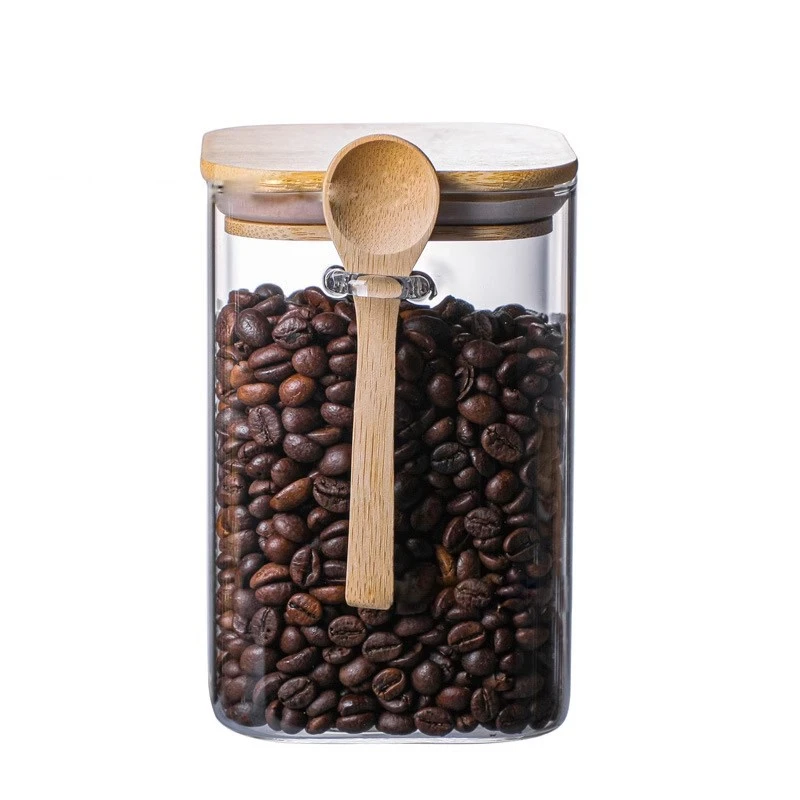
![[All Microwave Safe] High Borosilicate Glass Food Storage Container , Oven Safe without Lid, Dishwasher Safe](https://images.exportstart.com/images/a1251/squre-glass-container-with-glass-lid-518.webp "[All Microwave Safe] High Borosilicate Glass Food Storage Container , Oven Safe without Lid, Dishwasher Safe")
![[Sliding Vent PP Lid] Borosilicate Glass Food Storage Containers with Food-grade Plastic Lid, Airtight, Leak Resistant](https://images.exportstart.com/images/a1251/glass-food-storage-container-with-airtight-lid-183.webp "[Sliding Vent PP Lid] Borosilicate Glass Food Storage Containers with Food-grade Plastic Lid, Airtight, Leak Resistant")
![[Large Skylight Glass Lid] Glass Food Storage Container, Oven Safe with Lid, BPA Free, 100% Leak resistant](https://images.exportstart.com/images/a1251/glass-lid-food-storage-container-1-1-196.webp "[Large Skylight Glass Lid] Glass Food Storage Container, Oven Safe with Lid, BPA Free, 100% Leak resistant")
![[Colorful Vent PP Lid] Glass Food Storage Container, BPA Free, Leakproof, Dishwasher Safe](https://images.exportstart.com/images/a1251/002-1-639.webp "[Colorful Vent PP Lid] Glass Food Storage Container, BPA Free, Leakproof, Dishwasher Safe")
![[Color Vent PP Lid] Borosilicate Glass Food Storage Container, Leakproof, Dishwasher Safe](https://images.exportstart.com/images/a1251/1-941.webp "[Color Vent PP Lid] Borosilicate Glass Food Storage Container, Leakproof, Dishwasher Safe")
![[Vacuum AS] Food Storage Container with Pump](https://images.exportstart.com/images/a1251/7-1-397.webp "[Vacuum AS] Food Storage Container with Pump")