 TEL: +86 18903393212
 Email: tina@yintoglassware.com

The Essential Guide to Silicone Covered Glass Water Bottles: Benefits, Uses, and Innovations
Understanding the Silicone Covered Glass Water Bottle: A Modern Hydration Solution
Water bottles come in all shapes and sizes these days, but one style has really caught my attention—and for good reason—the silicone covered glass water bottle. Why is this a big deal globally? Well, if you've been paying attention to sustainability trends and the push against single-use plastics, this eco-friendly alternative fits perfectly. It combines the purity and taste retention of glass with the durability and grip of silicone—a clever blend of materials that really speaks to modern consumers’ needs and environmental responsibility.
Introduction: Why the Silicone Covered Glass Water Bottle Matters Worldwide
Across the globe, plastic pollution is a huge challenge, widely documented by environmental organizations and forums like the United Nations Environment Programme (UNEP). Every year, millions of tons of plastic waste end up in oceans and landfills, threatening ecosystems and human health. Meanwhile, more people than ever seek reusable water bottles that are safe, durable, and eco-conscious.
The silicone covered glass water bottle fits right into this narrative. It offers an alternative that’s not only reusable but safer for your health since it avoids chemicals that might leach from certain plastics. In fact, according to a 2021 study by the World Health Organization (WHO), reducing plastic waste while promoting access to clean water are crucial global goals. [UNEP, WHO]
So, in short: this product’s importance is both environmental and health-related, and it’s becoming a staple item especially for conscious consumers worldwide.
What Exactly Is a Silicone Covered Glass Water Bottle?
Let’s break it down simply: this is a glass water bottle that comes wrapped in a flexible, protective silicone sleeve. The glass provides a pure, chemical-free container to keep water tasting fresh without any funky flavors, while the silicone offers shock absorption and a non-slip grip. Think of it as marrying style, function, and safety in a single reusable bottle.
These bottles align well with modern demands—not only for daily hydration but also outdoor activities, office use, and even on-the-go lifestyles. Humanitarian organizations sometimes promote them in aid programs due to their reusability and durability as well.
Core Features of the Silicone Covered Glass Water Bottle
Durability
Glass by itself is fragile, but the silicone sleeve protects against bumps and drops, making the bottle less likely to shatter in everyday use. Engineers often highlight how this combo extends product life significantly.
Safety and Purity
Unlike plastic bottles, glass doesn’t leach chemicals when exposed to heat or sunlight, which is a big health plus. Silicone is BPA-free and non-toxic, adding safety without affecting the water.
Eco-Friendliness
Both glass and silicone are more sustainable than petroleum-based plastics. Glass is fully recyclable, and many silicone materials are increasingly recyclable or at least long-lasting.
Design and Customization
Many brands offer these bottles in various colors, sizes, and with features like wide mouths for ice cubes or detachable lids, giving users flexibility for different needs.
Portability and Grip
The soft silicone provides a comfortable hold and protects against slipping, making even a filled bottle easy to carry during hikes, commutes, or workouts.
Mini takeaway: Silicone covered glass water bottles blend safety, durability, and sustainability—an elegant solution to a perennial consumer dilemma.
Product Specifications
| Feature | Specification |
|---|---|
| Material | Borosilicate Glass with Food-Grade Silicone Sleeve |
| Volume Capacity | 350ml - 1000ml |
| Temperature Tolerance | -20°C to 120°C |
| Weight (empty) | Approx. 300g (varies by size) |
| Lid Type | Screw-on, often BPA-free plastic or stainless steel options |
Global Applications and Real-World Use Cases
These bottles are widely embraced across continents—from bustling cities in Europe and North America to eco-conscious communities in Asia and Australia. They turn up in offices, gyms, schools, and increasingly in humanitarian efforts. For instance, in regions where clean water access is spotty, NGOs sometimes distribute such reusable bottles because they’re easy to clean, last long, and reduce contamination risks.
In disaster relief scenarios, having a reliable, safe water container can make a huge difference. There’s also a good deal of appreciation within the outdoor recreation industry; hikers and campers prefer them for their robustness and taste-neutral material.
The growing trend is even visible in corporate wellness programs where employers encourage sustainable practices. Oddly enough, what started mostly as a niche eco product now feels almost mainstream.
Vendor Comparison: Popular Silicone Covered Glass Water Bottles
| Brand | Price Range | Material Quality | Features | Warranty |
|---|---|---|---|---|
| Yinto Glassware | $18 - $35 | Premium borosilicate glass; food-grade silicone | Custom colors, wide mouth, silicone grip | 2 years |
| HydraMate | $20 - $40 | Standard borosilicate glass | Silicone sleeve, multiple lid styles | 1 year |
| EcoSip | $15 - $30 | Recycled glass + recycled silicone | Eco-friendly packaging, minimalist design | Limited warranty |
Advantages & Long-Term Benefits of Silicone Covered Glass Bottles
- Health Safety: No chemical contamination, unlike certain plastics.
- Environmental Impact: Reduced plastic waste, recyclable materials, and durability reduce consumption.
- Economic Value: Durable enough to last years, reducing the need for frequent replacement.
- Emotional Connection: Having a beautiful, safe bottle encourages better hydration habits.
- Social Impact: Encourages greener lifestyles, signaling responsibility and care.
Frankly, it’s more than just a container—it's an everyday piece of environmental mindfulness.
The Road Ahead: Future Trends & Innovations
Looking forward, I suppose the industry will integrate smart features—like temperature indicators embedded in silicone or glass with antimicrobial coatings. Advancements in silicone recycling will also make these bottles even greener. There’s talk of combining solar-powered purification tech, which could transform portable hydration in remote areas.
Manufacturers are increasingly embracing circular economy principles, meaning products designed from sustainable inputs with full lifecycle reuse or recycling in mind.
Challenges & Solutions Around Silicone Covered Glass Water Bottles
Glass weight and fragility are obvious issues, even with silicone. Some users find them heavier than plastic alternatives, and bulky for certain active use cases. Also, silicone recycling isn’t ubiquitous, which slightly dampens environmental gains.
On the flip side, manufacturers address these by using thinner, stronger borosilicate glass, and by innovating lighter but robust silicone formulations. For the recycling gap, companies promote take-back programs or partner with specialized recyclers.
FAQs About Silicone Covered Glass Water Bottles
- Q: How long do silicone covered glass water bottles typically last?
- A: With proper care, these bottles can last several years since silicone protects the glass from minor impacts and scratches. If a bottle breaks, replacement parts or warranty services are often available through manufacturers.
- Q: Are there any health concerns with silicone sleeves?
- A: Food-grade silicone is non-toxic and BPA-free, widely regarded as safe for daily use. It doesn’t leach harmful chemicals, even when exposed to heat or sunlight.
- Q: Can I put hot liquids in a silicone covered glass water bottle?
- A: Yes. Most borosilicate glass bottles tolerate a wide temperature range (typically -20°C to 120°C), and the silicone sleeve adds grip and insulation, but always check specific product guidelines.
- Q: How do I clean and maintain these bottles?
- A: Both glass and silicone are dishwasher safe. For thorough cleaning, remove the sleeve and wash separately, especially to prevent mold or residue buildup under the sleeve.
Conclusion: Why You Should Consider a Silicone Covered Glass Water Bottle
In sum, choosing a silicone covered glass water bottle means opting for health, sustainability, and style all at once. It’s a small change with a meaningful impact, personally and globally. If you’re ready to make the switch, do check out trusted suppliers like silicone covered glass water bottle vendors who prioritize quality and eco-conscious design.
Stay hydrated, responsibly!
Oddly enough, it feels like these bottles are quietly becoming the unsung heroes of eco-friendly daily life.
References:
-
Ultimate Guide to Choosing Big Glass Storage Containers for Every NeedNewsApr.16,2026
-
Small Glass Lunch Containers Guide for Healthy Meal PrepNewsApr.09,2026
-
Comprehensive Guide to Choosing the Best Storage Containers for Dishes and GlassesNewsApr.07,2026
-
Selecting The Optimal 300ml Food Containers For Your Business NeedsNewsApr.04,2026
-
Discover the Benefits of Durable 3 Cup Glass Food Storage ContainersNewsMar.31,2026
-
Comprehensive Guide to Choosing Superior Glass Divided Food ContainersNewsMar.28,2026
![[Extra Large with Handle] Oven Safe Glass Food Storage Container with Airtight Locking Lid & Handle, Oven Safe Dishwasher Safe](https://images.exportstart.com/images/a1251/extra-larger-glass-container-with-snap-locking-lid-164.webp "[Extra Large with Handle] Oven Safe Glass Food Storage Container with Airtight Locking Lid & Handle, Oven Safe Dishwasher Safe")
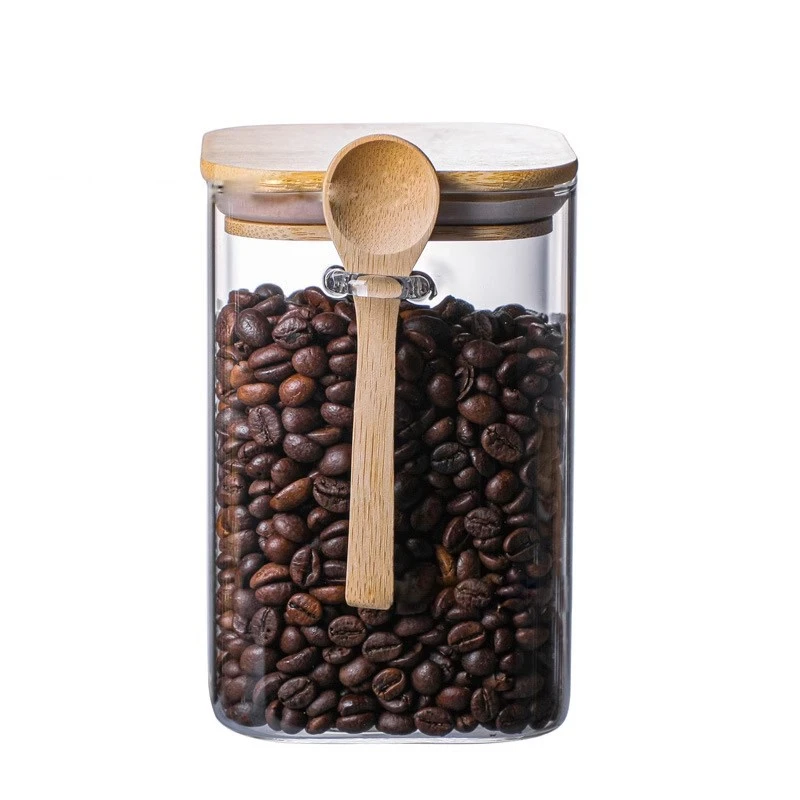
![[All Microwave Safe] High Borosilicate Glass Food Storage Container , Oven Safe without Lid, Dishwasher Safe](https://images.exportstart.com/images/a1251/squre-glass-container-with-glass-lid-518.webp "[All Microwave Safe] High Borosilicate Glass Food Storage Container , Oven Safe without Lid, Dishwasher Safe")
![[Sliding Vent PP Lid] Borosilicate Glass Food Storage Containers with Food-grade Plastic Lid, Airtight, Leak Resistant](https://images.exportstart.com/images/a1251/glass-food-storage-container-with-airtight-lid-183.webp "[Sliding Vent PP Lid] Borosilicate Glass Food Storage Containers with Food-grade Plastic Lid, Airtight, Leak Resistant")
![[Large Skylight Glass Lid] Glass Food Storage Container, Oven Safe with Lid, BPA Free, 100% Leak resistant](https://images.exportstart.com/images/a1251/glass-lid-food-storage-container-1-1-196.webp "[Large Skylight Glass Lid] Glass Food Storage Container, Oven Safe with Lid, BPA Free, 100% Leak resistant")
![[Colorful Vent PP Lid] Glass Food Storage Container, BPA Free, Leakproof, Dishwasher Safe](https://images.exportstart.com/images/a1251/002-1-639.webp "[Colorful Vent PP Lid] Glass Food Storage Container, BPA Free, Leakproof, Dishwasher Safe")
![[Color Vent PP Lid] Borosilicate Glass Food Storage Container, Leakproof, Dishwasher Safe](https://images.exportstart.com/images/a1251/1-941.webp "[Color Vent PP Lid] Borosilicate Glass Food Storage Container, Leakproof, Dishwasher Safe")
![[Vacuum AS] Food Storage Container with Pump](https://images.exportstart.com/images/a1251/7-1-397.webp "[Vacuum AS] Food Storage Container with Pump")