 TEL: +86 18903393212
 Email: tina@yintoglassware.com

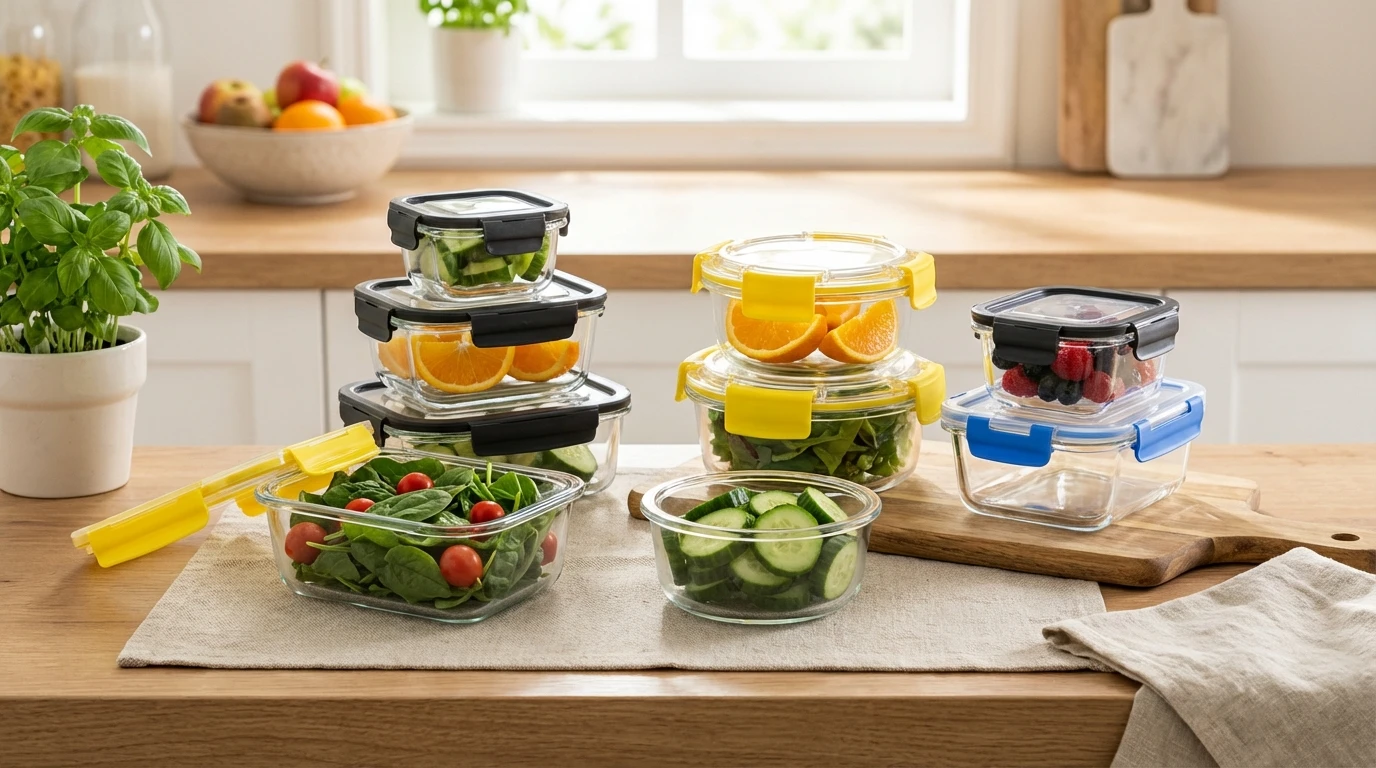
Discover the Versatility and Sustainability of 3 Litre Water Bottle Glass
Why the 3 Litre Water Bottle Glass Matters in Today’s World
In a world where hydration and sustainability often cross paths, the humble 3 litre water bottle glass stands out as a surprisingly pivotal object. You might wonder why such a niche container is getting any spotlight, but when you consider global water consumption, waste reduction, and practical design for emergencies, it all starts to click. From remote communities to urban centers battling plastic pollution, using durable glass water bottles that hold around 3 litres blends convenience and environmental concern.
Understanding this category is more important than it seems. The 3 litre water bottle glass offers an eco-friendly alternative to bulky plastic containers and reusable smaller bottles that don’t always serve larger hydration needs. It also helps industries involved in food and beverage, healthcare, and humanitarian services rethink their packaging while supporting global sustainability goals.
Global Context: Where Does the 3 Litre Water Bottle Glass Fit?
Let’s step back a moment. The World Bank notes about 2.3 billion people live without adequate drinking water, and plastic waste from single-use bottles is choking our oceans yearly (over 300 million tons produced globally each year, with much ending up as pollution). Meanwhile, industries worldwide seek scalable solutions to safe water storage, including bulk bottles that reduce packaging waste.
Glass containers with a 3-litre capacity strike a balance for many. They’re large enough for group use, emergency storage, or industrial purposes but small enough for portability. The glass is inert (so no chemicals leach), reusable, and often recyclable — ticking many environmental and health-conscious checkboxes.
Still, challenges abound: glass is heavier than plastic, fragile if mishandled, and can be costlier upfront. Yet, those hurdles don’t diminish the innovation sprouting around improving design, durability, and transport efficiency.
Mini Takeaway:
- The 3 litre glass water bottle bridges large-capacity needs with eco-friendly and safe storage.
- It addresses significant global issues: water access and plastic pollution.
What Exactly Is a 3 Litre Water Bottle Glass?
Simply put, a 3 litre water bottle glass is a container made from glass designed to hold around three liters (almost 0.8 gallons) of liquid, usually water. Glass here means the traditional soda-lime or borosilicate varieties, known for strength and chemical resistance.
Why 3 litres? This size hits a sweet spot between portability and volume — enough for family hydration or clinical use without being a bulky tank. Often shaped ergonomically, these bottles come with features like airtight screw caps or dispensing taps for easy pouring.
In industry or emergency contexts, these bottles are also favored for their inert quality. Unlike plastic, which can degrade or emit chemicals, glass maintains purity, crucial for medical or long-term storage applications. In disaster zones, having a sturdy 3 litre glass bottle can mean safer water storage, preserving health and dignity.
Key Factors Defining 3 Litre Water Bottle Glass Utility
1. Durability and Material Quality
Although glass may seem fragile, many 3 litre bottles use thick borosilicate glass or are fitted with silicone sleeves to absorb shocks. This drastically improves their field usability, especially in rough terrains or transit.
2. Scalability for Various Uses
From small-scale households to humanitarian NGOs providing clean drinking water, these bottles scale well. They’re reusable, easy to sanitize, and suitable for refilling stations.
3. Cost Efficiency Over Time
Glass costs more upfront but lasts longer, especially since it resists warping or contamination. Over usage cycles, it beats plastic single-use bottles, reducing overall material waste.
4. Design and Ergonomics
Design improvements include wide mouths for easy filling and cleaning, ergonomic handles for carrying, and secure lids to avoid spills. These all make a difference, especially in harsh environments.
5. Environmental Impact
Glass is 100% recyclable without quality loss. In comparison with plastic bottles, this reduces landfill and ocean pollution significantly.
Mini Takeaway:
- Durability and smart design make 3 litre glass bottles surprisingly practical.
- They combine cost, environmental sustainability, and usability efficiently.
Industry and Global Applications of 3 Litre Glass Water Bottles
Practically everywhere, these bottles find opportunities:
- Healthcare: Hospitals use them for sterile water or IV prep liquids.
- Food & Beverage: Artisan drinks, syrups, and bulk waters for events.
- Humanitarian Aid: Post-disaster relief teams utilize them for storing potable water, avoiding plastic reliance.
- Corporate & Residential: Offices and homes adopting refill stations prefer large glass bottles for aesthetics and safety.
- Remote Industrial Zones: Where water supply is irregular but critical, these secure bottles ensure safe storage.
For instance, after recent floods in Southeast Asia, NGOs distributed thousands of 3 litre glass bottles complete with purification kits. Not only did this help in clean water storage, but it also reduced plastic waste, aligning with UN environmental goals.
| Feature | Specification | Notes |
|---|---|---|
| Capacity | 3 Litres (±50 ml) | Standard volumetric tolerance |
| Material | Borosilicate Glass / Soda Lime | Depends on use case, borosilicate preferred for heat resistance |
| Weight (Empty) | ~1.2 kg | Varies by glass thickness |
| Neck Opening | 50 mm diameter | For easy filling and cleaning |
| Closure Type | Screw Cap / Dispensing Tap | Sealing to prevent leakage |
Advantages and the Lasting Value of Choosing Glass
The benefits go beyond just “looking nice.” Using a 3 litre water bottle glass can:
- Cut long-term costs: Reusable glass often means fewer replacements and no chemical leaching.
- Support sustainability: Replace millions of plastic bottles with recyclable, inert glass.
- Improve safety: No off-gassing or microplastics, preserving water purity.
- Enhance dignity: Better packaging in humanitarian settings helps preserve personal dignity and reduces stigma.
It’s a quiet innovation, maybe, but when big industries and communities embrace more sustainable hydration, the ripple effects matter.
Future Trends and What’s Next for 3 Litre Glass Water Bottles
Technology is shifting. We’re seeing:
- Smart glass tech: Bottles with sensors that tell if the water’s clean or the bottle is damaged — handy for medical uses.
- Eco coatings: New, non-toxic coatings that add shatter resistance and antimicrobial properties.
- Manufacturing advances: Faster, more energy-efficient glass blowing tailored to medium-sized bottles.
- Sustainability policies: Governments and NGOs pushing plastic bans often incentivize glass alternatives.
It’s odd how something as simple as “glass bottle size” can reflect much larger trends in hydration, health, and climate responsibility.
Challenges and Smart Solutions
Of course, things aren’t perfect. Glass can break — despite sleeves, it’s heavier and more valuable upfront than plastic. Transport logistics demand care, and some markets view glass as old-fashioned or inconvenient.
How do manufacturers and vendors tackle these? Increasingly through:
- Protective packaging: Silicone or rubber sleeves, cushioning inserts for transport.
- Modular designs: Bottles designed to fit securing racks or crates to avoid jostling damage.
- Industrial partnerships: Collaborating with logistics firms specializing in fragile goods.
- Education: Helping consumers and clients understand long-term savings and ecological benefits.
FAQ: Your Top Questions on 3 Litre Water Bottle Glass
- Q1: Are 3 litre glass water bottles practical for daily use at home or only for industrial settings?
- A: Absolutely practical for homes, especially for families or small offices needing larger volumes of safe drinking water. They can be refilled multiple times, reducing plastic waste significantly, and look great on kitchen counters or meeting rooms.
- Q2: How durable are these bottles for field or emergency relief scenarios?
- A: When paired with silicone sleeves and sturdy caps, 3 litre glass bottles are surprisingly tough. They withstand rough handling common in disaster zones and keep water pure without chemical contamination.
- Q3: Can these bottles be customized for branding or labeling?
- A: Yes. Many manufacturers offer print or etching options for logos, measurement markers, or batch info, making them ideal for promotional or clinical use.
- Q4: How should I clean and maintain a 3 litre glass water bottle?
- A: Most have wide mouths to allow hand washing or dishwasher cleaning. Rinsing regularly, avoiding abrasive materials, and thorough drying extends their life.
- Q5: Are these bottles recyclable if damaged, and what’s the process?
- A: Yes, 100% recyclable through glass recycling facilities. Broken glass is collected, melted, and reformed without loss of quality, minimizing landfill impact.
Conclusion: Why Choose 3 Litre Water Bottle Glass?
To wrap it up, the 3 litre water bottle glass taps into a growing global call for smarter hydration solutions — safer, eco-friendlier, and sufficiently large for diverse needs. It’s a simple container with a surprisingly big role in solving complex issues around water access and pollution. If you’re curious or ready to make a sustainable switch, check out the latest offerings here.
Because sometimes, the smallest changes — or odd-sized bottles — can ripple into massive, positive global impacts.
| Vendor | Material Type | Custom Options | Price Range (USD) | Lead Time |
|---|---|---|---|---|
| Yinto Glassware | Borosilicate & Soda Lime | Logo printing, color sleeves, cap types | $12 - $18 per unit | 2-4 weeks |
| ClearGlass Co. | Soda Lime | Basic color options only | $10 - $14 per unit | 3-5 weeks |
| EcoGlass Solutions | Recycled Glass | Limited branding | $15 - $20 per unit | 4-6 weeks |
References & Credibility Touchstones
-
Ultimate Guide to Choosing Big Glass Storage Containers for Every NeedNewsApr.16,2026
-
Small Glass Lunch Containers Guide for Healthy Meal PrepNewsApr.09,2026
-
Comprehensive Guide to Choosing the Best Storage Containers for Dishes and GlassesNewsApr.07,2026
-
Selecting The Optimal 300ml Food Containers For Your Business NeedsNewsApr.04,2026
-
Discover the Benefits of Durable 3 Cup Glass Food Storage ContainersNewsMar.31,2026
-
Comprehensive Guide to Choosing Superior Glass Divided Food ContainersNewsMar.28,2026
![[Extra Large with Handle] Oven Safe Glass Food Storage Container with Airtight Locking Lid & Handle, Oven Safe Dishwasher Safe](https://images.exportstart.com/images/a1251/extra-larger-glass-container-with-snap-locking-lid-164.webp "[Extra Large with Handle] Oven Safe Glass Food Storage Container with Airtight Locking Lid & Handle, Oven Safe Dishwasher Safe")
![[All Microwave Safe] High Borosilicate Glass Food Storage Container , Oven Safe without Lid, Dishwasher Safe](https://images.exportstart.com/images/a1251/squre-glass-container-with-glass-lid-518.webp "[All Microwave Safe] High Borosilicate Glass Food Storage Container , Oven Safe without Lid, Dishwasher Safe")
![[Sliding Vent PP Lid] Borosilicate Glass Food Storage Containers with Food-grade Plastic Lid, Airtight, Leak Resistant](https://images.exportstart.com/images/a1251/glass-food-storage-container-with-airtight-lid-183.webp "[Sliding Vent PP Lid] Borosilicate Glass Food Storage Containers with Food-grade Plastic Lid, Airtight, Leak Resistant")
![[Large Skylight Glass Lid] Glass Food Storage Container, Oven Safe with Lid, BPA Free, 100% Leak resistant](https://images.exportstart.com/images/a1251/glass-lid-food-storage-container-1-1-196.webp "[Large Skylight Glass Lid] Glass Food Storage Container, Oven Safe with Lid, BPA Free, 100% Leak resistant")
![[Colorful Vent PP Lid] Glass Food Storage Container, BPA Free, Leakproof, Dishwasher Safe](https://images.exportstart.com/images/a1251/002-1-639.webp "[Colorful Vent PP Lid] Glass Food Storage Container, BPA Free, Leakproof, Dishwasher Safe")
![[Color Vent PP Lid] Borosilicate Glass Food Storage Container, Leakproof, Dishwasher Safe](https://images.exportstart.com/images/a1251/1-941.webp "[Color Vent PP Lid] Borosilicate Glass Food Storage Container, Leakproof, Dishwasher Safe")
![[Vacuum AS] Food Storage Container with Pump](https://images.exportstart.com/images/a1251/7-1-397.webp "[Vacuum AS] Food Storage Container with Pump")