 TEL: +86 18903393212
 Email: tina@yintoglassware.com

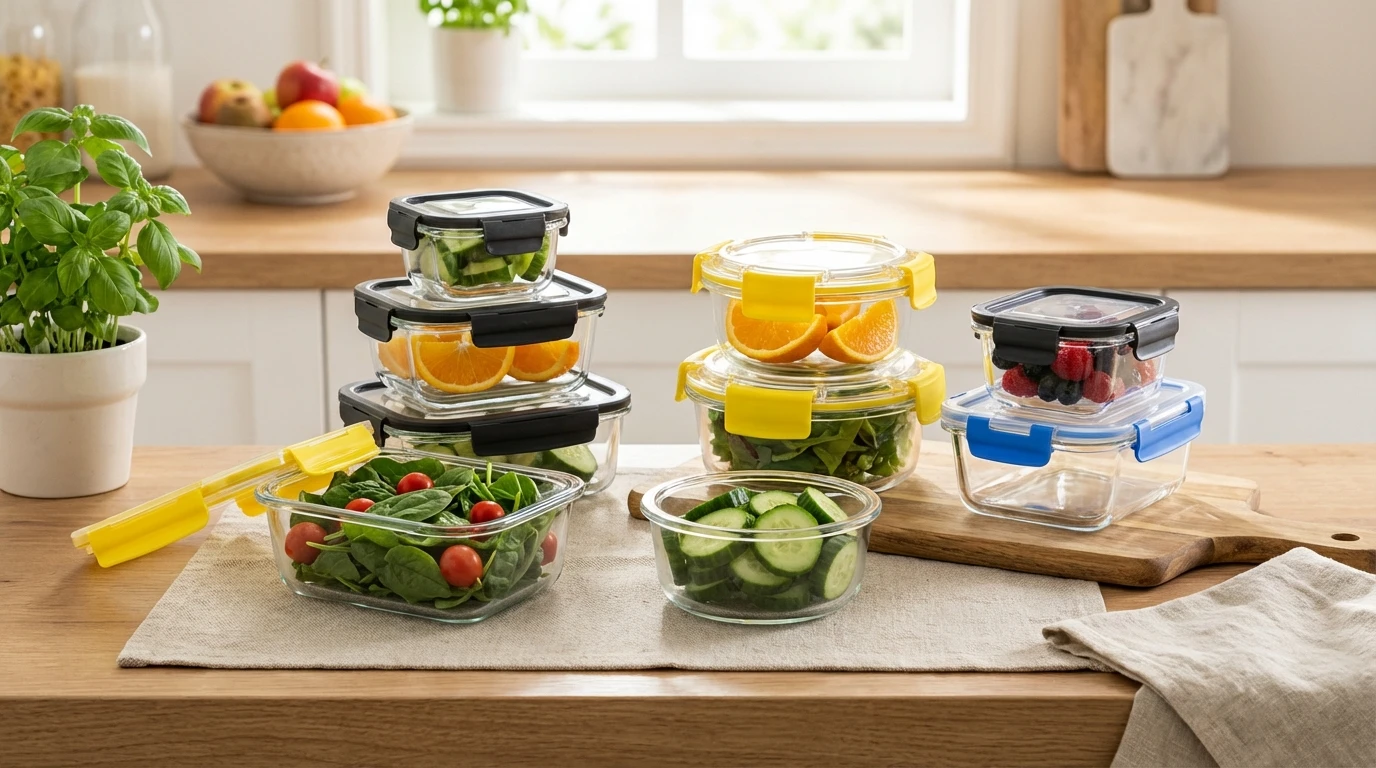
Comprehensive Guide to 1 Liter Bottle Glass | Sustainability & Industry Insights
The Essential Guide to 1 Liter Bottle Glass: Why It Still Matters in Our Modern World
Glass bottles might seem like something from the past in this plastic-heavy era, but the 1 liter bottle glass remains a quietly powerful player worldwide. Understanding this humble container's role is more than just a packaging curiosity — it touches sustainability, industrial use, and even humanitarian efforts. When you think about it, the simplicity of a clear, durable 1 liter glass bottle masks a complex story of innovation, tradition, and environmental impact.
Global Context: Why 1 Liter Glass Bottles Are More Relevant Than You Think
Did you know glass packaging still accounts for roughly 20% of worldwide beverage packaging by volume, according to the International Organization for Standardization (ISO)? That's not a small number. The 1 liter glass bottle, in particular, strikes a balance between volume utility and eco-convenience.
Around 300 million tons of glass are produced globally each year, with much of it recycled — a fact many environmental reports from the United Nations echo as a beacon of hope in waste management. But the challenge is more than just recycling: ensuring quality, durability, and availability even in remote or disaster-affected regions where glass bottles represent safe, renewable containers.
Mini takeaway: The 1 liter glass bottle is more than just packaging — it’s a sustainability tool and an industrial staple recognized worldwide for its versatility.
What Exactly Is a 1 Liter Bottle Glass?
Put simply, a 1 liter bottle glass is a durable, reusable bottle made primarily from glass designed to hold exactly one liter of liquid. This standard size covers everything from bottled water to oils, sauces, and even specialty beverages.
Its importance transcends commercial use — think aid agencies using glass bottles to ship water safely to areas where plastic waste management is a nightmare — proving it’s not just a container but a vehicle for health and sustainability.
Core Aspects of 1 Liter Bottle Glass
Durability and Reusability
Glass is naturally resistant to corrosion, unlike many plastics that degrade or leach chemicals over time. This makes 1 liter bottle glass ideal for multiple usage cycles, which companies increasingly prefer as circular economies gain traction.
Cost Efficiency
While initial production costs might be higher than plastic alternatives, the reusable nature and high recyclability of glass often balance expenses over time, especially in industries emphasizing sustainability compliance.
Scalability and Standardization
The 1 liter volume is widely standardized globally, meaning manufacturers and suppliers can scale up or down production efficiently without compromising logistics or consumer expectations.
Eco-friendliness
Unlike single-use plastics that clog landfills and oceans, glass bottles are infinitely recyclable — UN Environment Programme studies suggest that using recycled glass saves up to 30% energy compared to making new glass from raw materials.
Aesthetic and Brand Perception
Brands often choose glass for its premium feel and clarity, which communicates purity and quality to consumers — an underrated factor in marketing bottled products.
Safety and Purity
Glass doesn’t react with acidic or alkaline contents, ensuring liquids remain uncontaminated and taste remains unaltered.
Mini takeaway: The magic of the 1 liter bottle glass lies in its durability, eco-credentials, and its role as a trusted vessel across industries.
How 1 Liter Bottle Glass is Used Around the World
Globally, industries ranging from food and beverage to pharmaceuticals rely on 1 liter bottle glass. For example:
- Europe and North America: Premium beverage companies prefer glass for juices, wines, and oils due to consumer preference for sustainability and aesthetics.
- Africa and Asia: NGOs deliver clean drinking water in glass bottles to disaster zones or areas with poor sanitation, reducing plastic waste and health risks.
- Industrial zones: Specialty chemicals are often shipped in glass bottles for safety and resistance to contamination.
One notable case: after the 2015 Nepal earthquake, relief agencies used glass bottles extensively for distributing potable water — they were easy to sterilize and cut down on plastic pollution during a crucial recovery phase.
Advantages & Long-Term Value of 1 Liter Bottle Glass
What makes glass truly valuable goes beyond initial impressions:
- Environmental Sustainability: It reduces carbon footprint through repeated reuse and high recyclable rates.
- Consumer Trust: Glass suggests purity, making people feel safer consuming bottled products.
- Economic Benefits: Thanks to durability, companies save on packaging replacements.
- Social Impact: Glass bottles lessen the microplastic crisis which is linked to various health and ecological issues worldwide.
Frankly, the emotional reassurance that glass packaging offers to consumers — it’s tangible, reassuring, and familiar — can’t be overstated in a world craving transparency and safety.
Future Trends & Innovations in 1 Liter Bottle Glass
Many manufacturers are experimenting with lightweight glass, cutting down the carbon footprint linked to transportation. Meanwhile, smart glass technology incorporating QR codes for traceability and anti-counterfeiting is emerging.
There’s also a growing trend towards hybrid solutions — glass combined with sustainable bioplastics to further enhance break-resistance without sacrificing recyclability.
Pushing forward, digitalization and automated manufacturing ensure faster production while meeting strict quality controls, allowing for customization without big cost hikes.
Common Challenges & How the Industry is Addressing Them
Of course, the main gripe with glass bottles is fragility and weight — making them less ideal for some logistics chains. But innovations in tempered glass and innovative packaging designs are mitigating these risks.
Some companies now use modular crating or shock-absorbent packaging to cut shipping damages, while others enhance local glass recycling efforts to reduce raw material dependence.
It's a balancing act, but the direction is clear: glass remains viable, especially as awareness of plastic pollution mounts globally.
Quick FAQ: Your Burning Questions on 1 Liter Bottle Glass
- Q: How does 1 liter bottle glass compare environmentally to plastic bottles?
- A: Glass has a higher initial energy cost but is infinitely recyclable and reusable. Plastics, while lighter, contribute significantly to landfill and ocean pollution. Overall, glass is better long-term for the planet.
- Q: Can glass bottles be customized for branding?
- A: Absolutely. From embossing and screen printing to labels and colored glass, customization options are vast, helping brands stand out while keeping sustainability intact.
- Q: Are 1 liter glass bottles safe for food and beverage storage?
- A: Yes, because glass is chemically inert, it won’t leach toxins — making it ideal for acidic beverages like juice or olive oil, preserving taste and safety.
- Q: Is it feasible to implement glass bottles in developing regions?
- A: Despite higher upfront costs and fragility concerns, NGOs have successfully distributed glass bottles for safe water to disaster areas, combining durability and sustainability with smart logistics.
Product Specs for Popular 1 Liter Bottle Glass Models
| Feature | Standard 1L Glass Bottle | Lightweight Tempered Glass | Eco Hybrid Glass-Plastic |
|---|---|---|---|
| Volume | 1000 ml (±5%) | 1000 ml (±3%) | 1000 ml (±4%) |
| Weight | 450 g | 350 g | 400 g |
| Material | Soda Lime Glass | Tempered Soda Lime | Glass with Bioplastics Sleeve |
| Recyclability | 100% | 100% | 85% |
| Typical Usage | Beverages, Oils | Beverages in Transport-Intensive Markets | Innovative Consumer Goods |
Vendor Comparison: Leading Suppliers of 1 Liter Bottle Glass
| Supplier | Product Quality | Customization | Sustainability Initiatives | Global Reach |
|---|---|---|---|---|
| Yinto Glassware | High | Full Custom Design & Branding | 100% Recycled Glass Use | Asia, Europe, America |
| GlobalGlass Corp | Medium-High | Limited to Standard Shapes | Recycling Programs in Place | Worldwide |
| EcoBottle Solutions | Medium | Custom Colors & Labels | Hybrid Glass-Plastic Products | Europe & North America |
Wrapping Up: Why the 1 Liter Bottle Glass Is Still Worth Your Attention
The 1 liter bottle glass isn’t just a container; it’s a carrier of societal values and practical solutions. From environmental sustainability and industrial standards to its subtle role in humanitarian aid, the 1 liter glass bottle continues to stand the test of time.
Venturing into this space might just mean aligning your brand or mission with one of the most enduring sustainable packaging solutions out there. If you want to explore high-quality glass bottles designed with today’s challenges in mind, why not start here? It’s worth a look.
Mini takeaway: Sustainability, reliability, tradition, and innovation are all bottled up in that simple 1 liter glass container.
-
Ultimate Guide to Choosing Big Glass Storage Containers for Every NeedNewsApr.16,2026
-
Small Glass Lunch Containers Guide for Healthy Meal PrepNewsApr.09,2026
-
Comprehensive Guide to Choosing the Best Storage Containers for Dishes and GlassesNewsApr.07,2026
-
Selecting The Optimal 300ml Food Containers For Your Business NeedsNewsApr.04,2026
-
Discover the Benefits of Durable 3 Cup Glass Food Storage ContainersNewsMar.31,2026
-
Comprehensive Guide to Choosing Superior Glass Divided Food ContainersNewsMar.28,2026
![[Extra Large with Handle] Oven Safe Glass Food Storage Container with Airtight Locking Lid & Handle, Oven Safe Dishwasher Safe](https://images.exportstart.com/images/a1251/extra-larger-glass-container-with-snap-locking-lid-164.webp "[Extra Large with Handle] Oven Safe Glass Food Storage Container with Airtight Locking Lid & Handle, Oven Safe Dishwasher Safe")
![[All Microwave Safe] High Borosilicate Glass Food Storage Container , Oven Safe without Lid, Dishwasher Safe](https://images.exportstart.com/images/a1251/squre-glass-container-with-glass-lid-518.webp "[All Microwave Safe] High Borosilicate Glass Food Storage Container , Oven Safe without Lid, Dishwasher Safe")
![[Sliding Vent PP Lid] Borosilicate Glass Food Storage Containers with Food-grade Plastic Lid, Airtight, Leak Resistant](https://images.exportstart.com/images/a1251/glass-food-storage-container-with-airtight-lid-183.webp "[Sliding Vent PP Lid] Borosilicate Glass Food Storage Containers with Food-grade Plastic Lid, Airtight, Leak Resistant")
![[Large Skylight Glass Lid] Glass Food Storage Container, Oven Safe with Lid, BPA Free, 100% Leak resistant](https://images.exportstart.com/images/a1251/glass-lid-food-storage-container-1-1-196.webp "[Large Skylight Glass Lid] Glass Food Storage Container, Oven Safe with Lid, BPA Free, 100% Leak resistant")
![[Colorful Vent PP Lid] Glass Food Storage Container, BPA Free, Leakproof, Dishwasher Safe](https://images.exportstart.com/images/a1251/002-1-639.webp "[Colorful Vent PP Lid] Glass Food Storage Container, BPA Free, Leakproof, Dishwasher Safe")
![[Color Vent PP Lid] Borosilicate Glass Food Storage Container, Leakproof, Dishwasher Safe](https://images.exportstart.com/images/a1251/1-941.webp "[Color Vent PP Lid] Borosilicate Glass Food Storage Container, Leakproof, Dishwasher Safe")
![[Vacuum AS] Food Storage Container with Pump](https://images.exportstart.com/images/a1251/7-1-397.webp "[Vacuum AS] Food Storage Container with Pump")