 TEL: +86 18903393212
 Email: tina@yintoglassware.com

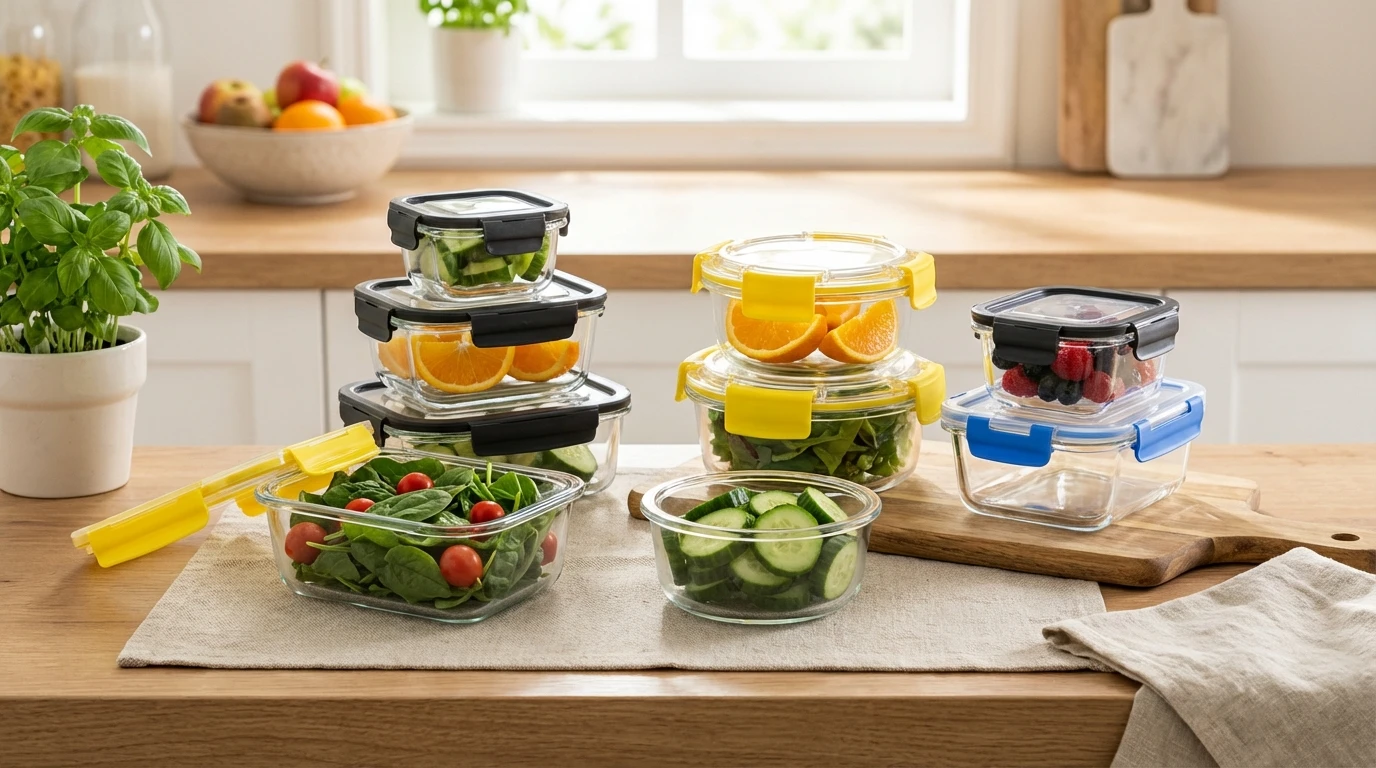
Durable & Eco-Friendly Water Bottle with Bamboo Lid | Sustainable Hydration Solutions
The Rising Popularity of the Water Bottle with Bamboo Lid
Nowadays, the idea of a water bottle with bamboo lid might sound like just another eco-friendly fad, but it actually taps into some larger global needs and trends. With plastic pollution reaching crisis levels—UN reports indicate that about 300 million tons of plastic are produced annually—consumers and industries alike are hunting for sustainable alternatives. Enter the humble water bottle fitted with a natural bamboo lid: a simple innovation that offers function, style, and a marked reduction in environmental footprint.
Understanding this product and its relevance is key—not just because it’s chic or green but because it reflects a wider movement in material science, behavioral change, and manufacturing practices that ripple across markets worldwide.
Mini takeaway: The water bottle with bamboo lid symbolizes a shift toward sustainability in everyday products, addressing both pollution and consumer experience.
Global Context: Why It Matters Today
Across continents, especially in urbanizing regions like Southeast Asia and Latin America, single-use plastics still dominate hydration habits. The World Bank notes that plastic waste often ends up clogging waterways and damaging ecosystems. This has pushed governments, companies, and consumers to rethink packaging and reusable containers.
Even in developed markets, a rise in conscious consumerism means that products like water bottles made with bamboo lids—known for their biodegradability and antibacterial properties—are quickly gaining traction. Bamboo itself is one of the fastest-growing plants globally, with a remarkably low carbon footprint compared to plastics, making it an ideal candidate for sustainable product components.
Yet the challenge remains: how to balance durability, aesthetic appeal, mass production capacity, and costs without compromising the environment. That’s where the innovation behind these water bottles unlocks new solutions.
Mini takeaway: The water bottle with bamboo lid aligns well with global environmental goals and consumer preferences, but production scale and cost remain considerations.
What Exactly Is a Water Bottle with Bamboo Lid?
Put simply, it’s a reusable water container—usually glass or stainless steel—that features a lid made from bamboo instead of plastic or metal. Bamboo lids are often treated to resist moisture and mold, sealing tightly to prevent leaks. The combination offers a stylish, natural look and eco-benefits since bamboo is fully renewable and compostable under the right conditions.
More than just a pretty face, these bottles respond to an industrial demand for green packaging alternatives in sectors such as health & wellness, outdoor gear, and even hospitality. On the humanitarian front, reusable bottles toughened with sustainable materials minimize waste in remote or relief settings where supply chains are fragile.
Mini takeaway: The bamboo lid water bottle is a functional, eco-conscious product ideally suited for industries valuing sustainability and design.
Core Features Defining Water Bottles with Bamboo Lids
1. Durability & Material Integrity
Bamboo lids, especially those combined with tempered glass bottles, offer sturdy resistance to wear. Unlike cheap plastic caps, bamboo doesn’t warp or degrade quickly under sunlight or moisture. Manufacturers usually apply natural oils or sealants for moisture protection to enhance lifespan.
2. Sustainability & Eco-Friendliness
Bamboo grows rapidly—some species can mature in 3-5 years—making it a highly renewable resource. By substituting plastic lids with bamboo, the carbon footprint per bottle decreases substantially. Moreover, bamboo is biodegradable, unlike conventional plastics which linger for centuries.
3. Cost-Effectiveness
Although natural bamboo components can increase initial production costs compared to plastics, there are long-term savings through brand value, consumer loyalty, and potential regulatory advantages (e.g., plastic taxes). Bulk sourcing and improved manufacturing methods continue to bring prices closer to plastic alternatives.
4. Health & Safety Benefits
Bamboo's natural antibacterial properties reduce bacterial growth unpredictably found in synthetic materials. Additionally, bamboo lids avoid the chemical leaching concerns sometimes associated with plastic. This makes them particularly attractive in health-conscious markets.
5. Aesthetic Appeal & Customization
The warm, natural look of bamboo appeals to customers looking for something unique or artisanal. Plus, manufacturers can laser-engrave logos or designs on the lid, making it a favored choice for gifts or branding.
Mini takeaway: Water bottles with bamboo lids marry practical durability with sustainability and style, ticking boxes across consumer priorities.
Where Are These Bottles Making an Impact?
Globally, these bottles find audiences in:
- Outdoor enthusiasts: Durable, biodegradable gear complements eco-tourism and hiking culture.
- Corporate wellness initiatives: Branded bamboo-lid bottles promote sustainability values.
- Humanitarian aid: Used in disaster zones, reusable bottles reduce waste, aiding clean water distribution.
- Hospitality and cafe culture: As cafes pivot away from disposable plastics, bamboo-lid bottles are an elegant alternative.
In real terms, NGOs working in Southeast Asia have reported using bamboo-lid water bottles to distribute safe drinking water, reducing plastic waste by a measurable margin in vulnerable communities.
Mini takeaway: Practical use of bamboo lid water bottles spans recreation, corporate, humanitarian, and hospitality sectors worldwide.
Advantages & Lasting Value of Bamboo-Lid Bottles
- Environmental impact: Enables lower plastic production and waste.
- Consumer trust and brand image: Reflects corporate social responsibility efforts.
- Long-term cost savings: Reduced need for frequent replacements.
- Health safety: Avoids BPA and other contaminants.
- Emotional benefits: Owning a natural product evokes a connection to nature and mindfulness.
Frankly, in a world increasingly wary of single-use plastics and health implications, these bottles represent a lifestyle choice as much as a product purchase.
Looking Ahead: Innovations in Water Bottle Design
Researchers and manufacturers are pushing the envelope:
- Embedding digital tracking—like QR codes on bamboo lids—for hydration reminders or bottle authentication.
- Combining bamboo with bioresins to improve moisture resistance without sacrificing compostability.
- Utilizing automated laser engraving for bespoke, mass-customized designs improving consumer engagement.
- New policies like plastic bans and extended producer responsibility (EPR) frameworks will continue to drive demand.
One area to watch is integration of smart materials that can indicate purity or temperature, blending tech with natural materials seamlessly.
Challenges & How Industry Tackles Them
Of course, nothing’s perfect. Bamboo lids can be more prone to cracking if dropped, and moisture sealing is tricky compared to tight plastic threads. Also, cost and supply chain consistency remain hurdles for wide adoption.
Innovations like reinforcing bamboo fiber with food-safe resins and hybrid sealing methods have helped overcome many issues. Plus, educating consumers on care (e.g., handwashing lids) extends product life significantly.
Product Specification Table
| Feature | Detail |
|---|---|
| Material (Bottle) | Tempered Glass / Stainless Steel |
| Lid Material | Natural Bamboo, food safe sealant |
| Capacity | 350ml – 1000ml (varies by model) |
| Weight | 180g – 320g (depending on size/material) |
| Sealing Mechanism | Silicone gasket for leak-proof seal |
| Care Instructions | Hand wash recommended for lid; dishwasher safe bottle |
Vendor Comparison Table
| Vendor | Price Range (USD) | Customization Options | Bulk MOQ | Lead Time |
|---|---|---|---|---|
| EcoSip Co. | $12 - $18 | Laser engraving, color print | 500 pcs | 3-4 weeks |
| BambooBottle Inc. | $15 - $22 | Custom colors, logo decal | 300 pcs | 2-3 weeks |
| GreenSip Solutions | $11 - $16 | Minimalist, eco-friendly packaging only | 1000 pcs | 4-5 weeks |
FAQ: Frequently Asked Questions About Water Bottles with Bamboo Lids
Q1: Are water bottles with bamboo lids dishwasher safe?
Generally, it’s advised to hand wash the bamboo lid to maintain its moisture resistance and natural finish. The bottle itself, especially if made from tempered glass or stainless steel, is usually dishwasher safe. Over time, the lid might degrade if repeatedly exposed to heat and detergents in a dishwasher.
Q2: How durable are bamboo lids compared to plastic?
Bamboo lids are sturdy but can be more prone to cracking if dropped or exposed to sudden temperature changes. However, with proper care, including gentle washing and avoiding extreme impacts, they can last years. Many users appreciate their natural antibacterial qualities and feel it’s worth a little extra care.
Q3: Can bamboo lids be customized with logos or designs?
Absolutely. Laser engraving is popular and creates sharp, lasting impressions on bamboo lids. Some vendors also offer color printing or decals, though laser etching tends to preserve the eco-friendly aspect better.
Q4: Are bamboo lids truly eco-friendly?
Yes. Bamboo is one of the fastest renewable materials available, requiring little water and no pesticides. Unlike plastic lids, bamboo is biodegradable and compostable when discarded properly. Still, the sustainability depends on manufacturing practices and transport emissions—so buying local or from responsible vendors matters.
Q5: Where can I buy quality water bottles with bamboo lids?
Many vendors specialize in these now, especially those catering to eco-conscious consumers or corporate gifting. For example, visit reputable sites such as water bottle with bamboo lid suppliers that focus on quality, customization, and sustainability.
Wrapping Up: Why Choose a Water Bottle with Bamboo Lid?
In a nutshell, these bottles represent a smart blend of practicality and conscience. They reduce plastic pollution, enhance user experience, and symbolize a commitment to a greener planet. Plus, they’re simply beautiful — that natural bamboo feel is undeniably... grounding.
So if you’re thinking of upgrading your hydration gear or launching a branded sustainable product, a water bottle with a bamboo lid is worth serious thought. Check out offerings like those on our recommended site to see how you can make an impact, one sip at a time.
Mini takeaway: Sustainable hydration is more than a trend—it's an opportunity for brands and consumers to act consciously and stylishly together.
References:
-
Ultimate Guide to Choosing Big Glass Storage Containers for Every NeedNewsApr.16,2026
-
Small Glass Lunch Containers Guide for Healthy Meal PrepNewsApr.09,2026
-
Comprehensive Guide to Choosing the Best Storage Containers for Dishes and GlassesNewsApr.07,2026
-
Selecting The Optimal 300ml Food Containers For Your Business NeedsNewsApr.04,2026
-
Discover the Benefits of Durable 3 Cup Glass Food Storage ContainersNewsMar.31,2026
-
Comprehensive Guide to Choosing Superior Glass Divided Food ContainersNewsMar.28,2026
![[Extra Large with Handle] Oven Safe Glass Food Storage Container with Airtight Locking Lid & Handle, Oven Safe Dishwasher Safe](https://images.exportstart.com/images/a1251/extra-larger-glass-container-with-snap-locking-lid-164.webp "[Extra Large with Handle] Oven Safe Glass Food Storage Container with Airtight Locking Lid & Handle, Oven Safe Dishwasher Safe")
![[All Microwave Safe] High Borosilicate Glass Food Storage Container , Oven Safe without Lid, Dishwasher Safe](https://images.exportstart.com/images/a1251/squre-glass-container-with-glass-lid-518.webp "[All Microwave Safe] High Borosilicate Glass Food Storage Container , Oven Safe without Lid, Dishwasher Safe")
![[Sliding Vent PP Lid] Borosilicate Glass Food Storage Containers with Food-grade Plastic Lid, Airtight, Leak Resistant](https://images.exportstart.com/images/a1251/glass-food-storage-container-with-airtight-lid-183.webp "[Sliding Vent PP Lid] Borosilicate Glass Food Storage Containers with Food-grade Plastic Lid, Airtight, Leak Resistant")
![[Large Skylight Glass Lid] Glass Food Storage Container, Oven Safe with Lid, BPA Free, 100% Leak resistant](https://images.exportstart.com/images/a1251/glass-lid-food-storage-container-1-1-196.webp "[Large Skylight Glass Lid] Glass Food Storage Container, Oven Safe with Lid, BPA Free, 100% Leak resistant")
![[Colorful Vent PP Lid] Glass Food Storage Container, BPA Free, Leakproof, Dishwasher Safe](https://images.exportstart.com/images/a1251/002-1-639.webp "[Colorful Vent PP Lid] Glass Food Storage Container, BPA Free, Leakproof, Dishwasher Safe")
![[Color Vent PP Lid] Borosilicate Glass Food Storage Container, Leakproof, Dishwasher Safe](https://images.exportstart.com/images/a1251/1-941.webp "[Color Vent PP Lid] Borosilicate Glass Food Storage Container, Leakproof, Dishwasher Safe")
![[Vacuum AS] Food Storage Container with Pump](https://images.exportstart.com/images/a1251/7-1-397.webp "[Vacuum AS] Food Storage Container with Pump")