 TEL: +86 18903393212
 Email: tina@yintoglassware.com

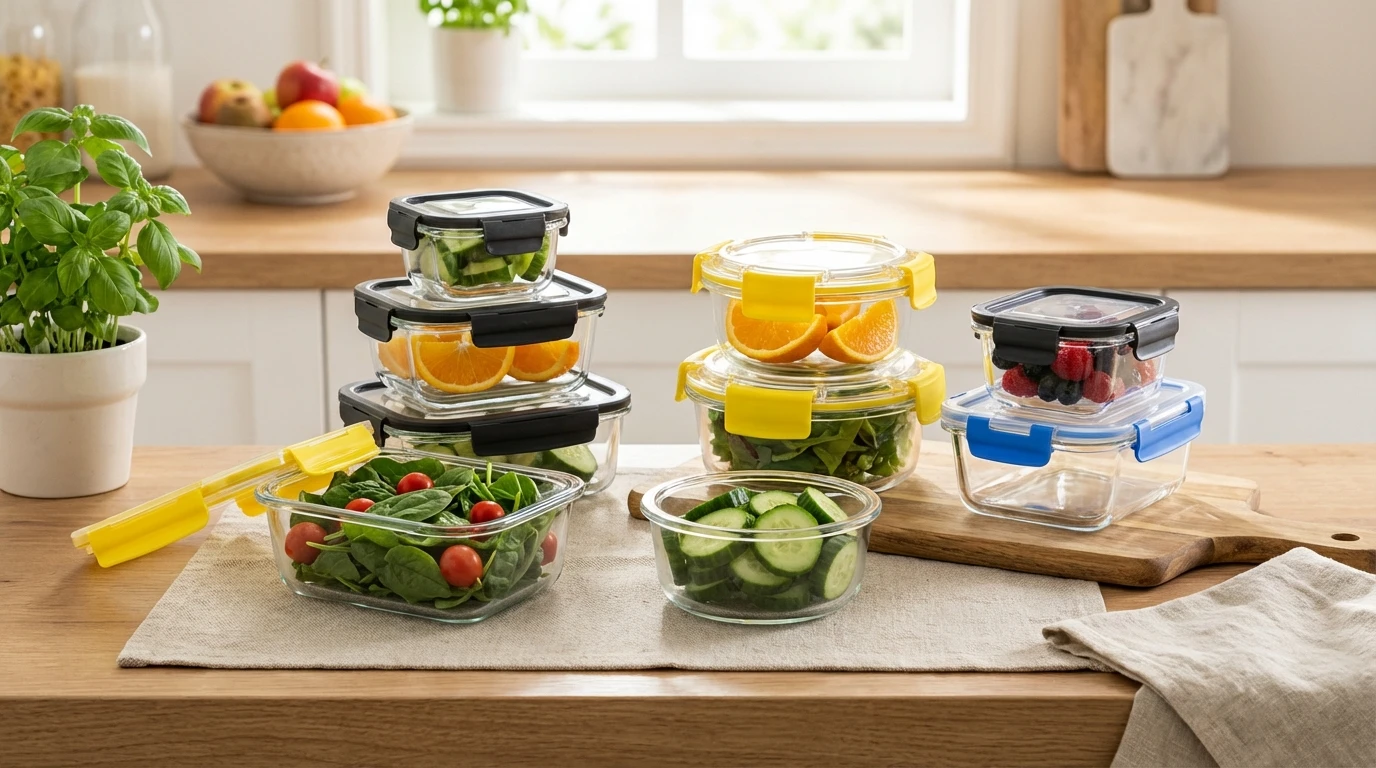
Air Tight Glass Storage Containers | Durable & Customizable Solutions
Air Tight Glass Storage Containers: A Veteran’s Take on Why They Matter
Having spent more than a decade working closely with industrial packaging and storage solutions, I can say that air tight glass storage containers aren’t just trendy kitchen novelties—they were, and still are, vital in countless industrial applications. Oddly enough, what many overlook is how quietly effective these containers can be when it comes to preserving product integrity over time.
In real terms, glass storage vessels have been used since forever, but air tightness? That’s the game changer. Without it, you've got contaminants sneaking in, moisture spoiling sensitive contents, or worse, volatile organic compounds escaping—things we engineers fret over a lot. Many of my colleagues in pharmaceuticals and food processing swear by glass containers with precision-fit silicone seals. They maintain purity and safety better than any plastic alternative I’ve seen.
One story sticks with me: a mid-sized organic spice company was battling rapid flavor loss in their blends. They switched to specialized air tight glass containers, and within months their customer feedback improved dramatically. The subtle but essential feature was that their suppliers could customize container neck sizes and sealing mechanisms to suit different batch volumes—a detail many vendors ignore.
Design and Material Matters
Frankly, the devil’s in the detail. Borosilicate glass is usually the go-to because it withstands thermal shock and chemical corrosion. This type of glass feels denser and heavier—like you can trust it. The seal, typically a silicone or rubber gasket, must be non-reactive, durable, and able to maintain an air tight environment even after repeated opening and closing.
Here’s a quick spec rundown for one of the better models I’ve worked with recently:
| Feature | Specification |
|---|---|
| Material | Borosilicate Glass with Silicone Gasket |
| Capacity | 250 ml / 500 ml / 1000 ml |
| Seal Type | Snap-lock silicone seal, replaceable |
| Temperature Range | -20°C to 150°C |
| Air Tightness | Tested to 99.9% seal integrity |
| Uses | Food, chemicals, pharmaceuticals, spices |
Comparing Top Glass Container Vendors
Now, if you’re in the market, the choices can feel overwhelming. So here’s a little comparison of three vendors I’ve dealt with — with pros and cons that made me raise an eyebrow:
| Vendor | Seal Quality | Customization | Price Range | Lead Time |
|---|---|---|---|---|
| Yinto Glassware | Excellent – 99.9% integrity, replaceable seals | Wide range, custom sizes & colors | Mid-range | 4-6 weeks |
| GlasStor Ltd. | Good – silicone gasket but less durable | Limited to stock sizes | Lower | 2-3 weeks |
| ClearSeal Inc. | Very good, but higher failure rate long-term | Custom sealing solutions available | High | 6-8 weeks |
Why Choose Air Tight Glass Over Plastics?
In my experience, glass is still the gold standard in sectors where purity and long shelf-life matter. Plastic, frankly, might be lighter and cheaper, but it risks chemical leaching, odor retention, and doesn’t handle repeated sterilization well. Air tight glass containers, especially those with high-grade silicone seals, preserve aroma, flavor, and chemical stability like few other options.
I know from some longtime clients that investing in better glass containers has reduced product returns and complaints by a notable margin. Clearly, the upfront cost feels like a pinch, but the payoff? Exceptional.
Also, these containers are often microwave and dishwasher safe, which surprises a few newcomers. One must always verify the silicone gasket quality because a degraded seal instantly defeats the whole purpose.
Anyway, next time you’re evaluating storage options—whether for herbs, chemicals, or even laboratory reagents—remember that air tight glass storage containers pack a punch in terms of durability and preservation. It’s one of those “set and forget” solutions that quietly earns respect the longer you rely on it.
A quick takeaway: quality materials plus proper sealing equals longer storage life with less fuss—kind of the holy grail in industrial packaging.
References:1. “Packaging Materials in Pharmaceutical Industry,” Journal of Industrial Packaging, 2021.
2. Personal field experience, industrial glassware procurement, 2010-2023.
3. Yinto Glassware product and customization specs, 2024.
-
Ultimate Guide to Choosing Big Glass Storage Containers for Every NeedNewsApr.16,2026
-
Small Glass Lunch Containers Guide for Healthy Meal PrepNewsApr.09,2026
-
Comprehensive Guide to Choosing the Best Storage Containers for Dishes and GlassesNewsApr.07,2026
-
Selecting The Optimal 300ml Food Containers For Your Business NeedsNewsApr.04,2026
-
Discover the Benefits of Durable 3 Cup Glass Food Storage ContainersNewsMar.31,2026
-
Comprehensive Guide to Choosing Superior Glass Divided Food ContainersNewsMar.28,2026
![[Extra Large with Handle] Oven Safe Glass Food Storage Container with Airtight Locking Lid & Handle, Oven Safe Dishwasher Safe](https://images.exportstart.com/images/a1251/extra-larger-glass-container-with-snap-locking-lid-164.webp "[Extra Large with Handle] Oven Safe Glass Food Storage Container with Airtight Locking Lid & Handle, Oven Safe Dishwasher Safe")
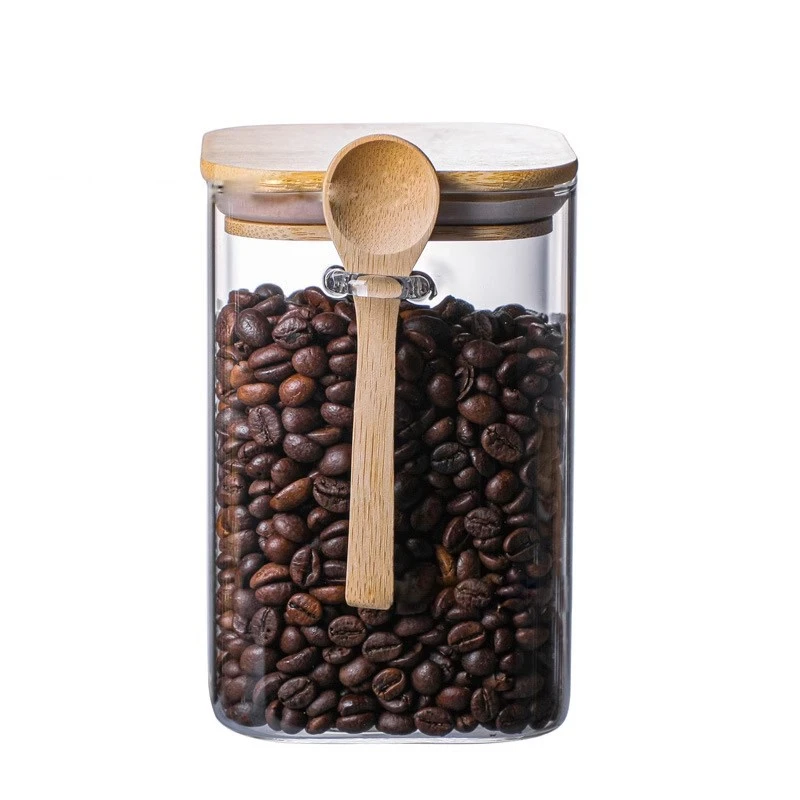
![[All Microwave Safe] High Borosilicate Glass Food Storage Container , Oven Safe without Lid, Dishwasher Safe](https://images.exportstart.com/images/a1251/squre-glass-container-with-glass-lid-518.webp "[All Microwave Safe] High Borosilicate Glass Food Storage Container , Oven Safe without Lid, Dishwasher Safe")
![[Sliding Vent PP Lid] Borosilicate Glass Food Storage Containers with Food-grade Plastic Lid, Airtight, Leak Resistant](https://images.exportstart.com/images/a1251/glass-food-storage-container-with-airtight-lid-183.webp "[Sliding Vent PP Lid] Borosilicate Glass Food Storage Containers with Food-grade Plastic Lid, Airtight, Leak Resistant")
![[Large Skylight Glass Lid] Glass Food Storage Container, Oven Safe with Lid, BPA Free, 100% Leak resistant](https://images.exportstart.com/images/a1251/glass-lid-food-storage-container-1-1-196.webp "[Large Skylight Glass Lid] Glass Food Storage Container, Oven Safe with Lid, BPA Free, 100% Leak resistant")
![[Colorful Vent PP Lid] Glass Food Storage Container, BPA Free, Leakproof, Dishwasher Safe](https://images.exportstart.com/images/a1251/002-1-639.webp "[Colorful Vent PP Lid] Glass Food Storage Container, BPA Free, Leakproof, Dishwasher Safe")
![[Color Vent PP Lid] Borosilicate Glass Food Storage Container, Leakproof, Dishwasher Safe](https://images.exportstart.com/images/a1251/1-941.webp "[Color Vent PP Lid] Borosilicate Glass Food Storage Container, Leakproof, Dishwasher Safe")
![[Vacuum AS] Food Storage Container with Pump](https://images.exportstart.com/images/a1251/7-1-397.webp "[Vacuum AS] Food Storage Container with Pump")