 TEL: +86 18903393212
 Email: tina@yintoglassware.com

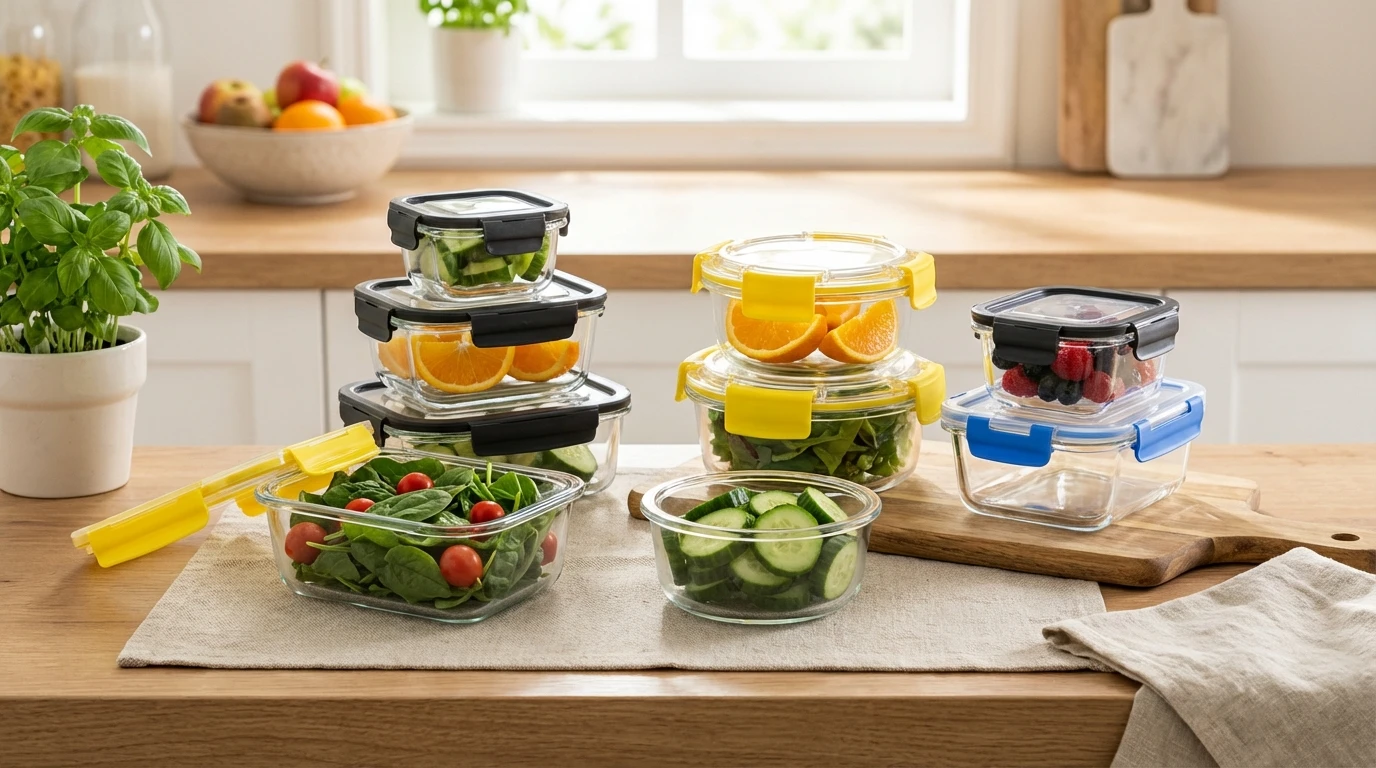
Durable and Eco-Friendly 2 Gallon Glass Water Bottles for Sustainable Storage
The Growing Importance of the 2 Gallon Glass Water Bottle in Today’s World
Water is life, they say. And when it comes to storing and transporting safe drinking water, especially in bulk, the container you choose seriously matters. That’s where the 2 gallon glass water bottle steps in, blending capacity with durability and sustainability. It’s a product that’s quietly reshaping how industries, humanitarian organizations, and eco-conscious consumers handle water needs globally.
Why should you care? Well, beyond simply holding water, these bottles address pressing global concerns — sustainability, contamination risks, plastic pollution, and ease of reuse. Considering UN reports indicate that about 2 billion people presently lack access to safely managed drinking water (source: WHO/UNICEF 2023), packaging and transport solutions that are safe, sustainable, and cost-effective are far from luxury — they’re necessities.
Mini Takeaway: The simple 2 gallon glass water bottle taps into deep issues of health, sustainability, and global access, offering a surprisingly elegant answer to water handling challenges.
Understanding the 2 Gallon Glass Water Bottle: What Is It Exactly?
So, what exactly is a 2 gallon glass water bottle? In everyday terms, it’s a large, reusable vessel made usually from thick, often heat-treated glass, designed to hold roughly 7.6 liters (or 2 US gallons) of liquid. Unlike typical smaller bottles, these are intended for bulk water storage rather than single-serve consumption.
In modern industry and humanitarian scenarios, these bottles serve as both durable containers and eco-friendly alternatives to plastic jugs. Their glass composition means they don’t leach chemicals, maintain water purity over time, and can be sterilized easily. They’re a bridge between household water use and large-scale water distribution systems — handy for offices, remote worksites, disaster relief, and even home filtration setups.
Key Features Driving the Popularity of 2 Gallon Glass Water Bottles
1. Durability
It might surprise you that glass can be tough — especially modern borosilicate options that resist thermal shock and physical impact better than old school fragile glass. Many manufacturers now produce these bottles with reinforced bases and thick walls, extending their lifespan and reducing breakage in rough environments like construction sites or emergency setups.
2. Health & Safety
For some, the idea of glass feels safer than plastic, especially when storing water long term. Glass is non-reactive, so it doesn’t impart tastes or chemicals. This makes it ideal in hospitals, schools, and households prioritizing purity.
3. Sustainability & Reusability
One of the prime reasons eco-conscious users opt for glass over plastic is recyclability—they can be recycled endlessly without quality loss. Also, glass's longevity cuts down waste drastically. Oddly enough, you don’t lose much convenience either; many designs feature ergonomic handles and wide mouths for easier filling and cleaning.
4. Cost Efficiency in the Long Run
Initial costs can be higher compared to plastic alternatives, but when you factor in durability and reuse cycles, glass often proves more cost-effective. Many industries report savings over time thanks to reduced replacement frequency and lower contamination risks.
5. Aesthetic Appeal & Design Flexibility
Beautiful as well as functional, these bottles often feature minimalist design cues and are sometimes used for premium water branding or decorative storage. This crossover between function and form isn’t trivial — it enhances user experience and marketability.
Mini Takeaway: The 2 gallon glass water bottle impresses by balancing strength, health benefits, environmental responsibility, and cost savings — a rare feat for such a simple object.
Global Applications and Case Examples
Where do these water bottles really shine? It’s quite a wide field.
- Post-Disaster Relief: NGOs and UN agencies prefer glass bottles for safe water distribution after floods or earthquakes. Their ability to hold large quantities and ensure no contamination is crucial.
- Industrial & Remote Worksites: Construction crews, mining operations, and agricultural sites often need large, reliable water storage in tough conditions. Glass bottles survive harsh handling better than many plastics.
- Eco-Friendly Homes & Offices: As awareness rises, many households and workplaces have adopted glass jugs for filtered water dispensing, cutting single-use plastic bottle waste.
- Food & Beverage Industry: Some premium water brands leverage large glass bottles to package their products elegantly.
For example, in Southeast Asia, where plastic pollution clogs waterways, using reusable 2 gallon glass water bottles has become part of some government clean water initiatives. Meanwhile, in the US, startups market customized, laser-etched glass water bottles for office hydration.
Product Specification Table
| Specification | Details |
|---|---|
| Capacity | 2 US Gallons (7.57 Liters) |
| Material | Borosilicate Glass (Heat & Impact Resistant) |
| Dimensions | Approx. 14” Height x 10” Diameter |
| Weight (Empty) | ~5.5 lbs (2.5 kg) |
| Closure Type | Leak-proof Screw Cap (Plastic or Metal) |
| Usability | Reusable, Dishwasher Safe, BPA-Free |
Comparing Leading Vendors of 2 Gallon Glass Water Bottles
| Vendor | Material Quality | Price Range | Customization | Lead Time |
|---|---|---|---|---|
| Yinto Glassware | Premium borosilicate, heat treated | $$$ (Bulk Discounts) | Logo engraving & color options | 2-3 weeks |
| ClearVida Supplies | Standard tempered glass | $$ | Basic color lids | 1-2 weeks |
| EcoPure Containers | Recycled glass, slightly thicker | $$$ | Eco-certified branding available | 3-4 weeks |
Advantages and Long-Term Benefits of Using 2 Gallon Glass Water Bottles
It feels like we live in a world ready for change, especially when tackling plastic pollution. Using glass for water storage — particularly in the 2 gallon size — offers a tangible step forward.
- Cost Savings: When you think of the refill cycles, lower breakage rates, and fewer health risks, the economics tend to favor glass in the long run.
- Environmental Impact: Glass is infinitely recyclable and doesn’t degrade into microplastics—a significant plus considering ISO environmental standards.
- Health & Trust: Knowing your water bottle won’t leach toxins builds consumer confidence. People trust glass even when left sitting for hours.
- Emotional Satisfaction: Brand owners and end users report a sense of dignity and premium care linked to these robust, elegant bottles.
Emerging Trends and Innovations in Glass Water Bottles
In the fast-evolving world of sustainable packaging, several exciting trends are powering the future of large glass bottles:
- Smart Glass Technology: Integration of sensors to detect temperature or contamination is becoming a reality, potentially transforming bottles into “connected” containers.
- Green Manufacturing: Lower carbon footprint processes with solar-powered furnaces and recycled glass blends.
- Design Evolution: Modular designs that stack or interlock, helping with storage and transport optimization.
- Policy Push: Governments pushing bans on single-use plastics are indirectly boosting demand for durable glass solutions.
Common Challenges and Practical Solutions
Of course, it’s not all perfect. Glass’s weight can be a hassle in shipping; breakage risk still exists if dropped; and the upfront cost might deter some buyers.
But many users suggest solutions like padded packaging, ergonomic handles, and bulk-order pricing to offset these concerns. Some innovators even embed recycled plastic sleeves around glass for extra shock absorption — a neat hybrid approach.
FAQ: Frequently Asked Questions About 2 Gallon Glass Water Bottles
- Q: How heavy is a 2 gallon glass water bottle when full?
- A: When filled with water, it weighs roughly 22 lbs (10 kg). While heavier than plastic bottles, the robustness and safety compensate in many uses.
- Q: Can I use the bottle for hot liquids?
- A: Borosilicate glass bottles can safely handle warm water up to about 120°C, but avoid sudden temperature shocks like pouring boiling water into a cold bottle.
- Q: Are glass bottles really safer than plastic for water storage?
- A: Yes, glass doesn’t leach chemicals like BPA or phthalates and is inert, meaning it maintains water purity and taste much better over time.
- Q: What's the best cleaning method?
- A: Most 2 gallon glass bottles are dishwasher safe. For thorough cleaning, use mild detergent and a long bottle brush. Avoid abrasive cleaners that might scratch the glass.
- Q: Can these bottles be customized for branding?
- A: Definitely. Many vendors offer screen printing, etching, or colored caps to help businesses promote their image.
Wrapping up: Why the 2 Gallon Glass Water Bottle Still Matters
Looking ahead, the 2 gallon glass water bottle remains a quietly powerful element in our approach to water storage and sustainability. It’s practical, durable, and speaks to a future where reuse and eco-awareness aren’t just nice ideas — but everyday choices.
If you’re curious or ready to upgrade your water storage game, visit our website to find out how these bottles can fit into your industry, home, or mission.
Mini takeaway: Sometimes, simple solutions like a robust 2 gallon glass water bottle can have outsized impacts on health, community, and environment.
References & Further Reading
-
Ultimate Guide to Choosing Big Glass Storage Containers for Every NeedNewsApr.16,2026
-
Small Glass Lunch Containers Guide for Healthy Meal PrepNewsApr.09,2026
-
Comprehensive Guide to Choosing the Best Storage Containers for Dishes and GlassesNewsApr.07,2026
-
Selecting The Optimal 300ml Food Containers For Your Business NeedsNewsApr.04,2026
-
Discover the Benefits of Durable 3 Cup Glass Food Storage ContainersNewsMar.31,2026
-
Comprehensive Guide to Choosing Superior Glass Divided Food ContainersNewsMar.28,2026
![[Extra Large with Handle] Oven Safe Glass Food Storage Container with Airtight Locking Lid & Handle, Oven Safe Dishwasher Safe](https://images.exportstart.com/images/a1251/extra-larger-glass-container-with-snap-locking-lid-164.webp "[Extra Large with Handle] Oven Safe Glass Food Storage Container with Airtight Locking Lid & Handle, Oven Safe Dishwasher Safe")
![[All Microwave Safe] High Borosilicate Glass Food Storage Container , Oven Safe without Lid, Dishwasher Safe](https://images.exportstart.com/images/a1251/squre-glass-container-with-glass-lid-518.webp "[All Microwave Safe] High Borosilicate Glass Food Storage Container , Oven Safe without Lid, Dishwasher Safe")
![[Sliding Vent PP Lid] Borosilicate Glass Food Storage Containers with Food-grade Plastic Lid, Airtight, Leak Resistant](https://images.exportstart.com/images/a1251/glass-food-storage-container-with-airtight-lid-183.webp "[Sliding Vent PP Lid] Borosilicate Glass Food Storage Containers with Food-grade Plastic Lid, Airtight, Leak Resistant")
![[Large Skylight Glass Lid] Glass Food Storage Container, Oven Safe with Lid, BPA Free, 100% Leak resistant](https://images.exportstart.com/images/a1251/glass-lid-food-storage-container-1-1-196.webp "[Large Skylight Glass Lid] Glass Food Storage Container, Oven Safe with Lid, BPA Free, 100% Leak resistant")
![[Colorful Vent PP Lid] Glass Food Storage Container, BPA Free, Leakproof, Dishwasher Safe](https://images.exportstart.com/images/a1251/002-1-639.webp "[Colorful Vent PP Lid] Glass Food Storage Container, BPA Free, Leakproof, Dishwasher Safe")
![[Color Vent PP Lid] Borosilicate Glass Food Storage Container, Leakproof, Dishwasher Safe](https://images.exportstart.com/images/a1251/1-941.webp "[Color Vent PP Lid] Borosilicate Glass Food Storage Container, Leakproof, Dishwasher Safe")
![[Vacuum AS] Food Storage Container with Pump](https://images.exportstart.com/images/a1251/7-1-397.webp "[Vacuum AS] Food Storage Container with Pump")