 TEL: +86 18903393212
 Email: tina@yintoglassware.com

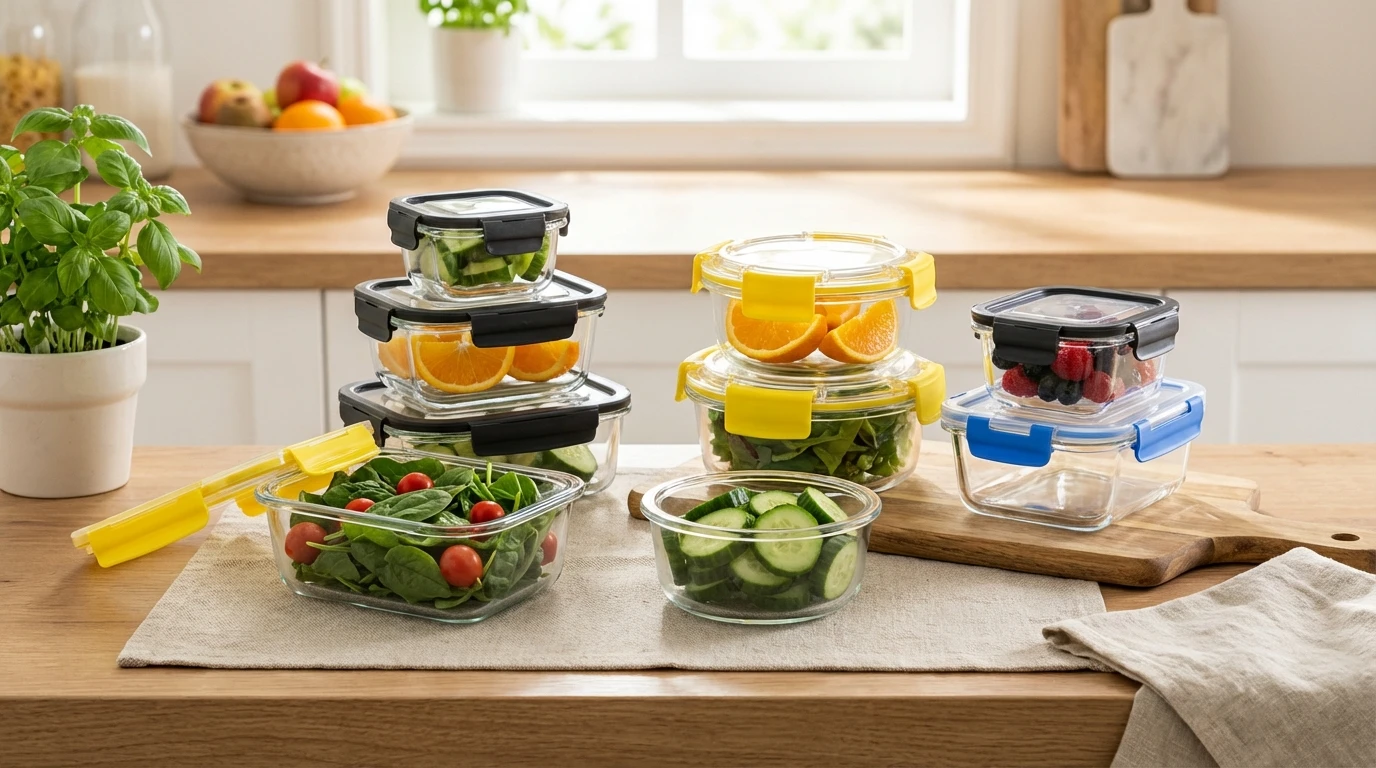
Stylish Kitchen Glasses: Clear, Durable & Versatile Drinkware
Elevating Culinary Environments with Advanced kitchen glasses Solutions
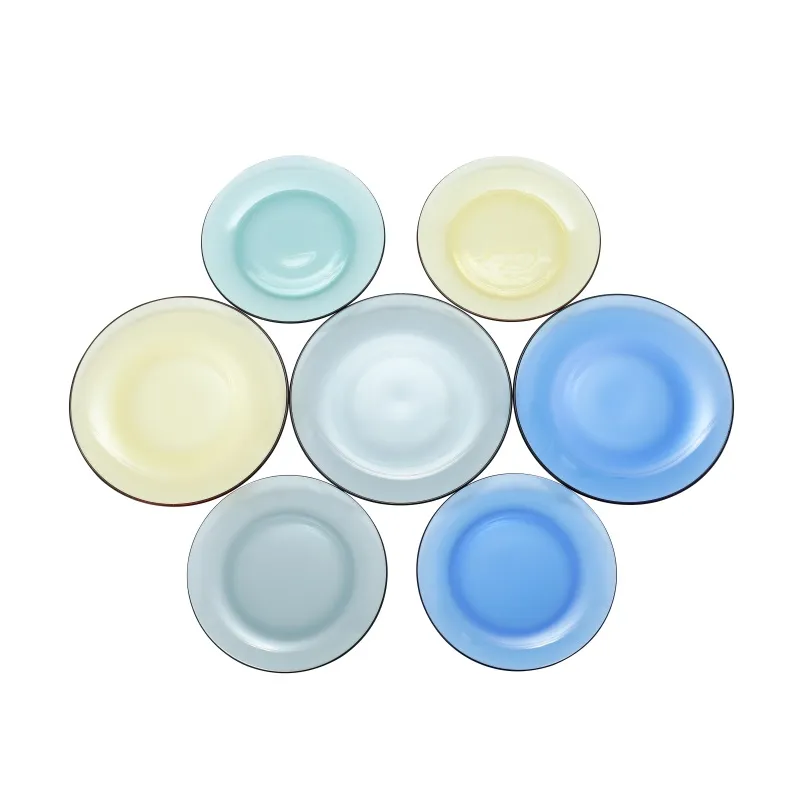
In the discerning world of professional culinary arts and hospitality, the choice of kitchen glasses extends beyond mere aesthetics. It's a critical decision impacting operational efficiency, safety, and the overall guest experience. Modern B2B environments demand glassware that offers unparalleled durability, thermal resilience, and chemical stability. This article delves into the technical aspects, manufacturing precision, and strategic advantages of high-performance kitchen glassware, with a particular focus on borosilicate glass, exemplified by innovative products such as the 9 Inch 10 Inch Stained High Borosilicate Glass Plate.
We explore the intricate processes behind these robust solutions, their diverse applications, and the tangible benefits they bring to commercial kitchens, catering services, and high-end dining establishments worldwide.
Industry Trends in B2B Kitchen Glassware
The B2B market for kitchen glasses is currently shaped by several key trends, driven by demands for sustainability, enhanced performance, and sophisticated design. Businesses are increasingly investing in glassware that:
- Prioritizes Durability: Reduced breakage rates lead to significant cost savings and improved operational workflow, a critical factor for high-volume establishments.
- Offers Thermal Resistance: Glassware capable of withstanding extreme temperature fluctuations is essential for versatility, from cold storage to oven use and rapid dishwashing cycles.
- Ensures Chemical Inertness: Resistance to food acids, detergents, and industrial cleaning agents prolongs service life and maintains aesthetic integrity.
- Supports Sustainability Initiatives: Long-lasting products reduce waste, aligning with corporate environmental responsibilities and consumer preferences for eco-conscious brands.
- Integrates Aesthetic Appeal: While functionality is paramount, the visual presentation of food and beverages is crucial for customer perception, necessitating designs that combine elegance with resilience.
The shift towards materials like borosilicate glass directly addresses these trends, offering a superior alternative to traditional soda-lime glass for demanding kitchen environments.
Technical Specifications & Material Science: The Borosilicate Advantage
At the heart of high-performance kitchen glasses is the material science. Borosilicate glass, a type of glass with silica and boron trioxide as the main glass-forming constituents, distinguishes itself through its remarkably low coefficient of thermal expansion (CTE). This property makes it resistant to thermal shock, a common cause of breakage in conventional glassware when subjected to rapid temperature changes.
Key Material Parameters of Borosilicate Glass:
| Parameter | Borosilicate Glass (e.g., Pyrex type) | Soda-Lime Glass (Standard) |
|---|---|---|
| Coefficient of Thermal Expansion (CTE) | ~3.3 × 10⁻⁶ K-1 | ~9.0 × 10⁻⁶ K-1 |
| Max Working Temperature | ~500°C (932°F) | ~250°C (482°F) |
| Thermal Shock Resistance | Excellent (ΔT > 170°C) | Good (ΔT |
| Chemical Durability (Hydrolytic, Acid, Alkali) | Very High (ISO 719 HGB 1) | Moderate (ISO 719 HGB 3-4) |
| Density | ~2.23 g/cm³ | ~2.50 g/cm³ |
This superior composition allows products like the 9 Inch 10 Inch Stained High Borosilicate Glass Plate to perform reliably in demanding environments, from high-heat oven applications to rapid chilling, without compromising structural integrity or aesthetic appeal.
Manufacturing Process: From Raw Materials to Precision Kitchen Glassware
The creation of high-quality kitchen glasses involves a meticulous process, ensuring each piece meets stringent performance and safety standards. For borosilicate glass products, the process combines traditional glassmaking with advanced precision techniques:
- Raw Material Preparation: High-purity silica sand, boric oxide, and smaller amounts of alumina and alkali are carefully weighed and mixed. The precise formulation is crucial for achieving the desired thermal and chemical properties.
- Melting: The raw material batch is fed into a high-temperature furnace, typically operating above 1600°C (2900°F). The mixture melts into a homogeneous molten glass.
- Forming (Casting/Pressing): The molten glass is then fed into molds. For plates, this often involves pressing or casting. Precision molds ensure consistent dimensions and smooth surfaces, crucial for items like the 9 Inch 10 Inch Stained High Borosilicate Glass Plate.
- Annealing: The formed glass piece is slowly cooled in an annealing oven (lehr). This controlled cooling process removes internal stresses introduced during forming, significantly enhancing the glass's strength and resistance to thermal shock.
- Finishing & Staining: Depending on the product, further processes like edge finishing, polishing, or application of durable stains are performed. For stained borosilicate glass plates, advanced techniques ensure the color is integrated and resistant to fading or scratching.
- Quality Control & Testing: Each batch undergoes rigorous testing to ensure compliance with international standards such as ISO 3585 (for borosilicate glass 3.3), ANSI/NSF for food safety, and often specific FDA certifications for food contact materials. Tests include thermal shock resistance, chemical durability, dimensional accuracy, and visual inspection for defects.
- Packaging: Products are carefully packaged to prevent damage during transit, especially for delicate items like specialty kitchen glasses.
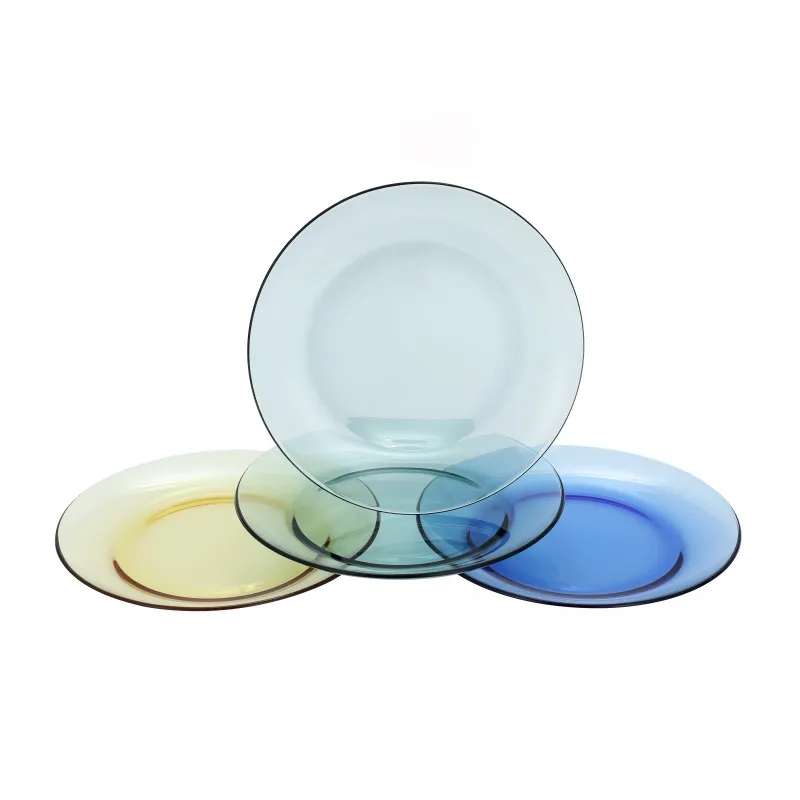
This stringent process ensures a service life often exceeding that of conventional glassware, making it a sustainable and cost-effective choice for B2B applications.
Technical Advantages & Performance in Application Scenarios
The inherent properties of borosilicate glass translate into significant advantages for diverse B2B applications:
- Enhanced Thermal Shock Resistance: Crucial for kitchenware moving between refrigerators, ovens, and dishwashers. This minimizes breakage and associated replacement costs.
- Superior Chemical Resistance: Borosilicate is highly resistant to acids, alkalis, and solvents, preventing staining, clouding, and material degradation from food, cleaning agents, and harsh detergents. This ensures longevity and maintains pristine appearance.
- Durability and Longevity: The robust nature of borosilicate glass means a longer service life, reducing the frequency of replacements and contributing to lower total cost of ownership (TCO).
- Food Safety and Hygiene: Its non-porous surface prevents absorption of odors or flavors, and its chemical inertness ensures no leaching of harmful substances into food, making it ideal for culinary use.
- Versatile Application: From precision laboratory glassware influencing culinary R&D to high-end restaurant serving dishes, the material's integrity makes it suitable for varied high-demand roles.
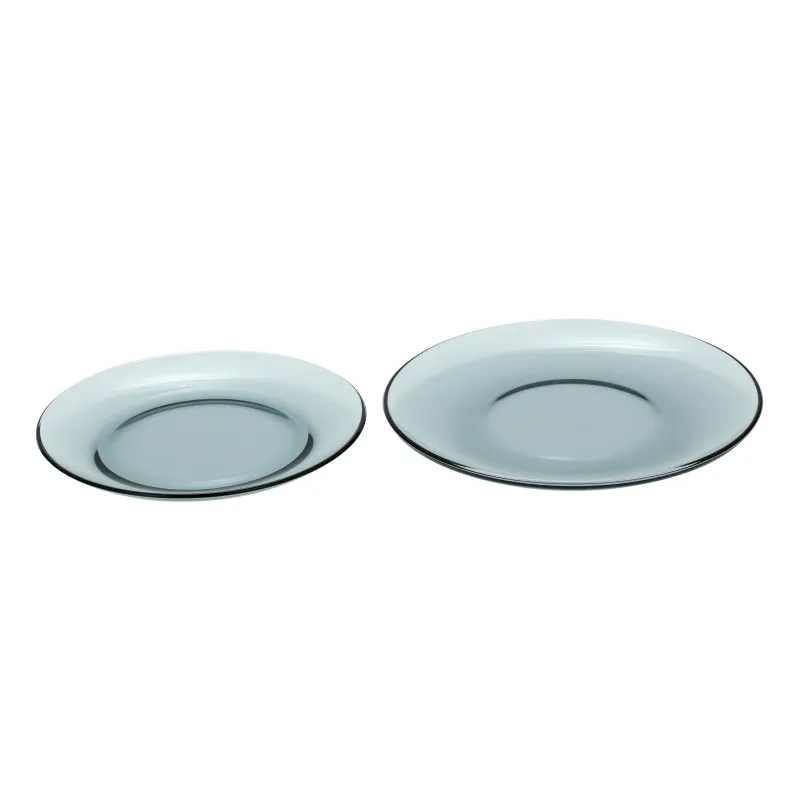
For industries that require stringent material performance, such as specialty food processing, high-volume hospitality, or even medical-grade food preparation where the same material principles apply, borosilicate kitchen glasses are the preferred solution.
Vendor Comparison: Selecting the Right Partner for Kitchen Glassware
Choosing a supplier for industrial or high-end kitchen glassware requires a thorough evaluation beyond initial pricing. B2B decision-makers should consider the following:
| Evaluation Criterion | Leading Manufacturer (e.g., Yinto Glassware) | Standard Supplier |
|---|---|---|
| Material Quality & Traceability | 100% certified high borosilicate glass, documented raw material sourcing. | Mixed or unverified glass types, limited material documentation. |
| Manufacturing Precision | CNC machined molds, automated processes for consistency, strict adherence to ISO 9001. | Manual processes, potential for dimensional inconsistencies, basic quality checks. |
| Testing & Certification | ISO 3585, FDA, LFGB, thermal shock, and chemical resistance reports available. | Self-declared compliance, limited third-party certifications. |
| Customization Capability | Full design & engineering support, bespoke shapes, sizes, and branding options for kitchen glasses. | Limited standard catalog items, minimal branding opportunities. |
| After-Sales Support & Warranty | Comprehensive warranty, dedicated support, technical consultation. | Basic returns policy, limited technical assistance. |
A reputable vendor will not only provide high-quality products but also stand as a strategic partner, offering expertise and reliable support throughout the product lifecycle.
Customized Solutions for Specialized Kitchen Glassware Needs
Recognizing that standard offerings may not always meet unique operational or aesthetic requirements, leading manufacturers provide extensive customization options for kitchen glasses and related glassware. This includes:
- Bespoke Design & Prototyping: Development of unique forms, sizes, and functionalities to integrate seamlessly into specific culinary concepts or equipment.
- Branding & Logo Application: Etching, sandblasting, or high-temperature decal application of corporate logos or custom artwork for enhanced brand presence.
- Specialized Finishes & Colors: Custom staining, as seen in the 9 Inch 10 Inch Stained High Borosilicate Glass Plate, or surface treatments to achieve desired visual effects or functional properties (e.g., non-stick coatings).
- Volume & Packaging Solutions: Tailored bulk order quantities and optimized packaging solutions for efficient logistics and minimized breakage during transit to large-scale operations.
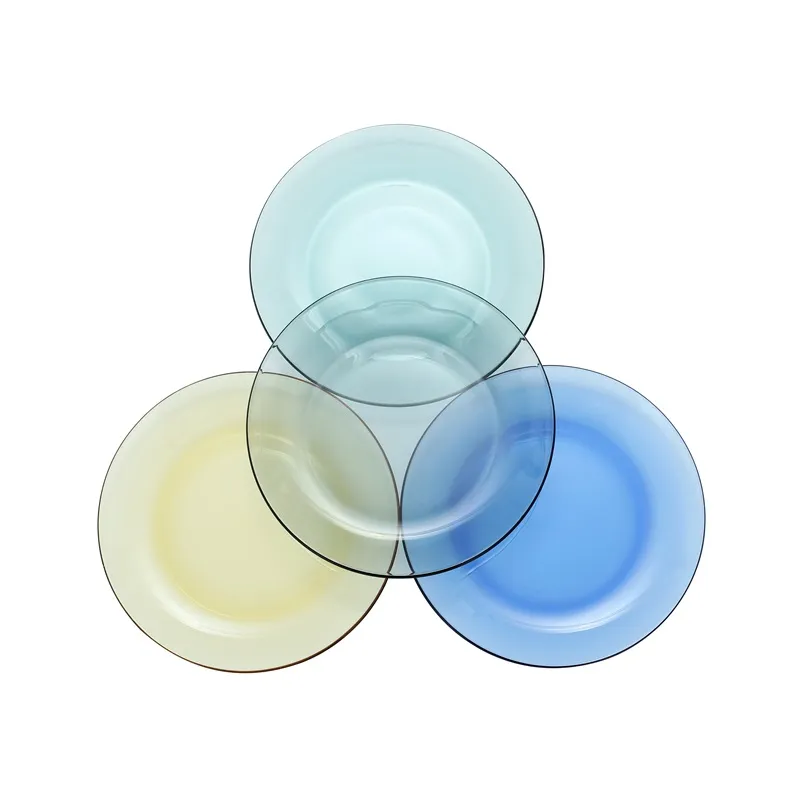
These bespoke solutions ensure that even the most demanding B2B clients can procure glassware that perfectly aligns with their brand identity, operational needs, and performance expectations.
Application Case Studies: Borosilicate Glassware in Action
The tangible benefits of advanced kitchen glasses are best illustrated through real-world applications:
- Case Study 1: High-Volume Hotel Chain
Challenge: A major international hotel chain faced excessive breakage of serving plates and bakeware due to constant thermal cycling in professional kitchens and dishwashers, leading to high replacement costs and operational disruptions.
Solution: Phased replacement with borosilicate glass plates and bakeware, including custom 9 Inch and 10 Inch variants. The superior thermal shock resistance significantly reduced breakage rates by over 60% within the first year.
Result: Annual savings of approximately $45,000 in replacement costs and a noticeable improvement in kitchen staff morale due to fewer breakages and a safer working environment. - Case Study 2: Fine Dining Restaurant Group
Challenge: A group of Michelin-starred restaurants required elegant yet durable serving solutions that could withstand rigorous professional cleaning and resist etching from acidic sauces, while maintaining pristine clarity and appearance.
Solution: Custom-designed borosilicate serving dishes and beverage glasses, featuring enhanced chemical resistance and a specific subtle stain for brand consistency. These were selected after rigorous testing against competing glass types.
Result: The glassware maintained its aesthetic quality and integrity over prolonged use, enhancing the dining experience and eliminating the need for frequent replacements due to wear or chemical damage, reinforcing the brand's commitment to quality.
Ensuring Quality, Trustworthiness & Support
Trust is paramount in B2B relationships. Suppliers of high-grade kitchen glasses build this trust through transparent processes, adherence to international standards, and robust customer support.
Certifications & Authoritative Standards:
Products are manufactured under strict quality management systems, typically ISO 9001:2015 certified. Material compliance with ISO 3585 (Borosilicate glass 3.3) and food contact safety standards such as FDA (U.S. Food and Drug Administration) and LFGB (German Food and Feed Code) are routinely verified by independent third-party laboratories. These certifications assure clients of product safety, reliability, and consistent performance.
Frequently Asked Questions (FAQ):
- Q: What is the typical lead time for custom borosilicate glassware orders?
- A: Lead times vary based on complexity and order volume. For standard custom orders, expect 4-6 weeks for design, prototyping, and initial production, followed by 3-4 weeks for bulk manufacturing and delivery. Expedited options may be available upon request.
- Q: Do you offer a warranty on your borosilicate kitchen glassware?
- A: Yes, we provide a comprehensive 1-year warranty against manufacturing defects and material failures under normal use. Specific terms and conditions apply and are provided with each quotation.
- Q: How do you ensure product consistency for large-volume orders?
- A: Our manufacturing facilities utilize advanced automation and stringent, multi-stage quality control checks at every step, from raw material inspection to final packaging. Statistical Process Control (SPC) methods are employed to maintain dimensional accuracy and material integrity across all production runs.
Lead Time & Fulfillment:
We understand the critical nature of supply chain reliability for B2B clients. Our robust logistics network and production capabilities allow for efficient order fulfillment. Standard product lead times typically range from 2-4 weeks, while bespoke solutions may require 8-12 weeks from concept to delivery, subject to design complexity and material availability. Dedicated account managers ensure clear communication throughout the order process.
Customer Support & Warranty:
Our commitment extends beyond product delivery. We offer dedicated technical support, post-sales assistance, and a clear warranty policy to ensure complete client satisfaction. Our team is available for consultation on product application, maintenance, and addressing any potential issues promptly and effectively.
Conclusion
The strategic investment in high-quality kitchen glasses, particularly those made from advanced materials like borosilicate, yields significant long-term benefits for B2B operations. From enhancing durability and reducing replacement costs to ensuring food safety and elevating aesthetic presentation, these robust solutions are indispensable for modern culinary environments. By partnering with manufacturers committed to precision, quality, and comprehensive support, businesses can secure glassware that not only meets but exceeds the rigorous demands of professional use, ultimately contributing to operational excellence and customer satisfaction.
References:
- ASTM International. (2020). ASTM E438-92(2020) Standard Specification for Glasses in Laboratory Apparatus.
- International Organization for Standardization. (2018). ISO 3585:2018 Borosilicate glass 3.3 -- Properties.
- National Sanitation Foundation. (2023). NSF/ANSI 2 Food Equipment Standards.
- U.S. Food and Drug Administration. (2022). Code of Federal Regulations Title 21 - Food and Drugs, Part 177 - Indirect Food Additives: Polymers.
-
Ultimate Guide to Choosing Big Glass Storage Containers for Every NeedNewsApr.16,2026
-
Small Glass Lunch Containers Guide for Healthy Meal PrepNewsApr.09,2026
-
Comprehensive Guide to Choosing the Best Storage Containers for Dishes and GlassesNewsApr.07,2026
-
Selecting The Optimal 300ml Food Containers For Your Business NeedsNewsApr.04,2026
-
Discover the Benefits of Durable 3 Cup Glass Food Storage ContainersNewsMar.31,2026
-
Comprehensive Guide to Choosing Superior Glass Divided Food ContainersNewsMar.28,2026
![[Extra Large with Handle] Oven Safe Glass Food Storage Container with Airtight Locking Lid & Handle, Oven Safe Dishwasher Safe](https://images.exportstart.com/images/a1251/extra-larger-glass-container-with-snap-locking-lid-164.webp "[Extra Large with Handle] Oven Safe Glass Food Storage Container with Airtight Locking Lid & Handle, Oven Safe Dishwasher Safe")
![[All Microwave Safe] High Borosilicate Glass Food Storage Container , Oven Safe without Lid, Dishwasher Safe](https://images.exportstart.com/images/a1251/squre-glass-container-with-glass-lid-518.webp "[All Microwave Safe] High Borosilicate Glass Food Storage Container , Oven Safe without Lid, Dishwasher Safe")
![[Sliding Vent PP Lid] Borosilicate Glass Food Storage Containers with Food-grade Plastic Lid, Airtight, Leak Resistant](https://images.exportstart.com/images/a1251/glass-food-storage-container-with-airtight-lid-183.webp "[Sliding Vent PP Lid] Borosilicate Glass Food Storage Containers with Food-grade Plastic Lid, Airtight, Leak Resistant")
![[Large Skylight Glass Lid] Glass Food Storage Container, Oven Safe with Lid, BPA Free, 100% Leak resistant](https://images.exportstart.com/images/a1251/glass-lid-food-storage-container-1-1-196.webp "[Large Skylight Glass Lid] Glass Food Storage Container, Oven Safe with Lid, BPA Free, 100% Leak resistant")
![[Colorful Vent PP Lid] Glass Food Storage Container, BPA Free, Leakproof, Dishwasher Safe](https://images.exportstart.com/images/a1251/002-1-639.webp "[Colorful Vent PP Lid] Glass Food Storage Container, BPA Free, Leakproof, Dishwasher Safe")
![[Color Vent PP Lid] Borosilicate Glass Food Storage Container, Leakproof, Dishwasher Safe](https://images.exportstart.com/images/a1251/1-941.webp "[Color Vent PP Lid] Borosilicate Glass Food Storage Container, Leakproof, Dishwasher Safe")
![[Vacuum AS] Food Storage Container with Pump](https://images.exportstart.com/images/a1251/7-1-397.webp "[Vacuum AS] Food Storage Container with Pump")