 TEL: +86 18903393212
 Email: tina@yintoglassware.com

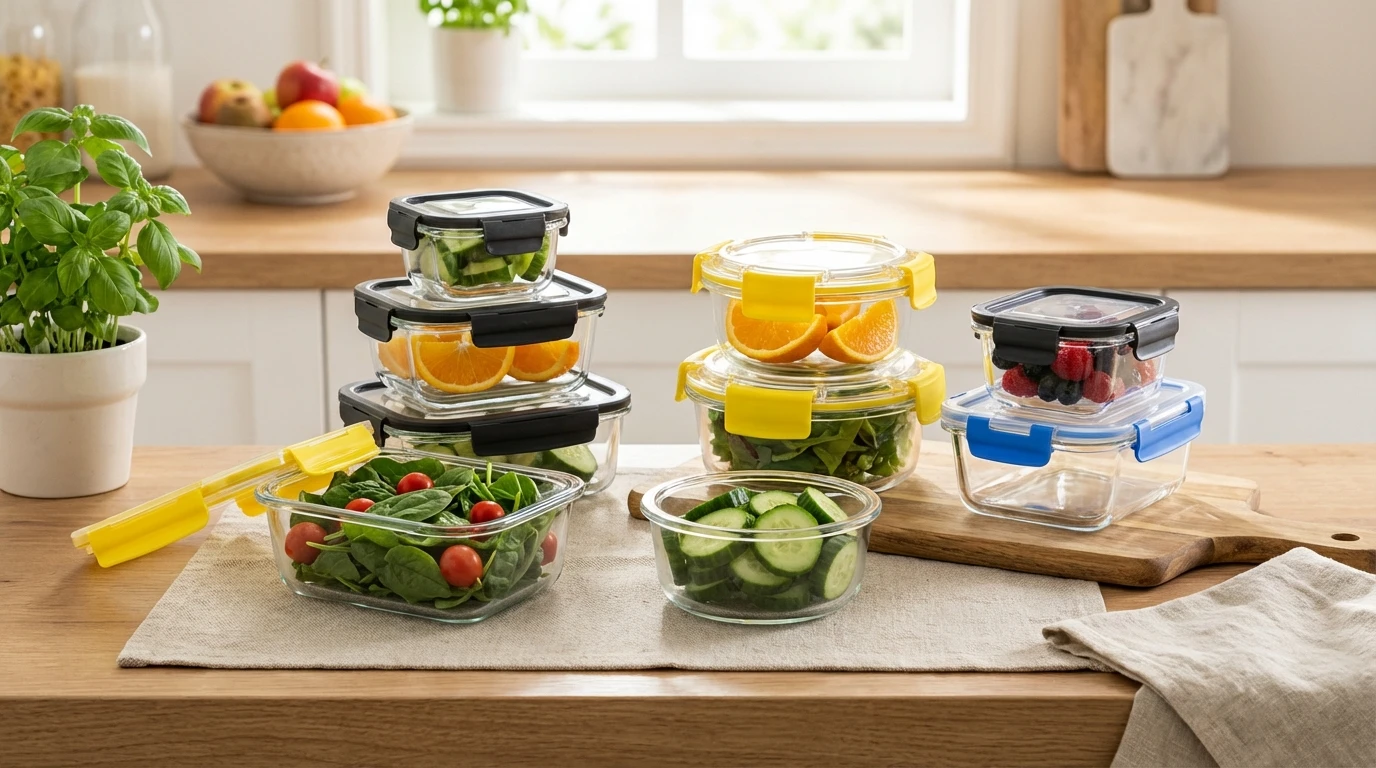
Durable Glass Food Containers for Industrial & Commercial Use
Why Glass Food Containers Are an Industrial Favorite
If you’ve spent any time around industrial kitchens or manufacturing lines where food packaging matters, you quickly realize how vital the right container really is. Glass food containers have been quietly winning ground in this space for quite some time. Having worked hands-on in industrial equipment for over 15 years, I’ve observed their evolution—and frankly, I find them a smart, reliable choice in many situations.
First off, glass brings a purity to the table that plastics just can’t beat. It’s inert, non-toxic, resists odors and stains, and can withstand temperature swings that might make other materials warp or degrade. In real terms, this means better food safety and less recycling hassle. You know, it’s one thing to have a container holding your product, but it’s another to trust it won’t interfere with what’s inside.
One might wonder, “Isn’t glass fragile?” Sure, that’s a common concern. But many glass food containers today are toughened or tempered to industrial standards, combining durability with clarity. I’ve seen these containers withstand repeated cycles in commercial dishwashers and even rough handling in logistics. Oddly enough, their weight actually helps stabilize pallets during transport.
Design wise, manufacturers have nailed versatility. Whether it’s airtight lids for freshness, stackability for warehouse efficiency, or sizes customized to the product volume, glass containers adapt well. Many clients I’ve worked with appreciate the clean aesthetic too—perfect when product presentation matters at retail.
| Feature | Specification |
|---|---|
| Material | Borosilicate or Soda-Lime Glass |
| Capacity Range | 100 ml – 2 liters |
| Lid Types | Silicone seal, snap-on plastic, metal screw caps |
| Temperature Tolerance | -20°C to +300°C (varies by glass type) |
| Compliance | FDA Food Safe, EU 1935/2004 |
I remember one food processing plant—family-owned, focused on organic jams—that switched from plastic to glass containers on a whim. They reported fewer customer complaints about taste contamination and a noticeable boost in brand image. Sometimes it’s these subtle benefits that make the difference.
Now, from a sourcing perspective, not all glass containers are created equal. You’ll find a broad range of suppliers, each with their own edge in quality or price. Here’s a quick comparison of three well-known industry vendors:
| Supplier | Material quality | Customization | Price range | Lead time |
|---|---|---|---|---|
| Yinto Glassware | Premium borosilicate | Extensive options & OEM | Mid to high | 3-5 weeks |
| ClearView Containers | Standard soda-lime | Limited colors & sizes | Low to mid | 2-4 weeks |
| GlassPro Supplies | Borosilicate, food-grade | Custom printing & shapes | High | 4-6 weeks |
Ultimately, when deciding on glass food containers, weigh factors like durability, cost-effectiveness, and compliance alongside what kind of packaging experience you want to provide. It feels like those who invest a bit more time in sourcing usually see bigger returns on quality and customer loyalty.
In closing, glass food containers marry tradition and technology in a way that still surprises me. From the factory floor to the retailer’s shelf, they handle demands that are honestly tough to meet otherwise. If you haven’t given them a shot yet, it’s maybe time to look at glass food containers with fresh eyes.
Quick takeaway: quality glass containers may cost more upfront but deliver peace of mind and subtle branding power that lasts.
References:
1. FDA Food Contact Substances Guidance, 2023.
2. Industry Case Studies: Packaging Solutions, 2022.
3. Yinto Glassware Product Catalog, 2024.
-
Ultimate Guide to Choosing Big Glass Storage Containers for Every NeedNewsApr.16,2026
-
Small Glass Lunch Containers Guide for Healthy Meal PrepNewsApr.09,2026
-
Comprehensive Guide to Choosing the Best Storage Containers for Dishes and GlassesNewsApr.07,2026
-
Selecting The Optimal 300ml Food Containers For Your Business NeedsNewsApr.04,2026
-
Discover the Benefits of Durable 3 Cup Glass Food Storage ContainersNewsMar.31,2026
-
Comprehensive Guide to Choosing Superior Glass Divided Food ContainersNewsMar.28,2026
![[Extra Large with Handle] Oven Safe Glass Food Storage Container with Airtight Locking Lid & Handle, Oven Safe Dishwasher Safe](https://images.exportstart.com/images/a1251/extra-larger-glass-container-with-snap-locking-lid-164.webp "[Extra Large with Handle] Oven Safe Glass Food Storage Container with Airtight Locking Lid & Handle, Oven Safe Dishwasher Safe")
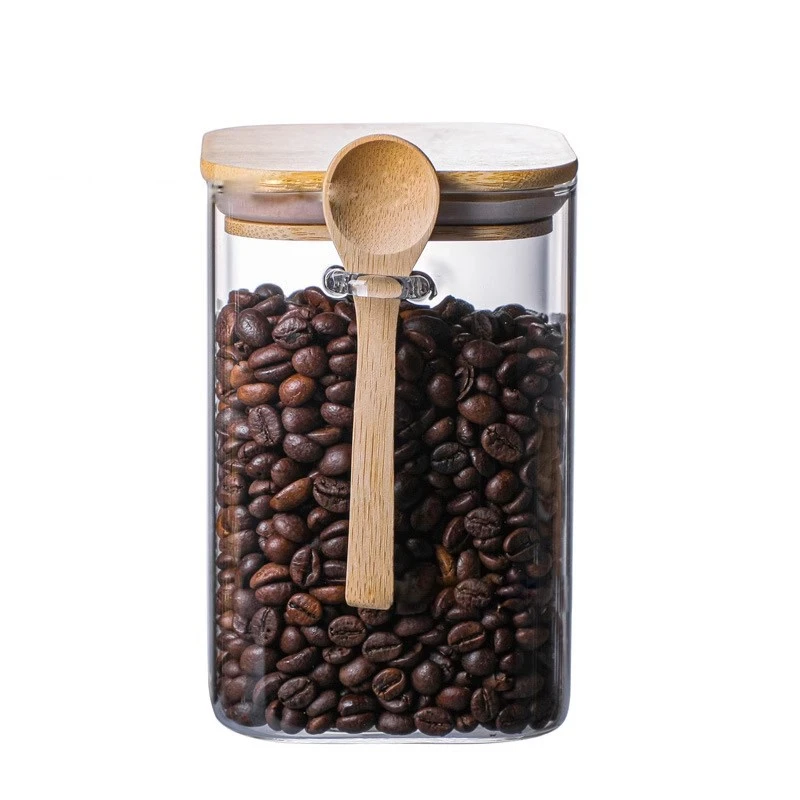
![[All Microwave Safe] High Borosilicate Glass Food Storage Container , Oven Safe without Lid, Dishwasher Safe](https://images.exportstart.com/images/a1251/squre-glass-container-with-glass-lid-518.webp "[All Microwave Safe] High Borosilicate Glass Food Storage Container , Oven Safe without Lid, Dishwasher Safe")
![[Sliding Vent PP Lid] Borosilicate Glass Food Storage Containers with Food-grade Plastic Lid, Airtight, Leak Resistant](https://images.exportstart.com/images/a1251/glass-food-storage-container-with-airtight-lid-183.webp "[Sliding Vent PP Lid] Borosilicate Glass Food Storage Containers with Food-grade Plastic Lid, Airtight, Leak Resistant")
![[Large Skylight Glass Lid] Glass Food Storage Container, Oven Safe with Lid, BPA Free, 100% Leak resistant](https://images.exportstart.com/images/a1251/glass-lid-food-storage-container-1-1-196.webp "[Large Skylight Glass Lid] Glass Food Storage Container, Oven Safe with Lid, BPA Free, 100% Leak resistant")
![[Colorful Vent PP Lid] Glass Food Storage Container, BPA Free, Leakproof, Dishwasher Safe](https://images.exportstart.com/images/a1251/002-1-639.webp "[Colorful Vent PP Lid] Glass Food Storage Container, BPA Free, Leakproof, Dishwasher Safe")
![[Color Vent PP Lid] Borosilicate Glass Food Storage Container, Leakproof, Dishwasher Safe](https://images.exportstart.com/images/a1251/1-941.webp "[Color Vent PP Lid] Borosilicate Glass Food Storage Container, Leakproof, Dishwasher Safe")
![[Vacuum AS] Food Storage Container with Pump](https://images.exportstart.com/images/a1251/7-1-397.webp "[Vacuum AS] Food Storage Container with Pump")