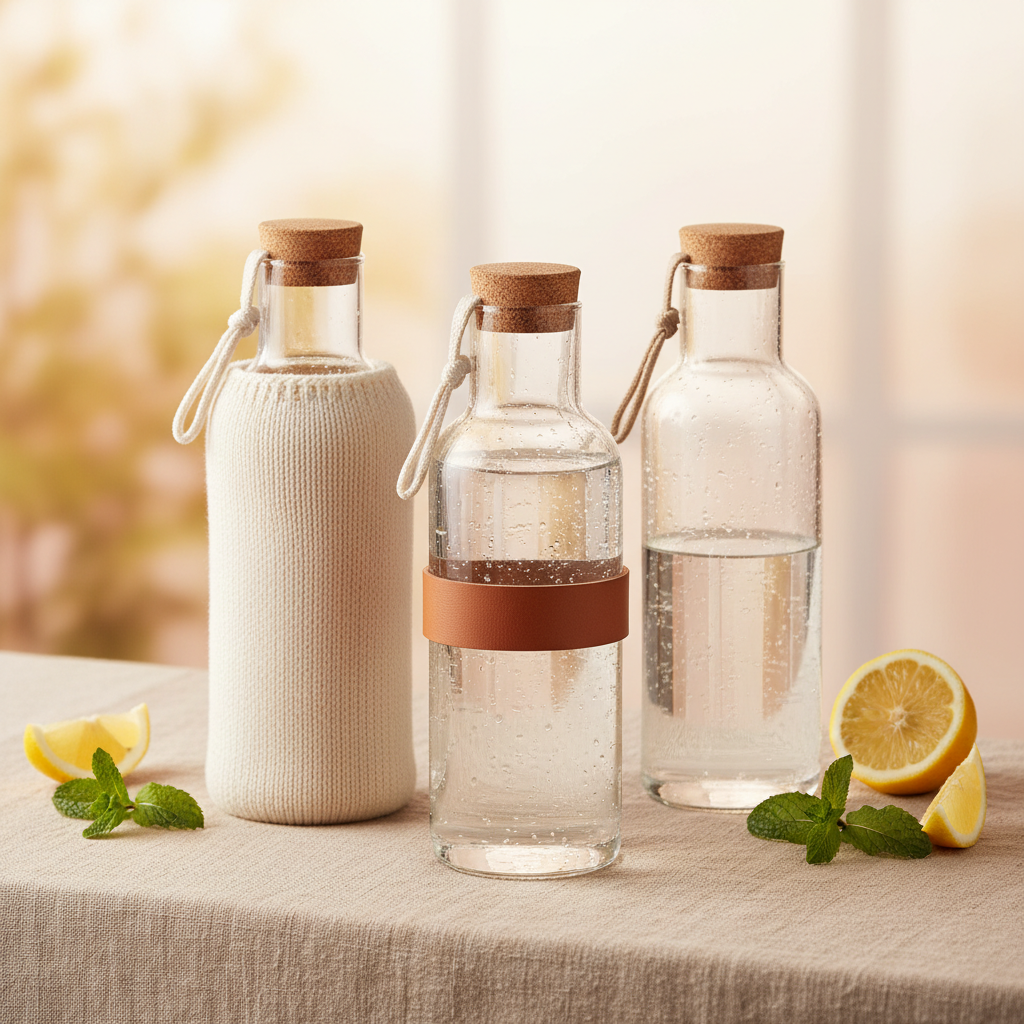
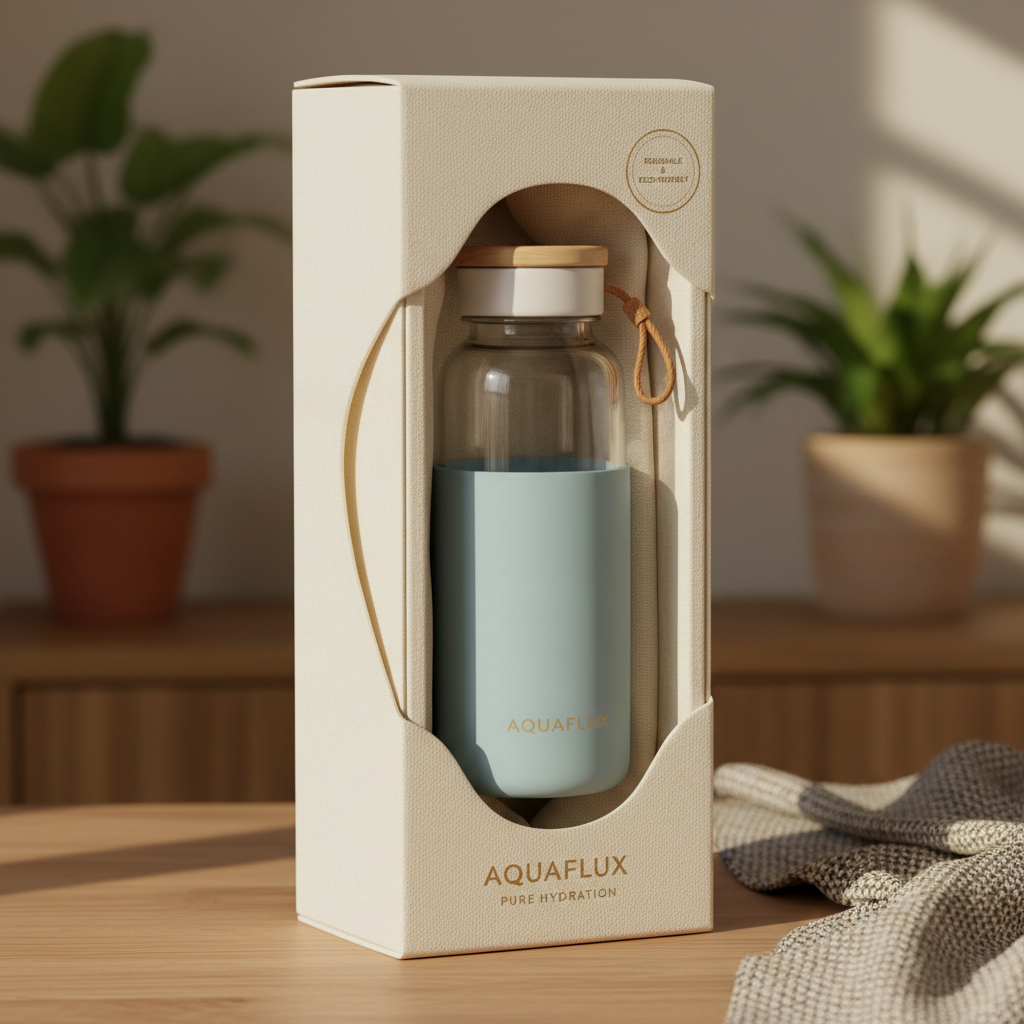
The global demand for sustainable and convenient hydration solutions is driving significant growth in the wholesale glass water bottles market. Consumers and businesses alike are increasingly seeking alternatives to plastic, recognizing the environmental impact and health concerns associated with it. This has created a robust need for reliable suppliers offering high-quality, aesthetically pleasing, and cost-effective wholesale glass water bottles.
The wholesale glass water bottles industry isn't merely about providing a container for liquids; it’s a critical component in promoting public health, reducing plastic waste, and supporting sustainable business practices. From restaurants and gyms to event organizers and eco-conscious retailers, the demand spans numerous sectors. Understanding the nuances of this market – from manufacturing processes to logistical challenges – is paramount for success.
The increasing focus on wellness and environmental responsibility directly fuels the expansion of the wholesale glass water bottles sector. Businesses are leveraging branded glass bottles as marketing tools, enhancing their sustainability credentials and appealing to environmentally conscious consumers. This trend is expected to continue, presenting substantial opportunities for suppliers who can adapt to evolving demands and deliver innovative solutions.
The Growing Importance of Wholesale Glass Water Bottles
The escalating global concern over plastic pollution has catalyzed a significant shift towards sustainable alternatives, positioning wholesale glass water bottles as a vital product. The demand isn't just a trend; it's a reflection of growing consumer awareness and stricter environmental regulations worldwide. This impacts businesses seeking to align with eco-friendly practices.
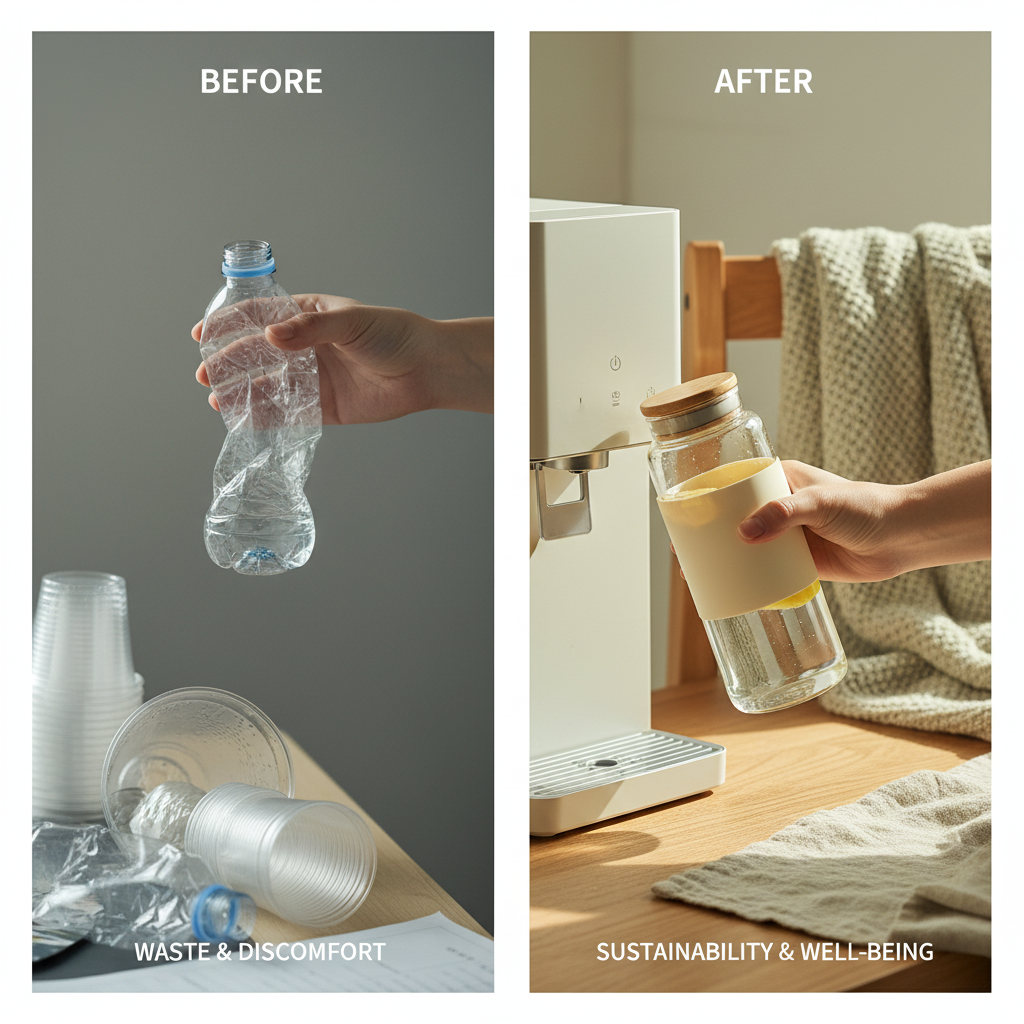
Suppliers of wholesale glass water bottles are now integral to supporting a circular economy. The reusable nature of glass, its inertness, and recyclability provide a compelling argument against single-use plastics, and businesses are increasingly recognizing the value of offering glass bottles as a premium and environmentally responsible choice.
Defining Wholesale Glass Water Bottles
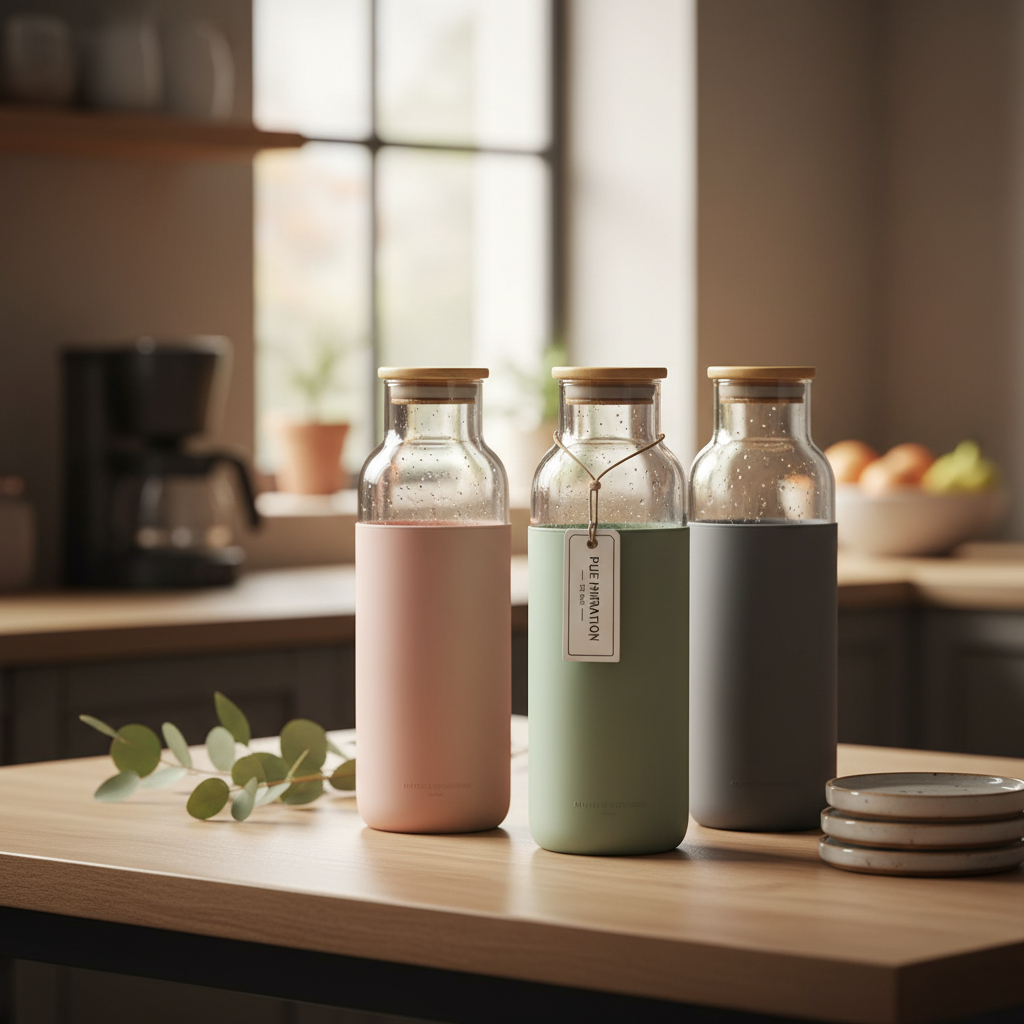
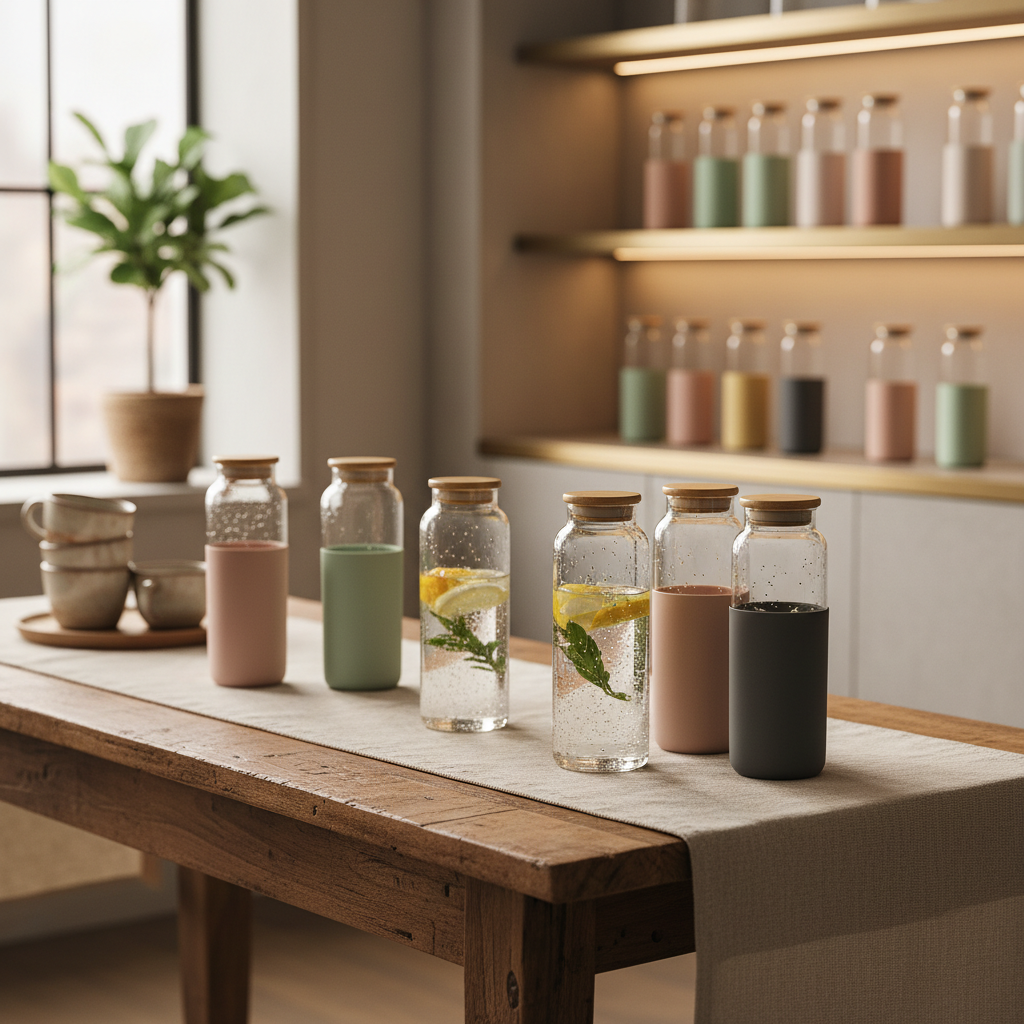
Wholesale glass water bottles refer to the bulk sale of reusable water bottles crafted from glass, typically to businesses for resale or direct distribution. These bottles come in a diverse range of shapes, sizes, and designs, catering to varied consumer preferences and brand identities. They're a sustainable alternative to plastic and metal options.
The connection to modern industry is profound. Businesses leverage these bottles for branding purposes, offering a tangible representation of their commitment to sustainability. This practice extends to event organizers looking to minimize waste, gyms promoting healthy lifestyles, and retailers seeking eco-friendly products for their clientele.
Beyond simply being containers, wholesale glass water bottles represent a move towards a more responsible and circular economy. Their durability and recyclability, coupled with the growing consumer preference for sustainable products, have made them a key component of many businesses’ environmental strategies.
Key Factors Influencing the Wholesale Market
Durability: Glass is inherently robust and resistant to scratches, ensuring a long product lifespan. This durability translates to a superior customer experience and reduces the need for frequent replacements, ultimately impacting cost savings for both businesses and consumers.
Cost Efficiency: While the initial investment may be higher than plastic alternatives, the longevity and reusability of glass bottles offer long-term cost savings. Furthermore, advancements in manufacturing processes are making wholesale glass water bottles increasingly competitive in price.
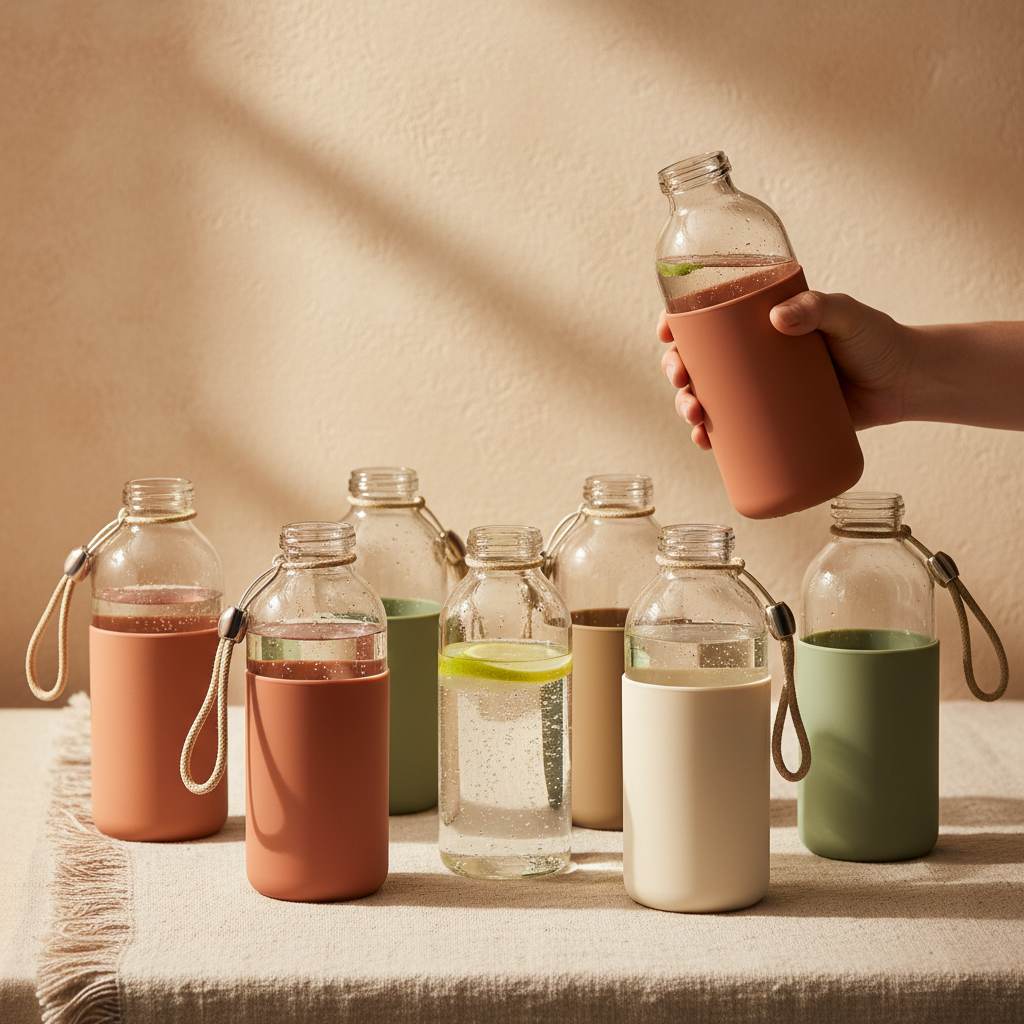
Design Flexibility: Glass offers a versatile canvas for branding and customization. Businesses can easily incorporate logos, colors, and unique designs, transforming the bottles into powerful marketing tools. This aesthetic appeal enhances brand recognition and customer loyalty.
Applications Across Industries
Wholesale glass water bottles find application across a remarkably diverse range of industries. The hospitality sector, including restaurants and hotels, utilizes them to provide an elevated drinking experience and promote sustainability. Fitness centers offer branded bottles to encourage hydration and reinforce their wellness image.
Event organizers are increasingly turning to glass bottles to minimize plastic waste and demonstrate environmental responsibility. Similarly, the retail sector features glass bottles as a premium and eco-friendly alternative to plastic options, catering to the growing demand for sustainable products. In post-disaster relief operations, clean, reusable glass bottles offer a safe and hygienic hydration solution.
Comparative Analysis of Wholesale Glass Water Bottles Methods
Advantages and Long-Term Value
The advantages of choosing wholesale glass water bottles extend beyond mere environmental concerns. Glass is inert, meaning it doesn't leach chemicals into the liquid it contains, ensuring a pure and safe drinking experience. This is a critical factor for health-conscious consumers.
Investing in wholesale glass water bottles is a long-term investment in brand reputation and sustainability. They align with the values of a growing segment of the population who prioritize eco-friendly products and ethical business practices. The perceived value and premium quality also contribute to increased customer satisfaction.
Future Trends & Innovations
The future of wholesale glass water bottles is poised for innovation. Expect to see increased use of recycled glass in manufacturing, further reducing the environmental footprint. Advancements in lightweight glass technologies will enhance portability and reduce shipping costs.
Smart glass technology, incorporating features like temperature indicators or hydration reminders, may also emerge. Furthermore, the integration of digital platforms for customization and tracking will offer businesses greater control over branding and supply chain management.
Challenges and Sustainable Solutions
One of the primary challenges in the wholesale glass water bottles market is fragility during transportation. However, innovative packaging solutions, such as molded pulp inserts and reinforced cardboard boxes, are mitigating this risk. Additionally, optimizing shipping routes and utilizing protective handling procedures are crucial.
Another hurdle is the higher upfront cost compared to plastic. Educating businesses and consumers about the long-term benefits—durability, reusability, and environmental impact—is essential. Offering volume discounts and sustainable financing options can also incentivize adoption.
Promoting closed-loop recycling systems, where used bottles are collected and repurposed, is a key sustainable solution. This reduces reliance on virgin materials and contributes to a truly circular economy.
Core Analysis of Wholesale Glass Water Bottle Supply Chain Factors
| Supplier Reliability |
Production Capacity |
Logistics & Shipping |
Quality Control Standards |
| Consistent delivery timelines |
Ability to meet large-scale orders |
Efficient and secure transportation network |
Adherence to ISO 9001 standards |
| Transparent communication throughout the process |
Scalability to accommodate fluctuating demand |
Minimized breakage during transit |
Rigorous testing for material integrity |
| Responsiveness to unforeseen challenges |
Diversified manufacturing capabilities |
Competitive shipping rates |
Compliance with FDA regulations |
| Long-term partnerships with suppliers |
Investment in modern production technology |
Proactive tracking and delivery updates |
Regular audits of production processes |
| Financial stability and reliability |
Commitment to sustainable manufacturing |
Insurance coverage for potential losses |
Traceability of materials and components |
| Ethical sourcing practices |
Innovation in glass bottle design |
Effective communication channels |
Certifications for environmental responsibility |
FAQS
Glass bottles are inherently more sustainable than plastic, being fully recyclable without loss of quality. They also don’t leach chemicals into the contents, ensuring a purer taste and safeguarding health. Furthermore, glass offers superior durability and a premium aesthetic that enhances brand perception. While initially more expensive, the reusability of glass often translates to long-term cost savings.
Secure packaging is paramount. Utilize molded pulp inserts or custom foam fittings within robust corrugated cardboard boxes. Clearly label packages as "Fragile" and consider purchasing shipping insurance. Partnering with a logistics provider experienced in handling glass products is also highly recommended. Proper palletizing and securing of loads minimize the risk of breakage during transit.
Customization options are extensive and include screen printing, etching, embossing, and labeling. You can customize the bottle's shape, color, and closure. Many suppliers also offer bespoke design services to create truly unique bottles that align with your brand identity. Minimum order quantities may apply for certain customization requests.
While the initial cost might be higher than plastic, wholesale glass water bottles offer long-term cost-effectiveness due to their durability and reusability. Reduced replacement costs and the potential for branding and marketing benefits contribute to a positive return on investment. Consider the lifecycle cost when evaluating your options.
Look for suppliers with certifications like ISO 9001 (quality management), ISO 14001 (environmental management), and FDA compliance (food safety). These certifications demonstrate a commitment to quality, sustainability, and responsible manufacturing practices. Also, inquire about the source of the glass and whether it's recycled content.
Partner with suppliers who prioritize sustainable manufacturing processes, utilize recycled glass, and actively participate in closed-loop recycling programs. Opt for local suppliers to reduce transportation emissions. Encourage customers to recycle their bottles and promote awareness about the benefits of glass over plastic.
Conclusion
In conclusion, wholesale glass water bottles represent a powerful convergence of sustainability, health, and branding opportunities. The demand for these products is surging, driven by growing environmental awareness and consumer preferences for reusable, non-toxic alternatives to plastic. Their durability, design flexibility, and long-term cost-effectiveness make them a smart investment for businesses across a diverse range of industries.
Looking forward, continued innovation in manufacturing processes, packaging, and recycling technologies will further enhance the appeal of wholesale glass water bottles. By embracing sustainable practices and partnering with reputable suppliers, businesses can leverage these products to build a stronger brand reputation, reduce their environmental footprint, and contribute to a more circular economy. Visit our website at www.yintoglassware.com to explore our extensive selection of wholesale glass water bottles.
 TEL: +86 18903393212
 Email: tina@yintoglassware.com