TEL: +86 18903393212
 Email: tina@yintoglassware.com
 TEL: +86 18903393212Email: tina@yintoglassware.com
The demand for sustainable and safe hydration solutions is growing globally, and bulk glass water bottles are increasingly recognized as a premium choice. These bottles offer a compelling alternative to plastic, addressing concerns about health, environmental impact, and taste contamination. From corporate wellness programs to large-scale event planning, the versatility of bulk glass water bottles is driving their adoption across diverse sectors. Understanding their benefits, applications, and future trends is crucial for businesses and organizations seeking responsible and effective hydration strategies.
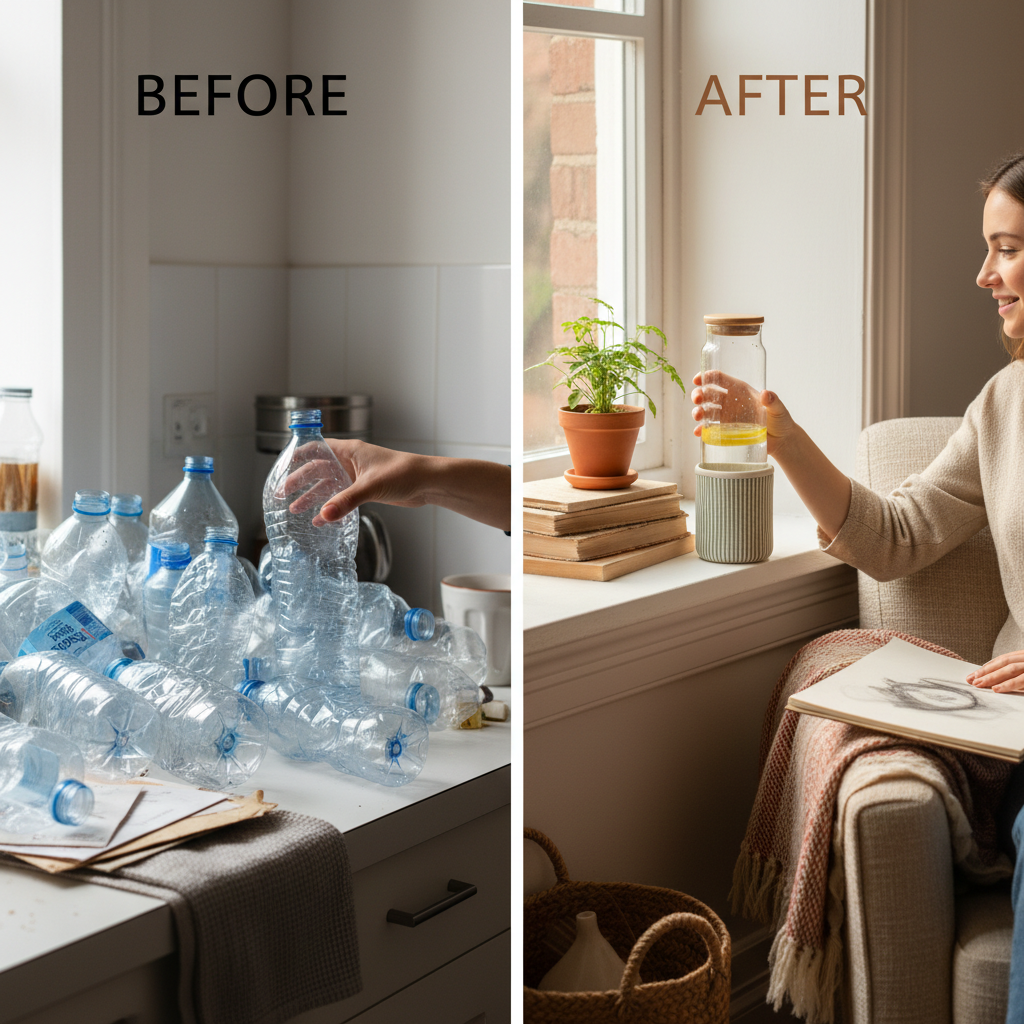
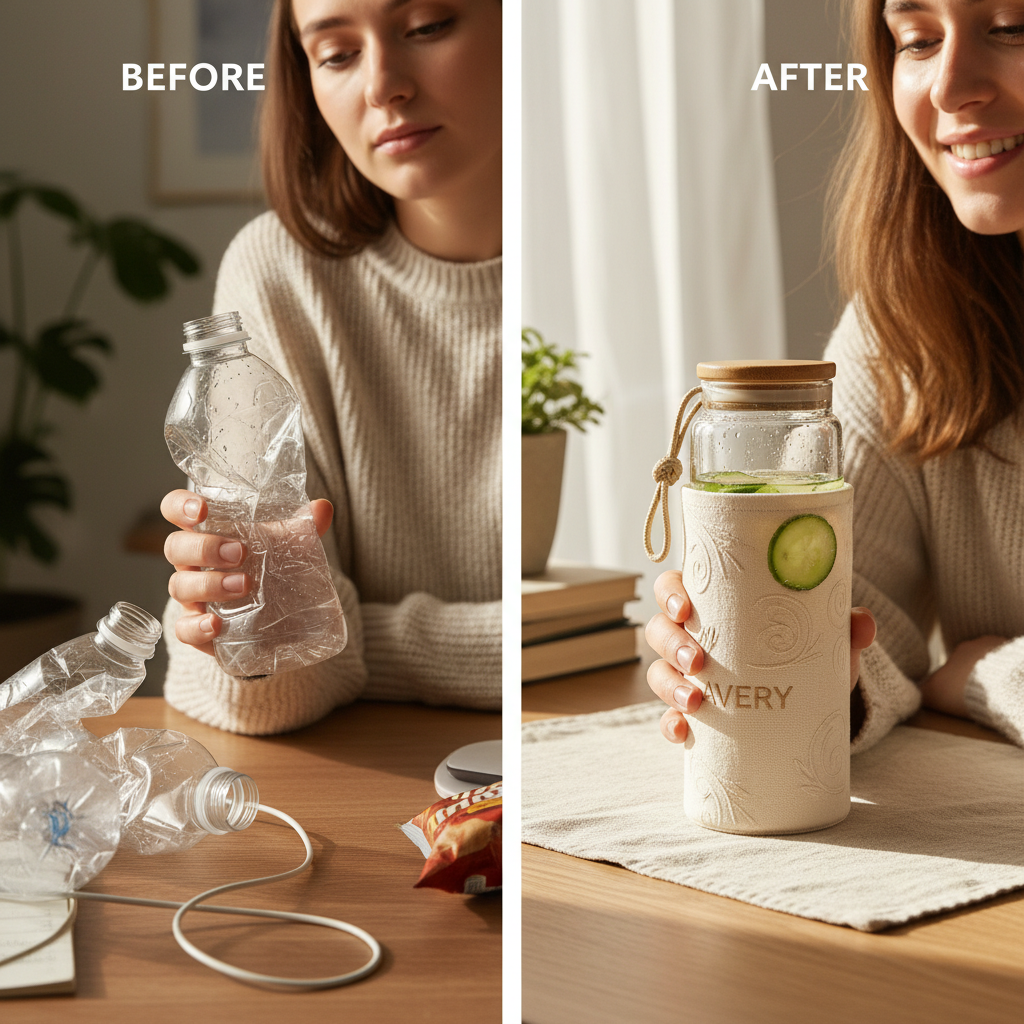
The global bottled water market is a multi-billion dollar industry, with a growing segment demanding eco-friendly options. Traditional plastic bottles contribute significantly to landfill waste and microplastic pollution. Bulk glass water bottles offer a sustainable solution, reducing reliance on single-use plastics and promoting a circular economy. The growing awareness of these environmental concerns, coupled with a desire for a cleaner, healthier lifestyle, is fueling the demand for glass as a preferred material for beverage containers.
The increasing scrutiny of plastic’s health implications, coupled with stringent regulations regarding single-use plastics in various countries, is further propelling the market for alternatives like glass. Bulk glass water bottles represent not just a product, but a commitment to sustainability, health, and responsible consumption.
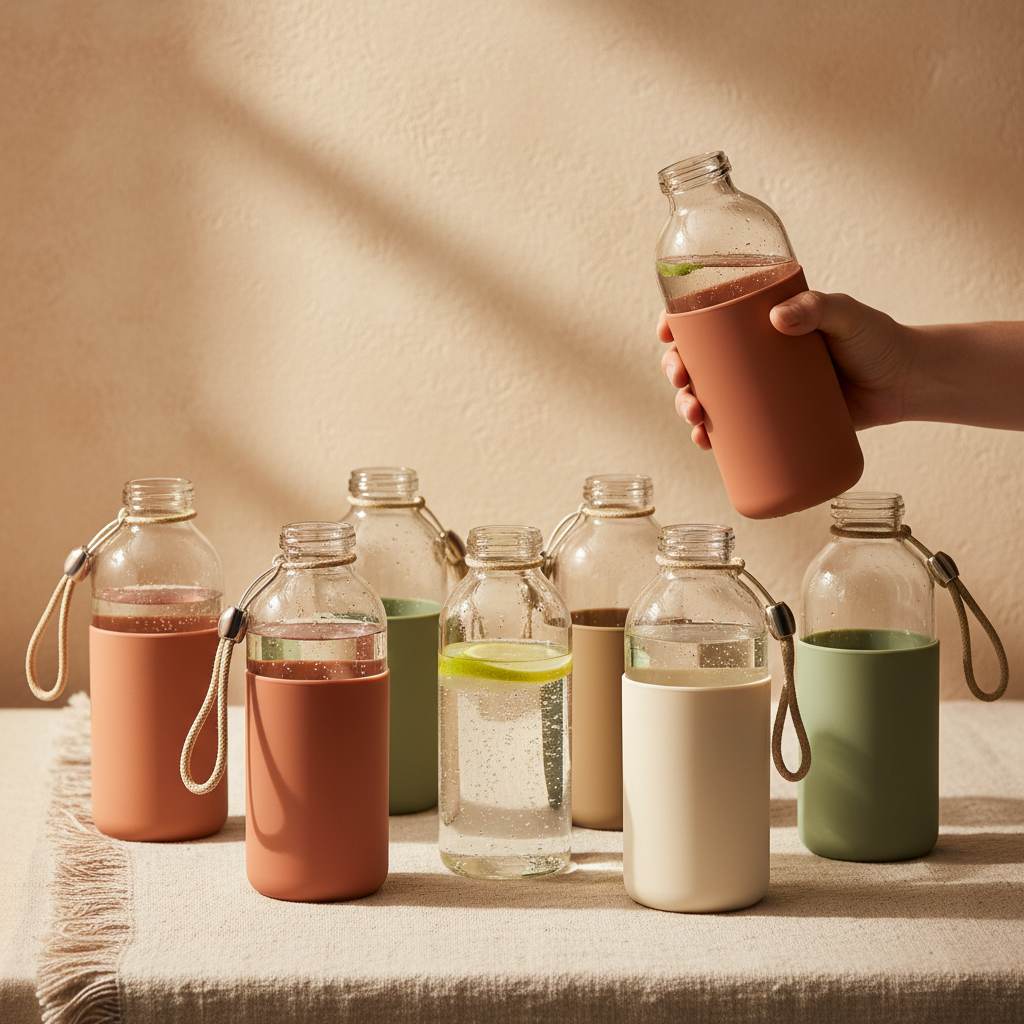
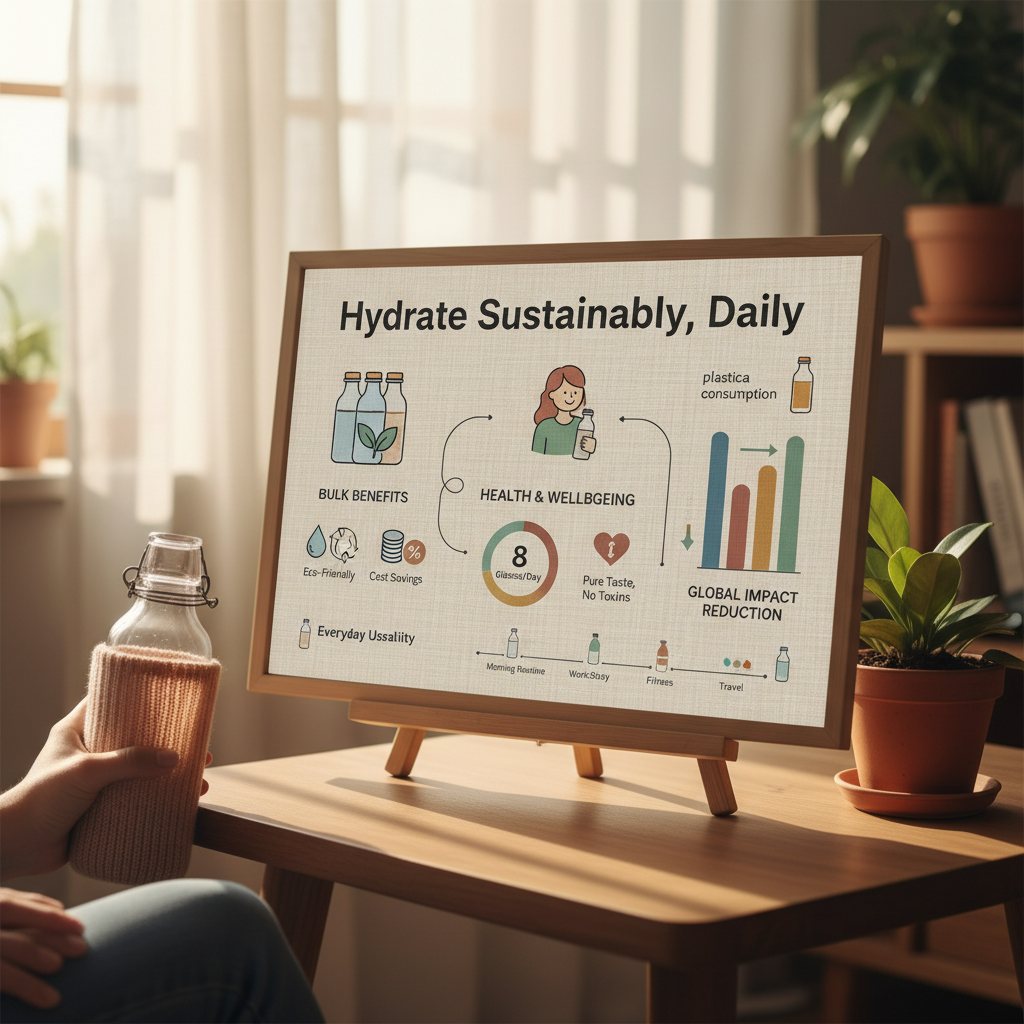
Bulk glass water bottles are more than just containers; they represent a shift towards sustainable practices and a commitment to health and well-being. They are typically sold in sets or larger quantities designed for businesses, events, or individuals prioritizing environmentally responsible choices. The increased demand reflects a growing consumer awareness of the detrimental effects of single-use plastics.
The selection of glass as a material offers benefits beyond environmental friendliness. Glass is inert, meaning it doesn’t leach chemicals into the water, preserving the purity of the taste and contributing to better health. This characteristic, combined with the bottles' reusability and aesthetic appeal, makes them a preferred choice for a diverse range of applications.
Bulk glass water bottles offer several key advantages over plastic, including improved taste purity (no leaching of chemicals), enhanced durability for repeated use, and a significantly reduced environmental impact due to their 100% recyclability. They also avoid the potential health concerns associated with plastic microparticles and offer a more premium aesthetic, making them ideal for branding and promotional purposes. Choosing glass demonstrates a commitment to sustainability and consumer health.
While the initial upfront cost of bulk glass water bottles may be higher than plastic, the long-term cost is often lower. Glass bottles are reusable for an extended period, reducing the need for frequent replacements. Considering the cost of continually purchasing disposable plastic bottles, glass quickly becomes a more economical choice. Furthermore, the durability and branding opportunities associated with glass can add significant value.
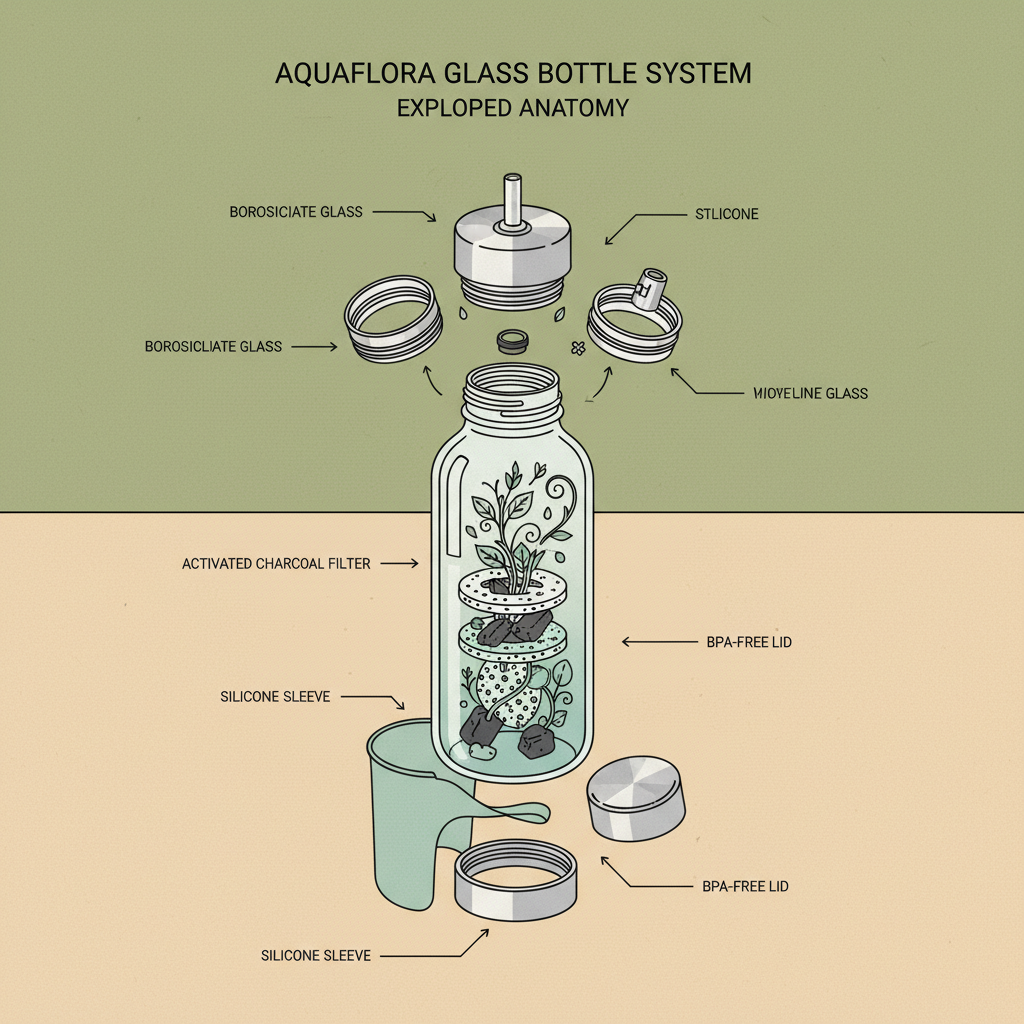
Glass, by nature, is more fragile than plastic. However, modern glass manufacturing techniques have significantly improved the durability of these bottles. To minimize breakage, consider using protective sleeves or carrying cases, opting for thicker-walled glass options, and implementing careful handling and storage procedures. Proper packaging during shipping is also crucial to prevent damage in transit.
Most bulk glass water bottles are dishwasher safe, but it's essential to check the manufacturer's instructions. Typically, they can be safely washed on the top rack of a dishwasher using a mild detergent. Avoid extreme temperature changes (e.g., pouring boiling water into a cold bottle) to prevent thermal shock and potential breakage. Handwashing is also a gentle and effective option.
Proper sanitation is crucial. Regularly wash bottles with hot, soapy water and rinse thoroughly. For deeper cleaning, a diluted bleach solution (following manufacturer guidelines) can be used. Ensure complete rinsing to remove any bleach residue. Dishwashers also provide effective sanitation. Implementing a regular cleaning schedule and providing staff training on proper hygiene practices are essential.
The environmental benefits are substantial. Glass is 100% recyclable and can be recycled endlessly without losing quality. This significantly reduces landfill waste compared to plastic, which often ends up polluting our oceans and ecosystems. Choosing glass also reduces reliance on fossil fuels used in plastic production and minimizes the release of harmful chemicals into the environment. Supporting a circular economy through glass recycling contributes to a more sustainable future.
In conclusion, bulk glass water bottles represent a significant step towards sustainable hydration. From their inherent durability and purity to their positive environmental impact and branding potential, they offer compelling advantages over traditional plastic alternatives. The growing demand reflects a shift in consumer preferences towards health-conscious and eco-friendly products, coupled with increasing regulatory pressure to reduce plastic waste.
Looking ahead, continued innovation in glass manufacturing, coupled with improved recycling infrastructure and consumer education, will further solidify the position of bulk glass water bottles as a leading solution for responsible hydration. We encourage you to explore the possibilities and join the movement towards a more sustainable future. Visit our website at www.yintoglassware.com to learn more and discover our range of premium glass bottle options.