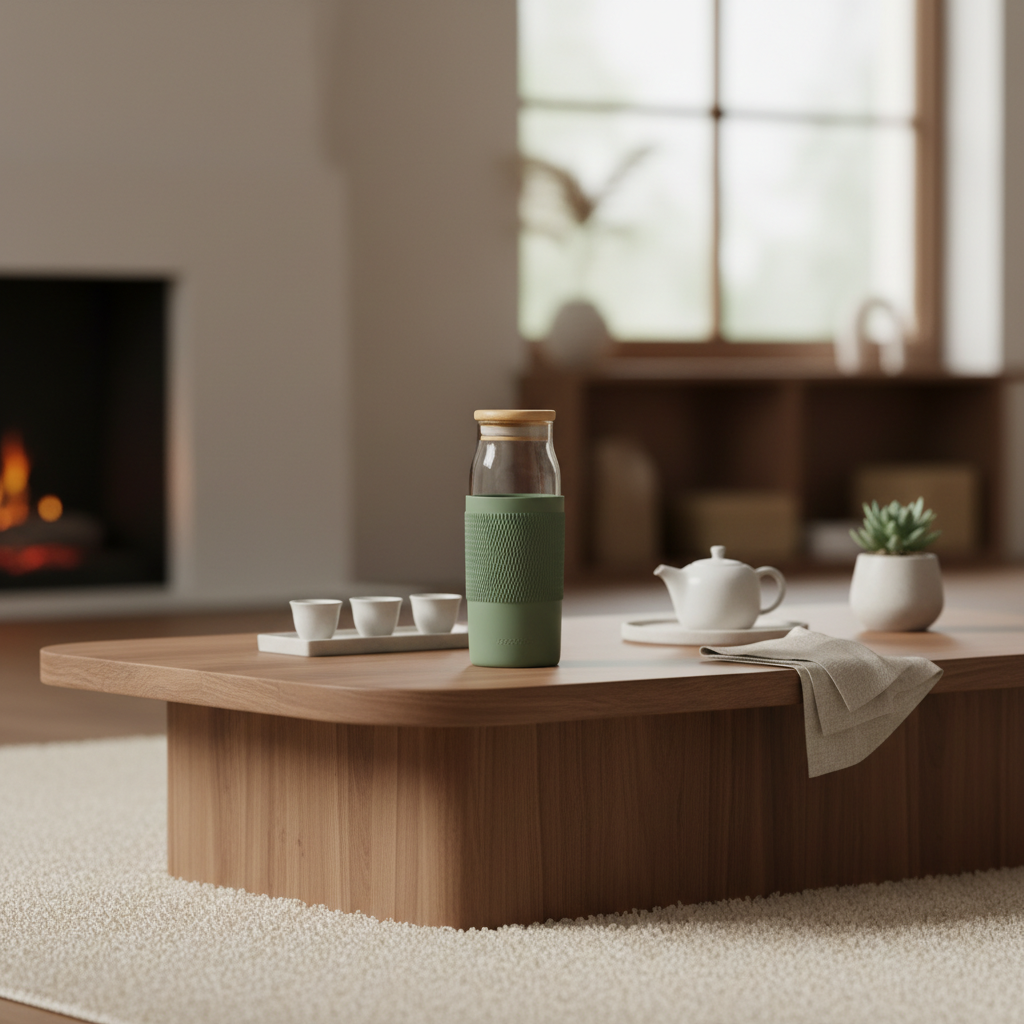
When analyzing the 200 ml packaged water glass price, it is essential to understand that cost is not merely a number but a reflection of material science and manufacturing precision. High-quality small-capacity glassware, particularly those used for packaged water, must balance aesthetic transparency with structural durability to withstand shipping and consumer handling.
For procurement managers in the beverage and hospitality sectors, the challenge lies in sourcing containers that minimize breakage rates while maintaining a competitive price point. The shift toward premium borosilicate materials has introduced new variables into the pricing equation, offering superior thermal resistance compared to standard soda-lime glass.
This guide provides a detailed breakdown of the factors influencing 200 ml packaged water glass pricing, comparing material grades, production scales, and the long-term ROI of investing in high-durability glassware. We will explore how specific technical features, such as double-wall insulation and chemical stability, impact the final unit cost.

1Understanding Material Impact on Glass Pricing

The primary driver of the 200 ml packaged water glass price is the chemical composition of the raw materials. Standard soda-lime glass is the most economical option, suitable for mass-market disposable or low-cost reusable applications. However, High Borosilicate Glass, often referred to as hard glass, commands a higher price due to its low expansion rate and extreme resilience.
Beyond the material itself, the manufacturing process—such as automated molding versus hand-blown techniques—influences the cost. For 200ml containers, precision in wall thickness is critical; thinner walls reduce material cost but increase the risk of failure during the packaging process.
Additionally, purity levels affect the final price. Glass that is lead-free and BPA-free requires more rigorous quality control and refined raw materials, which adds a premium to the cost but ensures safety for drinking liquids.
2Key Technical Features of Premium Water Glass
Premium 200ml water glasses often incorporate advanced design features to enhance user experience and product longevity. One such innovation is the double-wall insulation, which creates a vacuum layer between two glass skins. This not only prevents condensation on the exterior for cold drinks but also protects the user's hand from heat when serving hot water.
Chemical stability is another critical metric. High-grade borosilicate glass is naturally acid-resistant and does not precipitate harmful substances into the water, making it the ideal choice for high-end bottled water brands that emphasize purity.
Finally, the hardness and transmittance of the glass play a role. High transmittance ensures that the clarity of the water is highlighted, which is a key marketing factor for packaged water products, while high surface hardness prevents scratches during frequent washing in industrial dishwashers.
3Application Scenarios for 200ml Capacity Glass
The 200ml capacity is specifically engineered for "single-serve" or "tasting" portions. In the hospitality industry, these are frequently used for welcome drinks in hotels or as part of a curated water service in fine-dining establishments where portion control and elegance are paramount.
In the retail packaged water sector, 200ml glass bottles are increasingly used for premium mineral waters. The small size targets the "on-the-go" luxury consumer who prefers a sustainable glass alternative over plastic for a quick hydration break.
Furthermore, these glasses are adapted for healthcare environments. Borosilicate 200ml containers can be sterilized at high temperatures without cracking, making them suitable for medical-grade water delivery systems.
4Comparative Performance Metrics and Data
When evaluating the 200 ml packaged water glass price against performance, we observe a clear correlation between material investment and operational efficiency. Borosilicate glass significantly outperforms soda-lime glass in terms of thermal stability and chemical inertness.
The data indicates that while the initial acquisition cost of borosilicate is higher, the replacement rate is substantially lower due to its high strength and hardness, leading to a lower total cost of ownership (TCO) over a 24-month cycle.
200 ml packaged water glass price Performance Metrics
As shown in the metrics, the "With 200 ml packaged water glass price" (referring to premium grade) shows a marked increase in thermal and chemical resistance, which directly reduces the risk of product contamination and breakage in high-turnover environments.
5Procurement Strategies for Bulk Glassware
Procuring 200ml glass in bulk requires a strategic approach to balance unit price with quality assurance. Buyers should prioritize suppliers who provide qualification certificates for material purity and stress-test reports for thermal resistance.
Logistics costs often constitute a significant portion of the final landed price. Because glass is heavy and fragile, optimizing packaging—using customized molded pulp or high-density foam—can reduce the "hidden cost" of transit breakage, which often offsets a lower initial unit price.
Negotiating tiered pricing based on volume is standard, but procurement teams should also consider "customized services." Adding a brand logo or specific rim thickness can increase the price but adds significant value to the end-consumer's perception of the product.
6Sustainability and Future Industry Trends
The industry is moving aggressively away from single-use plastics, driving a surge in demand for 200ml glass containers. The focus is now on "circular economy" models where glass is not only recyclable but designed for extreme longevity to minimize the need for replacement.
Innovation in "light-weighting" is a key trend. Engineers are developing ways to maintain the strength of borosilicate glass while reducing the actual mass of the 200ml vessel, which lowers both the material cost and the carbon footprint associated with shipping.
We also expect to see more integration of "smart packaging" features, where the glass surface is treated with nanotechnology to prevent fingerprints or residues, maintaining the pristine look of packaged water without additional chemical cleaning.
7Decision Matrix: Selecting the Right Glass Grade
Choosing the correct glass for 200ml water packaging depends on the intended use case. A high-volume, low-margin product may only require soda-lime glass, whereas a luxury health tonic would necessitate the chemical stability of borosilicate.
The following table compares the most common glass types used for 200ml packaged water, focusing on the trade-offs between cost, durability, and application.
| Glass Type | Price Point | Thermal Resistance | Best Use Case |
|---|---|---|---|
| Soda-Lime Glass | Low | Moderate | Mass Market / Disposable |
| Hard Glass (Borosilicate) | High | Excellent | Premium / Medical / Lab |
| Double-Wall Borosilicate | Premium | Superior | Luxury Hospitality / Hot-Cold |
| Tempered Glass | Medium | High | High-Traffic Cafeterias |
| Lead-Free Crystal | Very High | Moderate | Ultra-Luxury Branding |
| Recycled Glass | Low-Medium | Variable | Eco-Focused Brands |
Ultimately, the decision should be based on the Total Cost of Ownership. While the unit price of borosilicate is higher, its resistance to breakage and thermal shock often makes it the most economical choice for professional, high-use environments.
Frequently Asked Questions
Conclusion
Determining the ideal 200 ml packaged water glass price requires a holistic view of material science, application needs, and long-term operational costs. While standard options provide a low entry cost, the transition to high borosilicate glass offers indispensable benefits in terms of safety, durability, and thermal performance, particularly for the premium beverage and hospitality markets.
For organizations seeking to balance elegance with industrial resilience, focusing on material purity and technical specifications is the most reliable path to value. Those evaluating suitable glassware solutions for their brand can review detailed product specifications and available options at www.yintoglass.com.